
The City of the future from a social democratic perspective
This article examines how the city of the future should improve citizens’ quality of life and help them save time, and what it should look like from the standpoint of progressive social democrats. We attempt to imagine how such cities should be designed and how they should function in the years ahead.
Of course, it is unlikely that, from the vantage point of the early twenty-first century, we can accurately predict what a developed city of the twenty-second century will look like. However, in this article we will attempt to outline the main goals and objectives of innovations in the field of urban development. We also cannot immediately take into account all the specific features and necessary innovations, so this article will be edited and revised over time. For Russia, the issue of the city of the future is of particular importance — after all, social democrats will most likely have to build many cities practically from scratch (the infrastructure of many provincial cities looks and functions simply terribly). But first, we need to identify the key problems that the “City of the Twenty-Second Century” must address.
As readers already know from the article on progressive values, one of the core values of social democrats is human free time. The more time people have free from work and the routine tasks necessary to maintain a normal standard of living, the greater the scope for creativity, development, and rest. One of the main ways to expand free time is to reduce the working day — a topic that deserves separate consideration. In addition to work, free time is consumed by the following activities1:
- cooking;
- cleaning the home;
- taking out the trash;
- washing and ironing clothes;
- washing dishes;
- travel to institutions: work, the supermarket, the gym, leisure venues, cultural institutions, and so on.
Women are particularly sensitive to these time expenditures. In such a conservative society as contemporary Russian society, a significant share of domestic responsibilities falls on them. Therefore, the requirements for the city of the future are inseparably linked to the struggle for the rights of women and men. However, the reduction of free time is not the only problem that can be addressed through urban policy. Society also faces other difficulties23:
- poor nutrition, negatively affecting health, physical condition, and well-being;
- environmental pollution;
- traffic congestion on roads;
- problems with car parking;
- road conditions, traffic safety, lack of road repairs or prolonged repairs;
- insufficient convenience and speed of public transport;
- insufficient infrastructure for cyclists and pedestrians;
- inadequate improvement of recreational spaces (lack of benches, etc.), insufficient number of cultural events, festivals, and entertainment options;
- poorly developed urban infrastructure (insufficient street lighting, lack of greenery, etc.);
- the problem of litter on the streets;
- a large number of stray animals;
- insufficient infrastructure for the free movement of people with disabilities;
- overly dense development;
- expensive or low-quality internet access;
- low quality of street and sidewalk cleaning.
However, the item “Overly dense development” would more accurately be replaced with “Low accessibility of urban services, public spaces, and entertainment”. In Russian cities, the problem is more often low-density development, which makes it difficult to operate highly efficient public transport such as trolleybuses, trams, and urban commuter rail. If such transport runs frequently, it is usually half-empty; to achieve normal occupancy levels, it must run less often. Low density also makes it difficult to ensure residents’ access to services, since it becomes harder to create efficient small businesses capable of providing them, as well as to establish leisure and entertainment venues for city dwellers. As a result, these services concentrate in shopping malls, the city fills with minibuses, motorization increases, parking lots multiply, and traffic congestion intensifies.
In various countries there are also more specific problems — for example, the incomplete legal framework governing urban planning activities, insufficient freedom for builders and developers in territorial planning4, a shortage of municipal budget funds5, and so on. It is worth noting that with the development of new technologies, the role of problems such as crime is gradually decreasing.
Solving the Problems
What is the advantage of a city over a village? A higher population density in cities facilitates interaction between people, government institutions, and businesses, increasing the efficiency of production and the distribution of goods and services. Cities serve as centers of resource concentration, including labor resources. Already, more than half of the world’s population lives in cities, and this share will only continue to grow: as countries with middle and low income levels develop, people will move from rural areas to urban ones. But migration also occurs within developed countries — residents of smaller towns relocate to major cities. Urban agglomerations expand with new suburbs and may even incorporate several smaller towns surrounding a large core city. On what principles should modern cities develop? In designing the urban environment, it is necessary to take into account the interests of different social groups and strata and to increase investment in human capital. The individual and their needs must become the center of urban policy. “A real city is made of flesh, not of concrete”. It is on the basis of such principles that many of the world’s most livable cities are developing today, including quite a few governed by social democrats, such as Vienna and Copenhagen. Vienna regularly ranks among the top cities in the world in terms of quality of life. Since the 1940s, the city has been governed exclusively by two parties: the Social Democrats and the Greens.
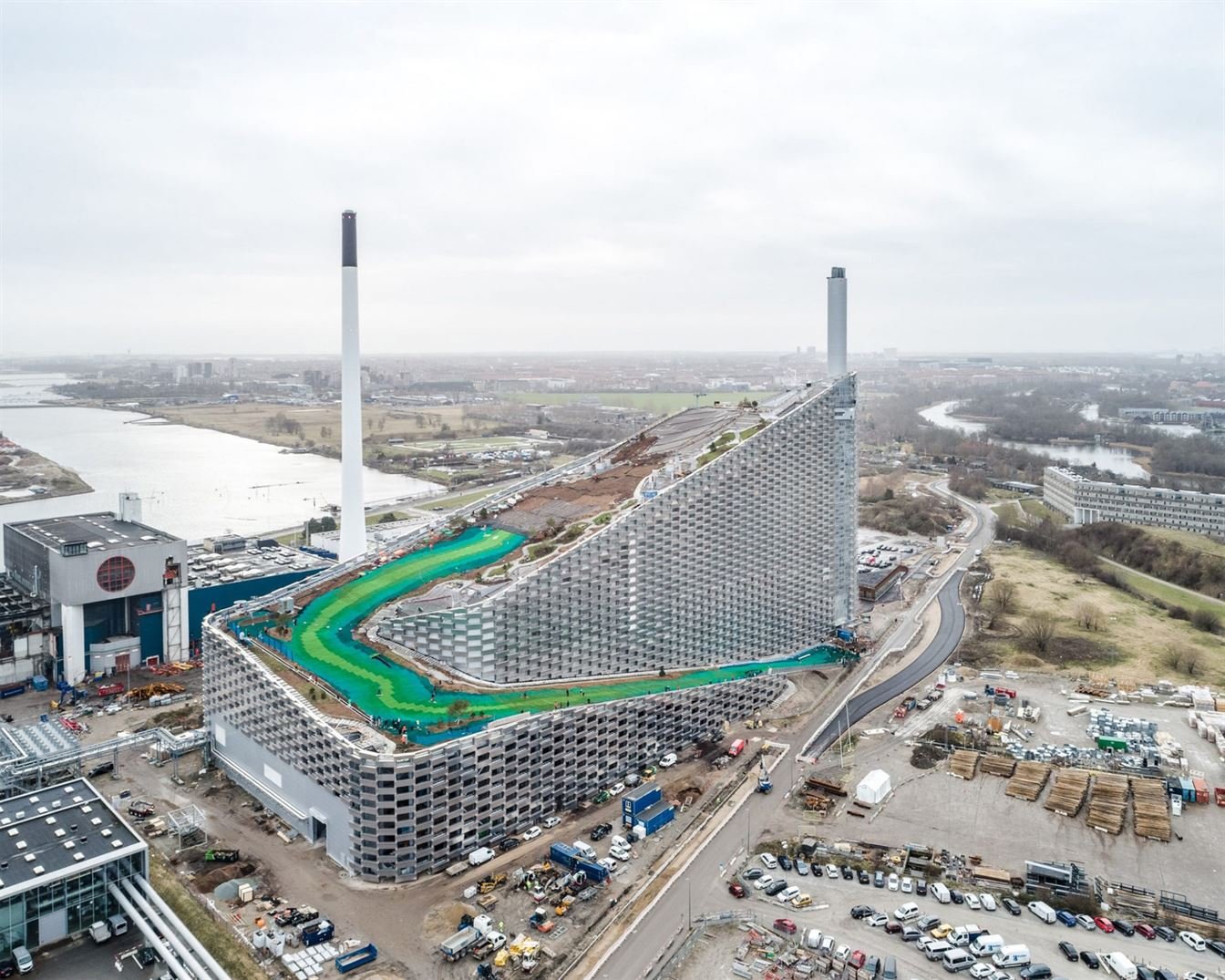
Some solutions can be tested and piloted in practice in several cities, after which they can be analyzed and, if the results are positive, implemented in others.
Social democrats do not eliminate the private sector and therefore cannot directly dictate the policies of private construction companies. However, they can establish standards through which these policies are regulated in a way that fits successfully into the concept of the “City of the Twenty-Second Century”. For example, there is a practice whereby the city itself develops a detailed master plan for a territory, after which the land is transferred to developers for further design. In other words, the city determines density, number of storeys, diversity of apartments, parking provisions, and so on. Some of the problems we have mentioned must be addressed at the apartment level, some at the residential building level, some at the neighborhood level, and some at the city level.
We must immediately clarify that what follows does not mean that the cities of the future will be identical — a set of general requirements in no way eliminates diversity. We also note that in developed or historically significant cities, such as Saint Petersburg, we will need to “integrate” the city of the future into the existing urban fabric rather than destroy what already exists in order to build something new. At the same time, many Russian cities do require thorough reconstruction.
Apartment
At this level, we must address the following problems: cleaning the home, washing and ironing clothes, and washing dishes. In the residential building of the future (discussed later), apartments should be designed to minimize the time and effort spent on household chores. This can be achieved through:
- a layout adapted for the most efficient operation of air purifiers and robot vacuum cleaners with wet-cleaning functions, as well as one that reduces dust formation;
- air purifiers in every apartment that filter dust and provide ventilation and humidification. First, increasing indoor humidity significantly reduces the risk of colds and influenza6; second, purifiers reduce dust accumulation (thereby simplifying cleaning). Today, there are ductless filtered supply ventilation systems that provide a 24-hour inflow of fresh air7;
- in addition to robot vacuum cleaners — dishwashers and a “Smart Home” system (with the possibility of replacing and upgrading software, as well as connecting all household appliances) in every apartment;
- the use of self-cleaning materials — for example, self-cleaning glass8;
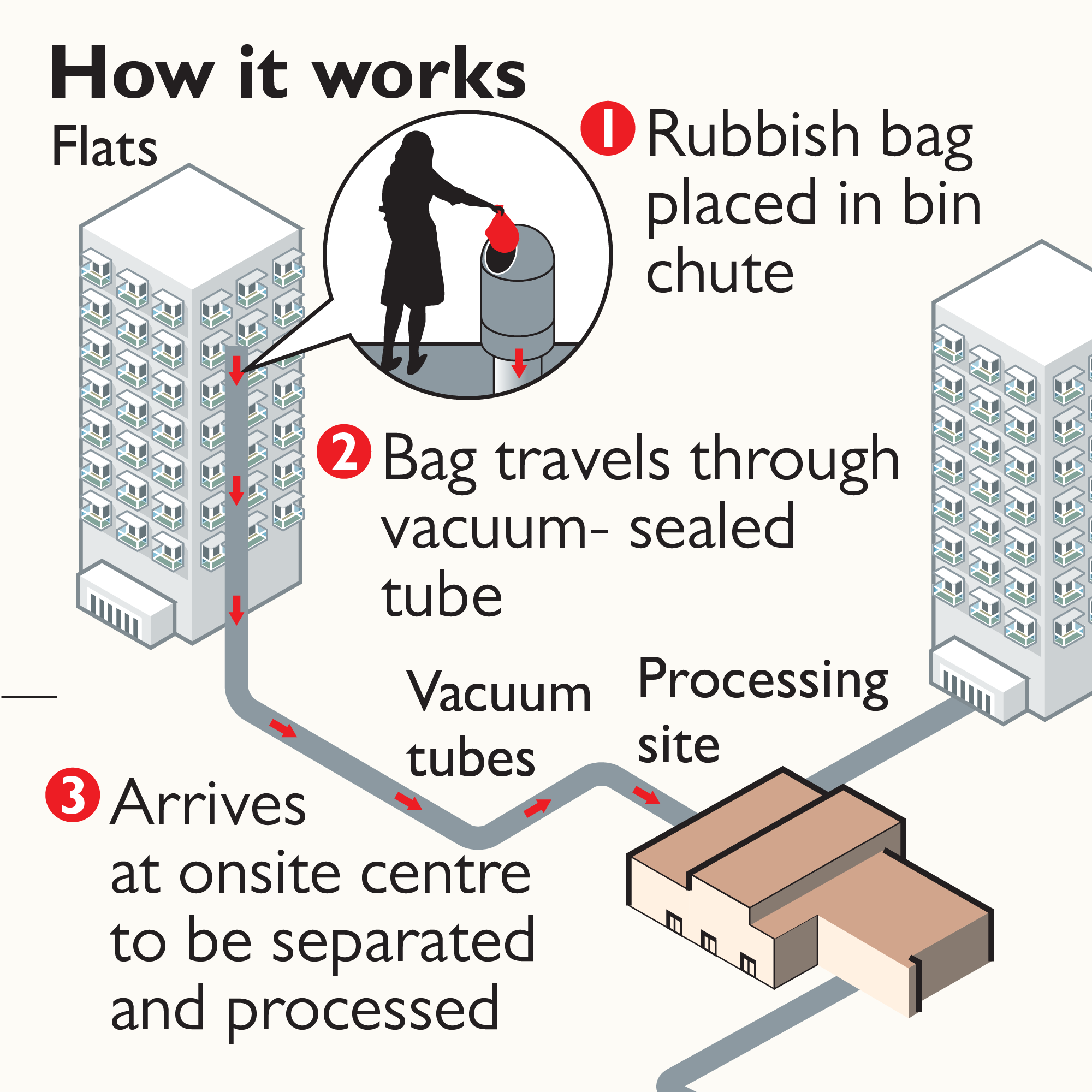
- in every apartment — a multi-section waste bin for different types of household waste (separate waste collection is necessary for recycling and increasing the environmental sustainability of households), which will later be disposed of through a central vacuum waste removal system in the residential building (discussed below). Of course, waste sorting adds time costs rather than reducing them. However, a separate collection bin and central waste disposal system should minimize this increase, and it will be insignificant compared to the expected benefits for society.
These measures should minimize the time spent on cleaning, washing dishes, and taking out the trash. In the future, a huge number of dishwashers, robot vacuum cleaners, and air purifiers will be required, and this should be used as an opportunity to establish mass production of “people’s models” in the Republic (as well as related products — for example, dishwasher salt), which will ultimately also contribute to industrial development.
Home automation can also save time — for example, a “Smart Home” system capable of turning appliances on and off in response to voice commands; providing weather updates; performing internet searches; and so on. For those who forget whether they turned off the iron or the stove, the system can include a “standby mode” that disconnects sockets and appliances, and during extended absences also shuts off the water supply. Flood, fire, and gas leak sensors protect property integrity. Temperature and humidity sensors regulate heating and indoor climate; light sensors regulate lighting; motion sensors automatically turn lights on when entering a room and off when leaving (saving time on switching lights and reducing electricity consumption9). Another example is household appliances that allow cooking to begin via a command from a smartphone, even while the owner is still on the way home.
Of course, this is not all. For example, some people have sleep problems and are unable to fall asleep for a long time (and sometimes this is made worse by neighbors who are active at night), which results in a significant loss of time. In such cases, a “Smart Home” system can be used to normalize a person’s circadian rhythms by adjusting the color and level of lighting in accordance with the time of day. The introduction of a standard requiring enhanced sound insulation in rooms intended for sleep would also help solve the problem of external noise. It is also likely that in the future sleeping arrangements themselves will change and be replaced by sleep capsules with adjustable mattress firmness, sound insulation, and calming noise programs (a special sound and light program that helps a person fall asleep10 and wake up comfortably). To save space, such a capsule could retract into the wall; other space-saving technologies may also be used, such as Simon Woodroffe’s “Yo! Home” system11 or the CityHome project12.
Residential building
At this level, the following problems are addressed: taking out the trash, cooking, unhealthy diets, washing and ironing clothes, and infrastructure for people with disabilities.
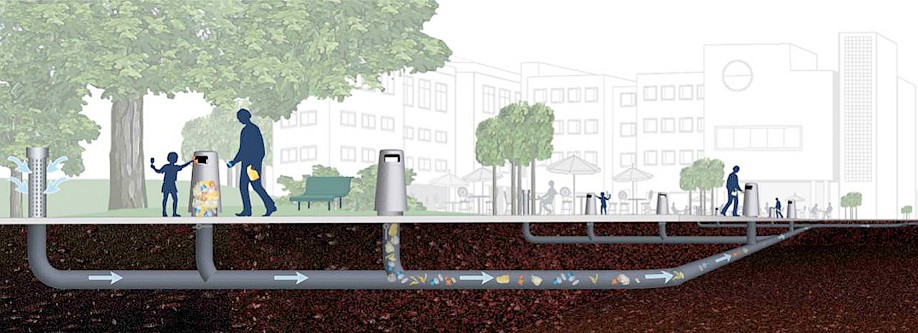
A small but unpleasant everyday problem can be taking out the trash: if there is no garbage chute in the building, one has to get dressed each time, go outside, and carry the waste to the nearest container, which is not always close to the building. If a garbage chute does exist, however, this interferes with the concept of separate waste collection and often leads to unpleasant odors in the entrance hall13. In the residential building of the future city, a central vacuum waste collection system should be implemented, which makes it possible to solve both of these problems14 (it may eventually become possible to implement vacuum waste chutes in each apartment, though the feasibility of this concept remains unclear). Its installation should quickly pay for itself by increasing the efficiency of waste recycling (thanks to separate collection) and reducing the frequency of waste removal. Vacuum waste systems are already successfully used on the streets of Finland15:
This is a system of vacuum waste collection that operates both in Kalasatama and in Jätkäsaari! Organic, mixed, cardboard, and paper waste are collected separately. The garbage is sucked in and travels through pipes to the central sorting station at a speed of 70 km/h.
All of this happens silently; no garbage trucks appear near residential buildings. The waste that arrives at the collection point is then either recycled into secondary raw materials or used as fuel or compost.
…
Most importantly, there is perfect cleanliness all around! In Finland, a waste collection point is not an exclusion zone. It can easily be located next to a playground or a bicycle parking area.
In the twenty-first century, we still face two additional problems: unhealthy diets and the time required for cooking. One possible solution has been suggested by fast food delivery services such as Uber Eats, Yandex.Eda, and GrowFood — customers simply order food to their homes, and in the case of GrowFood, they can even choose a weekly or monthly subscription. However, there are drawbacks, primarily high cost and waiting time for the courier. A solution could be underground pneumatic transport lines (similar technologies are used in pneumatic mail systems and can be observed in the Hyperloop train project16, and the Maxitube transport system is also under development17), operating in conjunction with food production facilities (similar to the one built by GrowFood18). The principle is as follows: healthy meals are produced at factories, later selected by customers through an app, and delivered via pneumatic transport lines to a “pneumatic mail” room in the basement of their residential building. In this way, the problems of time spent cooking and unhealthy diets can be addressed. The issue of washing and ironing clothes could be solved in a similar manner — it would be enough to send them through the pneumatic line to a dry cleaner (today, courier delivery to and from dry cleaners is provided, for example, by the Airo service19), pay for the service, and receive clean and ironed clothes in return. Tube logistics is already considered a highly promising direction in logistics20, and it may well hold the key to saving an enormous amount of time.
Many companies are already asking this question. In late November 2019, the Chinese corporation JD.com announced that it was developing a concept for underground delivery systems that could be integrated into “smart” cities at the planning stage21. The company considers this idea a “golden stage for logistics automation” and a logistics revolution. The British startup Magway has also announced plans to create a system of narrow underground tunnels and routes running alongside British motorways and beneath cities. Such tunnels would form an automated system for delivering parcels and groceries. The company hopes to build a network of pipes less than 1 meter in diameter, enabling the transportation of various goods in containers. The route would be powered by a magnetic motor.
Another direction in which logistics may develop is autonomous rovers22. Although these wheeled robots require the creation of barrier-free infrastructure for maximum efficiency (which is necessary in any case), they are already capable of successfully delivering orders to recipients23.
At the same time, the requirement for infrastructure that ensures a barrier-free urban environment cannot be considered a drawback. It is one of the most important conditions for an inclusive and just city, necessary for the comfortable movement of all categories of citizens, including people with limited mobility (people with disabilities, the elderly, people with strollers, carts, on roller skates, and so on). Therefore, every residential building must have all the necessary features: the entrance to the building should be step-free; if a ramp is required, its slope must allow a wheelchair user to use it independently; non-slip materials and surfaces should be used in the surrounding area, on steps, and on ramps. A new-type residential building should be 5–9 storeys high (optimally no more than 7) in order to avoid the aesthetics of “human anthills” and so that residents can see what is happening in the courtyard (including clearly seeing their child’s face on the playground)24. In addition, a lower height simplifies social oversight of the area, which can be no less important for ensuring safety than the police. At the same time, social democrats should adopt the French experience, where a law has been passed prohibiting the allocation of an entire large-scale development project to a single designer25 – this will make buildings architecturally unique. Another feature of the residential building of the future is a closed courtyard. Its inner space creates an area protected from the wind and encourages people to spend more time outdoors.
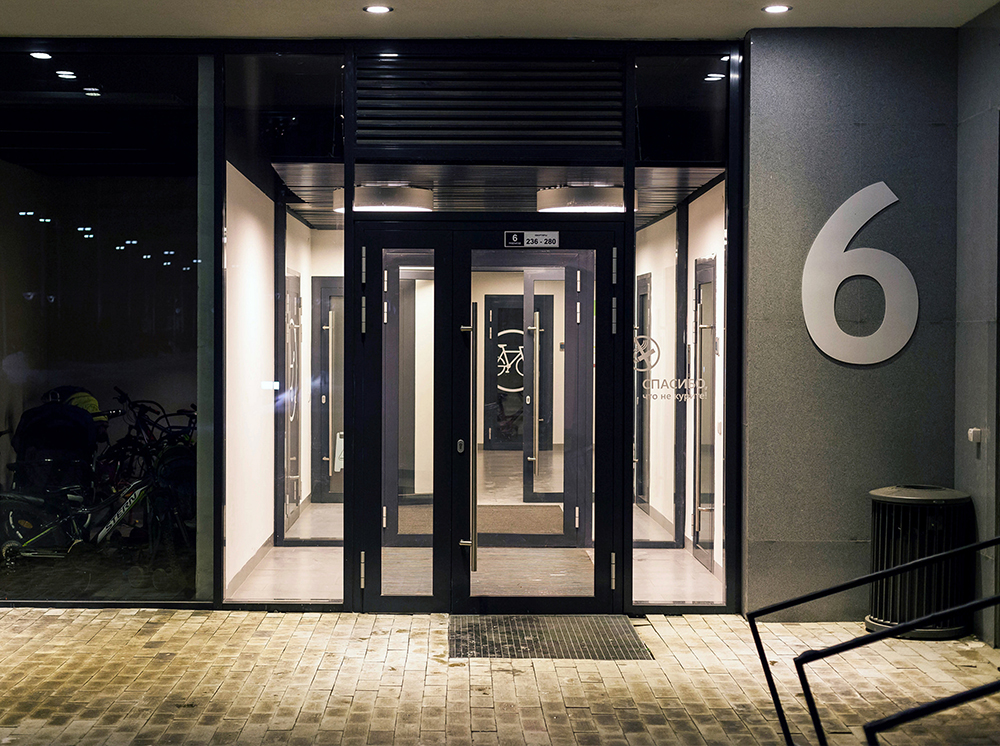
What else can be found in such a building? The door is made of glass (for safety — from inside the entrance hall one can see what is happening outside, and vice versa). A wooden handle on the entrance door, which is more pleasant to the touch in cold weather than metal. Near the entrance inside — a shoe-cleaning system, as well as space for bicycles and strollers. The downpipe drains into the storm sewer system rather than onto the street. There is a room for residents’ meetings. The presence of such spaces in buildings will also make it easier for citizens to unite for political action and to exert pressure on the authorities, thereby increasing governmental effectiveness. The roof of the building is used as a public space, with easy access from the stairwells. It is enclosed by a parapet and includes space for morning exercise, a running track, and an area for sunbathing in summer. It is also possible to provide space on the roof for solar panels, wind generators, and/or greenery (we also assume that solar panels could be installed on the façades of some buildings). The roofs of enterprises are best designed to allow for lawns within the “sponge city” concept (additional protection against heavy rainfall)26, or apiaries — as part of bringing nature back into the city, which requires the return of insects and, consequently, the birds that feed on them (this has been implemented in Paris27).
All of the above fosters communication among residents; they no longer remain strangers to one another, which increases people’s sense of responsibility and eliminates indifference toward others and toward their own home.
Residential buildings can be constructed without some of these innovations, but the design must include the simple possibility of implementing them in the future within the building. We can also say today that the technologies listed in this article are far from exhaustive; development and the creation of new technologies will continue. For example, new systems for monitoring human health may emerge that should be present in every building.
An important question is how to establish the mass production of such residential buildings. There is no final solution yet. It is worth observing the development of construction 3D printing, which can reduce building costs, shorten construction time, and expand architectural possibilities28. Today, we can already see the first residential buildings created using 3D printing technology29. The process is slowed by the high cost of construction 3D printers, but mass printing of houses may offset this drawback. Another interesting path is the development of factories producing large-scale modules30. The official website of the Mayor of Moscow reports that using this technology, a 22-storey building can be constructed in less than 20 working days with higher quality31. In addition to providing a better balance of quality, construction speed, and cost, it is especially important that the materials used in this technology be durable and capable of retaining heat/coolness effectively.
Quarter
At this level, the following issues are addressed: access roads to public institutions, problems with car parking, road conditions, insufficient improvement of recreational areas, underdeveloped urban infrastructure, litter on the streets, infrastructure for people with disabilities, overly dense development, and the poor quality of street and sidewalk cleaning.
Most of these problems can be resolved through competent municipal policy, which will be facilitated by expanding the powers of municipalities and increasing their share of funding in the state budget, as provided for in the political program of the Social Democrats.
Neighborhood construction should follow the principles of block-based (quarter) development rather than the microdistrict model. This approach creates a clearer distinction between the street and the courtyard (with shops located on the street side, leaving the courtyard for residents rather than random passersby and retail outlets), making the environment more intuitive32. Dedicated retail spaces facing the street make it easier to do business (as premises are easier to find), create jobs, and reduce crime (since someone is constantly keeping an eye on the street). The city should divide land into plots and then hold an architectural competition for each one, including the development of a site plan. Block development also allows traffic to be distributed across narrower streets instead of concentrating it on a few major highways. When there is a grid of roads, destinations can be reached by different routes, traffic is distributed evenly throughout the city, the need for multi-lane highways disappears, traffic light phases become shorter, and people spend less time waiting at red lights.
The neighborhood should define its architectural style. It should also establish and regulate standard rules for signage and advertising placement. All of this must be coordinated with the city’s architectural commission. Since residential buildings in the “City XXII” are low-rise, business buildings may be made high-rise in order to create an architectural landmark and enhance the recognizability of the area.
Each neighborhood must contain a set of essential institutions: schools, nurseries, kindergartens, hospitals, a court, libraries (of a new type, to be discussed in a separate article), and recycling collection points. Equally important is the availability of high-quality essential infrastructure: playgrounds, sports grounds, and parks. The neighborhood should be equipped with a sufficient number of benches. They should be wooden, anatomically shaped, and have backrests (near residential buildings — without backrests, so that people do not sit for long periods under the windows). Public toilets should be either automatic self-cleaning units using steam or similar to those found in Hong Kong. In that city, a public toilet is a separate building with free, barrier-free access and a large number of stalls.

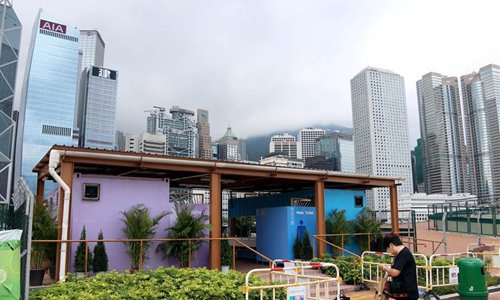
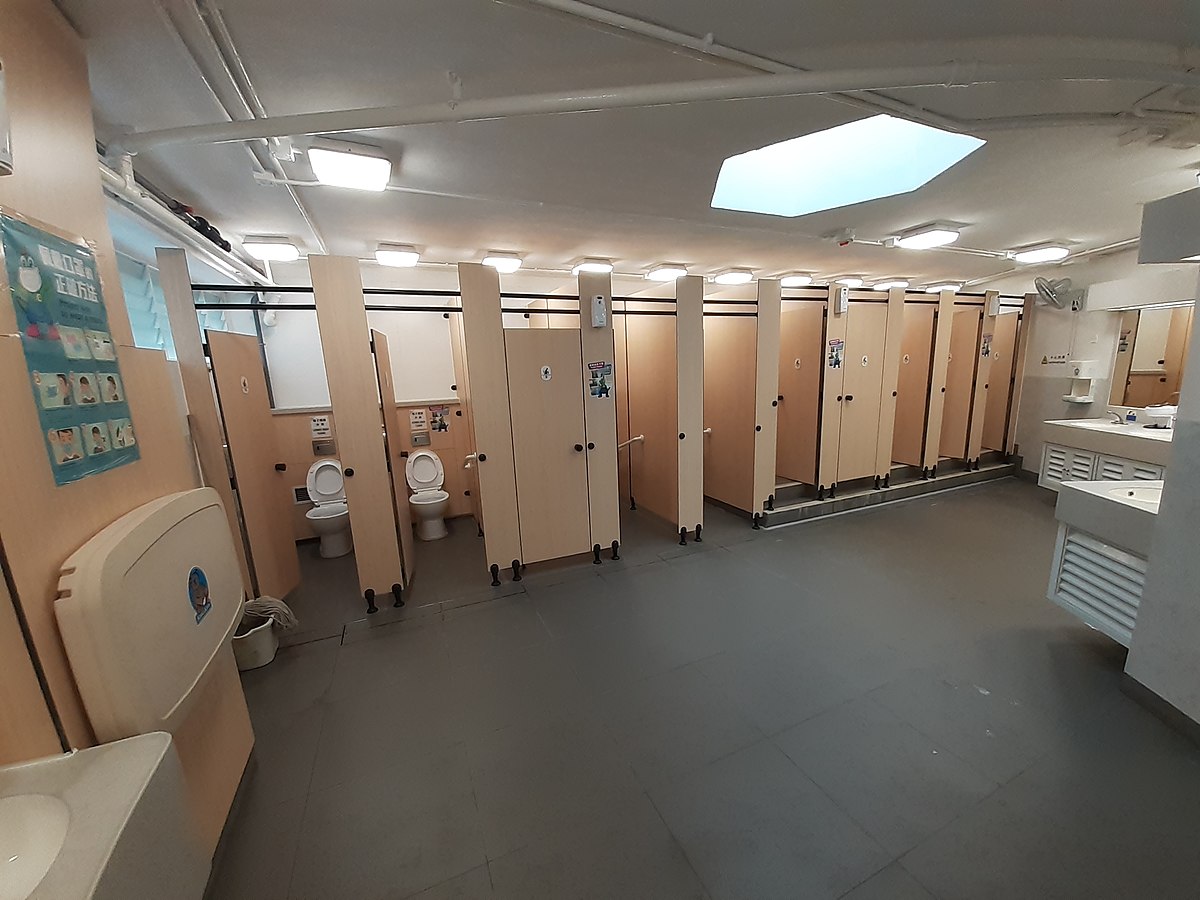
There should be many free public toilets on the streets. In areas where such facilities are heavily used, outdoor urinals can be added. City trash bins should be connected to a vacuum waste collection system, modeled on the Finnish example. In areas with high pedestrian traffic, they should be installed every 50–100 meters. The mechanism should be pedal-operated so that people do not have to touch the bin with their hands. This should help address the problem of litter on the streets.
Tactile paving must be used to facilitate mobility for visually impaired people, along with intuitive pedestrian navigation pillars for everyone else. The city of the future should maintain a high level of street illumination at night, and therefore cannot do without intelligent lighting systems using LED lamps and light sensors (each lamppost may be equipped with its own solar panel or wind generator33; it may also collect data on weather, environmental pollution, seismic activity, and traffic flows34, opening up new opportunities for improving the urban environment). There should be no “informal” dirt paths in neighborhoods — every path worn by residents should be transformed into a proper pedestrian walkway with a covered surface (that is, raised above lawn level) and smooth paving tiles treated in advance against slipping and with narrow joints. This will help reduce the spread of mud by pedestrians35. Along the lawns, bollards and high curbs should be installed to prevent cars from driving onto them and spreading dirt.
In addition, we need a clear delineation of responsibilities and powers between municipal services and property management companies (PMCs). Full transparency of their operations is required (including the publication of information on how housing and utility payments are spent).
The city must save time when traveling from point A to point B. This can be achieved, among other things, through the development of neighborhood infrastructure, as well as by encouraging small businesses that meet the needs of local residents. What will help us reduce commuting time? First, improving public transport, which we will examine further below. Second, developing job-search applications and online portals with a function for finding work within one’s own neighborhood — a process that is already underway. We only need to stimulate the development of businesses that will create jobs in all neighborhoods. Third, we should provide incentives to companies that build housing for their employees close to their workplaces (for example, the Google campus project includes 4,000 housing units near its office premises36). It may be advisable to approve large-scale projects for building enterprises or office complexes only if they include residential housing for company employees. The Mayor of Paris and Social Democrat Anne Hidalgo was re-elected on the concept of the “15-minute city” — she plans to divide the city into numerous districts where “everything one needs can be found within 15 minutes of home”37.
Among the next issues we see car parking. The best way to address it is by constructing a sufficient number of parking garages and automated parking towers (both within the city and near residential buildings). Underground parking is generally more expensive to build; however, in some buildings (for example, in areas with very high real estate prices) it may be justified. Many contemporary urbanists, such as Ilya Varlamov and Maxim Katz (whose materials we widely used in writing this article), believe that cities should encourage residents to abandon private cars. However, we must also take into account the convenience of personal vehicles in certain situations, as well as the interests of such a social group as motorists.
Therefore, our solution here should be, first, to ensure a sufficient number of parking structures, which would also make it possible to replace on-street parking spaces. Second, Social Democratic measures such as relocating the capital as part of the fight against corruption, as well as expanding regional powers and equalizing regional budgets (we have already mentioned our political program above), should slow migration flows to Moscow and Saint Petersburg and may even lead to population outflows from these cities, thereby slightly easing traffic congestion. Third, we should enhance the prestige of compact cars, combat stereotypes that harm their image, and introduce taxation that takes vehicle length into account. The spread of compact cars should have a positive effect on traffic congestion.

Speaking about road conditions, we cannot fail to note that solving problems in this area is closely linked to the aforementioned fight against corruption, as well as to increasing the democratic nature of the system. Only by reducing corruption and ensuring rotation of power (so that road construction companies cannot strike a one-time deal with entrenched authorities and establish a long-term corrupt scheme) can we expect the construction of durable, high-quality roads, the introduction of “self-healing” asphalt technology38, the implementation of water-absorbing road surfaces39, the establishment of systematic multi-stage quality control, thoughtful regulations for planning and construction, and so on. It would also be worthwhile to initiate the construction of a Eurasian Highway as an analogue to the Pan-American Highway for Eurasia. Such a project, carried out in cooperation with Europe and Asian countries, could facilitate the exchange of experience with road builders from these countries and enhance international connectivity.
How can we improve the quality of street and sidewalk cleaning? First of all, roads for cars, bicycles, and pedestrians in the city of the future must be adapted for cleaning equipment in all seasons. To ensure that the maximum number of streets can be cleaned mechanically, the design and reconstruction of sidewalks should take into account the width of cleaning vehicles, so that there are no poles, bus stops, kiosks, or sharp turns in their path. Snow removal in winter should be carried out primarily by mechanical means (possibly using snow-melting spray systems modeled on the Japanese example), and where this is impossible — manually. In addition, localized sidewalk heating systems (used on some streets in Scandinavia and Japan) can be applied. Such technology may be used, for example, at major public transport stops, on the stairs of pedestrian overpasses, and so on.
If we speak about the distant future, it is possible that many “low-prestige” professions such as sewage workers or street cleaners may be replaced by robots operated by humans. This would partially solve the issue of low professional prestige, as the person performing the work would essentially become an operator.
What should be done about the insufficient improvement of recreational areas? First of all, we must have reasonable and clear standards for designing such spaces, as well as a clear distribution of roles and responsibilities in their creation and maintenance. We can also emphasize expanding the diversity of amenities — for example, urban development projects should include space for landmarks and public structures such as the Marsk Tower observation tower in Denmark or public drinking fountains.
We may also note the following: neighborhoods and residential buildings should be designed in such a way that there are no problems with the disposal or reconstruction of housing in the future.
City
At this level, the following issues are addressed: public transport, infrastructure for cyclists and pedestrians, environmental pollution, traffic congestion on the roads, the large number of stray animals, and expensive or low-quality internet access. We can immediately note that the issue of overcoming traffic jams is so complex that it requires a separate article.
One of the key issues for the city of the future is transportation. How can we ensure that there are no traffic jams and that people do not spend excessive time stuck in them? First and foremost, we need a well-developed, convenient, and user-friendly public transport system. The organization of urban transport should encourage residents to give up trips by private car, while at the same time not making the use of private cars unbearable. Since trams combine high environmental friendliness with high passenger capacity, a well-developed tram network becomes extremely important for the city of the future. This does not mean that buses can be abandoned, as they have their own advantages.
The transport system of the city of the future should function as a unified complex with common rules and tariffs. One ticket should be valid for all types of transport — buses, metro, and trams. A similar system operates, for example, in Germany, where a single ticket for all modes of transport is valid for two hours from the moment of purchase40, allowing transfers between different types of transport (although it is not permitted to return to the point of departure or travel in a circle)41. There are also advantageous monthly and annual passes. The simplicity of the rules encourages residents to use public transport. Public transport stops should be enclosed glass pavilions, and transport hubs (interchange stations connecting different modes of public transport) should provide Wi-Fi and charging outlets for gadgets. All public transport must be accessible to people with limited mobility. Trams should be equipped with sensors that brake when detecting a pedestrian in front of them. Tram tracks should be located in the center of the road to reduce the likelihood of accidents42. Dedicated lanes for public transport are also necessary (different modes of public transport are needed, not only trams).
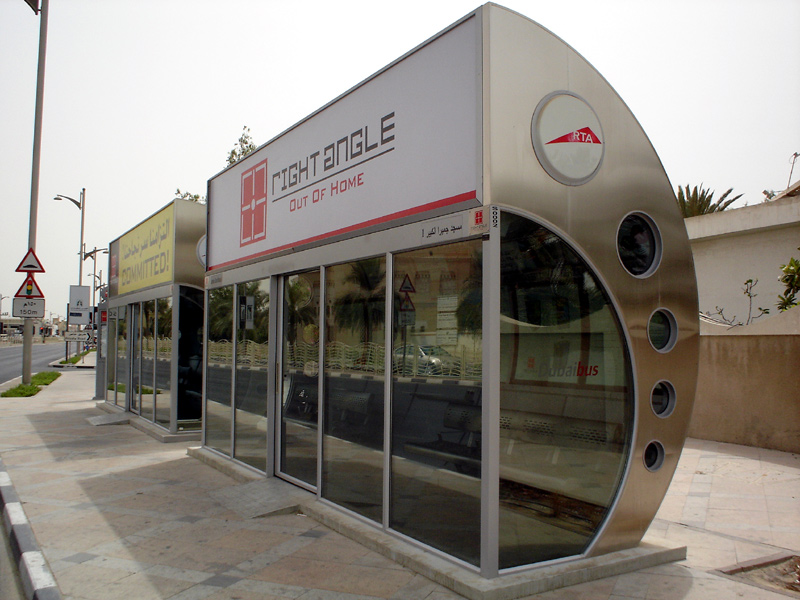
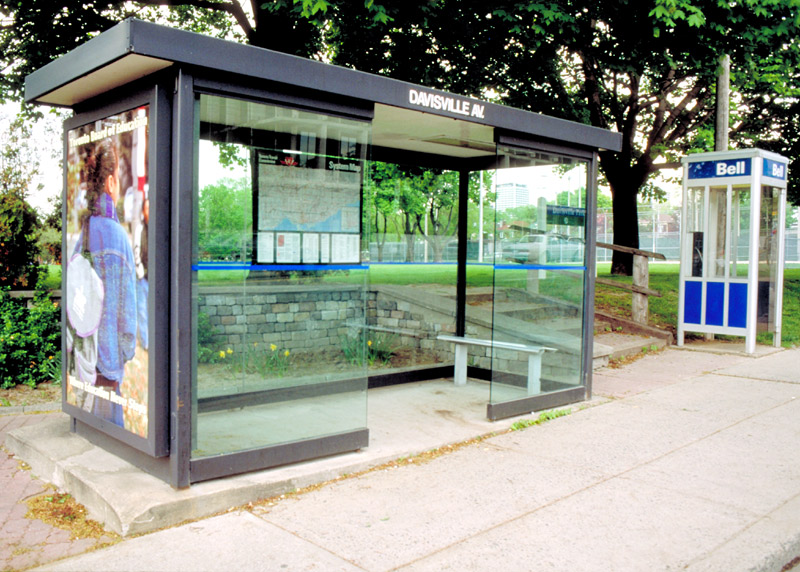
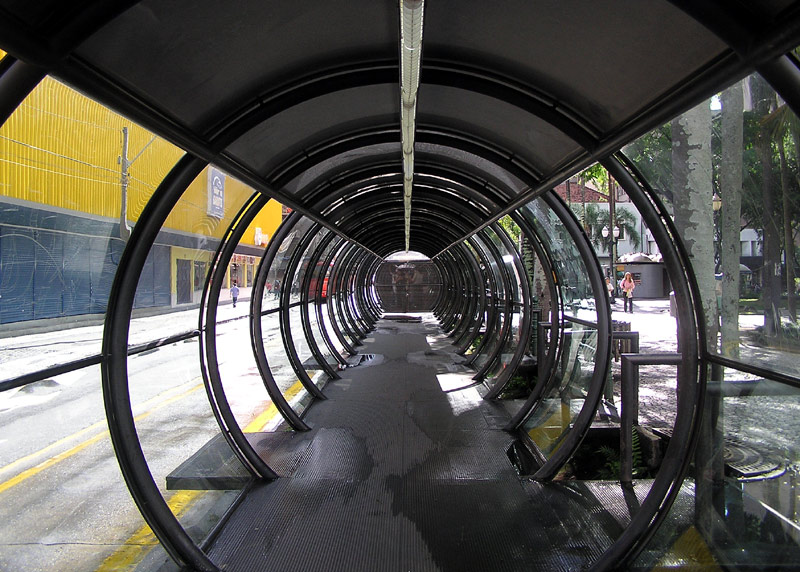
To ensure that public transport is accessible to all residents, it must be subsidized by the state. In many European cities, revenue from ticket sales already covers less than 50% of total operating costs, with the remainder financed primarily through budget funds. Some cities, such as Tallinn and Luxembourg, have completely abolished fares for public transport.
The issue of pedestrian and cycling infrastructure is no less important. All neighborhoods of the city should be connected by bicycle lanes. Supporting infrastructure is also required — bicycle parking, bike garages, waiting stands for cyclists at traffic lights, and so on. It may also make sense to create wide pedestrian corridors crossing the entire city, allowing people to travel more quickly in a straight line from point A to point B on foot or by bicycle.
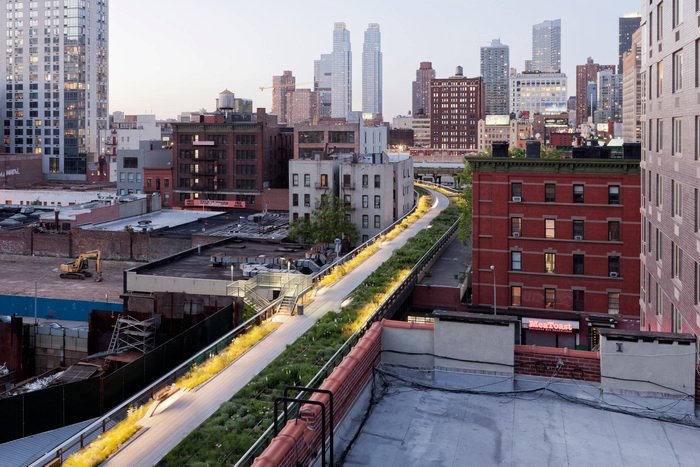
Roads in cities should be divided into several categories. Such a practice exists in many cities in Europe and the United States, and in the post-Soviet space — in Minsk. The majority of roads in a city are streets running within and between neighborhoods. They should be designed in such a way that drivers are physically unable to travel at high speed (in addition, since rainwater or other water must not accumulate on the road surface, proper crossfall grading or storm drainage systems are necessary to preserve the pavement). This approach is reflected in the Vision Zero program, which has already demonstrated its effectiveness in Sweden by reducing road fatalities to minimal levels43. This represents the future of urban road infrastructure. Pedestrian crossings on narrow streets without public transport should be raised to sidewalk level in order to eliminate the need for speed bumps and to prevent puddles from forming near crossings. At every crossing and intersection with two-way traffic, there should be illuminated safety islands for use during nighttime hours. There should be no grade-separated pedestrian crossings (underground or overground) on such streets, as they reduce accessibility and increase travel time for pedestrians, encouraging people to jaywalk and thereby increasing accident rates.
Another category of roads is urban expressways. These should be separated from regular streets and pedestrians. All intersections with them should be signal-controlled or grade-separated. On such roads, grade-separated pedestrian crossings may be constructed; however, the ascents and descents of these crossings must be gradual and without steps, or, where this is not possible, equipped with elevators. Urban expressways may be tolled depending on the vehicle class, time of day, route, and the presence of a transponder — a good example is the Western High-Speed Diameter in Saint Petersburg. People would then have a choice: either pay with their time and travel slowly along city streets, or pay a toll and travel quickly along the expressway. This would also encourage people to prefer public transport in cases where a private car is not truly necessary (for example, commuting to work). There would be no need to stop and lean out of the car to pay for travel on such an expressway (or, for example, to enter an airport) — vehicles could be equipped with transponders similar to Italy’s Telepass, which uses radio signals to enable payment for motorway travel and access to other services such as parking fees, car insurance contracts, entry into limited-traffic zones in certain cities, and so on44.
Every city should have an official “City Map” application containing all businesses and key locations (trash bins, benches, parks, sports grounds, information on green spaces45, and so on), and providing the best route to a destination by public transport. As for internet access, satellite technologies with global coverage — such as Starlink46 — should be further developed and made accessible to broad segments of the population. They allow rapid deployment of internet access anywhere in the world. Whereas wired access requires laying expensive fiber-optic cables, in this case it is sufficient simply to install a satellite dish to receive the signal47.
Today, we often face the situation where, upon discovering a problem, we do not know where to turn to have it resolved. When we need a particular public service, we are forced to search for which institution provides it, and then we may be unable to reach that institution by phone. All of this reduces the efficiency of public services to a very low level. The city of the future has its own information service with a hotline, where an operator will advise you on whom to contact and, if necessary, connect you directly with the specific person responsible for that area; it also has a website and an application.
The city of the future has all the necessary infrastructure: parks for rollerbladers and skateboarders, universities, water parks, and all-season ski complexes. City hall and municipal buildings should not have fences; on the contrary, they should have a public square nearby for gatherings, so that citizens’ speeches serve as an indicator of existing needs for urban improvements.
How are problems with stray animals resolved in the cities of the future? This is primarily a matter of public policy. For example, a system of requirements should be introduced that prospective owners must meet — before acquiring an animal, they must demonstrate that they have sufficient financial resources, a flexible schedule, a certificate of psychological health, suitable housing, and so on. This has already been implemented in Scandinavia48 and in developed countries in other parts of the world49. In Germany, mandatory microchipping of dogs is also carried out — this makes it possible to identify those who have abused animals or abandoned them, after which they may be deprived of the right to own pets and held accountable. Because of the system of requirements, animals cost a significant amount of money, allowing shelters to generate revenue for their maintenance. However, as regards urban planning itself, we can only state that every city should have an animal shelter, as is the case in Germany50. The city of the future should have clear regulations regarding where dogs are permitted to be walked. In some European cities, for example in Valencia, a dog DNA database has been created to identify and fine owners who fail to clean up after their pets on the streets51, and this experience is useful in addressing the problem of animal waste on city streets.
Environmental cleanliness occupies an important place in the city of the future. Water bodies and green areas should account for no less than 20% of the total area of such a city (excluding the already mentioned green plantings on building roofs). Such a city must have an ecological framework that not only includes natural and artificially created garden and park complexes and facilities, but also possesses connectivity, integrity, and a hierarchy of green elements that allow individual trees and shrubs to form a true framework with an environment-stabilizing function. It should also include:
- evenly distributed large urban parks;
- a green belt surrounding the city;
- green wedges connecting the outskirts with the city center;
- a water-green diameter running along rivers.
It is also important to create interconnections between urban and suburban green areas so that animals and birds can move freely.
Prioritizing zero-emission public transport and developing an extensive network of bicycle lanes also contribute to environmental improvement. Here we should draw on the experience of Denmark, where social democrats are currently in power and whose capital, Copenhagen, may become the world’s first carbon-neutral capital by 202552, largely thanks to the measures we have outlined. The experience of social-democratic Norway in transitioning to electric vehicles should also be adopted. There, EV owners are granted numerous benefits — they are exempt from import duties, do not have to pay vehicle registration fees, are exempt from the 25 percent VAT, pay reduced tolls on toll roads, and in some cities are allowed to use bus lanes and park free of charge in public spaces53. However, these are again matters of policy; as for the “city of the future”, it must possess all the necessary infrastructure for electric vehicles — at least two charging stations every 50 km, and every gas station equipped with EV charging points. The city of the future must also be prepared for the transition to autonomous transport. Even now, in some cities this transition is beginning to take shape — for example, in Masdar City a system of autonomous electric transport known as Personal Rapid Transit (PRT) has been created54.
Advances in sensors, optics and embedded processors are improving the safety of pedestrians and non-motorized transport, which will encourage greater use of public transport, reduce traffic congestion and air pollution, improve public health, and enable people to undertake longer daily journeys more quickly, more predictably and at lower cost55.
A major challenge is the need for a significant amount of electricity. Therefore, without the development of the energy sector, the transition to cities of a new type will be extremely difficult. The required investments will be substantial; however, they will pay off, for example, through energy savings after the installation of light sensors.
On Implementation
Many of the solutions described can begin to be implemented in our cities today; others may be realized in the cities of the future. Social democrats do not possess authoritarian power or a monopoly on property; accordingly, they cannot fully control the process of transition to a new type of city or allocate colossal sums to accomplish this task. However, this is not necessary — we will focus on regulating and subsidizing these processes. Therefore, social democrats devote significant attention to overall economic development — this is the key to securing the resources needed to implement our plans for transitioning to cities of a new type, where many of the problems of modern cities will be resolved, and which will bring about a revolution in the time management of the ordinary citizen.
We would like to thank Daniil Primerov, Harry Yantzen, and Dmitry Iskulov for their assistance in preparing this article.
- V. Sheinov. Where to Find the Missing Time and Non-Standard Solutions. How to Manage Everything and Succeed. – 288 p. – St. Petersburg: Piter, 2017. – p. 92.
- Elizaveta Ezhergina. The Main Problems of Russian Cities. Russians Are Most Dissatisfied with the Condition of Roads // The Village (www.the-village.ru). April 4, 2019. [Electronic resource]. URL: https://www.the-village.ru/city/news/346659-russian-cities-prblms (Accessed: 30.01.2022).
- The Main Problems in Russian Cities in 2019 // Domofond.ru (www.domofond.ru). December 6, 2019. [Electronic resource]. URL: https://www.domofond.ru/statya/glavnye_problemy_v_gorodah_rossii_v_2019_godu/100525 (Accessed: 30.01.2022).
- Anton Gorodnichev. The Urban Environment in Russia: Problems of Planning and Development // National Research University Higher School of Economics (urban.hse.ru). November 16, 2016. [Electronic resource]. URL: https://urban.hse.ru/news/196828612.html (Accessed: 30.01.2022).
- Viktoria Bityukova. Environmental Problems. Seven Facts about Urban Pollution // PostNauka (postnauka.ru). September 8, 2014. [Electronic resource]. URL: https://postnauka.ru/faq/31212 (Accessed: 30.01.2022).
- Energy-Efficient Management of Engineering Systems // Siemens (assets.new.siemens.com). [Electronic resource]. URL: https://assets.new.siemens.com/siemens/assets/api/uuid:55de0e88-bfcc-42de-b7e6-14356bd1d4a0/energyefficiecy-management-ofengineering-systems-brochure-ru.pdf (Accessed: 30.01.2022).
- How to Get Rid of Dust in an Apartment for a Long Time and Clean Less Often // Oxy (oxy.ru). [Electronic resource]. URL: https://oxy.ru/article/kak_izbavitsya_ot_pyli_v_kvartire/ (Accessed: 30.01.2022).
- Kylie Wroblaski. Self-Cleaning Glass Saves Time, Money, and Water // Buildings (www.buildings.com). February 18, 2010. [Electronic resource]. URL: https://www.buildings.com/articles/33707/self-cleaning-glass-saves-time-money-and-water (Accessed: 30.01.2022).
- D.V. Sukachev. Energy Saving through Automatic Switching of Lighting Fixtures On/Off. Recommendations for Choosing Motion and Presence Sensors // (www.energosovet.ru) [Electronic resource]. URL: http://www.energosovet.ru/bul_stat.php?idd=46 (Accessed: 30.01.2022).
- Energy Sleep Capsule // Archi.ru (archi.ru). April 2, 2013. [Electronic resource]. URL: https://archi.ru/tech/47336/energeticheskaya-kapsula-dlya-sna (Accessed: 30.01.2022).
- Kieron Monks. YO! Home: The rise of the transformer home // CNN Style (edition.cnn.com). September 22, 2015. [Electronic resource]. URL: https://edition.cnn.com/style/article/yo-home-transformer-homes/index.html (Accessed: 30.01.2022).
- Daniil Revadze. CityHome: A Transformer Home for Urban Youth // Hightech (hightech.fm). April 14, 2016. [Electronic resource]. URL: https://hightech.fm/2016/04/14/smart-home (Accessed: 30.01.2022).
- Pavel Kuznetsov. Garbage Chute: Maintain or Seal It? // Infokraft Housing and Utilities 365 (www.gkh365.ru). October 7, 2021, 10:00. [Electronic resource]. URL: https://www.gkh365.ru/blog/blog3/musoroprovod-obsluzhivat-ili-zavarit/ (Accessed: 30.01.2022).
- Central Vacuum Waste Collection // Clear System (www.clearsystem-pro.ru). [Electronic resource]. URL: http://www.clearsystem-pro.ru/catalog/187-centralnoe-musoroudalenie/ (Accessed: 30.01.2022).
- Ilya Varlamov. How the Finns Build: Infrastructure and Details // Ilya Varlamov (varlamov.ru). [Electronic resource]. URL: https://varlamov.ru/2499424.html (Accessed: 30.01.2022).
- Daria Maslenko. The Hyperloop Vacuum Train: What It Is and How It Works // RBC Trends (trends.rbc.ru). [Electronic resource]. URL: https://trends.rbc.ru/trends/industry/60c1cf329a7947b9452c5e7f (Accessed: 30.01.2022).
- MAXITUBE // Maxitube (maxitube.ru). [Electronic resource]. URL: http://maxitube.ru (Accessed: 30.01.2022).
- Pavel Paskar. The Factory Elon Musk Could Have Built — But We Built Instead // VC.ru (vc.ru). September 26, 2019. [Electronic resource]. URL: https://vc.ru/food/84727-zavod-kotoryy-mog-by-postroit-ilon-mask-no-postroili-my (Accessed: 30.01.2022).
- Polina Yudina. How Four Financiers Launched an Online Dry Cleaner // Vedomosti (www.vedomosti.ru). December 7, 2017, 23:42. [Electronic resource]. URL: https://www.vedomosti.ru/management/articles/2017/12/08/744595-finansista-onlain-himchistku (Accessed: 30.01.2022).
- Vladislava Rakhmanova. Smart City Technologies and Forecasts for Their Development // VC.ru (vc.ru). September 25, 2017. [Electronic resource]. URL: https://vc.ru/future/26713-smart-city (Accessed: 30.01.2022).
- Robots-couriers JD.com // TAdviser (www.tadviser.ru). [Electronic resource]. URL: https://www.tadviser.ru/index.php/Продукт:Роботы-курьеры__JDcom (Accessed: 30.09.2023).
- Buy Yandex.Rover Delivery Robots // Bespilot (bespilot.com). [Electronic resource]. URL: https://bespilot.com/buy/delivery-robots/2-uncategorised/1020-yandex-rover (Accessed: 30.01.2022).
- Nikolai Loginov. Rover Deliveries // Kommersant (www.kommersant.ru). November 17, 2021, 00:01. [Electronic resource]. URL: https://www.kommersant.ru/doc/5076675 (Accessed: 30.01.2022).
- Ilya Varlamov, Maxim Katz. 100 Tips for the Mayor – 464 p. – Moscow: Alpina Non-Fiction, 2020. – p. 29.
- Ibid., p. 31.
- Vladimir Esipov. “Sponge City”: What Berlin Is Doing to Prevent Flooding from Heavy Rains // DW (www.dw.com). July 23, 2018. [Electronic resource]. URL: https://www.dw.com/ru/город-губка-что-делают-в-берлине-чтобы-ливни-не-затапливали-город/a-41356802 (Accessed: 30.01.2022).
- Natalia Maiboroda. Saving from Extinction, Helping the Church, and Souvenirs: Why Bees Are Bred on Rooftops in Paris // Afisha Daily (daily.afisha.ru). February 15, 2019, 10:29. [Electronic resource]. URL: https://daily.afisha.ru/cities/11289-spasenie-ot-vymiraniya-pomosch-cerkvi-i-suveniry-zachem-v-parizhe-razvodyat-pchel-na-kryshah/ (Accessed: 30.01.2022).
- 3D-Printed Houses in Russia, China, and Other Countries // Top 3D Shop (top3dshop.ru). December 20, 2018. [Electronic resource]. URL: https://top3dshop.ru/blog/reviews/3d-printing-houses-in-russia-china-europe-price-video.html (Accessed: 30.01.2022).
- Vladimir Buldygerov. Freedom of the Press // First Information and Analytical Portal on Private Housing Construction (www.zaggo.ru). October 18, 2021. [Electronic resource]. URL: https://www.zaggo.ru/article/stroitel_stvo/obshee/doma_napechatannye_na_3d_printere_kak_ih_stroyat_i_pochemu_im_prorochat_bol_shoe_budushee_7_real_nyh.html (Accessed: 30.01.2022).
- Assembly Line for High-Rises: A Factory for Producing “Ready-Made” Apartments Will Appear in New Moscow // Novate (novate.ru). [Electronic resource]. URL: https://novate.ru/blogs/270421/58673/ (Accessed: 30.01.2022).
- A Construction Module Manufacturing Plant Will Be Built in TiNAO in 2 Years // Official Website of the Mayor of Moscow (www.mos.ru). February 10, 2020, 13:33. [Electronic resource]. URL: https://www.mos.ru/news/item/69293073/ (Accessed: 30.01.2022).
- Ilya Varlamov, Maxim Katz. 100 Tips for the Mayor – 464 p. – Moscow: Alpina Non-Fiction, 2020. – pp. 26–28.
- Intelligent Street Lighting Systems // Planeta Elektrika (www.elektro.ru). October 26, 2017. [Electronic resource]. URL: https://www.elektro.ru/articles/intellektualnye-sistemy-ulichnogo-osveshcheniya/ (Accessed: 30.01.2022).
- Klaus Schwab. The Fourth Industrial Revolution. – 209 p. – Moscow: Eksmo, 2019. – p. 99.
- Ilya Varlamov, Maxim Katz. 100 Tips for the Mayor – 464 p. – Moscow: Alpina Non-Fiction, 2020. – p. 308.
- Masha Tsepeleva. Google Received Approval to Build a Campus for 20,000 People in San Jose After Four Years of Negotiations // VC.ru (vc.ru). May 26, 2021. [Electronic resource]. URL: https://vc.ru/offline/250917-google-poluchila-razreshenie-na-stroitelstvo-kampusa-na-20-tysyach-chelovek-v-san-hose-posle-chetyreh-let-peregovorov (Accessed: 30.01.2022).
- Ilya Varlamov. So, Do You Want It to Be Like in Paris? // Ilya Varlamov (varlamov.ru). July 25, 2020, 21:01. [Electronic resource]. URL: https://varlamov.ru/3972863.html (Accessed: 30.01.2022).
- Elena Kalugina. How Roads Are Built in Germany // DW (www.dw.com). October 24, 2019. [Electronic resource]. URL: https://www.dw.com/ru/как-строят-дороги-в-германии/a-50872997 (Accessed: 30.01.2022).
- Water-Absorbing Road Surface // Academy of Construction (rgsu.ru). June 20, 2018, 01:40. [Electronic resource]. URL: https://rgsu.ru/materialy/495-dorozhnoe-pokrytie-vpityvayuschee-vodu.html (Accessed: 30.01.2022).
- Transport in Germany. Public Transport in Germany: Its Features and Ticket Prices // Tripmydream (tripmydream.com). [Electronic resource]. URL: https://tripmydream.com/germany/transport (Accessed: 30.01.2022).
- Public Transport in Berlin // Inostranno.ru (inostranno.ru). [Electronic resource]. URL: https://inostranno.ru/transport/berlin-public-transport/ (Accessed: 30.01.2022).
- Ilya Varlamov, Maxim Katz. 100 Tips for the Mayor – 464 p. – Moscow: Alpina Non-Fiction, 2020. – p. 179.
- Natalya Paramonova. “Three Is Not Enough, and There Are Children?” How Sweden Is Eliminating Road Fatalities // Colta (www.colta.ru). [Electronic resource]. URL: https://www.colta.ru/articles/society/19184-troe-malovato-a-deti-est-kak-shvetsiya-izbavlyaetsya-ot-smertnosti-na-dorogah (Accessed: 30.01.2022).
- Telepass System in Italy // Immigration. How to Move to Italy? (www.movetoitaly.org). September 29, 2021. [Electronic resource]. URL: https://www.movetoitaly.org/post/telepass-italy (Accessed: 30.01.2022).
- Trees – in maintenance of City of Amsterdam // Maps Amsterdam (maps.amsterdam.nl). [Electronic resource]. URL: https://maps.amsterdam.nl/bomen/?LANG=en (Accessed: 30.01.2022).
- Starlink Satellite Internet Will Become Mobile and Cover Almost the Entire Planet as Early as 2021 // VC.ru (vc.ru). April 21, 2021. [Electronic resource]. URL: https://vc.ru/services/236728-sputnikovyy-internet-starlink-stanet-mobilnym-i-pokroet-pochti-vsyu-planetu-uzhe-v-2021-godu (Accessed: 30.01.2022).
- Andrey Stavitsky. Elon Musk Announces the Launch of Starlink. Why Does the Billionaire Need a Satellite Internet Project and How Will It Change the World? // Lenta.ru (lenta.ru). September 23, 2021, 00:01. [Electronic resource]. URL: https://lenta.ru/brief/2021/09/23/starlink/ (Accessed: 30.01.2022).
- Asya Malyutina. How to Solve the Problem of Stray Animals // ReCycle (recyclemag.ru). April 3, 2020, 01:25. [Electronic resource]. URL: https://recyclemag.ru/article/reshit-problemu-bezdomnih-zhivotnih (Accessed: 30.01.2022).
- Darya Ermakova. How the Problem of Stray Animals Is Solved in Russia and in the West and What to Do If You Want to Help // Knife (knife.media). April 14, 2020. [Electronic resource]. URL: https://knife.media/homeless-animals/ (Accessed: 30.01.2022).
- Viktor Weitz. Under the Protection of the Law, or Why There Are No Stray Dogs in Germany // DW (www.dw.com). November 11, 2011. [Electronic resource]. URL: https://www.dw.com/ru/под-защитой-закона-или-почему-в-германии-нет-бродячих-собак/a-15525657 (Accessed: 30.01.2022).
- Spain Creates Dog DNA Database to Analyze Excrement // BBC News (www.bbc.com). November 1, 2016. [Electronic resource]. URL: https://www.bbc.com/russian/news-37837775 (Accessed: 30.01.2022).
- Copenhagen May Become the First Carbon-Neutral Capital // TASS (tass.ru). February 22, 2017, 19:24. [Electronic resource]. URL: https://tass.ru/plus-one/4046473 (Accessed: 30.01.2022).
- Klaus Ulrich, Natalia Pozdnyakova. Electric Cars in Norway: What Drivers Complain About // DW (www.dw.com). February 11, 2021. [Electronic resource]. URL: https://www.dw.com/ru/jelektromobili-v-norvegii-na-chto-zhalujutsja-avtovladelcy/a-56511877 (Accessed: 30.01.2022).
- Vladislava Rakhmanova. Smart City Technologies and Forecasts for Their Development // VC.ru (vc.ru). September 25, 2017. [Electronic resource]. URL: https://vc.ru/future/26713-smart-city (Accessed: 30.01.2022).
- Klaus Schwab. The Fourth Industrial Revolution. – 209 p. – Moscow: Eksmo, 2019. – p. 98.
