Dachas of Stalin
You shouted, you asked for it – here are Djugashvili’s dachas. Many admirers of Joseph Stalin tend to believe that the leader of the people lived ascetically, did not take a single ruble from the state treasury, and that his only possessions were his moustache and a pipe. However, if we examine real data and testimonies, it turns out that, unlike European social democrats, the General Secretary was surrounded by the attributes of luxury, and above all – expensive real estate.
Today, not all billionaires own more than a few villas – maintenance, security, taxes, and other expenses take a toll on their finances. However, such problems were not a significant obstacle for the dictator of the USSR, Joseph Stalin – all expenses were covered by the state. Thus, in 1951, about 80 million rubles from the budget of the security administration were spent on maintaining state dachas and apartments of 14 top Soviet leaders (including security and maintenance costs). And a year earlier, in 1950, the average per capita cash income of collective farm workers was 90 rubles per month1.
Stalinists, when confronted with facts about the General Secretary’s dachas, like to use the classic manipulative short thesis: “these were not his state dachas, they were not inherited!”, and this attempt to mislead the public is examined in detail in this article. This kind of manipulative thesis can be used to justify many billionaires who do not buy castles and villas but instead rent them (and Putin and others as well). Therefore, if you hear such statements from a Stalinist, you can be sure that this person is trying to deceive you in order to implant an ideology beneficial to the nomenklatura.
State dachas were owned by the nomenklatura; sometimes one dacha could at different times belong to several nomenklatura officials, and sometimes a dacha belonging to one official could temporarily be used by another. In other words, ownership functioned on the principle of a criminal “shared fund” (“obshchak”); after the death of a member of the nomenklatura, a state dacha was usually not returned to society but remained in the use of the nomenklatura. Children might not inherit exactly their parents’ dachas, but they retained access to others, since they remained within the nomenklatura. The “obshchak” principle became the tool that allowed and continues to allow this class to resist public outrage, and which serves to disguise the extraction of money from society.
Some people do not believe in the very existence of such dachas (some of which would more accurately be called palaces), even though many of them are now open to guided tours explaining in detail how Stalin lived there. Let us examine the most interesting of them in detail.
Contents
The near dacha
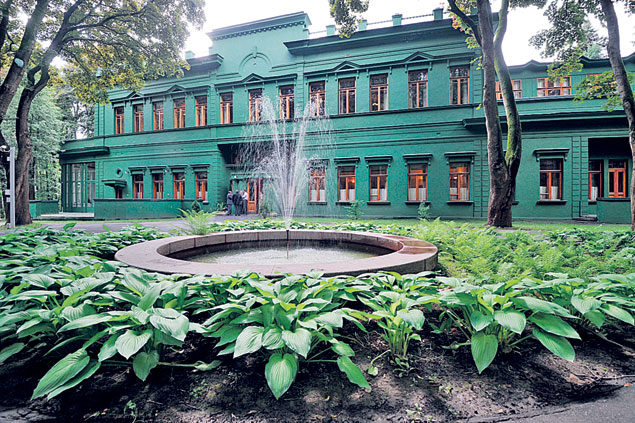
The most famous of Stalin’s dachas is, of course, the Near Dacha in Kuntsevo, near the village of Volynskoye. The General Secretary lived here from 1934 to 1953 and spent most of his time there. Originally, the Near Dacha did not differ in particular luxury – it was a comfortable but modestly arranged one-story wooden house with seven rooms. However, in May 1938 (when most of the opposition had already been purged), the dacha was rebuilt – it became a brick building, and by that time certain conveniences had already appeared: a power station, a bathhouse with a billiard room, a service house, a storage building with a cellar, a greenhouse with a boiler room, and a pond2.
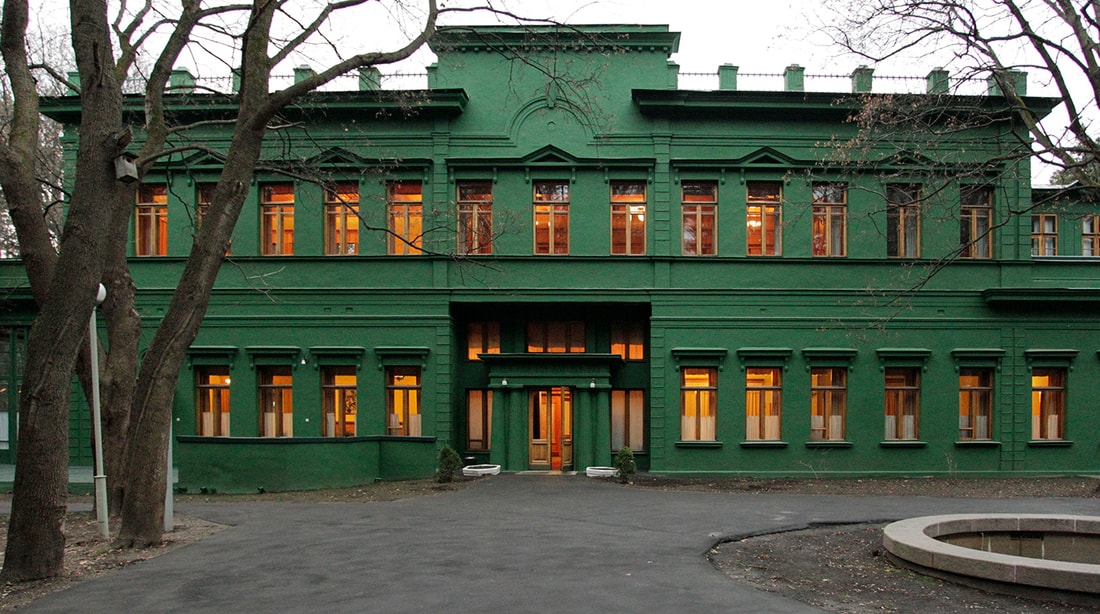
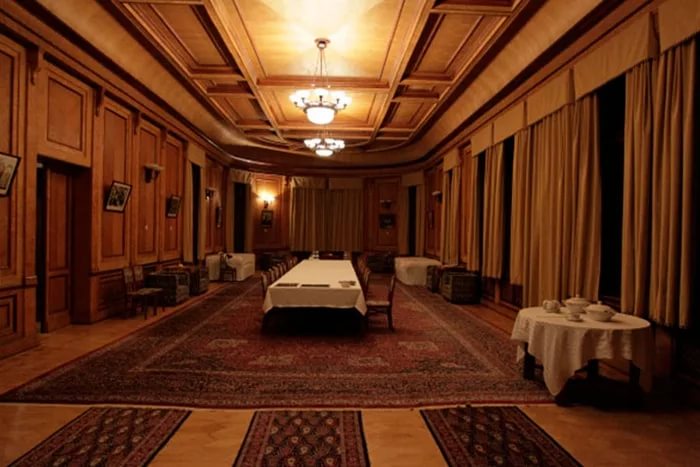
The Near Dacha was later rebuilt multiple times with the active participation of its owner. The resulting enormous house represented a mixture of official austerity and pomp. The second floor, to which an elevator was installed, was rarely used. Stalin’s dacha was surrounded by a large park of about twenty hectares. Stalin personally took part in landscaping the park and organizing the estate. According to his plan, a greenhouse for citrus fruits was built. Under Stalin’s supervision, a vineyard was planted, watermelons were grown, and fish were bred in the pond. The estate included horses, cows, chickens, ducks, and a small apiary3. Doctor of Historical Sciences Oleg Khlevniuk cites some of the numerous orders issued by Stalin and recorded by the head of the dacha household department, Lieutenant Colonel P.V. Lozgachev:
April 7, 1950: a) watermelons and melons should be planted in boxes starting from May 10; b) pruning of watermelon and melon vines should be carried out in mid-July […] April 20: […] spruce trees should be thinned along the path from the kitchen to the pond […] Corn should be planted every half meter near the main house and between the apple trees along the pond, closer to the gazebo. Beans should be planted there as well […] Along the edges of the vegetable gardens, eggplants, corn, tomatoes, etc. should be planted.4
According to the pro-Stalin biographer Sviatoslav Rybas, “throughout his entire life in Volynskoye, 60–70 thousand trees were planted: apple trees, cherries, grapes, mulberry, lindens, birches, maples, pines, spruces, jasmine, viburnum, gooseberries, rose hips”5. Let us recall that we are speaking about the chief ideologue of the “liquidation of the kulaks as a class”6, whose policies led many peasants — who did not have greenhouses for citrus fruits or small apiaries — to be sentenced to execution, imprisonment in camps, or exile to northern regions. They were considered “capitalist elements of the countryside”, in contrast to the owner of numerous dachas and limousines.
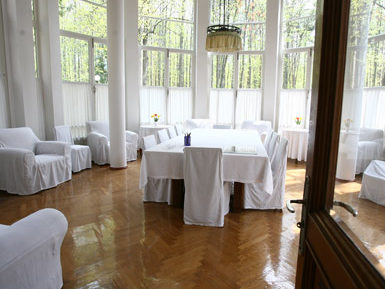
Zubalovo
However, this was not Stalin’s first dacha. As early as the late 1910s and early 1920s, the key figures of the Bolshevik Party received apartments in the Kremlin and dachas outside the city. At that time, the number of dachas was still limited to one, and they usually lived there together with large families. Nevertheless, the very precedent of providing officials with real estate at state expense became the seed from which later rampant corruption grew. This was one of those fatal mistakes of the Bolsheviks that we analyzed in this article.
In 1919, Stalin was assigned the house of the former Baku oil industrialist Zubalov, in whose fields in Baku the future General Secretary had gained revolutionary experience. It was an abandoned red-brick house with Gothic turrets, surrounded by a two-meter brick wall. The dacha had two floors; Stalin’s office and bedroom were located on the second floor. On the first floor there were two more bedrooms, a dining room, and a large veranda. About thirty meters from the house stood a service building containing a kitchen, garage, and security quarters. A covered gallery connected it to the main building. Nearby were the dachas of Mikoyan, Voroshilov, and Shaposhnikov. In addition to Stalin’s family, the elder Alliluyevs and their children also lived in the house. Entertainment in the house included a billiard table and a mechanical piano with a large collection of classical music.7
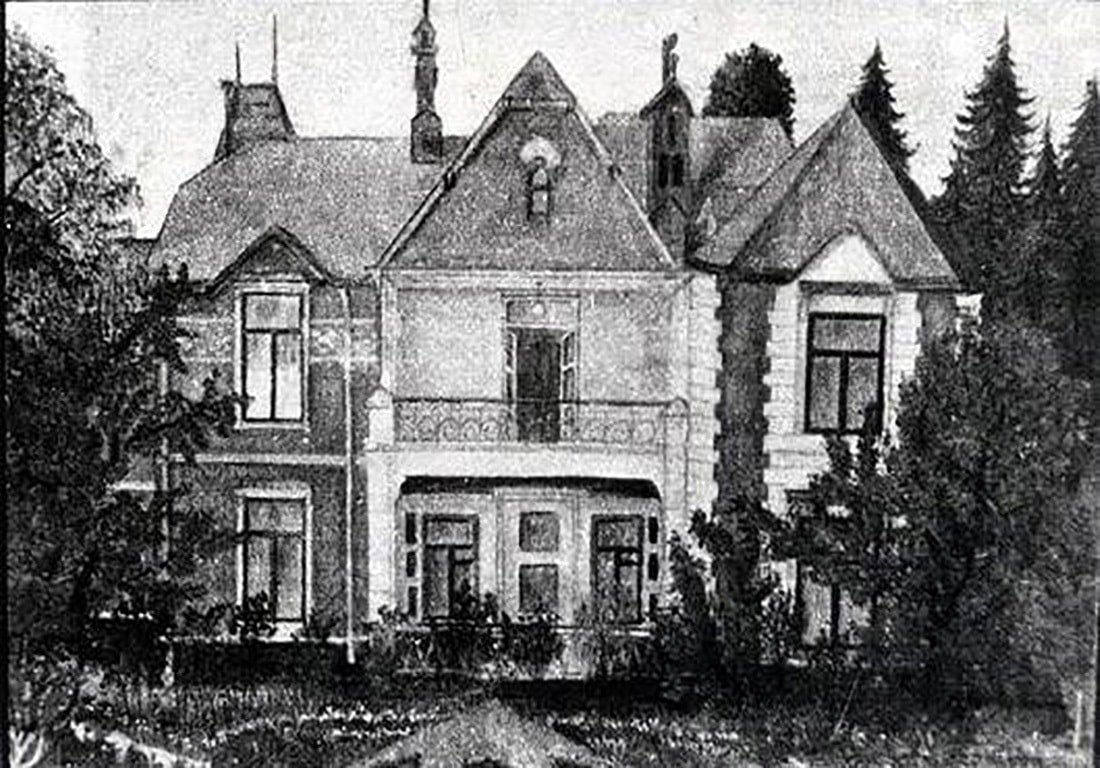
The old house was blown up as the Germans were approaching, although they never actually reached it. However, a new one was quickly rebuilt for the leader, “with a half-cut tower and reduced terraces”8.
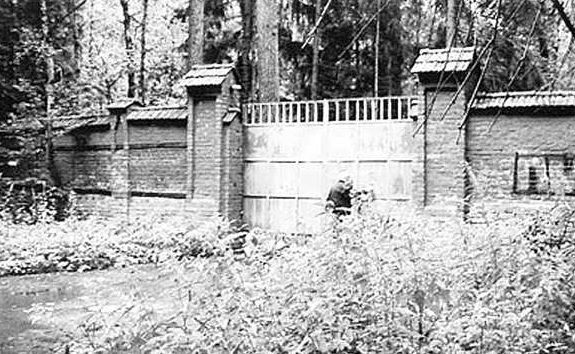
Far Dacha
In total, Stalin had four dachas near Moscow. One of the best known was the so-called “Far Dacha”, also known as “Semyonovskoye”. It was created on the site of the English park of the “Otrada” estate, once belonging to Catherine II’s favorite, Count Orlov-Davydov. According to the History of Russia portal, “during Stalin’s time, Semyonovskoye experienced its renaissance, and possibly even its peak: the grounds contained a pheasantry, a bear enclosure, greenhouses, a cherry orchard, and even a plantation of a special variety of watermelon that could ripen in the climate conditions of the Moscow region”9. Stalin did not visit this dacha very often, but it nonetheless contained four bedrooms just in case.
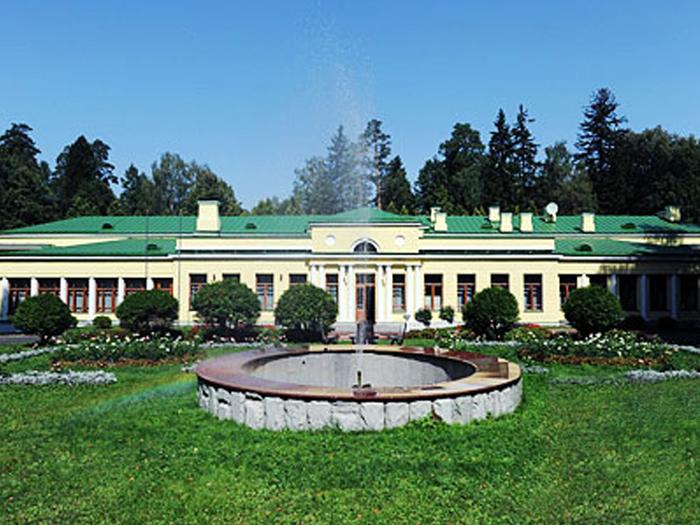
According to the Great Russian Encyclopedia, in the early 1920s a museum of estate life was located in Semyonovskoye. In 1937–1939, a dacha for Stalin was built here, and today one of the FSB sanatoriums of Russia is located on the territory of the former estate10.
Lipki
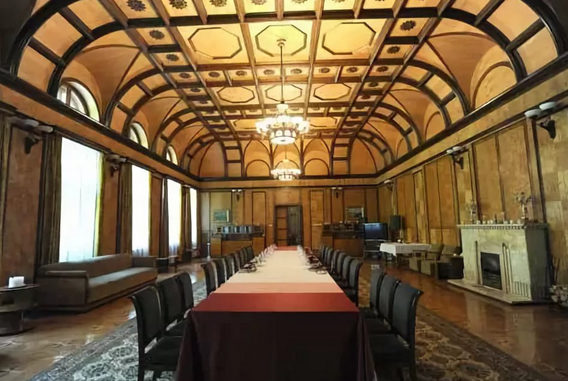
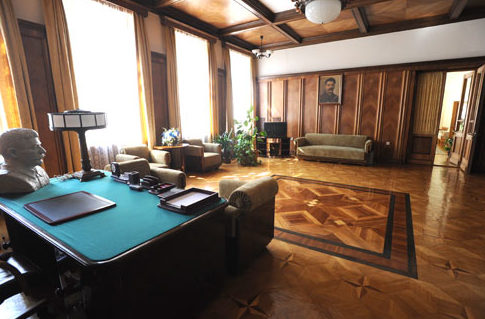
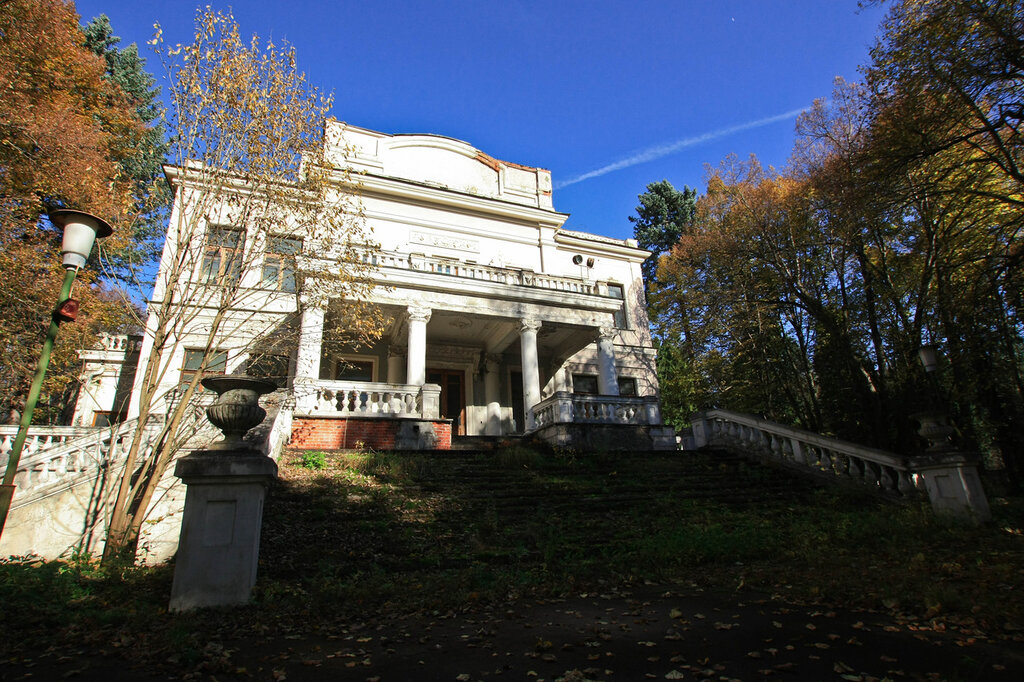
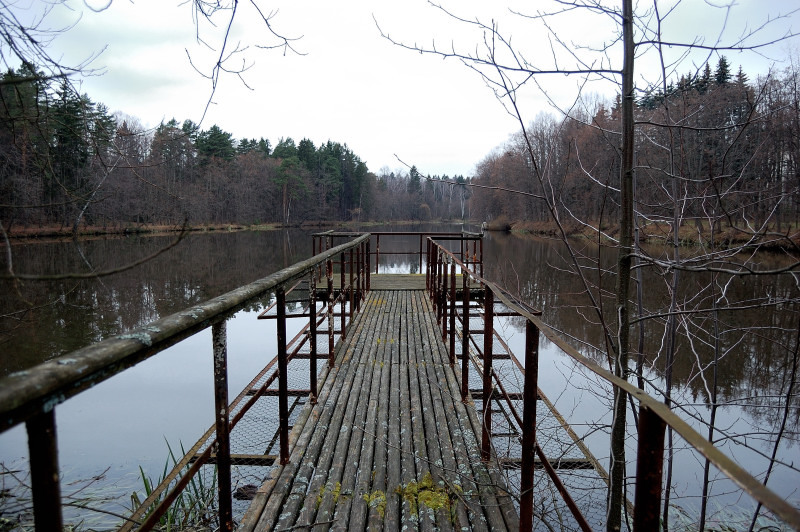
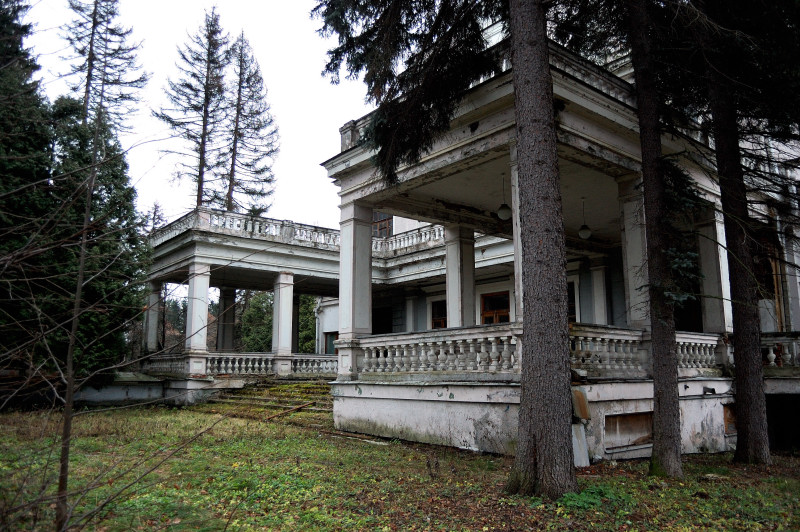
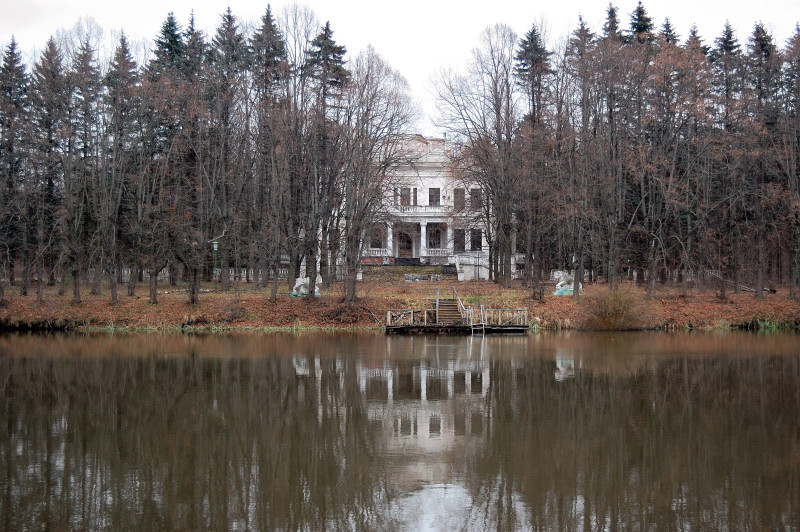
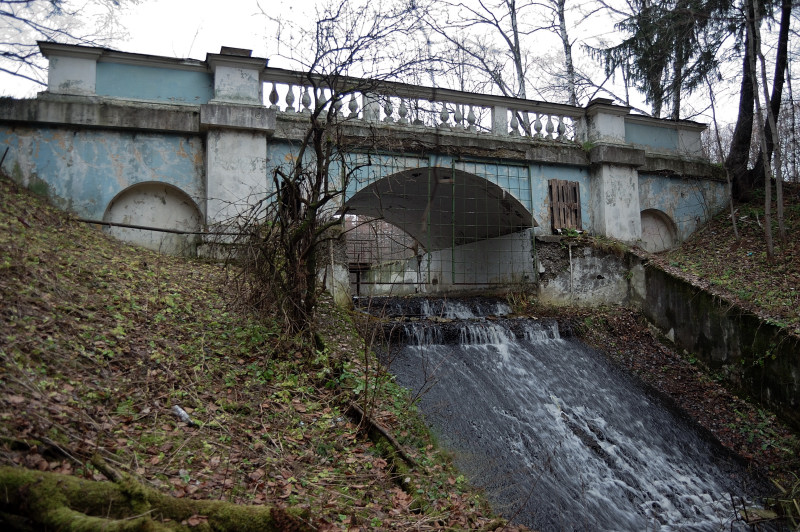
We now turn to the last of the known dachas in the Moscow region belonging to Stalin – the Lipki estate. Some sources also refer to it as the “Far Dacha”, since information about the General Secretary’s dachas used to be classified, which created some confusion. Doctor of Historical Sciences Boris Ilyzarov reports that this was an old noble estate located at the 200th kilometer of the Dmitrov highway11. It also had a pond and a vast park with centuries-old linden trees12. Svetlana Alliluyeva quoted excerpts from her father’s letters to her; among them we can see, in a letter dated July 7, 1938:
Hello, my little hostess! I received your letter. Thank you! I am well, I am living well. Vasya had a sore throat, but he is now healthy. Will I go south? I would go, but I do not dare to move without your order. I often go to Lipki. It is hot here. How is it in Crimea with you? Kisses my little sparrow13.

At Lake Ritsa
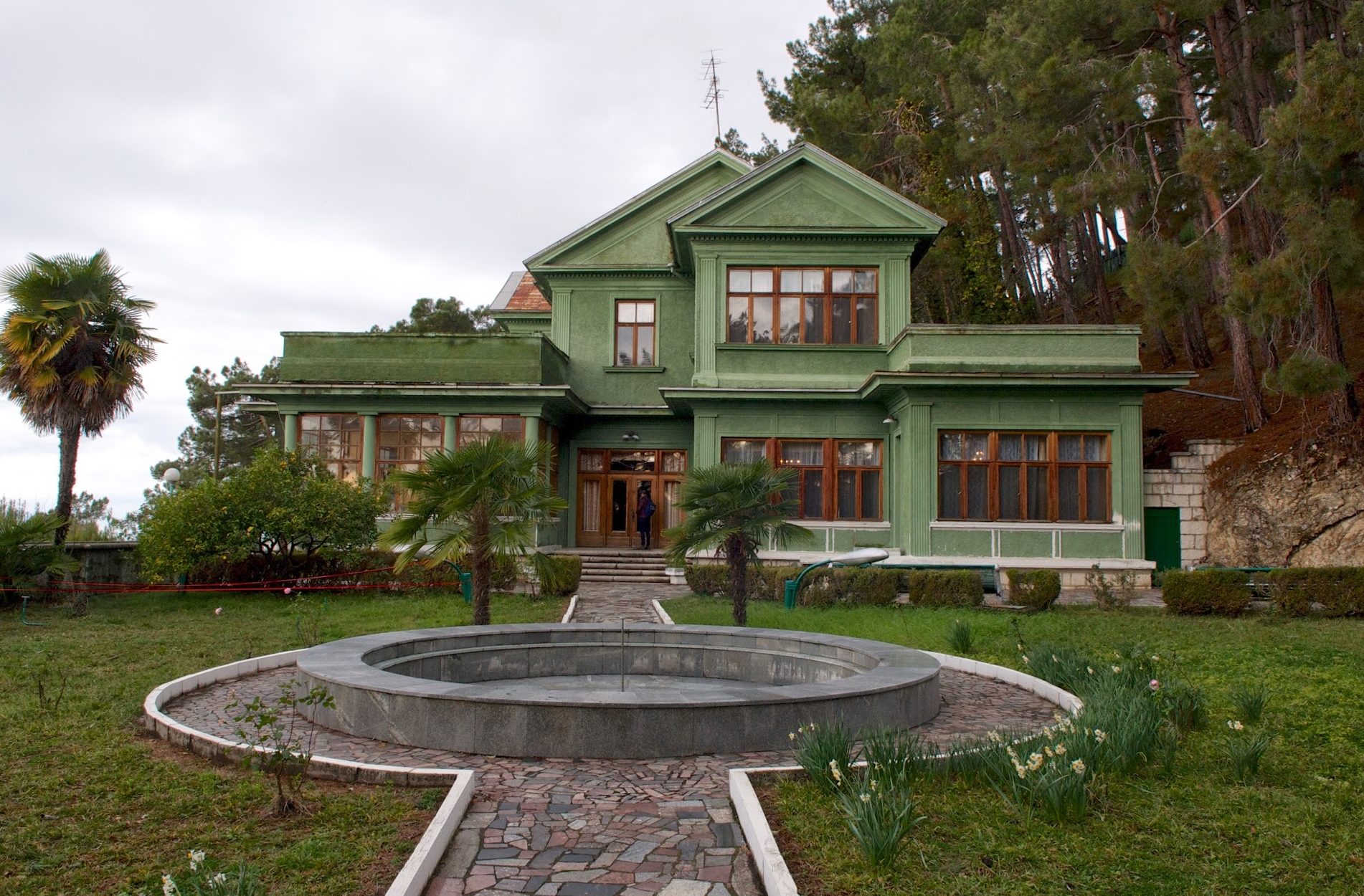
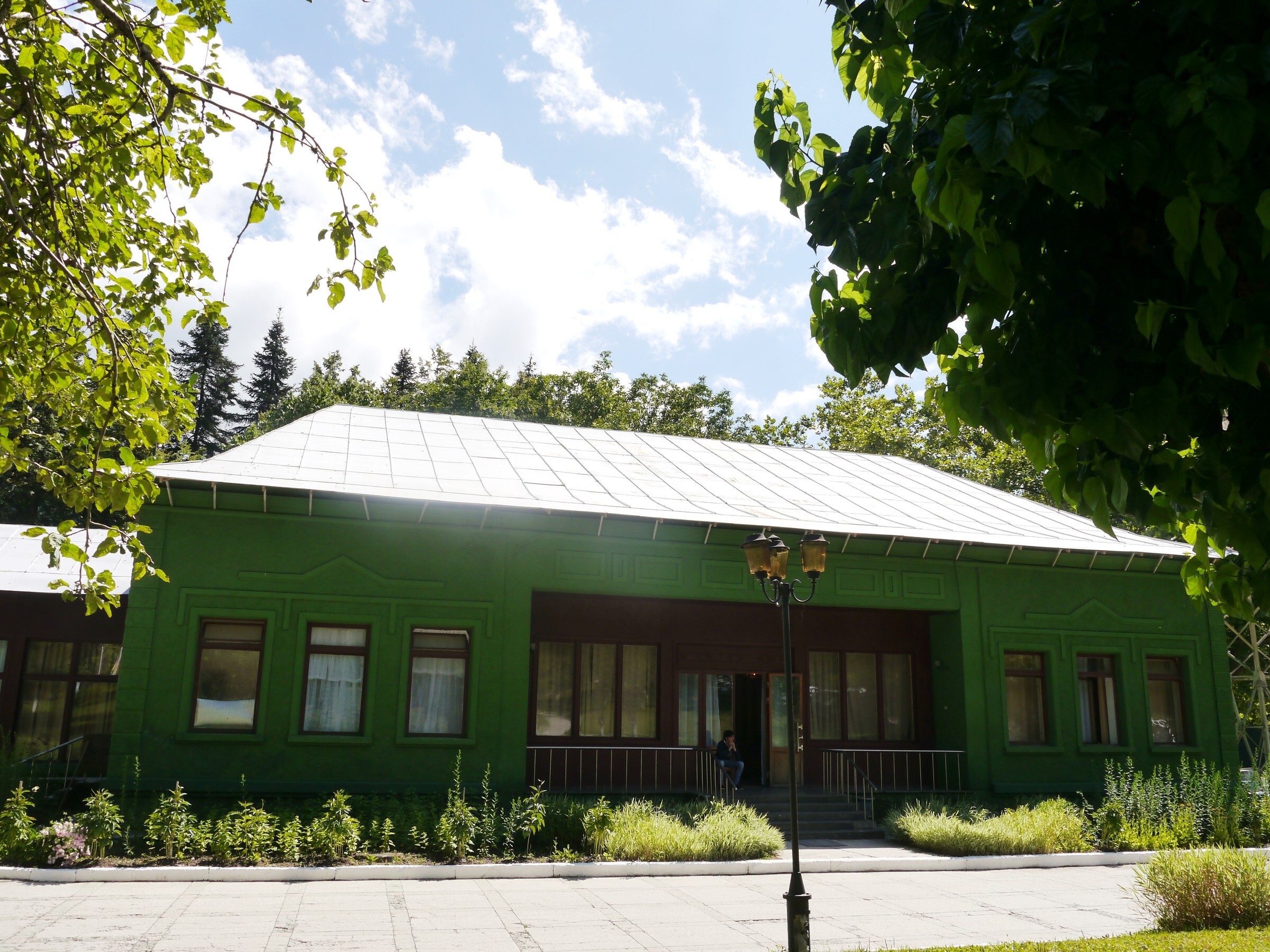
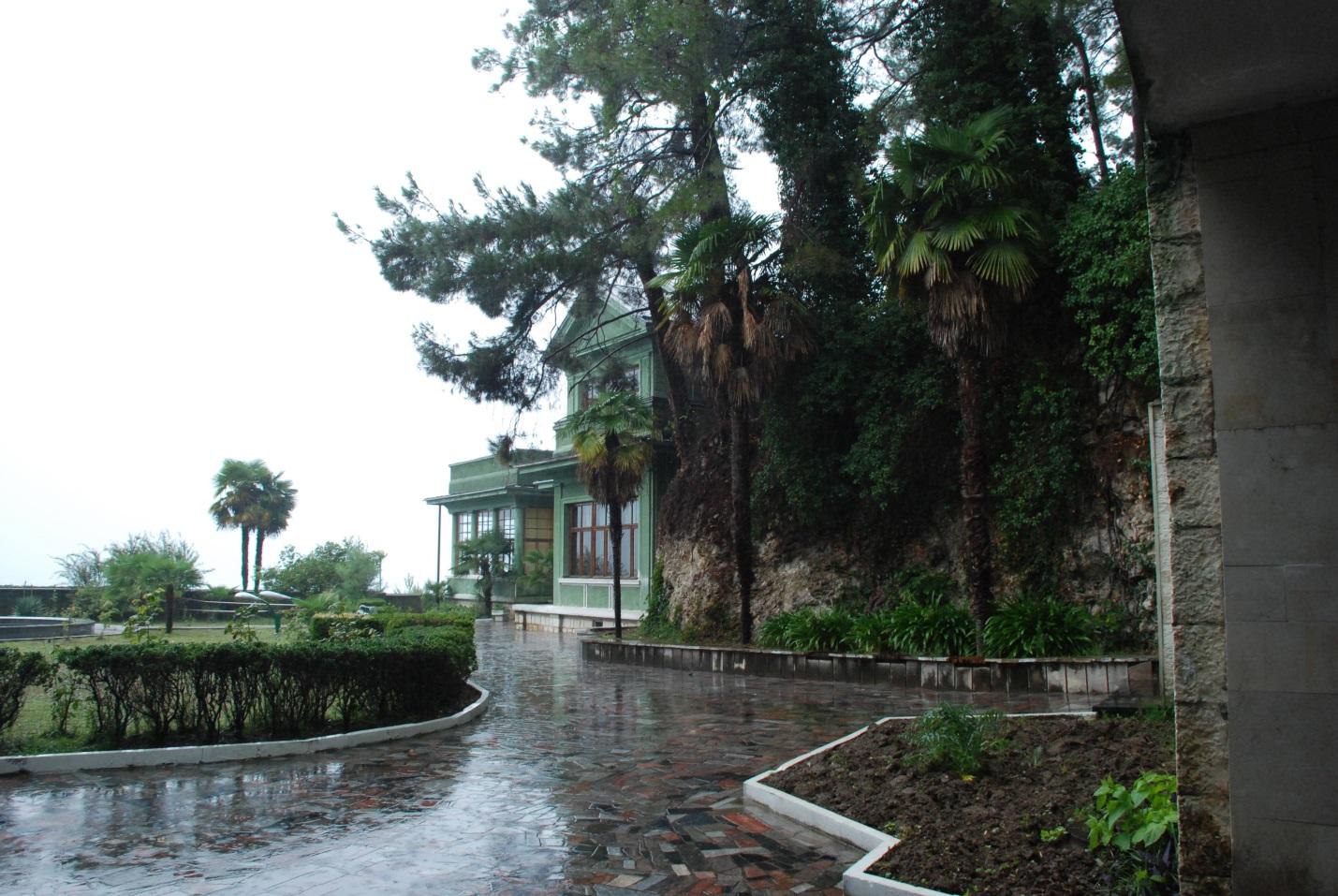
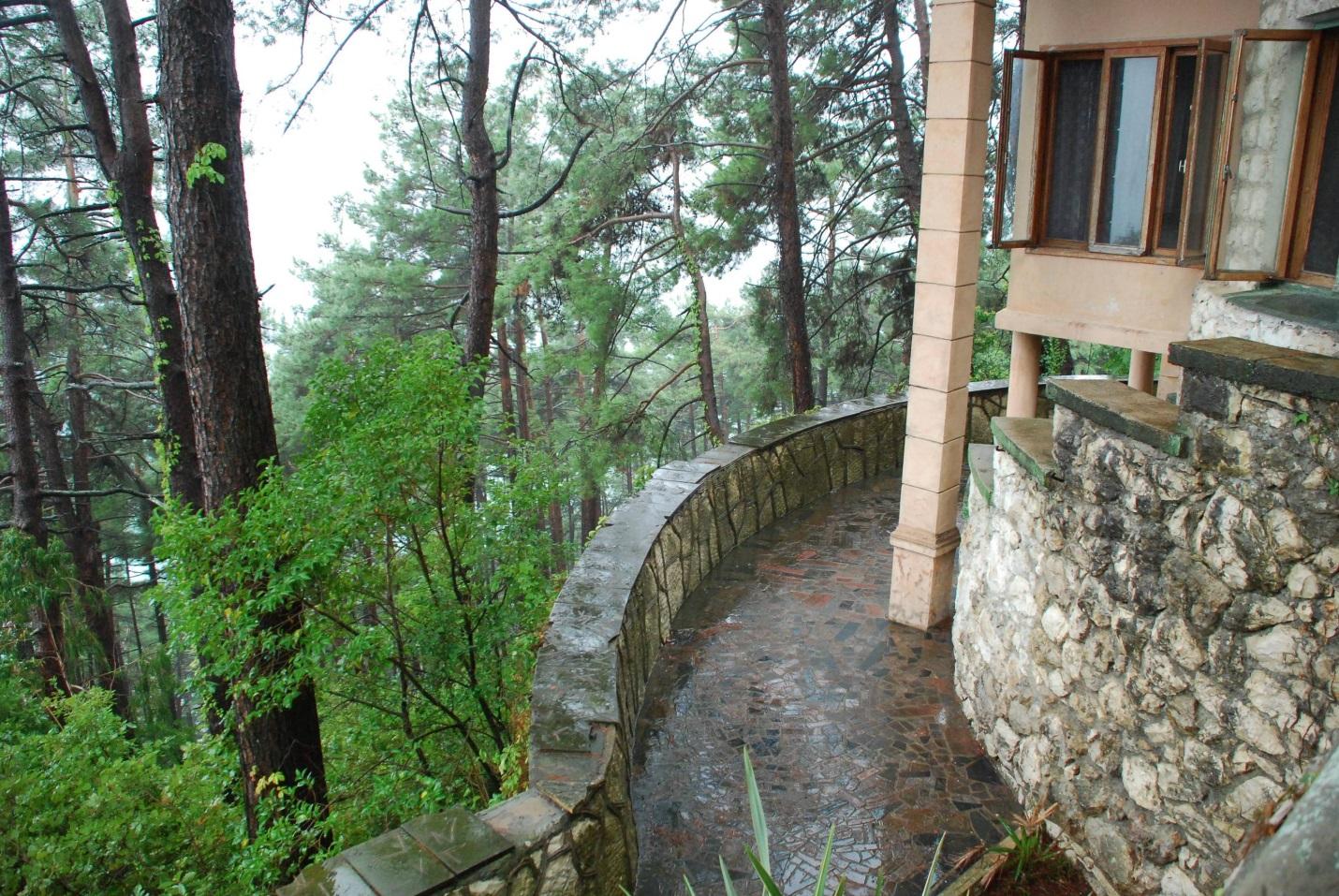
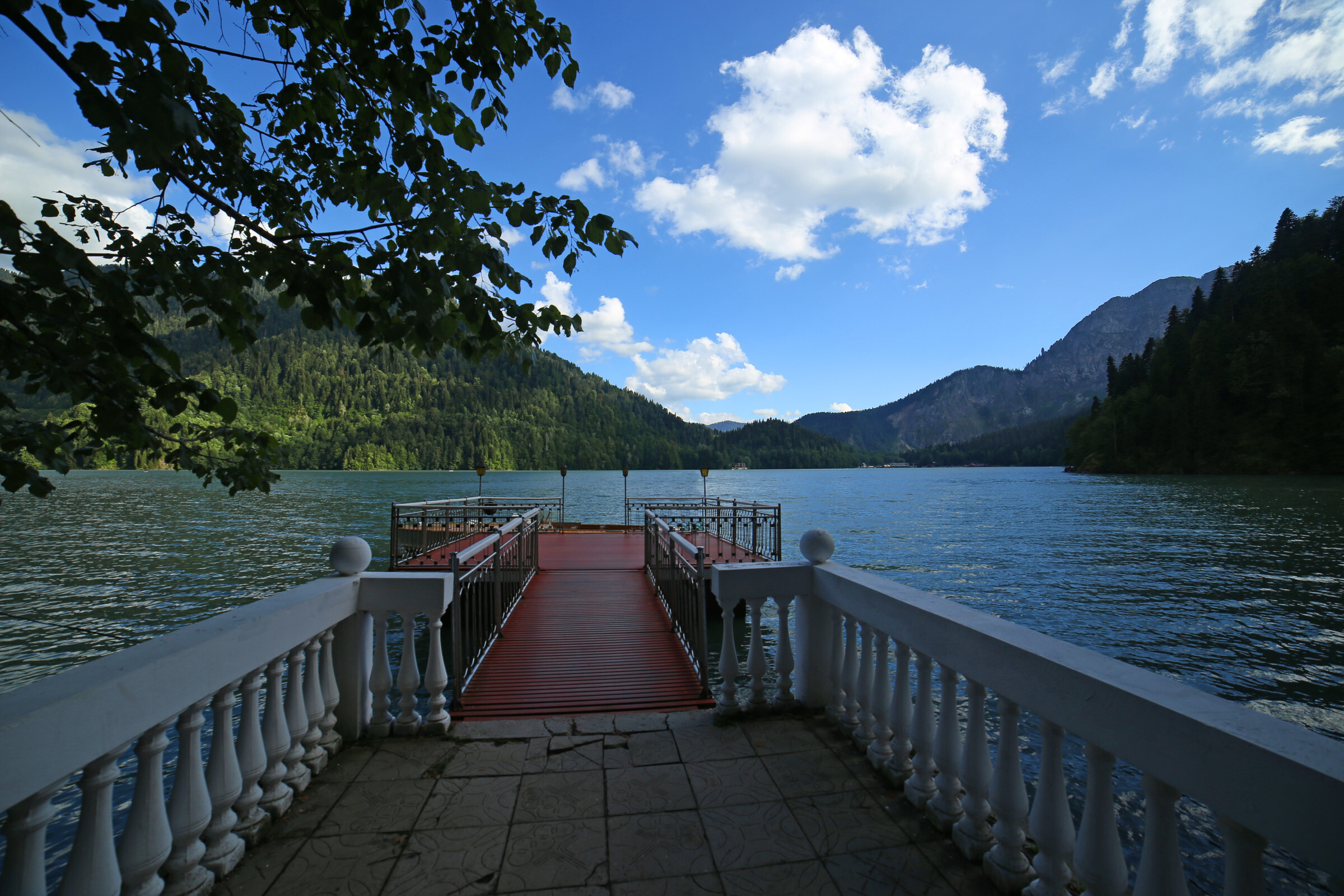
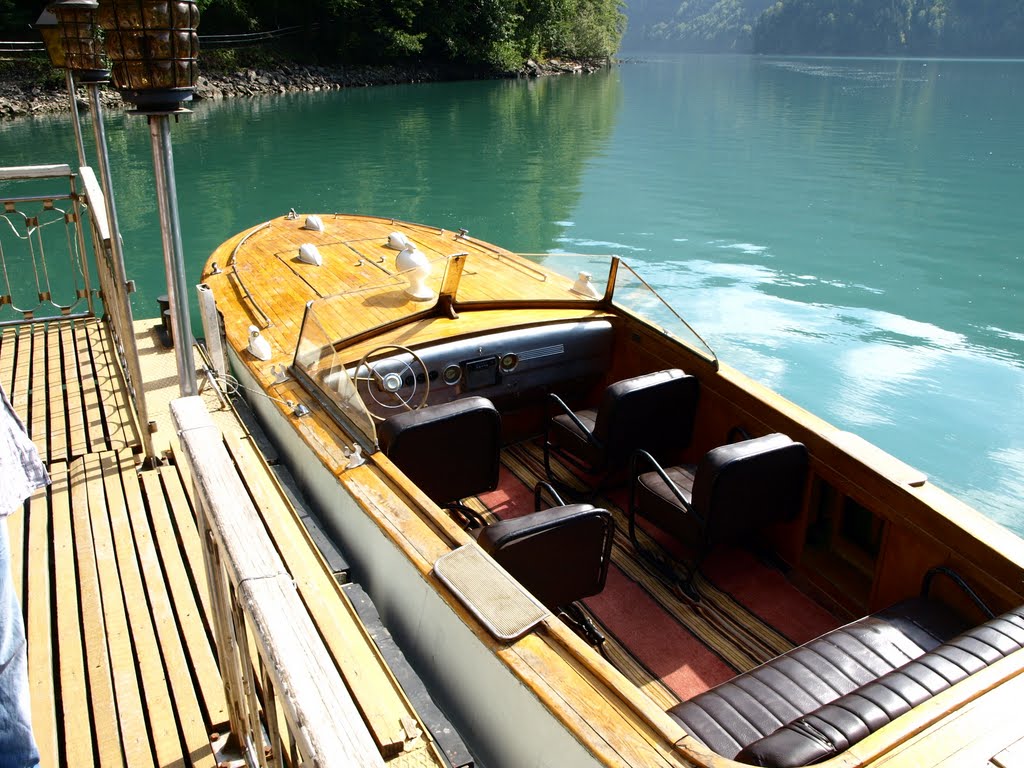
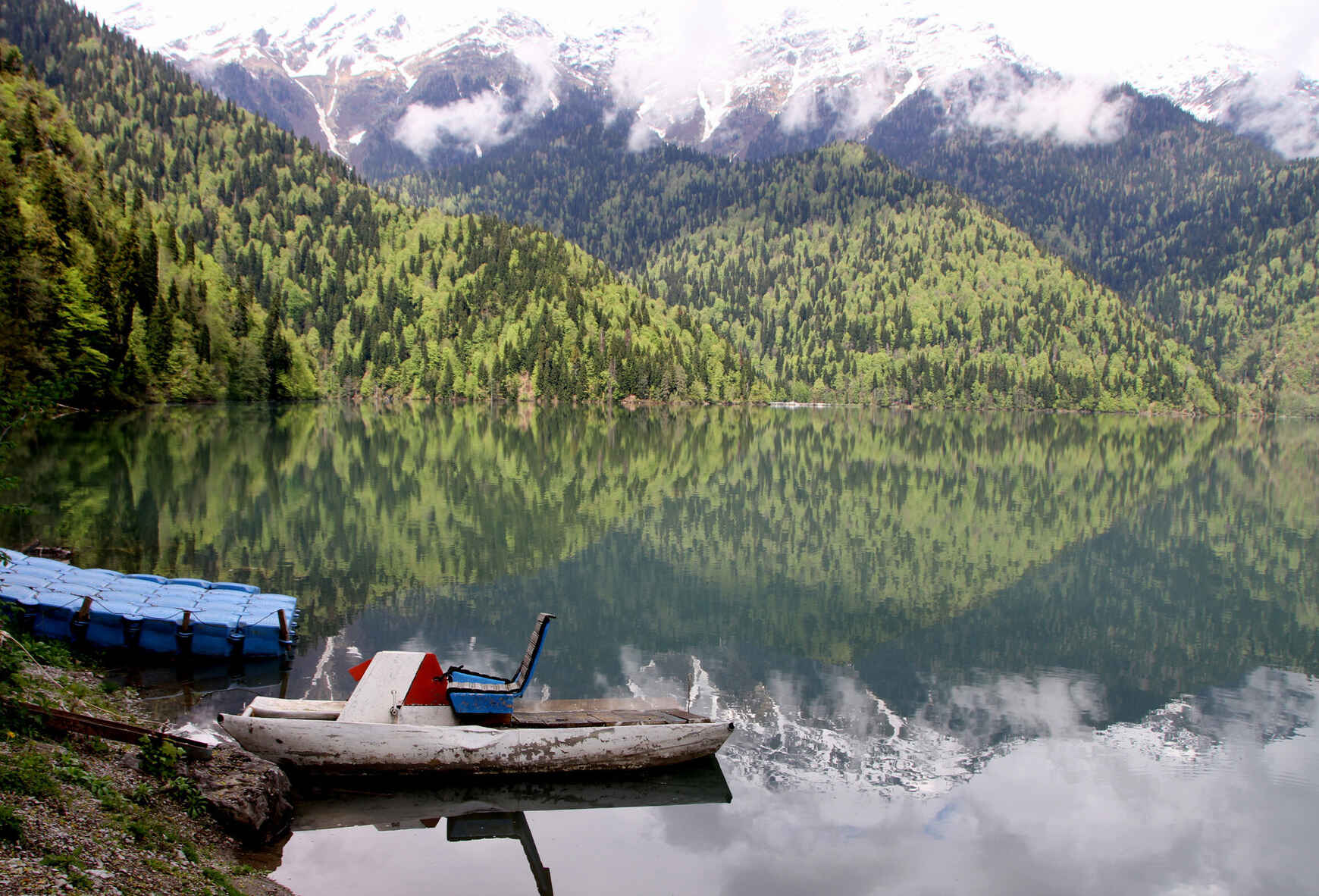
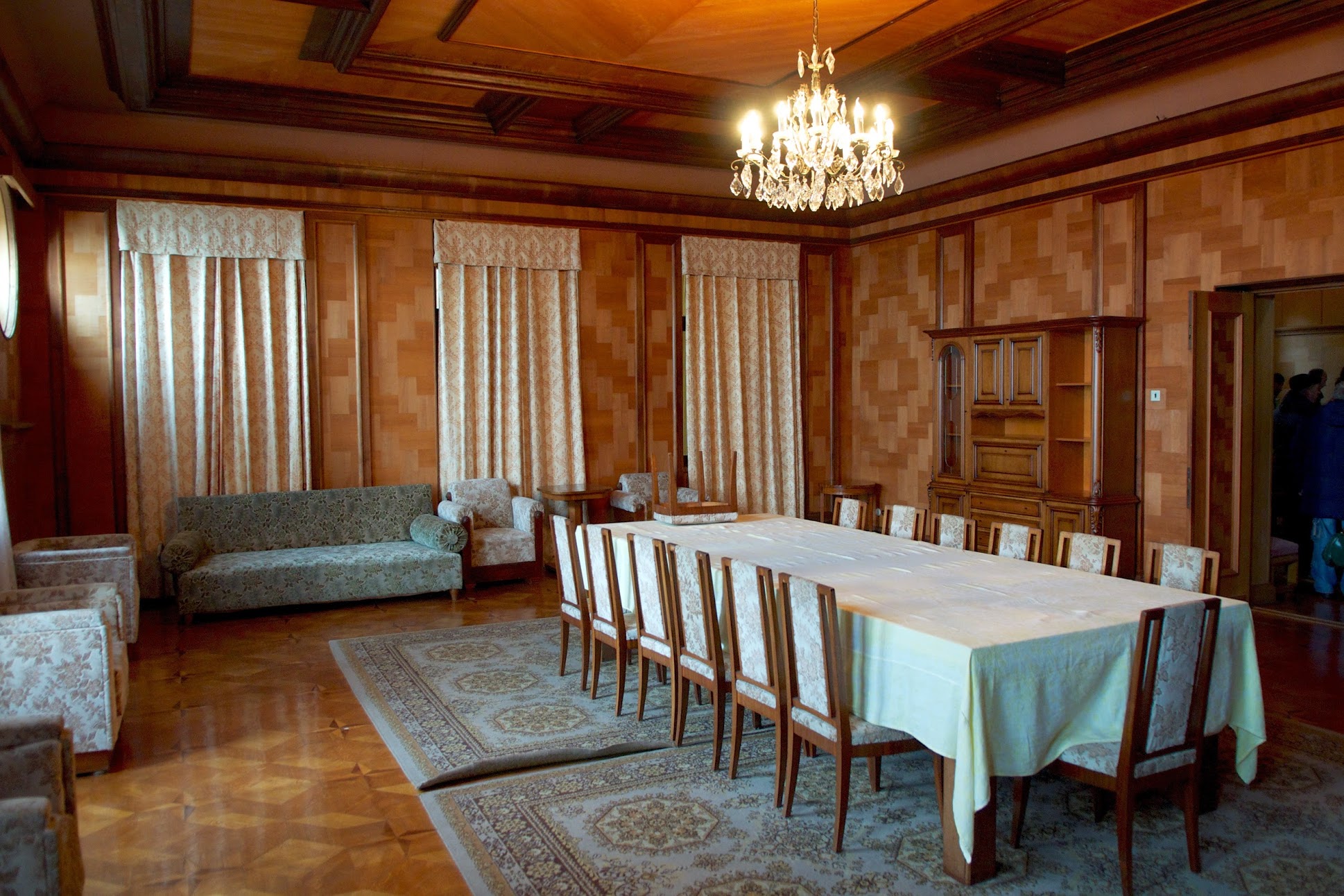
One of the most picturesque of Stalin’s dachas, resembling the Alpine villas of Swiss bankers, was the dacha at Lake Ritsa. Historians have even managed to uncover in the archives a “note on commissioning a state dacha in the Lake Ritsa area” dated August 4, 1948, marked “secret”14, addressed to “Comrade L.P. Beria”. It is appropriate to reproduce it in full so that the reader can understand how this dacha was equipped:
In accordance with Order of the Council of Ministers of the USSR No. 14209rs of September 30, 1947, the USSR Ministry of Internal Affairs reports on the completion of construction works in the Lake Ritsa area and the commissioning of the facilities.
At State Dacha No. 11, located in the Lashipse River valley, the following have been constructed:
Main House No. 2, with a volume of 15,000 cubic meters, with interior finishing carried out using valuable wood species.
A floating veranda, with a volume of 800 cubic meters, connected to the shore by a footbridge.
A boiler house, with a volume of 411 cubic meters, in which 6 electric boilers have been installed, each with a capacity of 40,000 calories per hour.
A heating tunnel from the boiler house to House No. 2, 196.5 meters in length, with a cross-section of 1 × 1.6 meters.
A refrigeration facility with a volume of 650 cubic meters, containing three cold-storage chambers.
In the machine room of the refrigeration facility, 2 ammonia compressors have been installed, each with a cooling capacity of 10,000 standard calories per hour.
An underground pumping station with an intake chamber and two pumps.
External utilities for heating, hot and cold water supply, sewage, and electricity supply, in an amount sufficient for the normal operation of the constructed facilities.
Within the park area (9.3 hectares), forest was cleared and stumps uprooted. On the developed territory, 4,600 young trees, 1,200 shrubs, and 40,000 flowers of various species were planted.
Fountains were built in the park and flowerbeds laid out. The territory is illuminated by electric lighting and equipped with an irrigation water supply system.
Asphalt roads were constructed leading to the main house and Hydroelectric Station No. 2.
All the listed constructions, completed, were accepted for operation under an acceptance certificate by the commission of the USSR Ministry of State Security and the USSR Ministry of Internal Affairs, with the work assessed as “good” and “excellent”.
Deputy Minister of Internal Affairs of the USSR I. Serov15.
There is also a similar note addressed “to Comrade Stalin” dated June 9, 194816, as well as a memorandum by S.N. Kruglov “On the construction of a road around Lake Ritsa” dated September 17, 1949, according to which the total cost of the road alone amounted to 16.5 million rubles17. In 2010, the Georgian TV channel “Rustavi-2” reported that Oleg Deripaska had purchased Stalin’s dacha at Lake Ritsa for 10 million US dollars18.


Swallow’s Nest
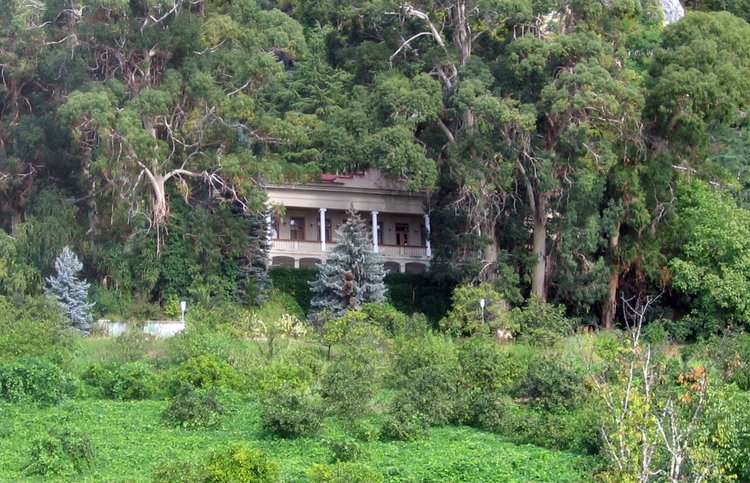
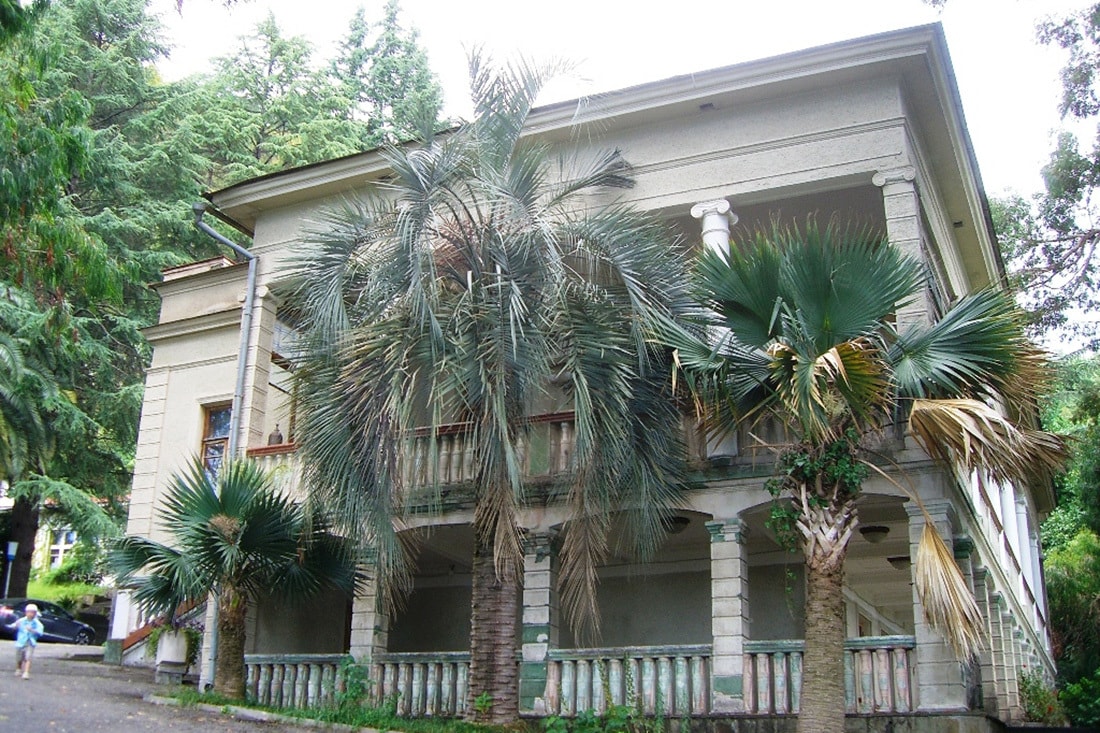
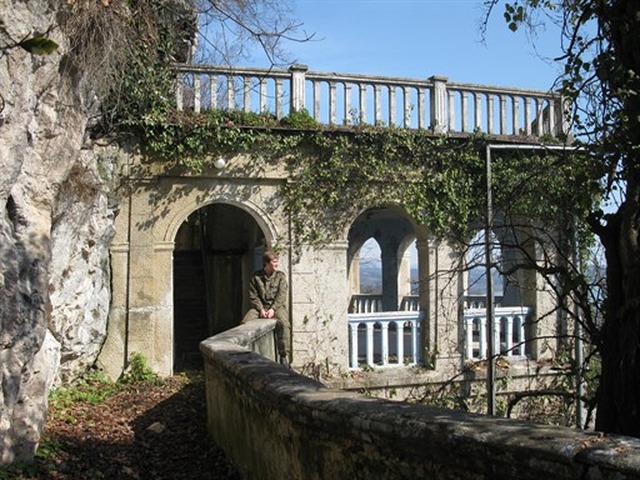
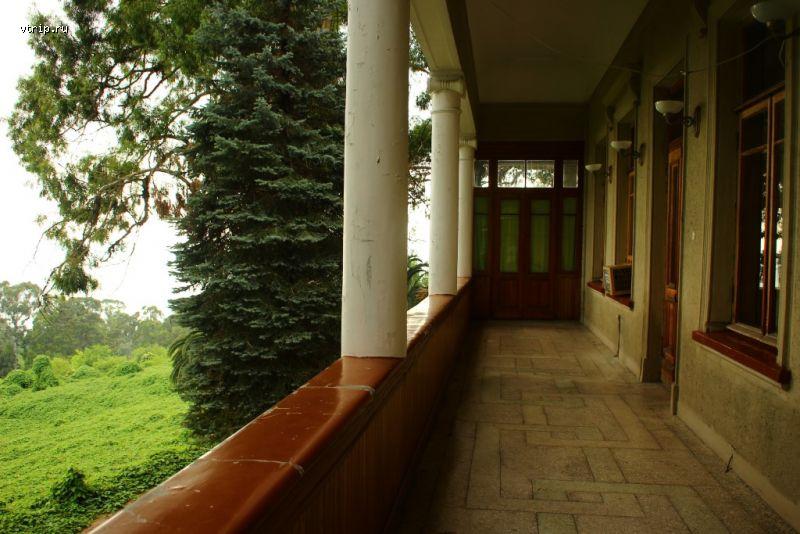
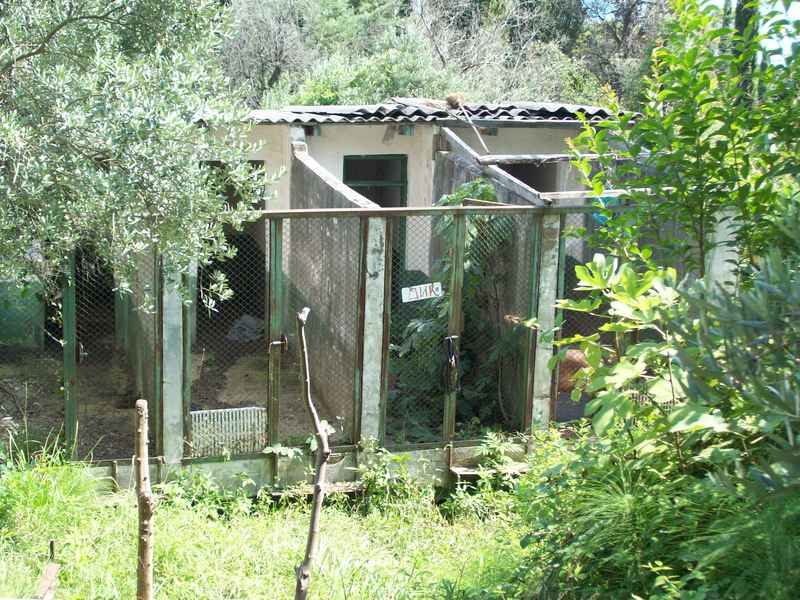
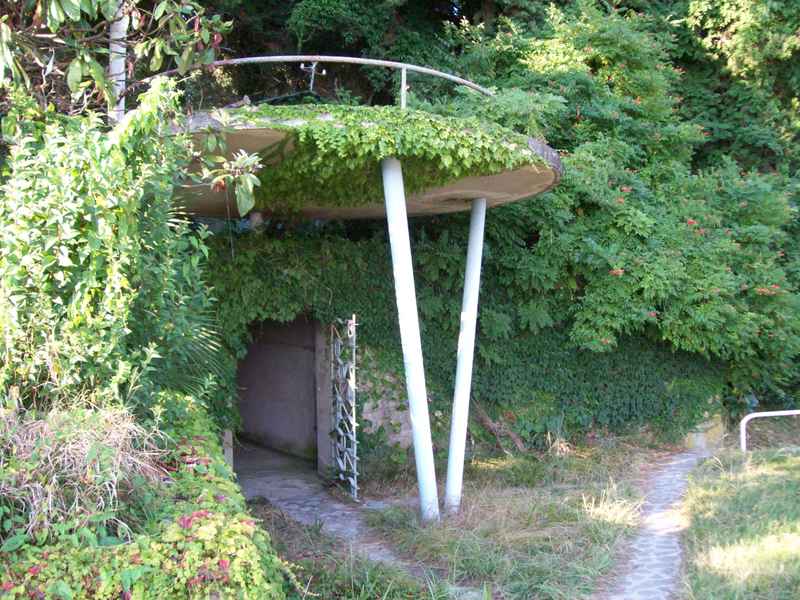
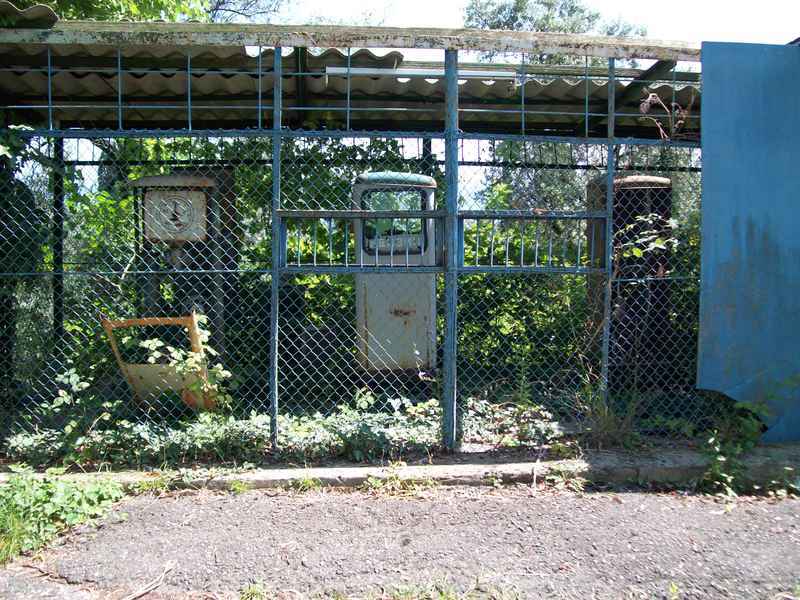
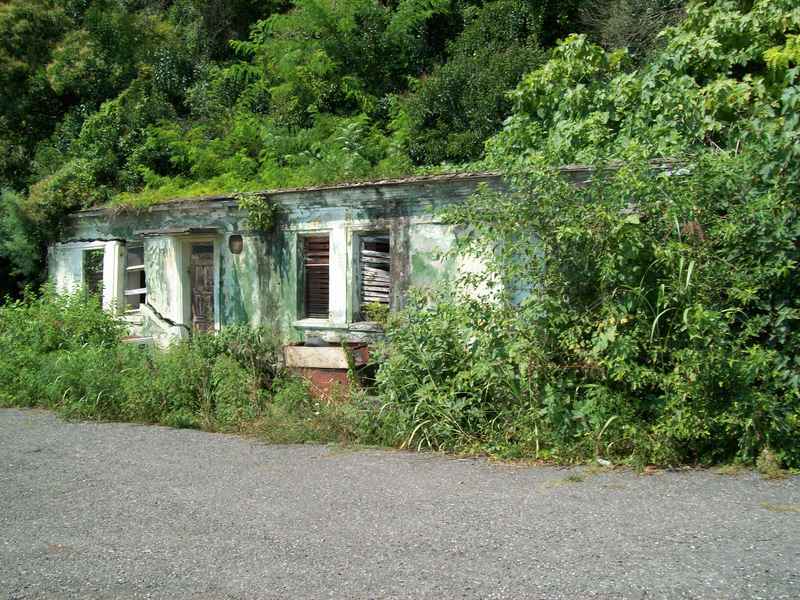
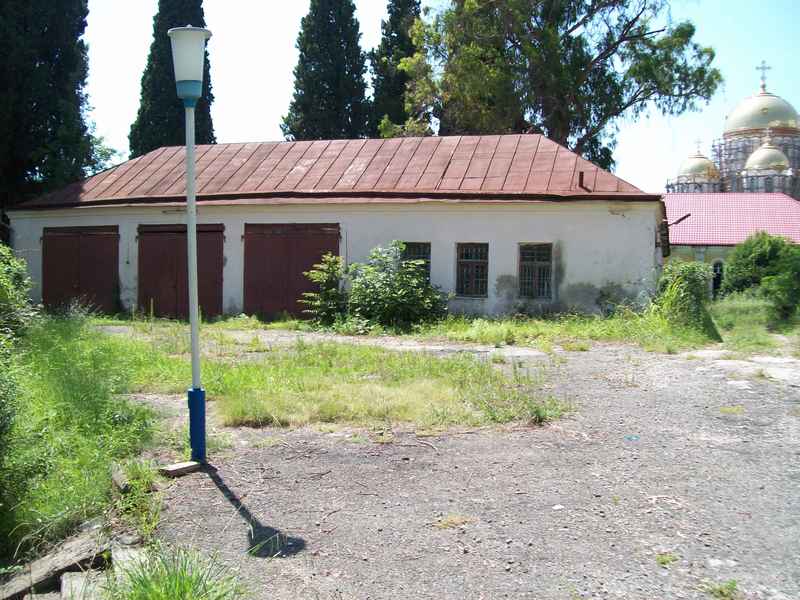
Stalin’s dacha in New Athos, also known as Facility No. 8 “Swallow’s Nest”, was conceptually close to Adolf Hitler’s “Eagle’s Nest” in the Bavarian Alps – a small house on a mountain peak with a magnificent view. It was built in 1948 near the New Athos Monastery and was located at an altitude of 437 meters above sea level.

At the dacha there were two-tier observation platforms (one above the other): a small one for the guards and a larger one with a rotunda and pavilion for Stalin himself, where he would sit for long periods on autumn evenings in November, wrapped in an overcoat19. According to Sputnik-Abkhazia, the dacha was designed in such a way that it could not be seen either from the mountains or from the sea, and officers of the Main Directorate of Protection of the MGB signed non-disclosure agreements and were not allowed to reveal state secrets20. Therefore, very little information has been preserved about many of Stalin’s dachas.


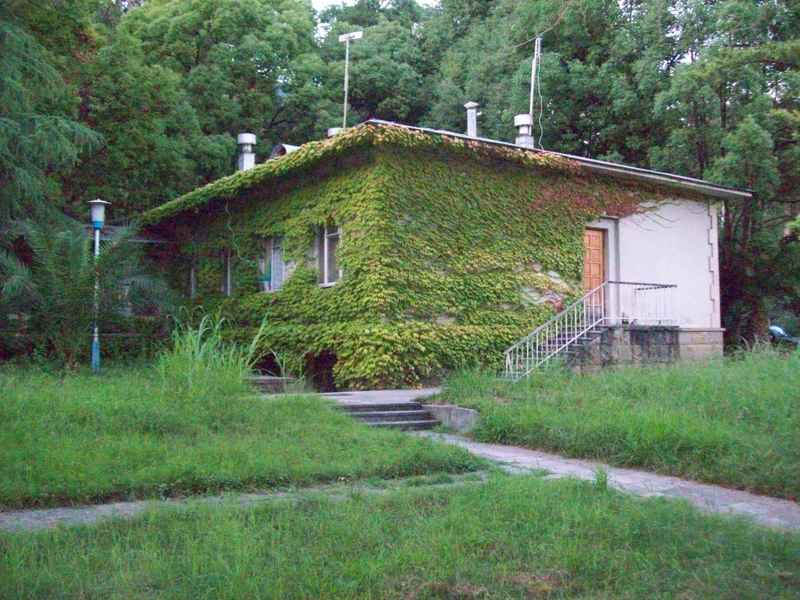
Massandra palace
After the war, three Crimean palaces in which government delegations of the Allied powers had stayed in 1945 were “preserved” as nomenklatura dachas. These were the Livadia Palace (formerly imperial, where in the early 1920s a sanatorium for peasants was opened), the Vorontsov Palace in Alupka (which housed a museum before the war), and the Yusupov Palace in Koreiz (which will be discussed later).
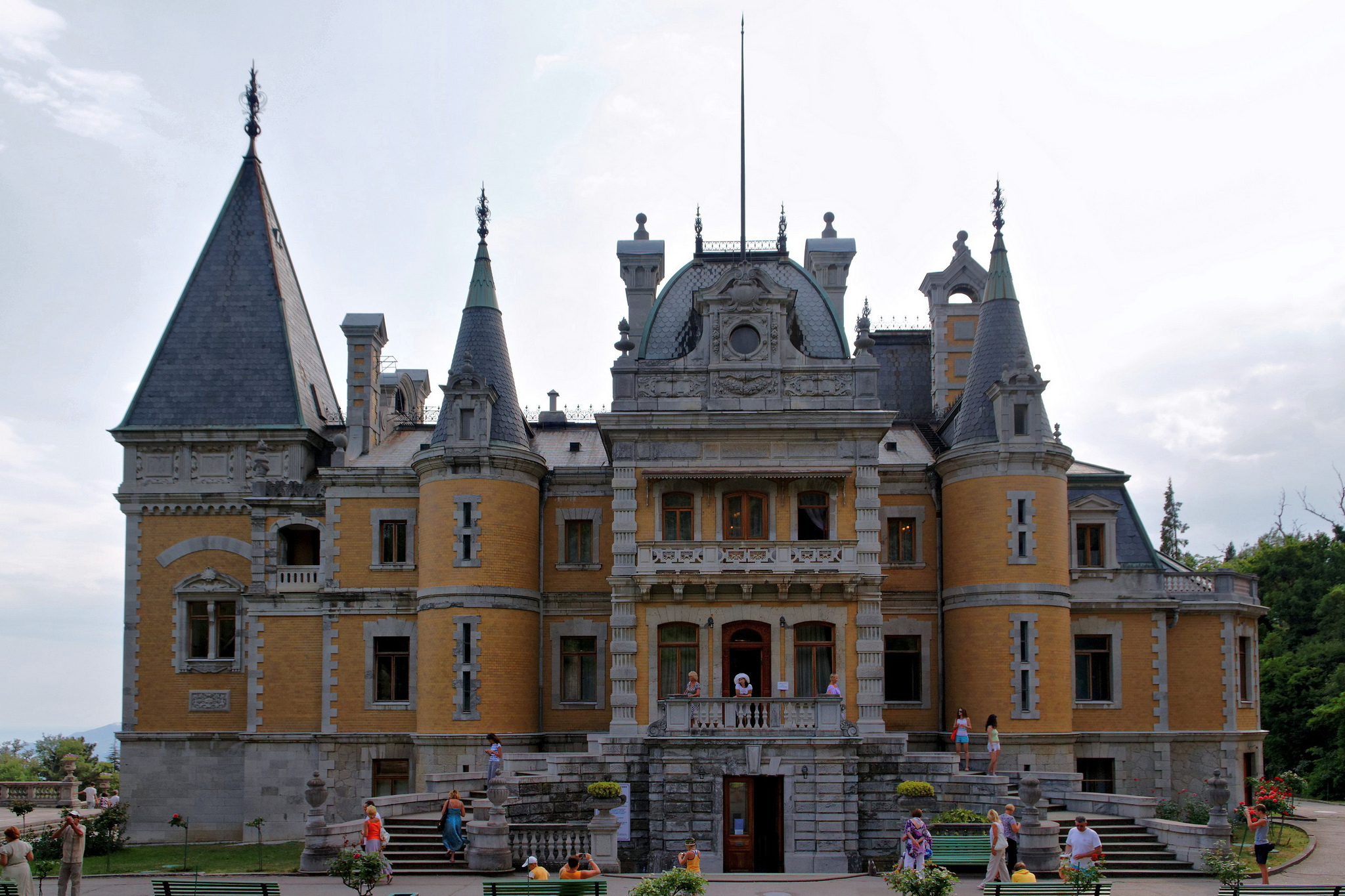
Another former imperial palace — the Massandra Palace (Alexander III) — was also turned into a “state dacha”. Formally, it was considered a place where all members of the Politburo could rest, but in practice, apart from Stalin and occasionally Zhdanov and Molotov, no one else used these palaces. Nevertheless, each dacha was staffed year-round with a large number of servants, and everything was maintained as if the General Secretary were permanently present there. Even Stalin’s meals and those of his possible guests were prepared daily and formally recorded in acceptance documents, regardless of whether anyone would actually eat them21. After 1917, a tuberculosis sanatorium “Proletarian Health” was located here22, however after the war it was, as we can see, not the proletariat who improved their health in this building — the territory became closed to outsiders. Today the palace is under the administrative management of the Presidential Property Management Department of the Russian Federation23.

New Matsesta
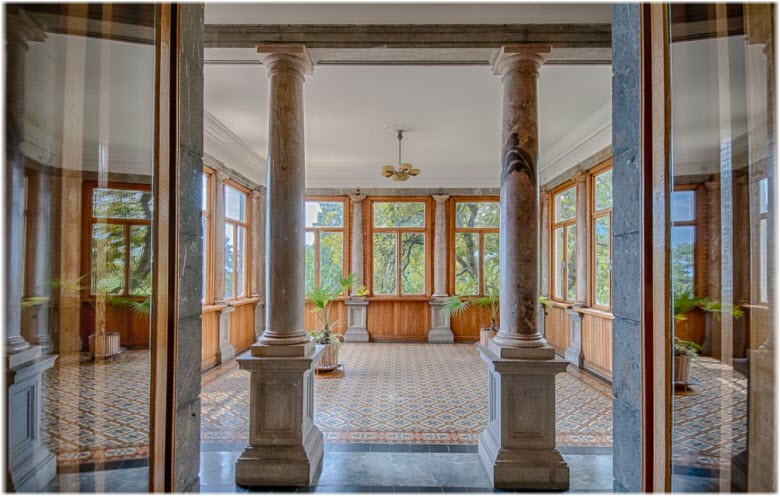
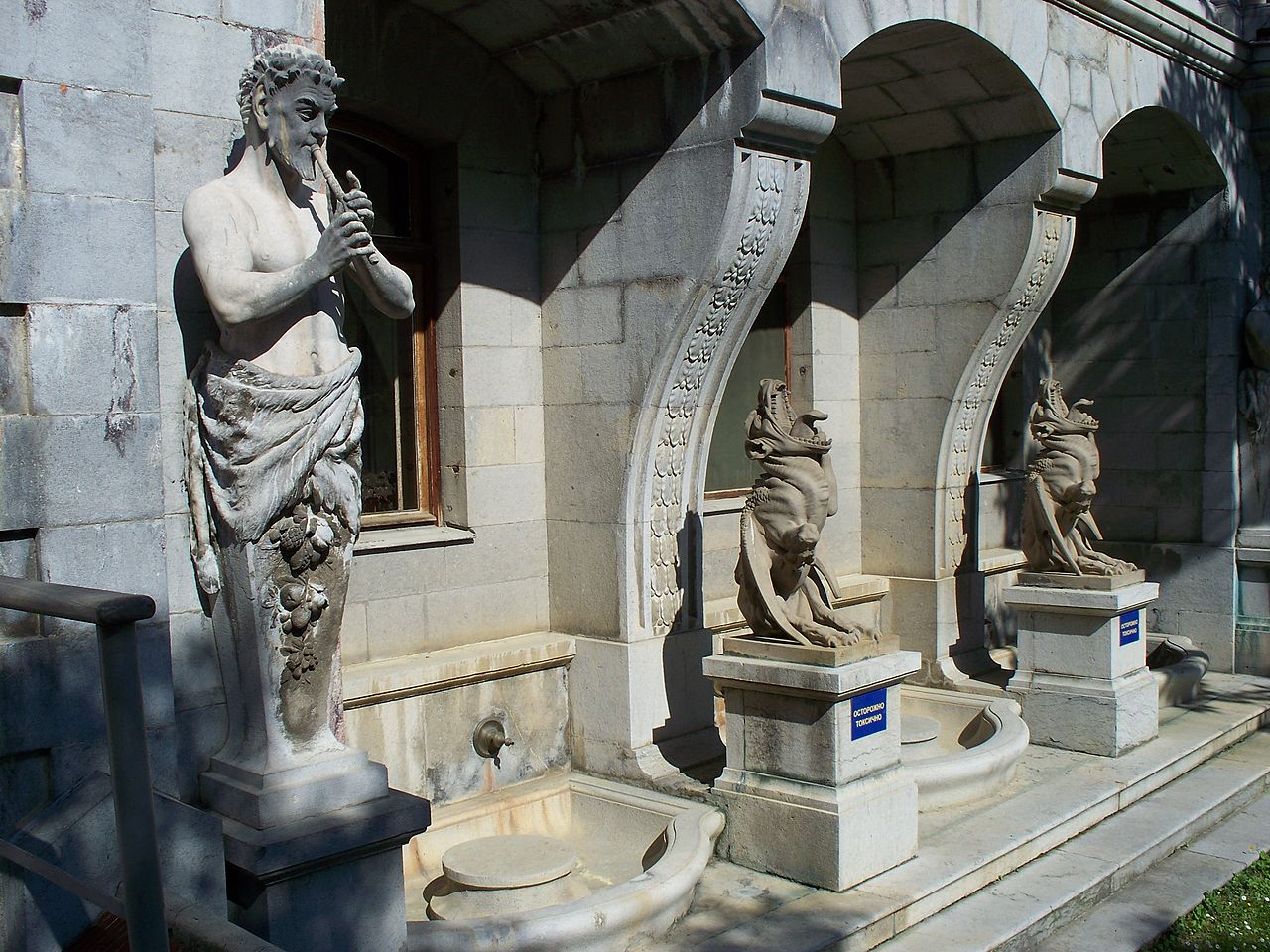
The dacha in Sochi, like many others, had several names; the most well-known were “New Matsesta” and “Green Grove”. According to the recollections of Stalin’s adopted son, Artyom Sergeev, it was built in 1933 according to the design of architect Miron Merzhanov, who also designed the dacha in Volynskoye (in 1944 he was sentenced to 10 years in labor camps for “kowtowing to the West”24; his wife was also sent to the camps, where she died). Stalin initially traveled to the healing waters of Matsesta by car; later a pump was installed and a pipe was laid, forming a small pool or a large bath, so he no longer had to leave for long periods or be distracted from work25.
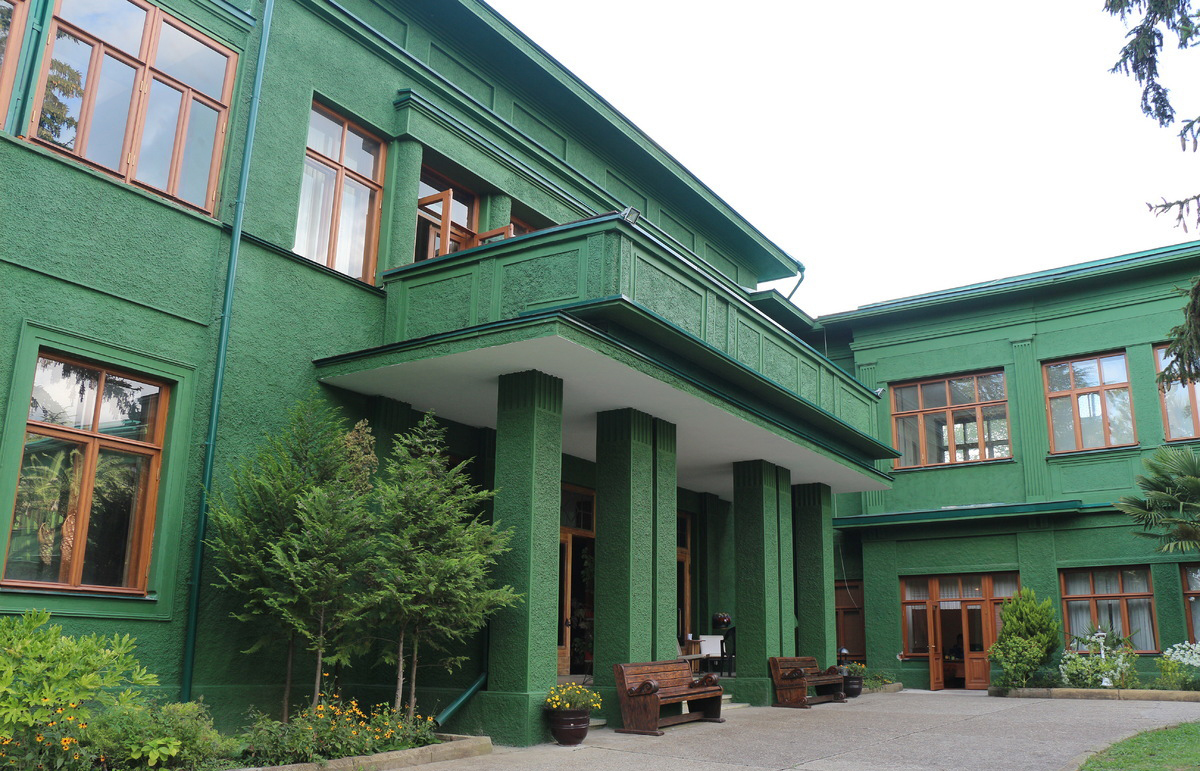
According to the magazine “Itogi”, other dachas were also built nearby: on November 9, 1933, Mikhail Kalinin together with the Chairman of the Council of People’s Commissars Vyacheslav Molotov signed a decree “On the construction of dachas in the Sochi–Matsesta area”: “It is deemed necessary to build, within the next 3–4 years in the Sochi–Matsesta area, 40–50 separate dacha houses, each with 3–4 rooms and all conveniences, for the rest of families of responsible officials. In 1933–34, to construct no fewer than 10 dachas”. Construction began at full speed, especially since the decree was approved by Stalin and all members of the Politburo. The Secretariat of the Central Executive Committee approved a list that included 18 facilities with a total cost exceeding 34 million rubles26. Today, the Sochi dacha even has its own website — Dachastalina.ru27. As in most other Stalin’s country residences, there was a cinema hall and a billiards room here28.


Valdai
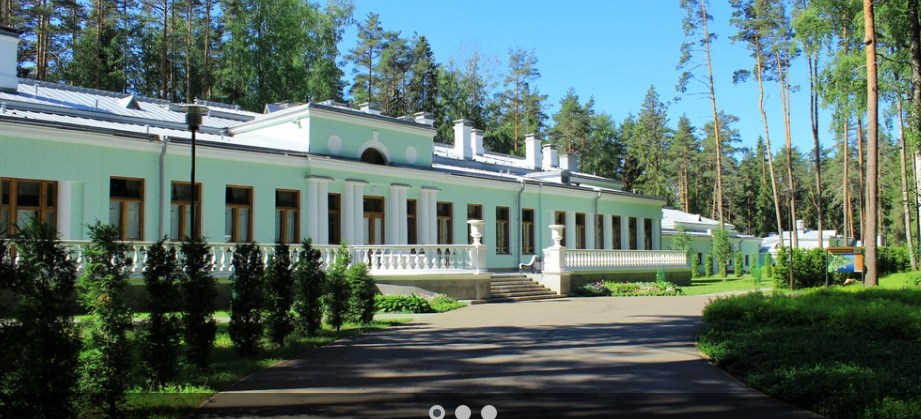
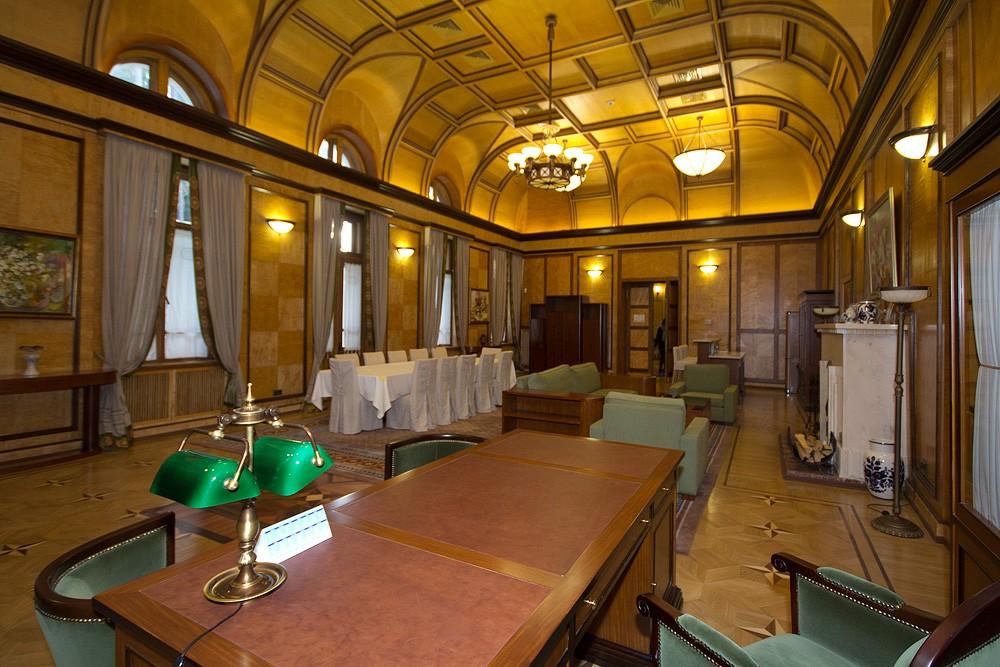
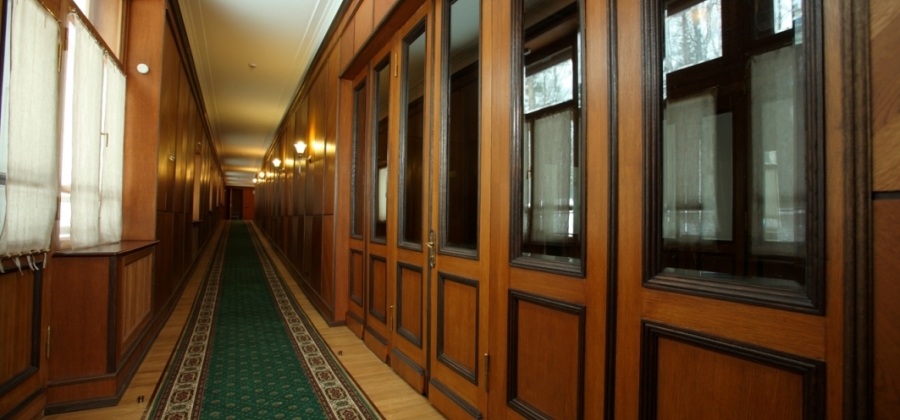
One of the most mysterious of Stalin’s dachas (also known as “Bolshie Brody” / “Dolgie Borody”). It was located in a picturesque place on the shore of Lake Valdai, and its rooms were lined with Karelian birch29. According to Kommersant and several other sources, the General Secretary visited it only once, did not like it30, and the dacha was subsequently used for other needs of the nomenklatura — in 1948 Andrei Zhdanov died there. Today the dacha belongs to the Administrative Directorate of the President of the Russian Federation and is part of the Valdai rest house31.



Malaya Sosnovka
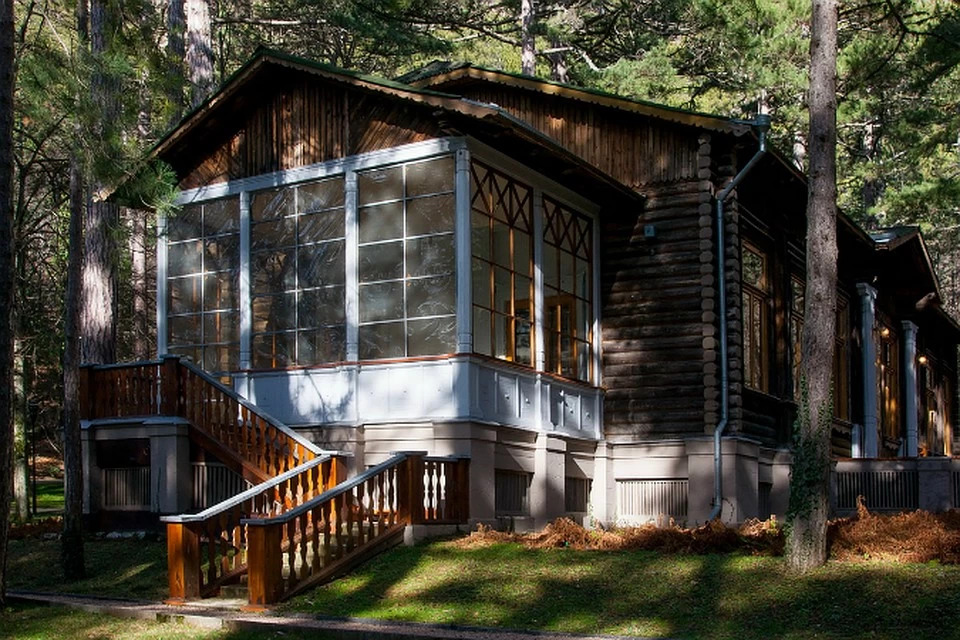
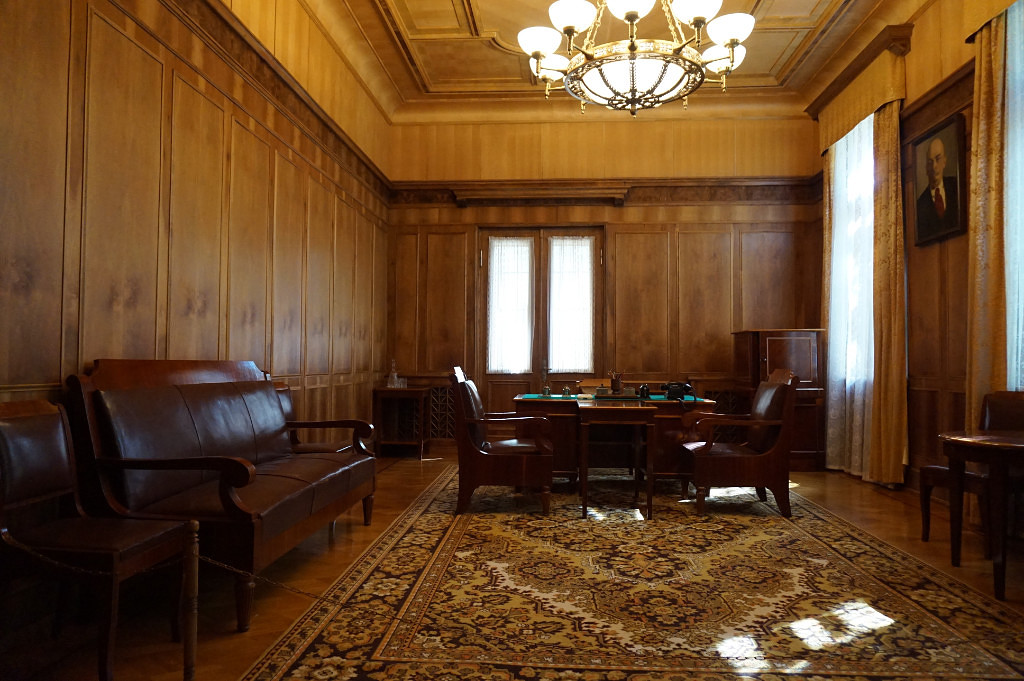
Also known as “State Dacha No. 3” or Stalin’s dacha in Crimea. According to “Arguments and facts”, this log house was manufactured in Moscow and assembled on site by Stalin’s order in 194932. The walls and ceiling inside are finished with panels made from a dozen valuable wood species33. After the death of the General Secretary, the residence continued to serve the nomenklatura, and in 1973, by order of Brezhnev, it was supplemented with a glass pavilion called the “Shater” (“Tent”). In 2014, it was transferred to the Administration of the President of the Russian Federation and opened to tourists34.


Tsaghkaltubo
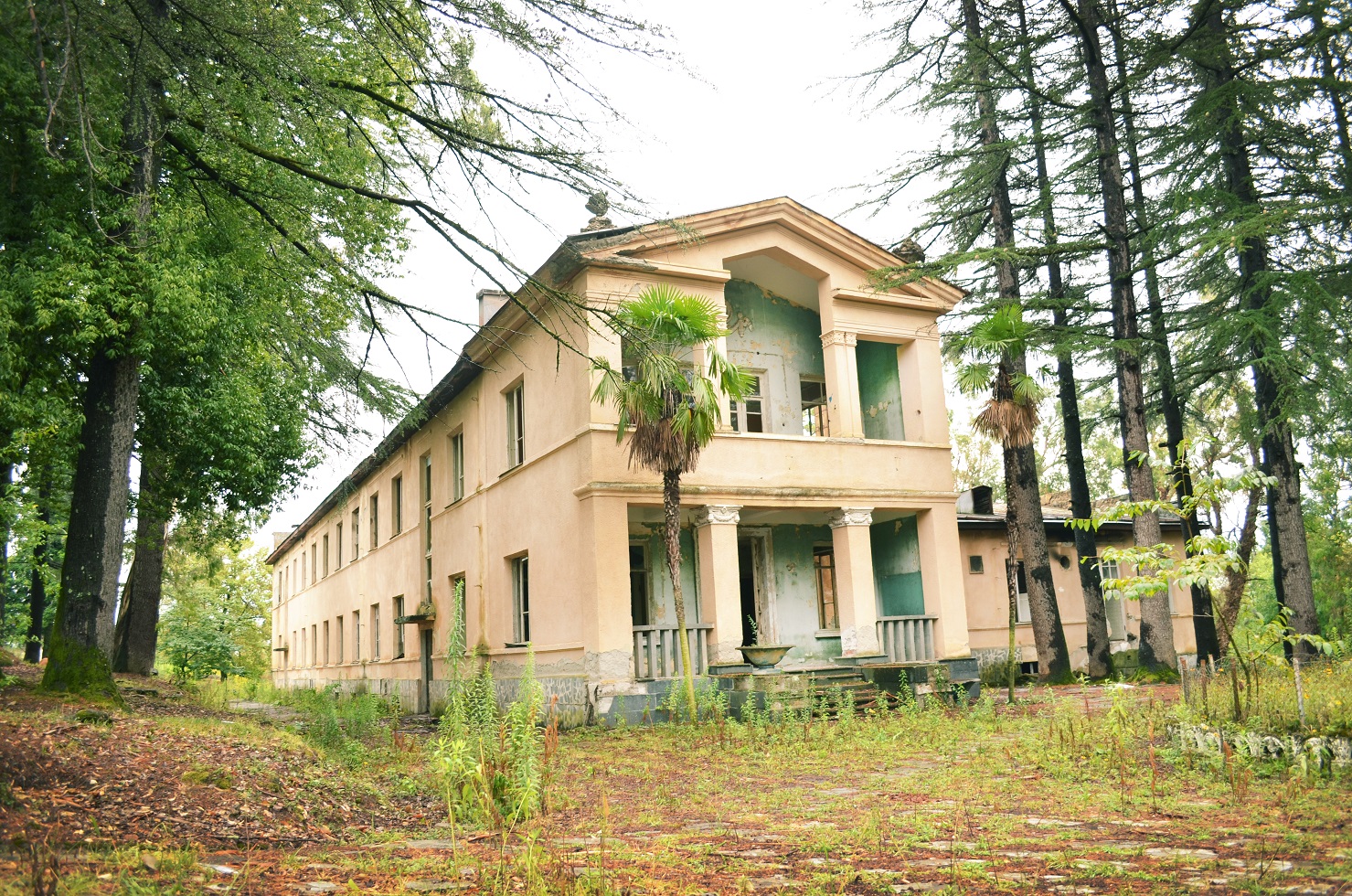
In 1940, according to the design of architect Nikolai Severov, a dacha for Stalin was built in Tsaghkaltubo, where a KGB sanatorium was later also located. The complex consisted of several two-storey buildings, a bathhouse, a substation, and a hangar. In 2019, even the remains of the dacha were valued at more than 3 million dollars35. The former head of Stalin’s security, Nikolai Vlasik, recalls:
Usually Comrade Stalin rested in Sochi or in Gagra, but in 1951 he decided to go to Tsaghkaltubo to take therapeutic baths, as he had pain in his left arm. Arriving in Tsaghkaltubo in August, we found ourselves in the hottest time of the year. It was stifling there, unbearable. After taking several baths, Stalin could not withstand the heat and decided to interrupt his treatment and left to rest in Borjomi, where it was much cooler. Calling me, he instructed me to find out the condition of the road through the Surami Pass, since he intended to travel by car, and also to prepare accommodation where we could stay36.
There are also accounts of this dacha in the memoirs of aircraft designer Alexander Yakovlev: “Shortly after the parade, in September 1951, Stalin went on vacation to the Caucasus, to the Tsaghkaltubo area, where his dacha was located; he wanted Yak-12 aircraft to deliver newspapers and mail to him every day. It should be noted that the dacha was located in a funnel-shaped hollow among high, steep mountains”37. Yakovlev further recounts how the aircraft was unable to land in the mountains, and how Vasily Stalin and his friends, while hunting and grossly violating flight discipline, crashed in this aircraft model. For these reasons, it was ordered to be taken out of production, and after Stalin’s death its serial production was restored.
Yusupov Palace
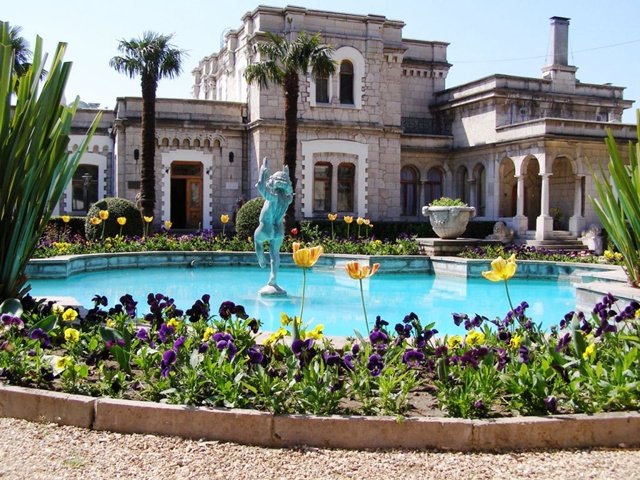
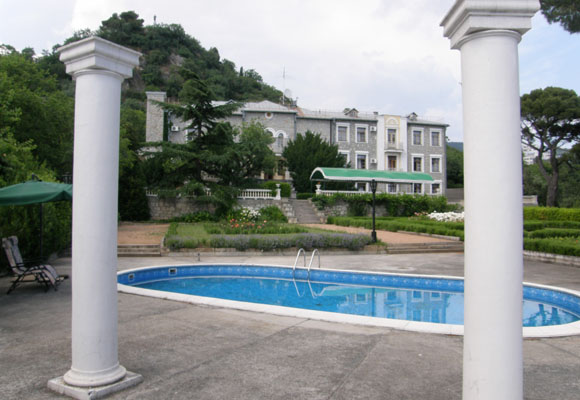
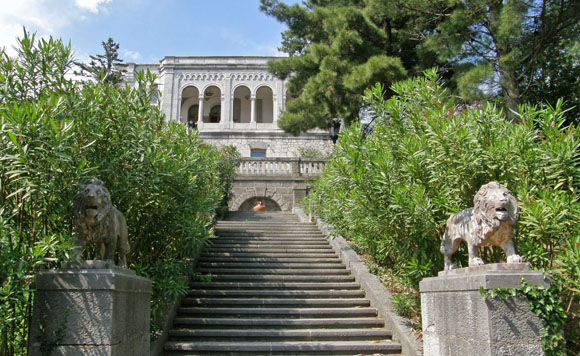
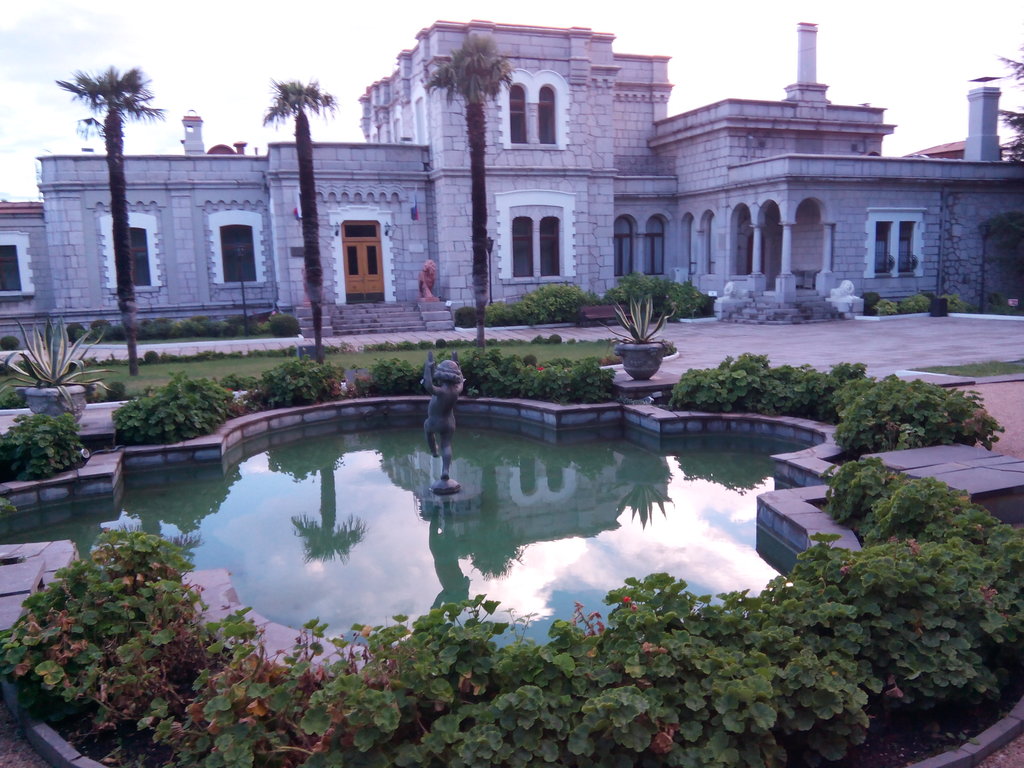
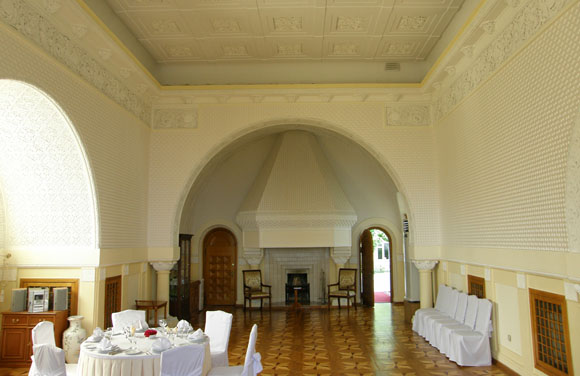
As already mentioned above, during the preparations for the Yalta Conference, the Soviet delegation occupied the Yusupov Palace in Koreiz38, once built for Prince Felix Yusupov. In the postwar period, it received the status of State Dacha No. 4, where officials of the Central Committee of the CPSU rested. The exact number of times Stalin stayed there after the war has not been established. In 2014, the palace was transferred to the Administration of the President of the Russian Federation39.

Other dachas
Overall, there is extremely little data on this topic, because almost all archival information on dachas and related facilities is held by the Federal Protective Service and the Administration of the President of the Russian Federation, and is therefore classified (it is a great stroke of luck that documents on the construction of the house at Lake Ritsa ended up in the hands of archival historians). However, we can say with confidence that the list of Stalin’s real estate was not limited to the dachas mentioned above. Even the Stalinist propagandist Yuri Zhukov, in his book “Stalin: secrets of power”, acknowledges the existence of a large number of dachas belonging to the General Secretary:
Stalin held meetings, gatherings with members of the narrow leadership, and received subordinates and foreign guests not only in the Kremlin, but also at the “near dacha” in Volynskoye on the outskirts of Moscow, as well as in “Zelyonaya Roshcha”, “Kholodnaya Rechka”, and “Myussera” — his residences on the Black Sea coast of the Caucasus, in the Sochi–Gagra area40.
Stalin’s daughter, Svetlana Alliluyeva, recalled that “after my mother’s death, several more dachas began to be built specifically for my father. My mother did not live to see the later luxury created from unlimited state funds”41. Further, we read from her:
Valentina Vasilievna, who always accompanied my father on all his trips, later told me how nervous he was when he saw that people were still living in dugouts and that ruins were everywhere… She also told me how, at that time, some of the now high-ranking comrades came to him in the south with a report on the state of agriculture in Ukraine. These comrades brought watermelons and melons so large that they could not be wrapped around with both arms, as well as vegetables and fruits and golden sheaves of wheat — “this is how rich our Ukraine is!” And the driver of one of these officials told the “staff” that there was famine in Ukraine, that there was nothing in the villages, and that peasant women were ploughing with cows… “How ashamed they should be”, Valyochka cried, “how ashamed they were to deceive him! And now they are blaming everything on him again!”
After this trip to the south, several more dachas began to be built there — they were now called “state dachas”. Formally, it was considered that all members of the Politburo could rest there, but in practice, apart from my father, Zhdanov, and Molotov, nobody used them. A dacha was built near Sukhumi, near New Athos, an entire dacha complex at Ritsa, as well as a dacha on Valdai. <…> In the summer of 1947, he invited me to rest with him in August in Sochi, at “Kholodnaya Rechka”42.
<…>
Only near Moscow, not counting Zubalovo… and Kuntsevo itself, there were also: Lipki — an old estate along the Dmitrov highway, with a pond, a beautiful house, and a vast park with centuries-old linden trees; Semenovskoye — a new house built shortly before the war near an old estate with large ponds dug by serfs, and extensive forest. Now it is a “state dacha”, where the well-known summer meetings of the government with cultural figures took place43.
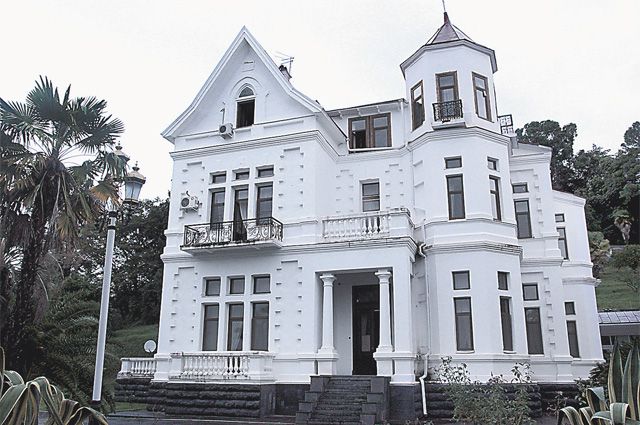
In the book “Only one year”, Alliluyeva testifies that her father “built more and more new dachas on the Black Sea… even higher up in the mountains. The old tsarist palaces in Crimea, which were then at his disposal, were not enough; new dachas were built near Yalta”44. Doctor of Historical Sciences Mikhail Voslensky adds: “in addition, there were numerous dachas in Georgia: a huge dacha by the sea in Zugdidi; a residence in the area of the spa resort Tskhaltubo; there were others as well”45. Doctor of Historical Sciences Boris Ilizarov lists Stalin’s dachas:
Stalin, like the ancient Roman emperors, loved building new villas. (It is no coincidence that the history of imperial Rome so strongly fascinated him.) He had three dachas in the Caucasus. One in Sochi, in the area of the Matsesta sulfur springs. Another dacha in Abkhazia — high in the mountains on the road to Gagra. In design, it resembled Hitler’s “Eagle’s Nest” in the Alps. And another house on the Black Sea coast in the area of Cape Verde, within a vast park. In addition to the Caucasian dachas, there was also a dacha in Crimea46.
The compilers of the historical-biographical reference book “Around Stalin”, Valery Torchynov and Alexey Leontyuk, provide the following evidence:
Stalin’s dacha residences, together with their staff of guards, maids, housekeepers, and cooks, were also subordinated to Vlasik. And there were many of them: the dacha in Kuntsevo-Volynskoye, or the “Near Dacha” (in 1934–1953 — Stalin’s main residence, where he also died), the dacha in Gorki-10 (35 km from Moscow along the Uspenskoye highway), the old estate along the Dmitrov highway — Lipki, the dacha in Semenovskoye (house built before the war), the dacha in Zubalovo-4 (“Far Dacha”, “Zubalovo”), the dacha on Lake Ritsa, or the “dacha on Kholodnaya Rechka” (at the mouth of the Lashupse River flowing into Lake Ritsa), three dachas in Sochi (one near Matsesta, another beyond Adler, the third before reaching Gagra), the dacha in Borjomi (Likani Palace), the dacha in New Athos, the dacha in Tskhaltubo, the dacha in Myshera (near Pitsunda), the dacha in Kislovodsk, the dacha in Crimea (in Mukhalatka), and the dacha on Valdai47.
Many publications attempted to compile a complete list of Stalin’s known dachas, for example “Komsomolskaya Pravda”48; we will present the list referenced by the portal “Newsru.com Real Estate”:
In Moscow:
1. Dacha “Volynskoye” (“Near Dacha”) – 2 stories, approx. 1,000 sq. m.
2. Dacha “Semenovskoye” (“Far Dacha”) – 1 story, approx. 800 sq. m.
3. Dacha “Zubalovo”, located at km 14 on Rublyovskoye Highway, 2 stories, about 500 sq. m, 12 rooms.
In the Caucasus:
4. Dacha “Novaya Matsesta” (“Green Grove”, Sochi) – 2 stories, approx. 200 sq. m.
5. Dacha “Puzanovka” (Sochi) – 1 story, approx. 100 sq. m.
6. Dacha “Riviera” (Sochi) – not preserved.
7. Dacha “Blinovka” (Sochi) – 2 stories, approx. 200 sq. m (Stalin stayed here once, then gave the dacha to Voroshilov).
8. Dacha “Kholodnaya Rechka” (Gagra) – 2 stories, approx. 500 sq. m.
9. Dacha “Ritsa” (Abkhazia) – four rooms (burned down in Soviet times). “Ritsa”, near Lake Ritsa, a one-story dacha with an area of 200 sq. m.
10. Dacha “New Athos” (Abkhazia) – 2 stories, 200 sq. m, six rooms (Stalin visited only once but refused to stay here). Tour guides tell visitors that “there is a secret passage to the sea from this dacha”.
11. Dacha “Sukhumi” (Abkhazia) – located on the territory of the Sukhumi Botanical Garden of the Academy of Sciences of Georgia, a two-story building occupying more than 600 sq. m, up to 20 rooms (preserved to this day).
12. Dacha “Myussera” (Abkhazia) – one-story dacha, about 300 sq. m, six rooms (Stalin rested here repeatedly starting in 1933, preserved to this day).
13. Dacha “Borjomi” (Georgia) – late 19th-century building, two-story structure, 300 sq. m, nine rooms (Stalin was here in 1951. It was his last vacation. The building has been preserved to this day).
14. Dacha “Tskhaltubo” (Georgia) – two-story building, more than 200 sq. m, five rooms (preserved to this day).
In Crimea:
15. Dacha “Koreiz” – 2 stories, approx. 600 sq. m. Stalin stayed here during the Yalta Conference in 1945.
16. Dacha “Golovinka” – 1 story, approx. 150 sq. m. Stalin visited here twice.
17. Dacha “Trapeznikovo” – 2 stories, approx. 300 sq. m. Stalin rested here in the late 1920s – early 1930s, later transferred it to E. Yaroslavsky.
18. Dacha “Yaveynaya” – 1 story, approx. 150 sq. m. Stalin never visited it, although it was built for him49.
But this list is unlikely to be complete. A full one will only become available once the FSO and the Presidential Property Management Directorate open all data and archives.
The topic of state dachas is covered in the works of Andrei Artamonov — “Stalin’s special facilities. An excursion under the ‘secret’ stamp”, “State dachas of Crimea. The history of the creation of government residences and rest houses in Crimea”, “State dachas of the Caucasian mineral waters. Secrets of their creation and of the party elite’s stays there”, and “State dachas of the Black Sea coast of the Caucasus. Recently declassified documents and papers”. The author personally visited the sites he describes and even repeatedly vacationed in many of them. However, the books do not have sufficient academic apparatus.
Bunkers in Samara and Izmailovo
Some of the dachas had their own bunkers; however, separate underground facilities were also built for Stalin. Thus, even in extreme wartime conditions, the General Secretary could reside in comfort. At least two of them are known to us – the bunkers in Samara and Izmailovo.

The first was declassified only in 1990; prior to that, there was virtually no information about it. Today we know of Resolution of the State Defense Committee No. 945ss dated November 22, 1941, which ordered to “build command posts – bomb shelters in the cities of Yaroslavl, Gorky, Kazan, Ulyanovsk, Kuibyshev, Saratov and Stalingrad” and to “allocate an advance of 50 million rubles from the reserve fund of the Council of People’s Commissars of the USSR for the construction of shelters”50. The depth of Stalin’s bunker was 37 meters – approximately the height of a 12-story building – and the construction estimate for this facility in 1942 prices amounted to 19 million rubles51. According to the construction company “Deluxe bunker”, this is the most powerful bunker declassified to date52.
For example, even Nazi industrialists and members of the nomenklatura could not afford anything like it.
On the lowest, first underground level of the bunker there is a meeting hall for 25 people. Nearby is Stalin’s rest room. The upper levels contain facilities for security personnel, storage areas, and technical support services. More detailed information can be found on the “Stalin’s Bunker” website53.
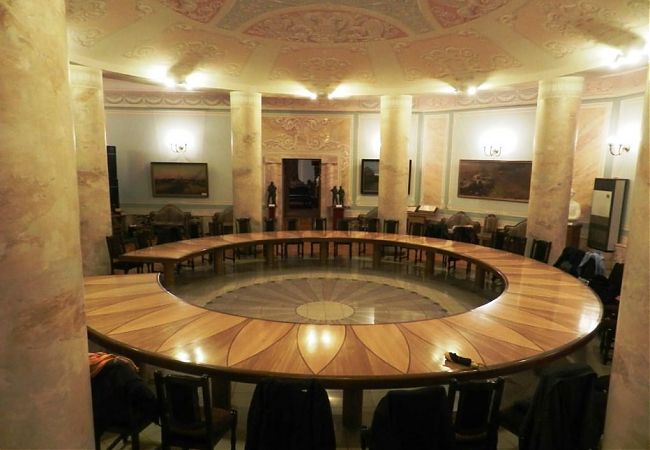
The bunker in Izmailovo is a branch of the Central Museum of the Armed Forces of the Russian Federation54. It was created in the 1930s; Candidate of Historical Sciences Sergey Kormilitsyn reports that it was also connected to the Kremlin by a 17-kilometer underground road55.
Conclusion
One must belong to the elite of large capital in order to afford a level of rest comparable to that of Joseph Stalin. The list of property he controlled is one of the most extensive among the rulers of Russia throughout its entire history. The ideologues of the ruling system sponsor Stalinists so that they defend the nomenklatura and its privileges using demagogic techniques such as “it was not inherited” (we provided a link debunking this manipulation at the beginning of the article) or “everyone around is lying” (we analyzed the full list of conservative demagogic techniques here). However, real data and sources show that Stalin was one of the largest corrupters, and that Stalinists end up defending corruption.
The goal of progressive social democrats is to fight corruption (we have examined possible social-democratic anti-corruption measures in a separate article here), to oppose Stalinism, and to challenge inefficient planned economies, which make it possible to concentrate all production in the hands of those who control a centralized political system and to build dozens of dachas for members of the nomenklatura.
- O. Khlevniuk. Stalin. Life of a Dictator: a biography. – 464 p. – Moscow: AST-CORPUS, 2015. – p. 64.
- S.Yu. Rybas. Stalin / Svyatoslav Rybas. – 902 p. – Moscow: Molodaya Gvardiya, 2009. – p. 519.
- O. Khlevniuk. Stalin. Life of a Dictator: a biography. – 464 p. – Moscow: AST-CORPUS, 2015. – p. 24.
- Dyatov S.V., Shefov A.N., Yuryev Yu.V. Stalin’s Near Dacha. An Attempt at a Historical Guide. – 536 pp. – Moscow, Kremlin Multimedia, 2011. – p. 287
- S.Yu. Rybas. Stalin / Sviatoslav Rybas. – 902 pp. – Moscow: Molodaya Gvardiya, 2009. – p. 519.
- On the question of the liquidation of the kulaks as a class // I.V. Stalin. Works. Volume 12 (April 1929 – June 1930). – 897 pp. – Moscow: State Publishing House of Political Literature, 1949. – pp. 178–183.
- S.Yu. Rybas. Stalin / Sviatoslav Rybas. – 902 pp. – Moscow: Molodaya Gvardiya, 2009. – pp. 272–273.
- Ibid., p. 665.
- “Far” Stalin Dacha (“Semyonovskoye”) // History of Russia (histrf.ru). [Electronic resource]. URL: https://histrf.ru/lichnosti/pamyatnie-mesta/place/item-231 (accessed: 16.02.2020).
- Semyonovskoye-Otrada // Great Russian Encyclopedia (bigenc.ru). [Electronic resource]. URL: https://bigenc.ru/domestic_history/text/3547461 (accessed: 16.02.2020).
- Boris Ilyzarov. Joseph Stalin. In the guises and masks of a man, leader, scientist. – 736 p. – AST, 2015
- S.I. Alliluyeva. Twenty Letters to a Friend. – 176 p. – Moscow: Izvestia, 1990. – p. 102.
- Ibid., p. 118.
- Politburo of the Central Committee of the All-Union Communist Party (Bolsheviks) and the Council of Ministers of the USSR. 1945–1953 / Compiled by O.V. Khlevniuk, J. Gorlitsky, L.P. Kosheleva, A.I. Minyuk, M.Yu. Prozumentshchikov, L.A. Rogovaya, S.V. Somonova. – 656 p. – Moscow: “Russian Political Encyclopedia” (ROSSPEN), 2002. – p. 404.
- State Archive of the Russian Federation (GARF). F. R-5446. Op. 50a. D. 3890. L. 40–41. Typewritten text on letterhead “USSR. Ministry of Internal Affairs”. Signature – autograph.
- State Archive of the Russian Federation (GARF). F. 9401 Op. 2. L. 443. L. 215–216. Certified copy
- State Archive of the Russian Federation (GARF). F. 9405. Op. 6. L. 406. L. 201–212. Certified copy
- Did a Russian oligarch buy Stalin’s dacha in Abkhazia? // NTV (www.ntv.ru). June 30, 2005, 18:21. [Electronic resource]. URL: https://www.ntv.ru/novosti/68619/ (accessed: 16.02.2020).
- Yu.Yu. Budilnikov. Swallow’s Nest // National Geographic Russia (nat-geo.ru). [Electronic resource]. URL: https://nat-geo.ru/photo/277626/ (accessed: 16.02.2020).
- “Virtual Abkhazia”: view from the observation platform of Stalin’s dacha // Sputnik Abkhazia (sputnik-abkhazia.ru). August 6, 2015, 17:40. [Electronic resource]. URL: https://sputnik-abkhazia.ru/tourism/20150806/1015396955.html (accessed: 16.02.2020).
- Vokrug Stalina: Historical and Biographical Reference Book / Compiled by V.A. Torchinnov, A.M. Lentyuk. – 608 p. – St. Petersburg: Faculty of Philology, St. Petersburg State University, 2000. – p. 121.
- I. Kovalenko, N. Zemlyanskaya, V. Grinkov. Crimea in Your Pocket. Travel Guide – 216 p. – St. Petersburg: Welcome Publishing, 2016. – p. 79.
- Vadim Nikiforov. The President of Russia Acquired Dachas in Crimea // Kommersant (www.kommersant.ru). Kommersant newspaper No. 192, October 22, 2014, p. 2. [Electronic resource]. URL: https://www.kommersant.ru/doc/2594871 (accessed: 16.02.2020).
- M.D. Gershman. Adventures of an American in Russia (1931–1990). – 314 p. – New York, 1995. – p. 134.
- N.S. Vlasik. Stalin. Personal Life / Nikolai Vlasik, Alexey Rybin. – 240 p. – Moscow: Algorithm, 2012.
- Denis Babichenko. Learn How to Rest! // Itogi Magazine (www.itogi.ru). No. 25 / 263 (26.06.01). [Electronic resource]. URL: http://www.itogi.ru/archive/2001/25/105442.html (accessed: 16.02.2020).
- Stalin’s Dacha in Sochi – a unique historical complex (dachastalina.ru). [Electronic resource]. URL: http://dachastalina.ru (accessed: 16.02.2020).
- Stalin’s Dacha in Sochi // Rest in Russia. A project by Komsomolskaya Pravda (www.kp.ru). [Electronic resource]. URL: https://www.kp.ru/russia/sochi/mesta/dacha-stalina/ (accessed: 16.02.2020).
- E.I. Chazov. Health and Power. Memoirs of a Kremlin Doctor – 570 p. – Moscow: Tsentrpoligraf, 2016.
- Alexander Gamov. The Spirit of Stalin Wanders Through His Three Favorite Dachas // Komsomolskaya Pravda (www.kp.ru). December 18, 2003, 14:19. [Electronic resource]. URL: https://www.kp.ru/daily/23179/25426/ (accessed: 16.02.2020).
- Vladimir Matveev. Puti-no-Dachnoe // Kommersant (www.kommersant.ru). Kommersant Vlast magazine No. 36, September 12, 2000, p. 21. [Electronic resource]. URL: https://www.kommersant.ru/doc/17600 (accessed: 16.02.2020).
- Natalya Drëmova. A dacha for the General Secretary. How Soviet leaders rested in Crimea? // Arguments and Facts (aif.ru). Weekly edition “Arguments and Facts” No. 34. Crimea: what became of the Soviet-era state dachas? 21/08/2019. [Electronic resource]. URL: https://aif.ru/society/history/dacha_dlya_genseka_kak_otdyhali_v_krymu_sovetskie_lidery (access date: 16.02.2020).
- Anna Melnikova. Tourists will be allowed into Stalin’s Crimean dacha // Komsomolskaya Pravda. Moscow. No. 18 (26346) 2015. – p. 9.
- Stalin’s dacha in Crimea opened to tourists // Tourister (www.tourister.ru). February 17, 2015, 18:55. [Electronic resource]. URL: https://www.tourister.ru/world/europe/russia/city/yalta/news/7503 (access date: 16.02.2020).
- Дачу Сталина в Грузии приватизируют // Новости Армении (news.am). 30 мая 2019 года, 13:17. [Электронный ресурс]. URL: https://news.am/rus/news/515500.html (дата обращения: 16.02.2020).
- Н.С. Власик. Сталин. Личная жизнь / Николай Власик, Алексей Рыбин. — 240 с. — М.: Алгоритм, 2012
- А.С. Яковлев. Цель жизни. (Записки авиаконструктора). Изд. 2-е, доп. – 623 с. – М.: Политиздат, 1969. – с. 488.
- S.N. Semanov. Stalin: Lessons of Life and Activity – 541 p. – Moscow: EKSMO, 2002. – p. 454
- Yusupov Palace in Crimea is transferred to the Administration of the President of the Russian Federation // TASS (tass.ru). October 21, 2014, 13:20. [Electronic resource]. URL: https://tass.ru/politika/1521509 (accessed: 16.02.2020).
- Yu.N. Zhukov. Stalin: Secrets of Power. – 720 p. – Moscow: VAGRIUS, 2005. – p. 551.
- S.I. Alliluyeva. Twenty Letters to a Friend. – 176 p. – Moscow: Izvestia, 1990. – p. 29.
- Ibid., pp. 144–145.
- Ibid., p. 102.
- Svetlana Alliluyeva. Only One Year – 381 p. – Harper & Row, 1969
- M.S. Voslensky. Nomenklatura, The Ruling Class of the Soviet Union. – 624 p. – Moscow: “Soviet Russia” in cooperation with MP “October”, 1991. – p. 341.
- Boris Ilizarov. Joseph Stalin. In the Masks and Faces of a Man, Leader, and Scientist. – 736 p. – AST, 2015
- Around Stalin: Historical-Biographical Reference / Compiled by V.A. Torchynov, A.M. Leontyuk – 608 p. – St. Petersburg: “Faculty of Philology, St. Petersburg State University”, 2000. – p. 121.
- Alexey Bogomolov. Stalin’s vacations sometimes lasted up to three months in a row // Komsomolskaya Pravda (www.kp.ru). [Electronic resource]. URL: https://www.kp.ru/daily/25922.3/2873445/ (accessed: 16.02.2020).
- The head of a sanatorium was charged in a criminal case for damage to Stalin’s dacha in Sochi // Newsru.com Real Estate (realty.newsru.com). July 16, 2014, 09:27. [Electronic resource]. URL: https://realty.newsru.com/article/16jul2014/stalin_sochi (accessed: 16.02.2020).
- RGASPI, fond 644, inventory 1, file 14, sheets 164–166.
- Vladimir Tolts, Sergey Khazov. “Stalin’s bunker” in Samara: past and present // Radio Liberty (www.svoboda.org). March 3, 2012. [Electronic resource]. URL: https://www.svoboda.org/a/24503363.html (access date: 16.02.2020).
- The most powerful bunker // Deluxe Bunker (www.deluxebunker.ru). [Electronic resource]. URL: http://www.deluxebunker.ru/stati/samyij-moshhnyij-bunker (access date: 16.02.2020).
- Stalin’s bunker (www.bunkerstalina.com). [Electronic resource]. URL: https://www.bunkerstalina.com (access date: 16.02.2020)
- Stalin’s bunker // Central Museum of the Armed Forces of the Russian Federation (www.cmaf.ru). [Electronic resource]. URL: http://www.cmaf.ru/branchs/bun/ (access date: 16.02.2020).
- S.V. Kormilitsyn. Stalin vs. Hitler: the poet vs. the painter. – 320 p. – St. Petersburg: Piter, 2008. – p. 211.