
Social-democratic economy
In this article, we will attempt to describe the main goals and principles of the functioning of a social-democratic economy — this is not yet a program, but rather a set of provisions in accordance with which the future "new deal" of social democrats in the economy should be formed.
Since everyone who criticizes others' systems is obliged to replace them with their own alternative, which would better explain the essence of things, we will continue our reflections in order to fulfill this duty.
In separate articles, we have examined why a planned economy is inefficient and why the free market comes into conflict with progress, gradually leading to stagnation and the relative impoverishment of the masses. This raises the question of what the economic program of progressive social democrats should be. In this article, we will attempt to sort this out, and the social-democratic program and the Progressive Course are partly based on it. Let us define the tasks and goals that a social-democratic economy must fulfill.
Contents
Goals
The goals of social democrats have already been outlined by us in the article on progressive values, so economic tasks will primarily be based on these values, as well as on correcting the shortcomings of the market economy. Social democrats must strive to achieve such an increase in the standard of living within a single country that it serves as an example for other countries; optimally, to occupy leading world positions in all key indicators of the standard of living (and achieve a victory over the conservative ideology on a global scale). A global victory over conservatives should allow for significantly easing the burden of military and propaganda expenditures on the budgets of all countries/regions, redistributing the freed-up resources toward solving global problems. In general, among the economic tasks, particularly important ones stand out:
- Ensure the growth of the standard of living according to key indicators;
- Achieve a reduction in social inequality;
- Contribute to the progress of the Fourth Industrial Revolution;
- Reform the education system, increasing its efficiency (this will require separate material on the topic);
- Create a competitive and growing economy;
- Begin solving environmental problems;
- Develop the institutions of the welfare state, and above all, the quality of the services they provide;
- Create conditions for the transition to a 4-day work week;
- Create a model allowing “Third World” countries to catch up with developed countries in terms of standard of living;
- The economy must not pose a threat to democratic institutions;
- Ensure a high quality of goods and services sold in the country. That is, create protection against monopolies, ensure perfect competition, achieve high success in the field of consumer rights protection, and so on.
These 11 goals are key today. A more political goal, which also exerts influence on the economy, is the need to initiate the development and implementation, with the help of international organizations, of solutions to global problems regarding ecology, resource depletion, overpopulation, to force processes of global disarmament, and so on.
Principles of the theory
Social democrats understand that there are no simple solutions, no “magic wand” like “giving freedom to the market” or “liquidating private property” that will trigger all other mechanisms of well-being. Such magic wands exist only in fairy tales; practice has shown their failure. Today we understand that solutions in the economy cannot be simultaneously simple and useful. Therefore, enormous attention must be paid to details, their testing, building a system of checks and balances, and searching for the best solutions with the help of the scientific method in each individual field.
If you are, for example, playing football, you might decide that the secret to success is running fast. In that case, the strong football player will not be you, but the one who trains as many components of the game as possible (heading, long passes, shots with both feet, and so on). The same principle applies in the economy; it applies in all spheres of life.
Also, social democrats are aware that different principles for the further construction of the economy must be applied to countries with different levels of development. If, for example, the principles of free trade are beneficial for developed countries, then for developing ones, it is necessary to adhere to other methods — we examined these questions in more detail in the article on economic growth. Cambridge University Professor Ha-Joon Chang, one of the leading contemporary thinkers according to Prospect Magazine1, calls this the developmentalist tradition and emphasizes that this tradition was started by politicians interested in solving real problems rather than intellectual purity2, and therefore this tradition combined elements from various sources and supplemented them with its own. This is close to the spirit of social democrats — we do not rely on the works of one or several authorities of a single school, but are based on the best achievements of researchers from all schools (Chang’s developmentalism is similar to what Erik Reinert calls the “Other Canon”, while Reinert notes that this tradition turned out to be almost forgotten against the background of the confrontation between the left and right wings of David Ricardo’s theory, just as social democracy finds itself between the fires of communists and right-wing liberals3).
It may be the most important intellectual tradition in economics in terms of its influence on the real world. It, and not the narrow rationalism of the neoclassical school or the Marxist vision of a classless society, is behind almost all successful stages of economic development in human history, starting from the 18th century in Great Britain, the 19th century in America and Germany, all the way to the success of modern China4.
One can say that it is important for social democrats to maintain intellectual diversity and even multiply it. Different concepts reveal various aspects of the economy from different points of view, and the results of research from a number of schools, rather than just one or two, provide an opportunity to obtain a more complete, balanced understanding of the economy. An analogy can be drawn with a biological species that has a more diverse gene pool and is therefore more resistant to shocks — similarly, a science that contains many theoretical approaches can cope with a changing world better than one that has only a single direction. This approach can be called an interconceptual approach, as it combines the best achievements of all economic schools.
I believe that you can find something useful in every school of economics – from the Marxist to the Austrian. Indeed, throughout history, too many lives have been destroyed by those who were unshakably convinced of the correctness of their views – from the Khmer Rouge to neoliberal market fundamentalists5.
Market or command basis?
Markets need political regulation — in the era of globalization, it is also necessary on an international scale. We uphold the principle: competition as far as possible, state regulation as far as necessary.
As we have already understood, the list of tasks for social democrats includes shortening the working day, increasing the standard of living, realizing civil liberties, and so on. Therefore, when we ask ourselves the question of which of the economic systems — planned or market — the social-democratic economy will be built on, we can say that the option will be an intermediate one. Social democrats set the vector for the formation of a mixed economy. The command model is not suitable for realizing progressive values for the following reasons:
- There are no adequate solutions to the problems we described in the article about the shortcomings of a planned economy;
- Since a planned economy implies centralization, it seems practically impossible to speak of civil liberties when all mass media are financed from a single source, when all capital is concentrated in the hands of the state, and so on. It is clear that in such conditions, the only viewpoint in the media will be the viewpoint of the one who distributes their funding. This leads to the dictatorship of the nomenklatura;
- We have the opportunity to test the viability of all innovations proposed by supporters of a planned economy in the public sector. If they find an effective way to increase the efficiency of the public sector, they will have no problems displacing large private companies from the market. If, however, the public sector is inefficient, there is no point in transferring the entire country’s economy to it — it will be just as inefficient on a global scale and will face the fate of the USSR.
At the same time, a mixed economy already combines the best features of the market and the planned economy. Herbert Simon, a Nobel Prize laureate in economics, noted that about 80 percent of economic activity in the United States occurs within organizations, such as companies and the government, rather than through the market6. In his opinion, it would be more appropriate to call this state of affairs an economy of organizations7. The market principles of distribution, exchange, and consumption themselves occupy a much smaller share of the economy than many believe.
About 30-50 percent of international trade in manufactured products consists of intra-firm trade, or the transfer of production resources and manufactured products within a single multinational corporation (MNC) or transnational corporation (TNC) operating in different countries8. A Toyota engine plant in Chonburi, Thailand, when “selling” its product to Toyota assembly plants in Japan or Pakistan, can be considered an exporter from Thailand to those countries, but such supplies cannot be called genuine market transactions. Prices for products sold in this way are dictated from headquarters in Japan rather than formed by competitive forces in the market. And this is a normal situation. A modern mixed economy is already a symbiosis of market and planning, where planned and command processes occur within a single company that simultaneously competes with other companies under market conditions. Therefore, social democrats also pay great attention to other parts of the economy, not just the choice between the market and the command-administrative system (this choice was made long ago; the mixed economy has won).
Forms of ownership and management
As we examined in the article on private property, the liquidation of private property is an outdated slogan. The task of social democrats in this direction is to ensure the possibility of using various forms of ownership in the economy, to create an expression of the interests of civil servants, capital, and labor collectives, and their competition with each other, so as to avoid the isolation of one class that will suppress the rest. As a result of the automation of production and daily life that should take place upon the completion of the Fourth Industrial Revolution, the question of forms of ownership will either lose its sharpness or require new solutions (which is a matter for future generations of social democrats).
Perhaps, at the final stages of the Fourth Industrial Revolution, the implementation of an economic program like the “Meidner Plan” will be required, which provided for the gradual transfer of enterprises under the control of worker collectives. According to this plan, a portion of company profits was to be transferred to “wage-earner funds”, from which shares of the company were to be purchased over several decades until workers gained full control over the enterprises9. However, we are convinced that at the current stage of industrial development and management methods, the implementation of such a program would be a premature measure, as we wrote in the article on private property, as well as in the article on collective property.
The optimal form of ownership for large enterprises under a social-democratic economy is joint-stock, without a majority shareholder, with a separation of ownership and control rights and the maximization of shareholder value. Simply put, this means that in such a joint-stock company:
- There is no controlling shareholder (which is usually understood as the owner of more than 20 percent of shares);
- Shareholders own and receive profits, while managers govern;
- A large portion of managers’ salaries is paid in the form of company shares.
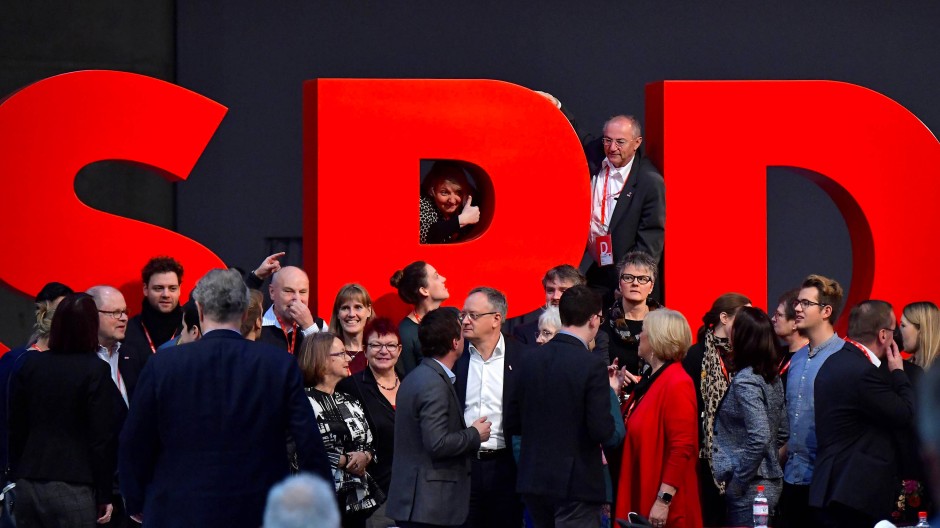
Ownership of an enterprise and the management of its activities in large European companies are often separated. Moreover, social democrats in Germany and Sweden implement a system of participation in management. This means that workers exert influence on company activities and are represented on the board of directors through trade unions — for example, in Germany, large companies have a two-tier board structure. Under this system, the management board (an analogue to the board of directors in other countries) must receive approval for the most important decisions, such as mergers and plant closures, from the supervisory board, in which workers’ representatives hold half the votes, although the management side does appoint a chairman with a casting vote10. Governments are also shareholders and participate in management. For example, 25 percent of the shares of Stora Enso, the world’s largest producer of pulp and paper products, is owned by the government of Finland; and 25 percent of the shares of Commerzbank, the second largest bank in Germany, is owned by the German government. Thus, democracy is realized in enterprises without compromising their efficiency.
The Volkswagen Group has a majority shareholder — the Porsche-Piëch family. From a legal point of view, it can ‘push through’ any decision it deems necessary. But that is not how things are done at Volkswagen. As in other large German companies, there is a two-tier board structure where workers have strong representation. In addition, 20 percent of the concern’s shares are owned by the government of the state of Lower Saxony. As a result, decisions in the company are made through a very complex negotiation process involving shareholders, professional managers, workers, and the public as a whole (since a large block of shares is owned by the government)11.
Today, it is hardly worth conducting nationalization and handing enterprises over to bureaucrats when, through the distribution of shares and management positions, it is possible to ensure representation in ownership and management for all groups — the government, entrepreneurs, and workers alike.
In some cases, social democrats can pursue policies aimed at developing worker cooperatives similar to the Mondragon Corporation12 or the John Lewis Partnership of Britain13. For example, it is permissible to transfer some large media outlets to such a form of ownership and management.
Social welfare state
Social democrats undertake to raise the standard of living, reduce social inequality, and create a middle class (which, incidentally, is a buyer of goods and services) partly through the development of social welfare state institutions.
Since the 1950s, the concept of the “social welfare state” has become a constitutional principle for the countries of Northern Europe and is an integral part of their democratic state structure. A social welfare state is a political system in which every citizen is guaranteed a decent standard of living and a wide range of social benefits: housing, pensions, employment, insurance, medical care, education, etc. The theory of the social welfare state is implemented through social guarantees being provided via state regulation of the economy (primarily of large business) and tax policy. Currently, the Scandinavian (Swedish or social-democratic) model of the social welfare state is actively functioning in Sweden, Norway, Iceland, Finland, and the Netherlands14.
Today, the share of government spending in GDP averages about 30-35%; in developed countries, this figure is generally higher (data can be viewed via this link). Thus, in Norway, it is 55%, in Sweden 49%, and in Finland and Denmark 52%. In social-democratic countries, the share of government funding is high, for example, in healthcare15.
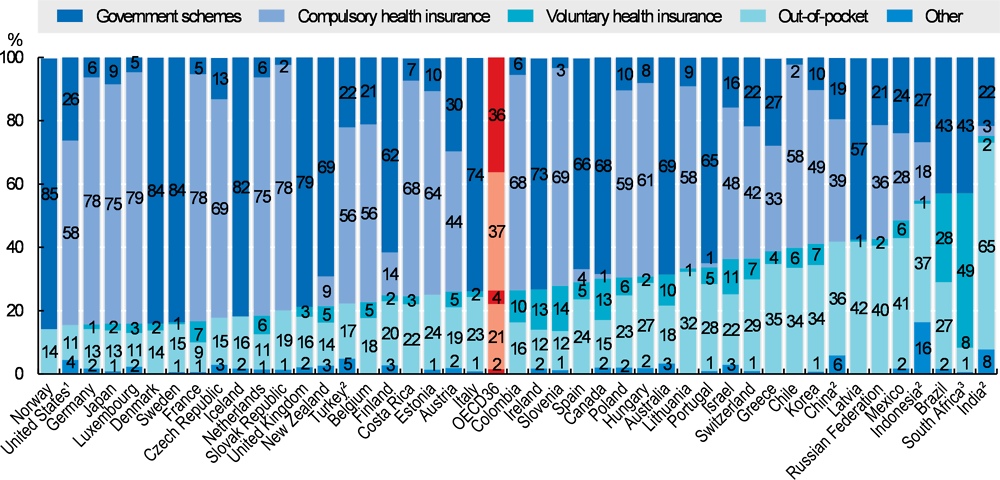
What is included and potentially can be included in the concept of a social welfare state? Primarily, these components:
- Old-age pensions;
- Student scholarships;
- Free (publicly funded) medical care (state or compulsory medical insurance in private clinics);
- Free (publicly funded) education;
- Unemployment and disability benefits;
- Universal basic income;
- A contract-based army with appropriate financial compensation for military personnel;
- Daycare/crèches;
- Humane labor legislation (paid leave, insurance for workplace accidents, a system of collective bargaining between trade unions and employers, etc.);
- Consumer protection legislation;
- Funeral benefits;
- Free legal aid;
- Ensuring a high chance of employment in one’s profession;
- Universal basic capital (we will consider this innovation later).
As the economy grows, the volumes of the aforementioned components must also grow — increasing vacation time, benefits, and so on. In addition, the fight against poverty can be partially realized through a tax-free lower income threshold. This means that a progressive tax scale can be considered not only as a source of funding for social programs but also as a part of them.
An unemployed person can feel quite comfortable financially if they live in one of those European countries where the unemployment benefit (i.e., unemployment insurance payments) is 60–75 percent of their previous salary for two years. But on a global scale, such a situation is more of an exception. In the US, only 30–40 percent of the previous salary is paid (depending on the state in which you live). In most developing countries, there is no such benefit at all16.
In Scandinavian countries, social guarantees are very broad. There are even widespread systematic government subsidies and institutional support for retraining and relocation (for example, an interim loan to buy a house in the location of a new job before the old house is sold)17.
In addition to the social welfare state, social democrats take on the implementation of many related tasks:
- Creating/developing a system of accessible public transport;
- Developing communication routes (including high-quality highways and parking);
- Creating and implementing housing construction programs;
- Creating/developing the manufacturing industry (as a consequence, jobs);
- Creating/developing a system of public services (a successful example of implementation is the Public Service Halls in Georgia18);
- Developing modern urban infrastructure.
Where to get the money?
Social-democratic reforms and correcting market shortcomings will require serious financial investment. Where should the funding come from? We see the following sources here:
- Reforming the tax system;
- Maximum reduction of stagnant employment sectors (including the excessively bloated state, military, and police apparatuses in the RF — we will write a separate article about this);
- A complex of measures to combat corruption (we examined this issue here);
- A correct strategy for state investments, development of the public sector, and growth of production and exports;
- Development and implementation of measures for resource conservation;
- Dividends from state-owned enterprises or the state’s share in enterprises;
- Economic assistance from developed countries. If the conditions for delivering this assistance do not contradict the policy of social democrats, we can attempt to obtain it, as was the case with TACIS or Provide Hope, which we discussed here.
The effectiveness and viability of these sources must be ensured by a complex of measures, including the improvement of democratic institutions, the development of civil society, the raising of the level of the rule of law, the acceleration of social mobility, and so on.
Tax policy is one of the most important sources of funding for social-democratic reforms. As Ha-Joon Chang notes, at the core of Europe’s social welfare states lie progressive taxation (those who earn more pay more taxes — in proportion to their income) and a universal system of benefits (under which all citizens of the country, and not just the disabled or the poorest residents, have the right to receive a subsistence minimum and basic types of services, such as free healthcare and education)19. Candidate of Legal Sciences Ilya Aminov confirms that “the financial and economic basis of the Scandinavian model of social protection is the redistribution through the state budget of income taxes levied on a progressive scale, as well as other taxes and insurance contributions”20.
Fighting corruption is also an important aspect of a social-democratic economy, helping to avoid capital flight. It is closely linked to democratic institutions. For example, in Sweden, the anti-corruption system works effectively in many respects thanks to freedom of the press21, which performs most of the work in uncovering corruption and making it public. Freedom of the press, in turn, strongly depends on guarantees of law enforcement and the level of implementation of the rule of law.
Under social democrats, the government transfers a lot of money from one part of the economy to another; it taxes some people and uses the funds received to subsidize others. As we discussed in the article on economic growth (a link to which we provided above), social democrats in developing countries strive to redistribute money from sectors of agriculture, resource extraction, and trade (which bear the main tax burden) into manufacturing and knowledge-intensive industries.
Furthermore, in many countries, state expenditures exceed revenues; in this case, a budget deficit is formed. To cover it, governments issue bonds. However, a budget deficit is not a strictly negative phenomenon: government spending increases aggregate demand in the economy, which contributes to reducing unemployment and increasing the production of goods and services. For this reason, the governments of many countries increase government spending — and, accordingly, the budget deficit — during economic crises.
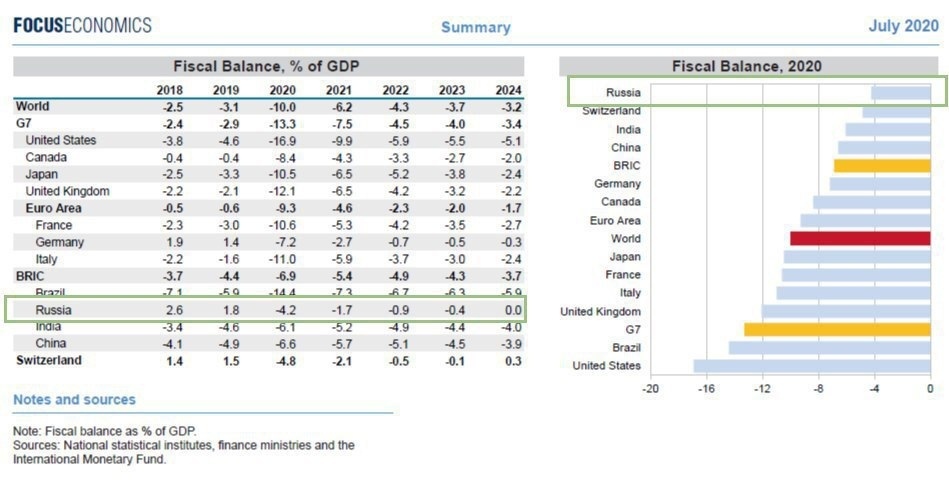
Modern Monetary Theory, using the sectoral balances method, shows that a budget deficit is the only way to achieve a surplus (excess of income over spending) for the private sector in countries with a negative trade balance (excess of imports over exports).

Competitive economy
Without the growth of production and exports, it is impossible to achieve the highest standard of living in the world; therefore, modern social democrats have no other choice but to build the most competitive economy possible.
One of the mistakes of the Soviet system was providing economic aid to countries of the socialist camp and military allies22 (moreover, the Russian nomenklatura still spends money on other countries — for instance, 17 billion dollars have been invested in the Venezuelan economy over 20 years23). It turned out that funds that could have gone toward raising the standard of living were redistributed unwisely. The primary task of progressive social democrats is to raise the standard of living in their own country, creating an example of an efficient social-democratic economy, and this is incompatible with inequitable aid to other social-democratic countries (which should develop themselves rather than wait for help and develop “freeloader” behavior). Only when the country reaches leading positions in key standard-of-living indicators should it take care of other countries.
In our view, creating a competitive economy can be achieved through the following factors:
- Equal starting opportunities for citizens as much as possible, as a result of which the most capable will gain the best opportunities, not those who won the lottery of family connections;
- Maximum reduction of social inequality and high speed of social mobility in both directions, which will help keep only those whose work is consistently effective in the elite, and not just at the initial stage;
- Progressive ideology and values, which will help development in all spheres;
- Raising the level of the rule of law;
- A rational system of democracy — to control the society’s elites and prevent their stagnation;
- Reforming the system of education and professional training;
- Building an economy oriented toward the export of manufactured products.
Besides this, we have already pointed out the need to reduce stagnant employment sectors. The last factor listed is key to concentrating capital and wealth in the country (however, without the implementation of the first five points, it will not lead to an increase in the prosperity of the majority of the population, and income will go into the hands of a few individuals). For the development of an export-oriented economy, the complex of measures that we described in the article on economic growth is necessary. Private business must be maximally legally protected to organize fair competition between the public and private sectors. The taxation system is intended to curb the excessive growth of individual representatives of the private sector.
Again, if the public sector is truly the future of the economy, it will displace the private sector without the help of directives and tax breaks. If it cannot do so without the help of directives, a country where everything is nationalized “from above” rather than because of effective public-sector performance will inevitably collapse in confrontation with other countries whose economies are led by the most effective forms of management. We have seen an example of this — the confrontation between the Eastern Bloc and Western capitalist countries.
Institutions of the social welfare state can also help social democrats in economic growth. Social security programs can encourage people to take more risks in their choice of profession, entrepreneurial activity, and willingness to change jobs by providing them with “safety nets”. A famous slogan of the Swedish Social Democratic Party states: “Secure people dare”24.
An important role in a social-democratic economy is assigned to human capital. At first, one of the best investments is attracting the world’s best economists and other specialists to develop a state investment strategy and education standards/programs. There is a high chance that a progressive social-democratic project implemented in Russia would attract such personnel. But great attention must also be paid to creating one’s own talent, which is why the education system is one of the most important factors for the success of a social-democratic economy. Thomas Piketty, recipient of the British Academy Medal25, notes:
The education system should be designed to foster not just executors, but independently thinking personnel. The process of spreading knowledge and skills is a key mechanism ensuring both overall growth in productivity and a reduction in inequality within any given country and on a global scale26.
Indicative planning should be used for developing a state development strategy. As noted by the Great Russian Encyclopedia, its methods were applied in post-war France, the Netherlands, and Japan, and the French experience was later recommended by the European Economic Community for use in drawing up medium-term economic programs27. In Sweden, this is largely handled by the Fiscal Policy Council, which evaluates the government’s plans for new spending: whether they align with long-term goals of economic growth, maintaining financial stability, high employment, and so on28.
Competitive economy
As Ha-Joon Chang reports, the investment rate is very important: no economy has reached “miraculous” growth rates (i.e., more than 6 percent per year in per capita terms) without investing at least 25 percent of GDP in fixed capital. During the peak periods of such growth, countries invested at least 30 percent of GDP. In the late 1960s and 1970s, the investment rate in Japan exceeded 35 percent. During the time of China’s “miraculous” growth, which began in the 1980s, the state’s investment rate was 30 percent, and it sometimes even exceeded 40 percent over the last decade29. Another clear indicator of economic development is the ratio of research and development (R&D) expenditures to GDP and its dynamics. Richer countries spend more on these expenses. The OECD average for 2010 was 2.3 percent, and several countries spent more than 3 percent of GDP on these goals, accordingly achieving impressive progress in high-tech industries — for example, Finland and South Korea30, the leaders of the list (this was the heyday of Nokia and Samsung). Thus, it turns out that social democrats need a high share of investment, including in R&D. Combined with a competent system of training and personnel selection, this will help create a developed economy.
One should study, and then implement in the public sector and popularize outside of it, the world’s best achievements in the field of improving production organization. For example, the system of continuous process improvement and lean manufacturing31, for which the Toyota company became famous (characterized by parts being delivered to the factory just-in-time, as a result of which storage costs are eliminated). Another example is reducing energy consumption (introducing stricter energy efficiency requirements for buildings, automobiles, and electrical equipment). Reducing costs increases business profitability, and along with it, their return on investment. It is also necessary to increase labor organization efficiency and upgrade equipment.
Reducing inequality and equal opportunities
We propose basing the first two factors for creating a competitive economy described above (starting opportunities, reduction of inequality) on the proposals formulated in the fundamental works of one of the most famous and authoritative contemporary economists — “Capital in the Twenty-First Century” and “Capital and Ideology” by the aforementioned French professor Thomas Piketty. In the first of these books, he proposed a complex of measures to reduce inequality in the form of tax reform (progressive income tax, wealth tax, inheritance tax), which should be supported by antitrust legislation, transparency of financial flows, and so on. Added to this is the need for significant tax breaks for investments aimed at developing industrial production and innovation.
Given the high level of inequality in many poor countries, absolute (and relative) poverty can be reduced without increasing production if appropriate income redistribution is provided. In the long run, however, significant reduction of absolute poverty requires economic development, as China has demonstrated to us in recent years… Inequality will always exist, but with appropriate policies, we can live in societies with equal income levels and opportunities, as many Norwegians, Finns, Swedes, and Danes will readily tell you32.
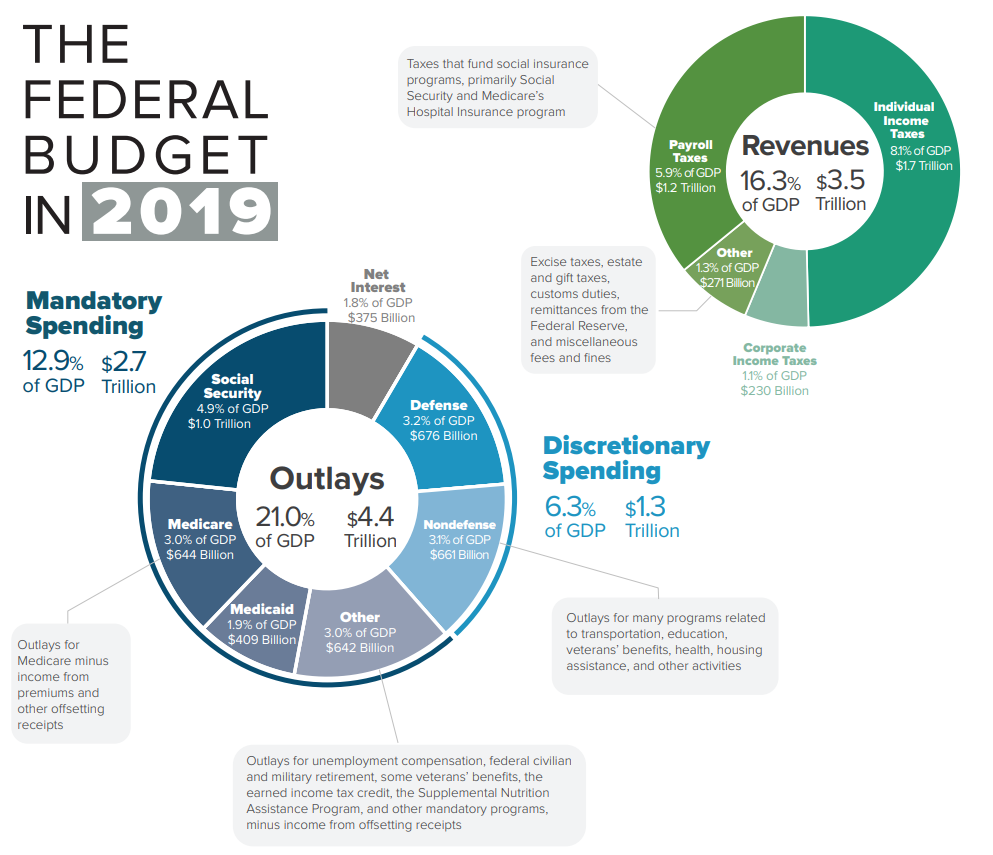
Taxes usually include: income tax, corporate tax (tax on company earnings), property tax, value-added tax (or sales tax), excise taxes on certain products (e.g., alcohol, gasoline), and others. Social democrats usually advocate for progressive taxation — for instance, a progressive tax is in effect in Sweden33. There, citizens give the state on average between a third to half of their income34, and this money finances social protection, healthcare, education, and so on. The country has open access to companies’ financial and accounting documents: trying to hide something is pointless. It is enough to enter a taxpayer’s name or a company’s name on the www.allabolag.se website, and one can see both how much they earn and how much tax they have paid. In many ways, the Swedish tax system is a model for social democrats all over the world.
Piketty notes that in the 20th century, the progressive tax played a leading role in reducing inequality35. In his view, it represents an ideal compromise between social justice and individual freedom36. The Declaration of the Rights of Man and of the Citizen already spoke of public contributions according to the means of citizens:
For the maintenance of the public force, and for administrative expenses, a common contribution is indispensable; it must be equally distributed among all citizens, in proportion to their ability to pay37.
This tax was an important constituent part of the prosperity of Western countries. In the US in the 20th century, the top income tax bracket even reached 94%, and the absolute record belongs to the UK — 98% as the top rate38. In France and West Germany from the 1940s to the 1980s, top rates applied ranging from 50 to 70%, but they never rose to 80-90%. The only exception was the period from 1947 to 1949 in West Germany, when the top rate reached 90%.
A progressive inheritance tax plays an important role in European societies. For example, a rate of 20-30% and even more (up to 40%) was applied in France after 194539; as Piketty notes, “it became easier for those who started from more modest positions to succeed — for example, by buying up firms or assets sold at the time of inheritance. Simple simulation shows that in the long run, a progressive inheritance tax can strongly reduce the top centile’s share in the distribution of wealth”40. In his book on inheritance, Josiah Wedgwood emphasized that democracies that do not democratize their economic system are inherently unstable, and he called for a very progressive inheritance tax41. For this reason, social democrats support a substantial progressive inheritance tax; however, a balance should be maintained here to avoid a situation where it becomes disadvantageous to leave an inheritance (which will lead to irrational capital spending by people and a decrease in state revenues from this tax).
However, Piketty goes further and proposes supplementing progressive income and inheritance taxes with a tax on large capital. He writes that “such an institution would avoid an endless spiral of inequality, effectively regulating the alarming dynamics of wealth concentration on a global scale”42. Progressive social democrats should have enough courage to turn Piketty’s proposals into reality:
As for the scale to be applied to this tax base, one can assume, for example, that the rate would be 0% for fortunes not reaching one million euros, 1% for fortunes from one to five million euros, and 2% for fortunes of more than five million euros. However, one could also opt for a much more progressive tax on the largest fortunes (for example, a rate of 5 or 10% for those exceeding one billion euros)… At this stage, it is important to realize that the capital tax in question is a progressive annual tax on total wealth: it is about taxing the largest fortunes more heavily and taking into account the entire totality of assets, whether real estate, financial, or professional, without any exception. This is how the capital tax proposed in this book differs from the wealth taxes currently existing in various countries, although there are important elements in the currently existing systems that are worth preserving43.
<…>
The capital tax allows for a more peaceful and effective response to the eternal problem associated with private capital and its return. A progressive tax on personal wealth is an institution that allows the public interest to regain control over capitalism, while relying on the forces of private property and competition. All categories of capital are taxed equally, without discrimination, based on the principle that asset owners usually make better decisions about where funds should be invested than the state. If necessary, the tax can be very progressive for the largest fortunes44.
Such tax policy can sometimes create incentives for moving capital out of the country into “offshore zones” and countries with low taxation. Therefore, the policy of social democrats involves creating barriers to capital flight. Here, signing the MLI convention — a multilateral treaty developed by the Organization for Economic Cooperation and Development (OECD) as part of the fight against base erosion and profit shifting (the BEPS Plan) — becomes necessary45. It assumes, for example, establishing rules according to which, in case a legal entity operates in a Contracting Jurisdiction and systematically concludes contracts or systematically plays a primary role leading to the conclusion of contracts, this enterprise should be considered as having a permanent establishment in that Contracting Jurisdiction. In 2010, the US passed the FATCA law (“Foreign Account Tax Compliance Act”), which obliges all foreign banks to transfer full information to American tax authorities about accounts, investments, and income belonging to and received by American taxpayers in the rest of the world46. It is also aimed at combating capital flight. Ensuring higher transparency of financial flows (when it is easy to find out who earns how much, it is also easy to find out who does not pay how much tax), as well as raising the level of the rule of law and freedom of the press, should contribute to better control.
In his work “Capital and Ideology”, Piketty proposes giving young people a large sum of money upon reaching the age of 25 (usually the age at which people have already obtained a higher education and initial work experience)47 (taken from state funds obtained, among other sources, through taxation) — this is the very idea of universal basic capital that we mentioned above. Julian Le Grand, formerly an advisor on social issues to British Prime Minister Tony Blair and currently a professor of social policy at the London School of Economics, agrees with him48. He proposes granting £10,000 to young people upon reaching the age of 1849 and notes that Thomas Paine was the first to propose this. Research has shown50 that possessing assets in youth predetermines greater success later on — higher income, higher employment, and even a more stable family situation. Le Grand also believes that proceeds from an inheritance tax could be a source of funding for such a program.
Piketty proposes a number of other reasonable solutions: the ability for ordinary company employees to have at least 50% of the seats on boards of directors, limiting the voting rights of even the largest shareholders to 10%, and so on51. A significant portion of these measures may need to be included in the social-democratic party’s platform.
Universal basic capital could become the new, powerful slogan for the 21st century that social democrats have been missing (much like the 8-hour workday slogan). It can also become a powerful factor for economic development. Under the current system, many talented citizens lack the starting conditions, as a result of which their talent is not realized, while many citizens without talent have starting conditions in the form of a large inheritance, as a result of which capital is wasted inefficiently. By smoothing out inequality in starting conditions, we will get more efficient investors and get rid of the inefficient ones faster (as they will lose out in competition to the former), and also ensure more effective capital investment. A certain analogue of universal basic capital — student capital — was even sought to be introduced (albeit only in words) in Putin’s Russia52, so it is hardly something incredible.
Antitrust legislation is also geared toward fighting inequality and capital concentration, including laws such as the Clayton Act or the Sherman Antitrust Act, which were adopted in the US (the Federal Trade Commission and the “Pujo Committee” were also created to monitor their enforcement)53. One of the tasks for social democrats is to create perfect competition, that is, a market in which there are no monopolies and oligopolies capable of controlling prices. Antitrust policy can even go as far as the forced breakup of large monopolies into several parts, as the US government did in 1984 with AT&T — a giant in the field of telephone services (it was divided into seven regional branches)54.
However, the new social-democratic economy implies a balance not only between the poor and the rich in general, but also a balance between poor and rich regions of the country. We have already written in a separate article about the division into states, which we consider the most reasonable. In such a model of federalism, a solution like the Swiss system of interregional cross-financial transfers and equalization of the fiscal capacity of federation subjects (Nationaler Finanzausgleich) should be implemented, which is a true machine for pumping funds from the wealthiest cantons (subjects of the federation) into the income of the less affluent55. As the Swissinfo portal notes, the goal of such a system is to counter processes that lead to an increase in the degree of regional inequality in terms of the endowment of federation subjects with financial resources. Switzerland does not want the lion’s share of national wealth to be concentrated only in a small number of centers of political and economic influence, aiming instead to equalize the potential of cantons and provide them with equal starting conditions for development, and to people, accordingly, equal “social elevators”. In the European Union, the Cohesion Fund performs similar functions56, which deals with the accumulation and redistribution of financial resources to support lagging regions. A similar system should be implemented in a social-democratic Russia. And in any case, at least 50% of tax revenues should remain in the regions.
Attitude toward nationalization
Today, nationalization and the public sector are not a fetish for social democrats, as they were for the left in the past. Modern social democrats have realized that the state can carry out capital redistribution and fiscal policy through taxes and legislative measures, and state-owned enterprises are not needed for this (however, this does not mean that one should abandon the state form of ownership where it is truly effective). Tony Blair and Gerhard Schröder went even further, releasing a manifesto in 1999 titled “Europe: The Third Way / The New Middle,” where, among other things, they even proposed lowering taxes for employers (that is, for large corporations as well) and criticized “the belief that the state should compensate for the negative aspects of the market”57. This provoked a negative reaction from, for example, the then Prime Minister of France and leader of the French social democrats, Lionel Jospin58. However, attempts to develop policy in this vein soon hit their limit — already under the next British Labour Prime Minister, Gordon Brown, the government moved toward increasing state intervention, and the SPD’s Hamburg Program in 2007 proposed making the state responsible for curbing market forces. An article by SPD leaders Sigmar Gabriel, Peer Steinbrück, and Frank-Walter Steinmeier titled “Why we need a social market economy” from 2012 already speaks about the need to return to a market that corresponds to democracy and about “renewing the social market economy”59. Therefore, it can be stated that social democrats today consider nationalization acceptable only in crisis situations, yet they do not abandon the public sector and state regulation of the economy. We examined the issue of nationalization in more detail in this article.
The public sector today is needed by social democrats mainly in order to create a balance between forms of ownership, which will ensure stability and competition in the political life of the country. Because if private capital owns everything — it will become the ruling class in society and will suppress the rest; if the bureaucracy owns everything — the same will happen to it. If, however, different forms of ownership are represented in the economy, then different classes of owners will keep each other in check. The public sector can also be useful for generally setting a vector for the country’s economic development through it and promoting the introduction of innovations. After all, private owners are not always capable of ensuring the creation of industries that are necessary for the implementation of state development policy.
Stages of implementation
The editorial board of the online publication “Regions of Russia” believes that in our country, the implementation of a Scandinavian-type social-democratic model is unrealistic due to the low level of trust in the state60. This is true with regard to the current state. Therefore, one of the first steps for social democrats is the lustration of the nomenklatura – a crucial step on the path toward building trust in the state, because there can no longer be any trust in the current elites within society.
Without this step, it is unlikely that the next one — raising the level of the rule of law and guarantees of law enforcement — can be effectively implemented. Because if the law is not the same for everyone, the rot of the elites begins in your country. They will create corrupt schemes, try to suppress the press and political opponents, and establish a dictatorship. If the law is one for all and is actually enforced, such attempts will end in court and defeat for representatives of the elites. We have already written a piece on why the rule of law is necessary and how to raise the level of its implementation.
The first two steps create the foundation upon which the edifice of social-democratic institutions can be built, including a free press, a functioning tax system, strong trade unions, democratic government bodies, the rotation of power, and so on. Each of these components is very important for ensuring the efficiency of the social-democratic economy.
Therefore, an important factor is the institutional environment in which the economy functions. Public institutions represent specific “rules of the game” for all actors, covering all spheres of life, including the economy. Thus, a large role is assigned to a systemic approach, the advantage of which lies in the comprehensive consideration of social processes. Studying the institutional environment is extremely important because identical reforms in different conditions will lead to different results. For instance, social reforms are most effective when there is a high level of social trust, and businesses are much more comfortable in political systems with independent courts.
Institutions are the most important object of study for representatives of the new institutional school, the most famous of whom are James Robinson and Daron Acemoglu. Among domestic authors, one can mention Sergei Guriev and Konstantin Sonin.
Many are skeptical about the potential achievements of social democrats due to the fact that elites will try to dismantle these achievements and will face no worthy counterweight. However, such a counterweight is precisely what is created when strengthening democratic institutions and civil society, and when strengthening left-wing parties. Furthermore, these democratic institutions can expand even further — perhaps through the realization of the hypothesis of a professional council system, which we described in the article on democratic government bodies.
Popularization of values
If we study the history of the origins of the welfare and wealth of countries, we come to the conclusion that they are significantly influenced not only by economic structure and institutions, but also by prevailing values. And we notice a pattern – the more conservative a society is, the more backward it is. This is quite logical – after all, if people are closed off to everything unusual and unfamiliar, they will invent and try fewer new things and will develop much more slowly. Conversely, the more developed progressive values are, the more successful such a country is. Our task is the ideological battle with conservatives, the dismantling of the conservative propaganda machine. We can achieve unprecedented success for progressive values – let us hope that this becomes one of the factors for rapid economic growth. In the event that it does not, a revision of policy on this issue is seen as the solution.
We have already written about what national policy social democrats should pursue to remove the negative effect of racism and nationalism. We also noted the positive role of overcoming history. The value system, even if only a constituent component of success, is an important one.
Conclusion
How will we manage to realize the 11 goals set at the beginning of the article? In this article and the article on economic growth, we have revealed the sources of funding for social-democratic reforms, which solves tasks 5 and 9 (competitive economy and a model for Third World countries). Social-democratic reforms, also described by us here, solve tasks 1 and 7 (raising the standard of living and the social welfare state). Tax regulation is aimed at fulfilling goal number 2 (reducing inequality). The attitude toward forms of ownership and the building of institutions solve tasks number 10 and 11 (democratic economy and the quality of goods/services). All of this, in combination, creates the necessary base for the realization of goals 3, 4, 6, and 8 (education system, Fourth Industrial Revolution, ecology, 6-hour workday).
The article was written with the participation of Daniil Primerov and Valentin Khoroshenin.
- Ha-Joon Chang // Mann, Ivanov and Ferber Publishing House. [Electronic resource]. URL: https://www.mann-ivanov-ferber.ru/authors/ha-joon/ (accessed: 15.08.2020).
- Ha-Joon Chang. Economics: The User’s Guide / Ha-Joon Chang. – New York: Bloomsbury Press, 2014. – p. 48.
- Erik S. Reinert. How Rich Countries Got Rich… and Why Poor Countries Stay Poor. – New York: Carroll & Graf, 2007. – pp. 26-29.
- Ha-Joon Chang. Economics: The User’s Guide / Ha-Joon Chang. – New York: Bloomsbury Press, 2014. – p. 48.
- Ibid., p. 476.
- H. Simon. The Sciences of the Artificial, 3rd edition (Cambridge, MA, The MIT Press 1996), p. 31
- Ha-Joon Chang. Economics: The User’s Guide / Ha-Joon Chang. – New York: Bloomsbury Press, 2014. – p. 129.
- R. Lanz and S. Miroudot, “Intra-firm trade patterns, determinants and policy implications”, OECD Trade Policy Papers no. 114 (Paris: OECD, 2011)
- Peter Gowan, Mio Tastas Viktorsson. Revisiting the Meidner Plan // Jacobin (www.jacobinmag.com). [Electronic resource]. URL: https://www.jacobinmag.com/2017/08/sweden-social-democracy-meidner-plan-capital (accessed: 15.08.2020).
- Ha-Joon Chang. Economics: The User’s Guide / Ha-Joon Chang. – New York: Bloomsbury Press, 2014. – p. 146.
- Ha-Joon Chang. Economics: The User’s Guide / Ha-Joon Chang. – New York: Bloomsbury Press, 2014. – p. 129.
- Governance // Corporación Mondragon (www.mondragon-corporation.com). [Electronic resource]. URL: https://www.mondragon-corporation.com/en/about-us/governance/ (accessed: 15.08.2020).
- Our Business // John Lewis Partnership (www.johnlewispartnership.co.uk). [Electronic resource]. URL: https://www.johnlewispartnership.co.uk/about.html (accessed: 15.08.2020).
- I.I. Aminov. Implementation of the idea of a social welfare state in the Scandinavian countries // Almanac of Modern Science and Education – Tambov: Gramota, 2010. No. 1 (32): in 2 parts. Part II. – pp. 8-9.
- Health expenditure by financing scheme | Health at a Glance 2019 : OECD Indicators // OECD iLibrary (www.oecd-ilibrary.org). [Electronic resource]. URL: https://www.oecd-ilibrary.org/sites/e6b41a30-en/index.html?itemId=/content/component/e6b41a30-en (accessed: 19.08.2020).
- Ha-Joon Chang. Economics: The User’s Guide / Ha-Joon Chang. – New York: Bloomsbury Press, 2014. – p. 251.
- Ibid., p. 254.
- Public Service Hall in Georgia: what is it // adagamov.info. June 26, 2012, 19:27. [Electronic resource]. URL: https://adagamov.info/3743610.html (accessed: 15.08.2020).
- Ha-Joon Chang. Economics: The User’s Guide / Ha-Joon Chang. – New York: Bloomsbury Press, 2014. – pp. 26-28.
- I.I. Aminov. Implementation of the idea of a social welfare state in the Scandinavian countries // Almanac of Modern Science and Education – Tambov: Gramota, 2010. No. 1 (32): in 2 parts. Part II. – pp. 8-9.
- How they fight corruption in Sweden // Official website of Sweden in Russian (ru.sweden.se). [Electronic resource]. URL: https://ru.sweden.se/ljudi/provesti-chertu-kak-v-shvecii-boryutsya-s-korrupciej/ (accessed: 15.08.2020).
- How much the USSR spent on aid to other countries // Vzglyad (vz.ru). [Electronic resource]. URL: https://vz.ru/infographics/2015/8/31/764256.html (accessed: 15.08.2020).
- Alexey Portansky. Full of generosity. Why Russia spends more on Venezuela and other third-world countries than on its own regions // The Insider (theins.ru). January 28, 2019. [Electronic resource]. URL: https://theins.ru/opinions/aleksej-portanskij/137951 (accessed: 15.08.2020).
- Katrine Marçal. Not the same old Sweden // Das Progressive Zentrum (www.progressives-zentrum.org). October 14, 2010. [Electronic resource]. URL: https://www.progressives-zentrum.org/not-the-same-old-sweden/ (accessed: 15.08.2020).
- British Academy Prizes and Medals Ceremony 2014 // The British Academy (www.thebritishacademy.ac.uk). November 25, 2014. [Electronic resource]. URL: https://www.thebritishacademy.ac.uk/events/british-academy-prizes-and-medals-ceremony-2014/ (accessed: 15.08.2020).
- Thomas Piketty. Capital in the Twenty-First Century. – Cambridge: The Belknap Press of Harvard University Press, 2014. – p. 48.
- A.A. Tkachenko. Indicative Planning // Great Russian Encyclopedia. Vol. 11. Moscow, 2008, p. 242. [Electronic resource]. URL: https://bigenc.ru/economics/text/2009079 (accessed: 15.08.2020).
- Swedish economy: a success story // Official website of Sweden in Russian (ru.sweden.se). June 16, 2020. [Electronic resource]. URL: https://ru.sweden.se/ljudi/ekonomika-shvecii-istoriya-uspeha/ (accessed: 15.08.2020).
- Ha-Joon Chang. Economics: The User’s Guide / Ha-Joon Chang. – New York: Bloomsbury Press, 2014. – p. 173.
- Ibid., p. 175.
- Nikolay Solomon. How to accelerate the economy by increasing labor productivity // Vedomosti (www.vedomosti.ru). December 5, 2018, 15:41. [Electronic resource]. URL: https://www.vedomosti.ru/economics/blogs/2018/12/05/788473-uskorit-ekonomiku-proizvoditelnosti (accessed: 11.08.2023).
- Ha-Joon Chang. Economics: The User’s Guide / Ha-Joon Chang. – New York: Bloomsbury Press, 2014. – p. 238.
- Taxes in Sweden // PwC Sweden (www.pwc.se). [Electronic resource]. URL: https://www.pwc.se/en/business-sweden/taxes-sweden.html (accessed: 15.08.2020).
- Swedish taxes: love with obligations // Official website of Sweden in Russian (ru.sweden.se). June 12, 2020. [Electronic resource]. URL: https://ru.sweden.se/ljudi/nalogi-v-shvecii-lyubov-s-obyazatelstvami/ (accessed: 15.08.2020).
- Thomas Piketty. Capital in the Twenty-First Century. – Cambridge: The Belknap Press of Harvard University Press, 2014. – p. 493.
- Ibid., p. 507.
- Declaration of the Rights of Man and of the Citizen. Article 13.
- Thomas Piketty. Capital in the Twenty-First Century. – Cambridge: The Belknap Press of Harvard University Press, 2014. – p. 508.
- See the modeling described in: Dell F. L’Allemagne inégale… See also: Ibid. Top incomes in Germany over the 20th century // Journal of the European Economic Association. 2005.
- Thomas Piketty. Capital in the Twenty-First Century. – Cambridge: The Belknap Press of Harvard University Press, 2014. – p. 370.
- J. Wedgwood. The Economics of Inheritance. Pelican Books. 1929 (republished in 1939)
- Thomas Piketty. Capital in the Twenty-First Century. – Cambridge: The Belknap Press of Harvard University Press, 2014. – p. 518.
- Ibid., p. 520.
- Ibid., p. 538.
- What is the MLI Convention and what is the goal of its development? // IFRS Bulletin (msfz.ligazakon.ua). [Electronic resource]. URL: https://msfz.ligazakon.ua/magazine_article/FZ001893 (accessed: 15.08.2020).
- Thomas Piketty. Capital in the Twenty-First Century. – Cambridge: The Belknap Press of Harvard University Press, 2014. – p. 525.
- Thomas Piketty. Capital and Ideology / Translated by Arthur Goldhammer. – 1093 p. – Cambridge, Massachusetts; London, England: The Belknap Press of Harvard University Press, 2020. – p. 981-984.
- Margarita Lyutova. Global risks for everyone, vaccine passports and universal basic capital // Econs.online (econs.online). January 25, 2021. [Electronic resource]. URL: https://econs.online/articles/blogs/problema-nedoveriya-k-vaktsinam-novye-zadachi-tsentrobankov/ (accessed: 15.02.2021).
- Julian Le Grand. The case for Universal Basic Capital: a £10k grant for every 18-year-old // LSE COVID-19 (blogs.lse.ac.uk). January 22, 2021. [Electronic resource]. URL: https://blogs.lse.ac.uk/covid19/2021/01/22/the-case-for-universal-basic-capital-a-10k-grant-for-every-18-year-old/ (accessed: 15.02.2021).
- Abigail McKnight. Estimates of the asset-effect: the search for a causal effect of assets on adult health and employment outcomes // LSE Research Online (eprints.lse.ac.uk). [Electronic resource]. URL: http://eprints.lse.ac.uk/43896/1/CASEpaper149.pdf (accessed: 15.02.2021).
- Anna Kovalenko. Left-wing economist Thomas Piketty has released a book on abolishing the billionaire class // The Bell (thebell.io). September 15, 2019. [Electronic resource]. URL: https://thebell.io/levyj-ekonomist-toma-piketti-vypustil-knigu-ob-uprazdnenii-klassa-milliarderov (accessed: 15.08.2020).
- In Russia, they proposed introducing student capital // RIA Novosti (ria.ru). September 18, 2020, 06:57. [Electronic resource]. URL: https://ria.ru/20200918/studenty-1577420031.html (accessed: 11.08.2023).
- Daron Acemoglu. Why Nations Fail: The Origins of Power, Prosperity, and Poverty / Daron Acemoglu, James A. Robinson. – 529 p. – New York: Crown Publishing Group, 2012. – p. 343-344.
- Patrick A. Gaughan. Mergers, Acquisitions, and Corporate Restructurings / Patrick A. Gaughan. – 4th ed. – 688 p. – Hoboken, New Jersey: John Wiley & Sons, 2007. – p. 488.
- Donell O’Sullivan, Igor Petrov. How rich regions help the poor in Switzerland // SWI (www.swissinfo.ch). September 2, 2019, 11:00. [Electronic resource]. URL: https://www.swissinfo.ch/rus/финансовый-федерализм_как-в-швейцарии-богатые-регионы-помогают-бедным/45195402 (accessed: 15.08.2020).
- D.A. Bederak. Evolution of regional policy for equalizing levels of economic development in the European Union // Management. 2014. No. 2 (48). – p. 35.
- Anthony Blair, Gerhard Schröder. Declaration “The Third Way/The New Middle” // For Social Rights and Political Freedoms! (sd-inform.org). June 1999. [Electronic resource]. URL: http://sd-inform.org/upload/books/Politologija/social-demokratija/Bler-Sreder.pdf (accessed: 15.08.2020).
- N.V. Rabotyazhev. European social democracy in search of adaptation to a changing world // Politeia, 2012, No. 3. – p. 154.
- Gabriel S., Steinbrück P., Steinmeier F.-W. 2012. Warum wir die Soziale Marktwirtschaft brauchen // Frankfurter Allgemeine Zeitung. 01.04.
- Natalia Smirnova. Scandinavia built an ideal state on trust between the government and the people // Regions of Russia (www.gosrf.ru). December 10, 2018. [Electronic resource]. URL: https://www.gosrf.ru/news/39308/ (accessed: 15.08.2020).