Comparison of a city in Russia and in Europe
Sometimes, when the conversation turns to the need to look to developed democracies, one can hear that their standard of living is virtually no different from Russia's. Some Russians, having visited these countries, look for confirmation of their desire to prove this, and as the saying goes, seek and you shall find. A significant portion of Russians has never been to Europe at all, yet remains convinced that the urban infrastructure there is no better than in Russia. Let us try to take at least two examples for comparison.
The anti-Western hysteria whipped up by Russian statists is aimed at making Russian citizens reject the European path of state development and the European attitude toward bureaucracy (which implies competitive elections and rotation of power, disastrous for the nomenklatura). This will allow the authorities to continue pumping money out of citizens. Meanwhile, Europe has much to teach in terms of standard of living. We have already analyzed differences in living standards using indices and figures, but some aspects of life will be difficult to measure — such as the quality and beauty of urban amenities, which are a vital indicator of the competence of bureaucracy and the state as a whole. Various rankings can be used — for instance, the Quality of Life Index by City from the Numbeo portal for 2024 includes 199 cities1, of which only 5 are Russian, despite Russia being a very large country (there is not a single Russian city in the top one hundred). For example, there are 34 cities from the USA in the ranking, and 11 from Canada, although the population of Canada is about 38 million people, and Russia’s is about 143 million. In the study “World’s Best Cities”, which identified the top 100 cities to live in the world2, there is not a single Russian city (though there is one from the Republic of Belarus). Canada has 5 cities on this list, and the USA as many as 25. However, these are numbers, and they may not make much of an impression on many people who would prefer to see illustrations.
In this article, we will try to illustrate the difference between most Russian cities and cities from democratic countries. We will take not even the best country in Europe in terms of urban layout and economic development, as well as in terms of democracy — Italy (the Democracy Index by The Economist categorizes the country as a “flawed democracy”). We will not take tourist cities (so as not to be accused of picking a historically well-maintained place), but will take one of the most unremarkable and unappealing cities for tourists in this country — Empoli, whose population is slightly less than 50,000 people. Also, a reader sent us photos of a city similar in characteristics — the Russian city of Prokhladny from the Kabardino-Balkar Republic, whose population is even larger — slightly less than 60,000 people, meaning the Russian city has a head start in this regard. Therefore, we decided to take Empoli, which is similar in parameters to it. But we will also take some photos of Prokhladny from the Internet. Most of the photos of Prokhladny were taken in November, Empoli — in April, so there may be some differences in vegetation.
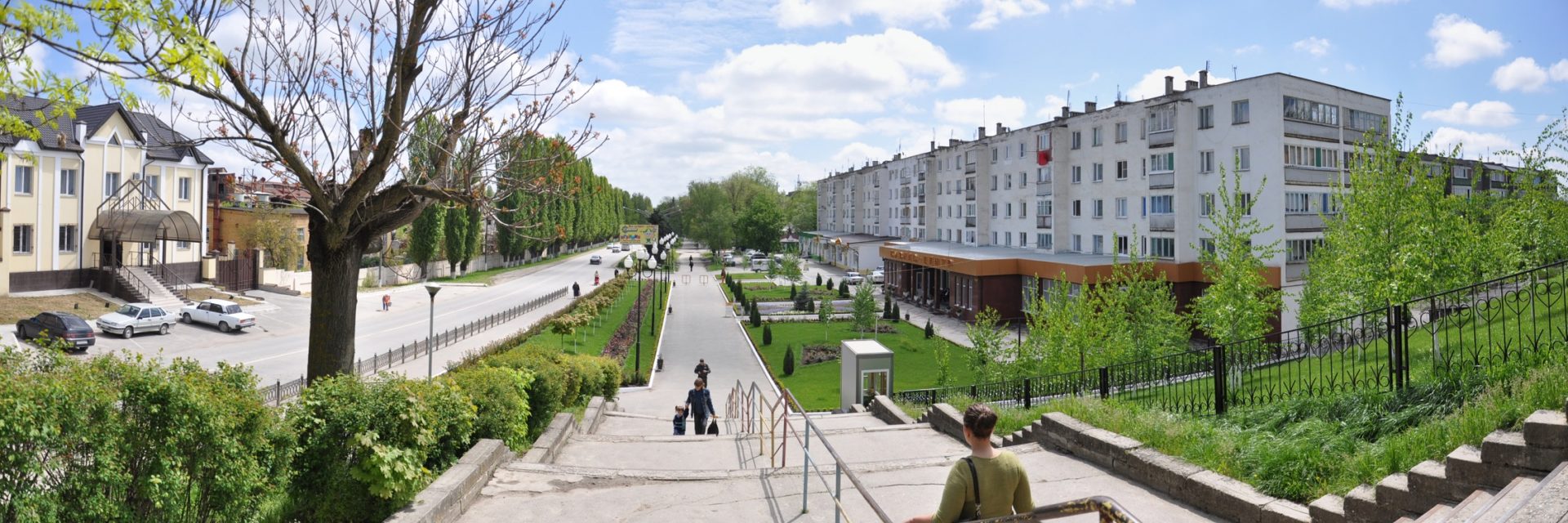
Let us start with the central street of the city. This is what a street of a Russian city looks like in a professional photograph:
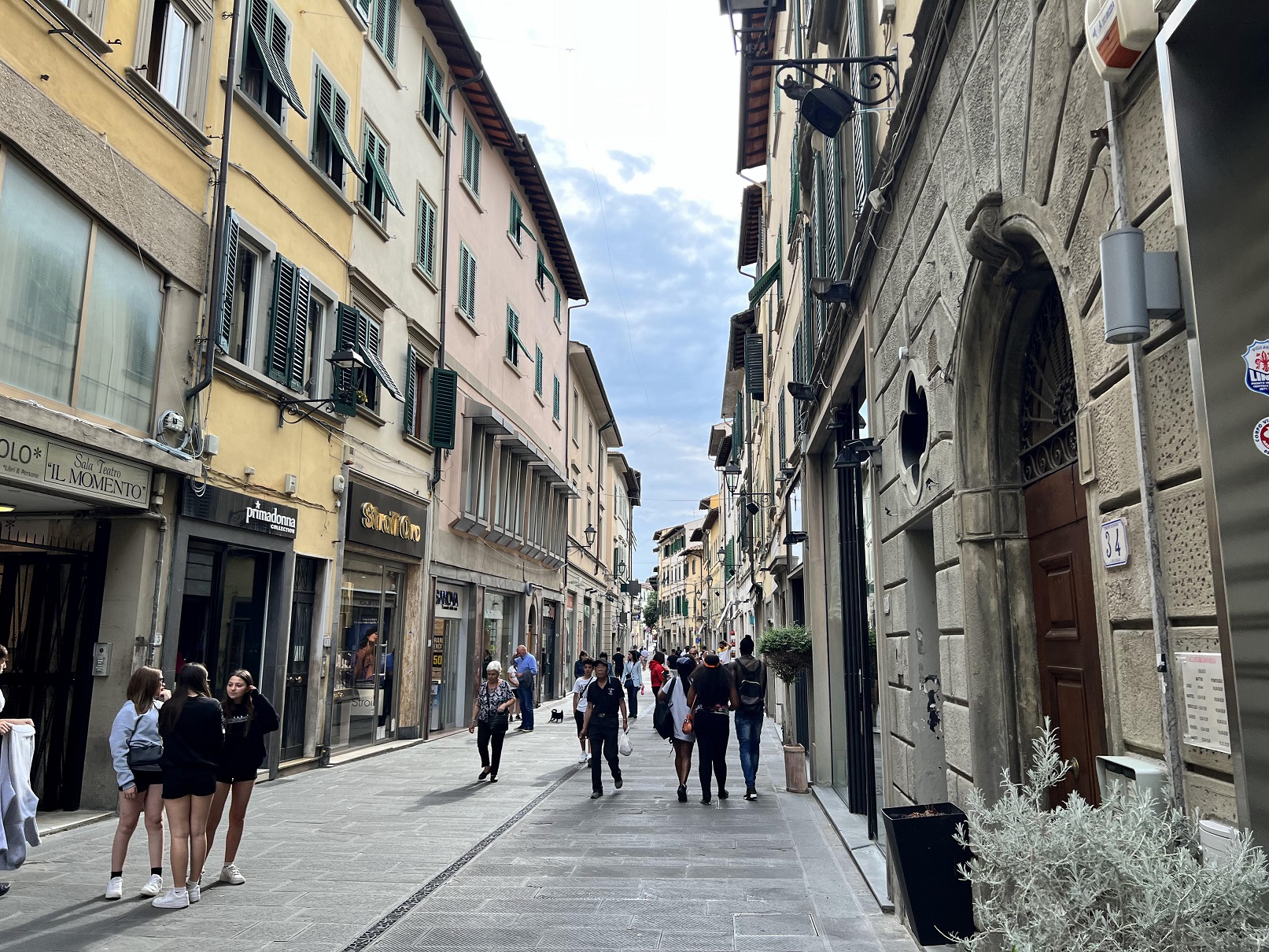
The central street of Empoli is much more lively in terms of trade, but not as picturesque:
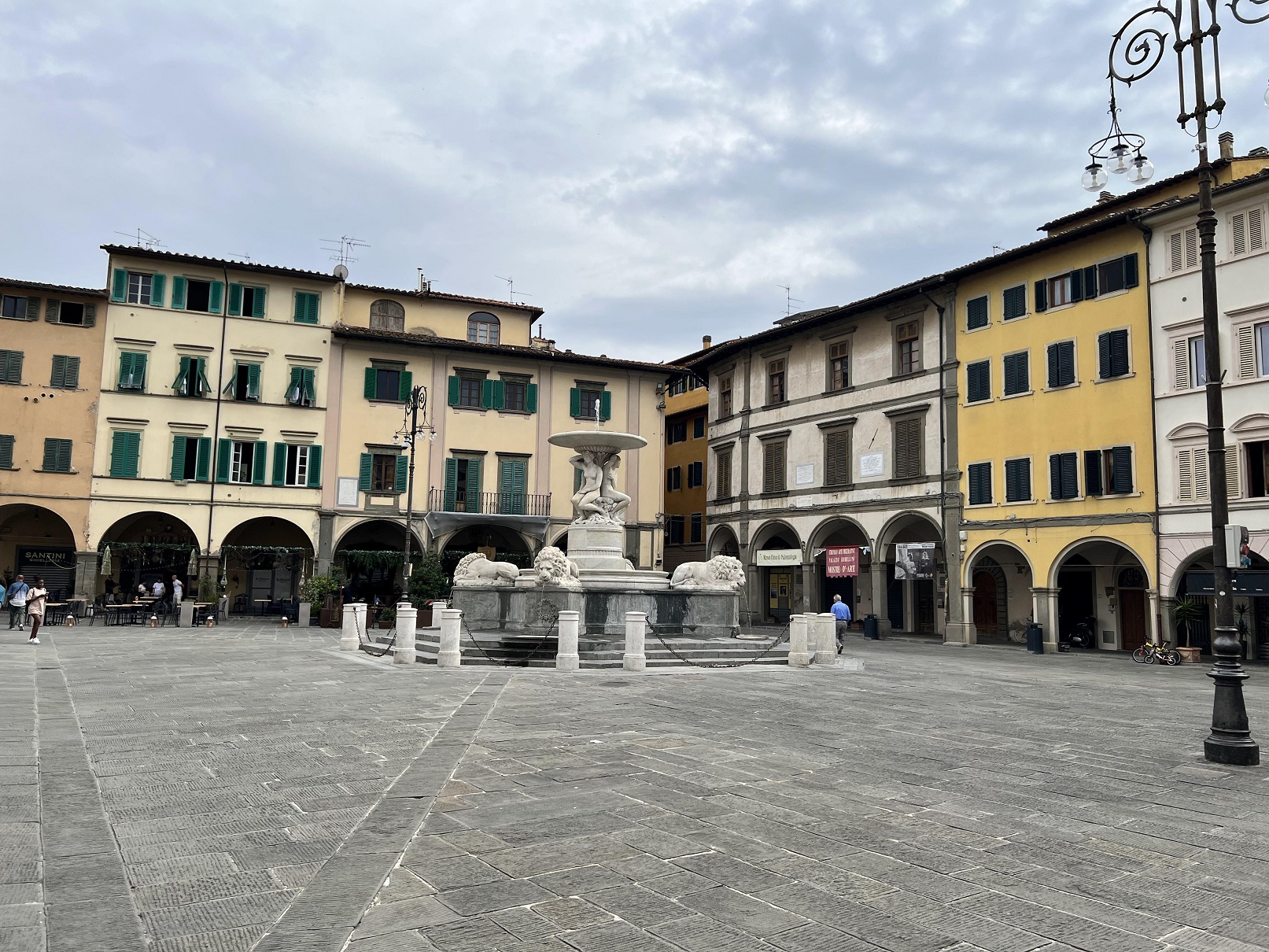
Nevertheless, there are picturesque places in the city center, such as on the main square:
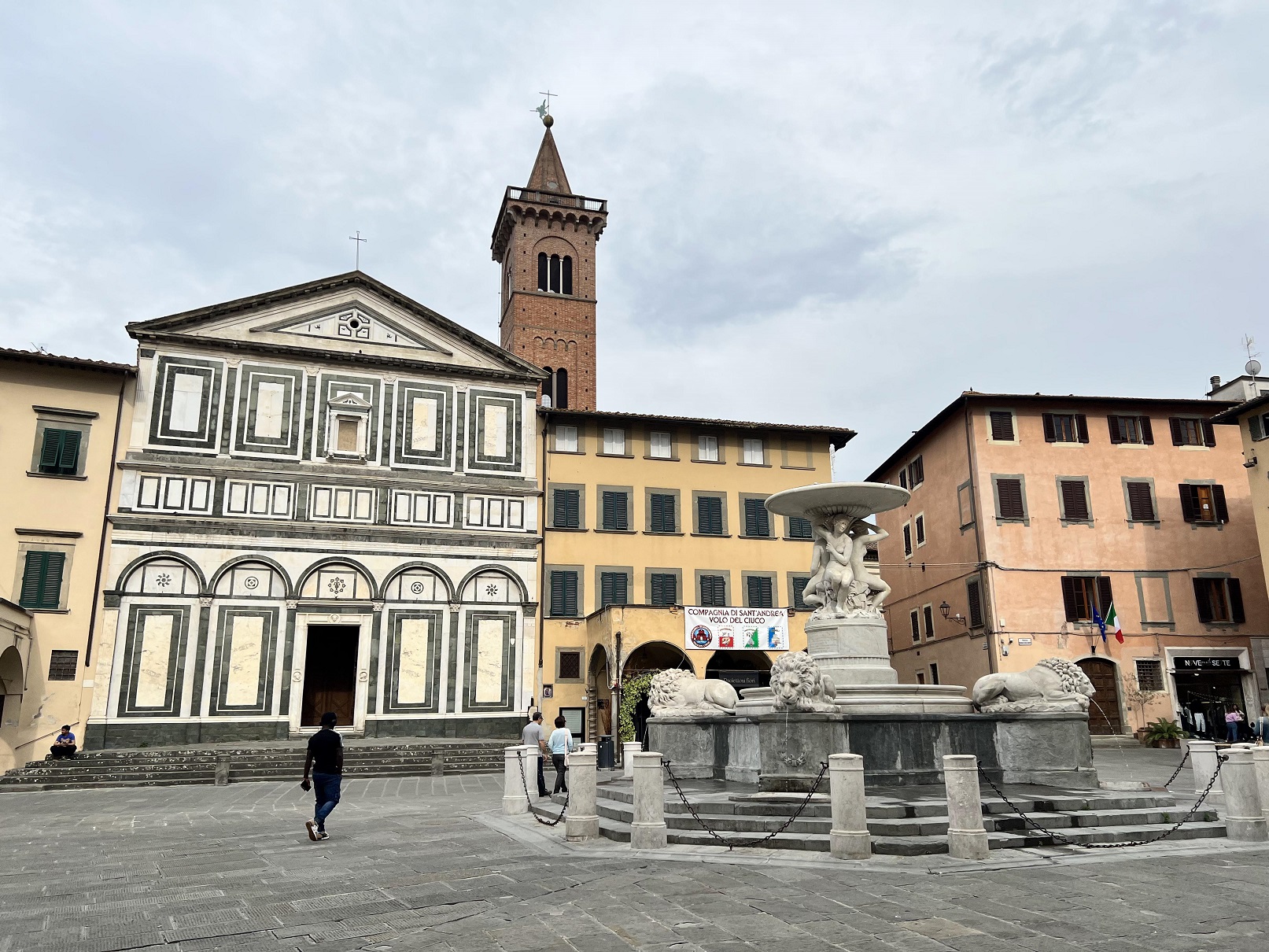
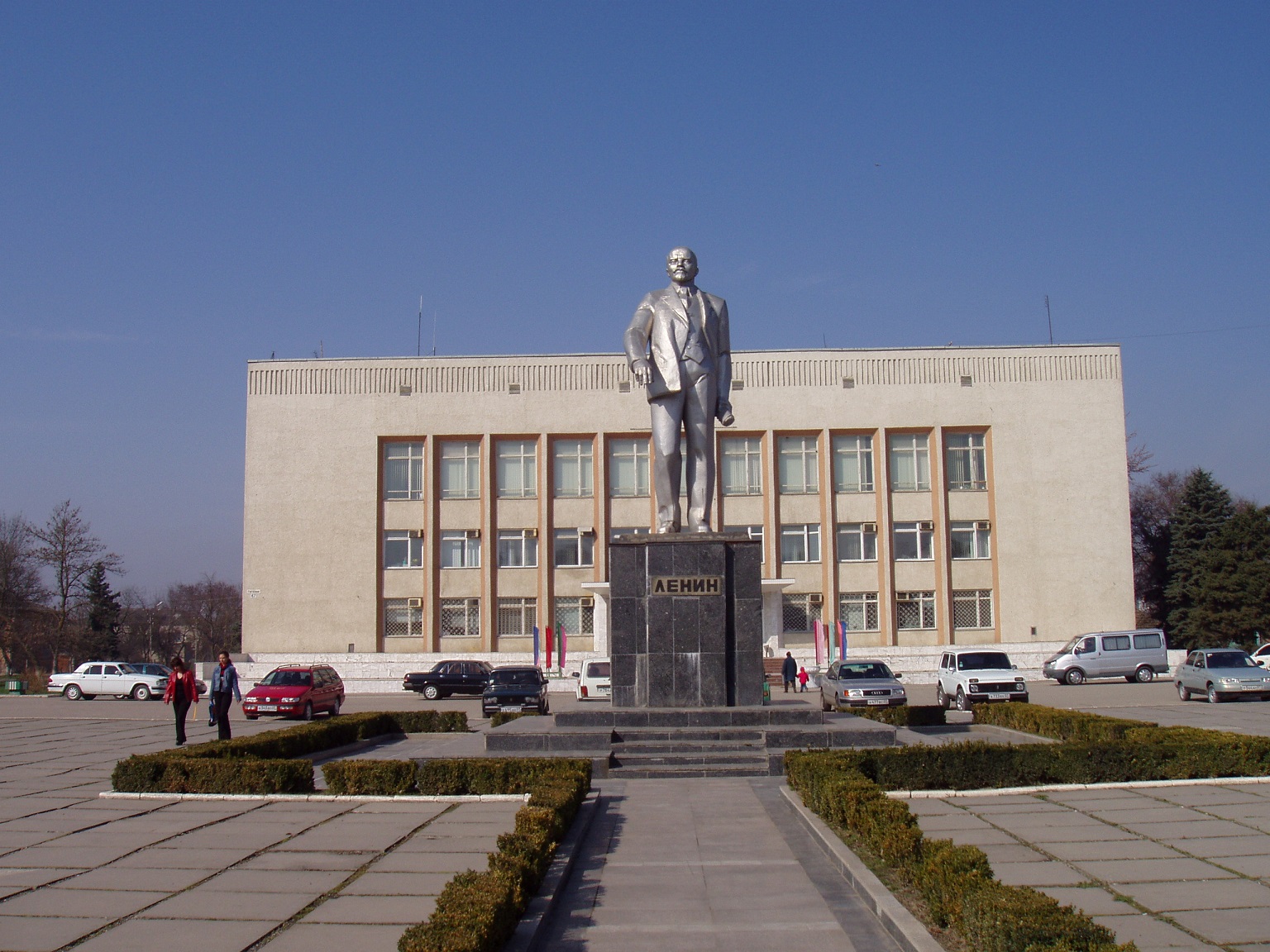
The main square in Prokhladny pleases the eye less; here, instead of a fountain, stands a statue of the leader and authority figure:
In the center of the Italian city stands a monument in memory of the soldiers who died during the First World War:
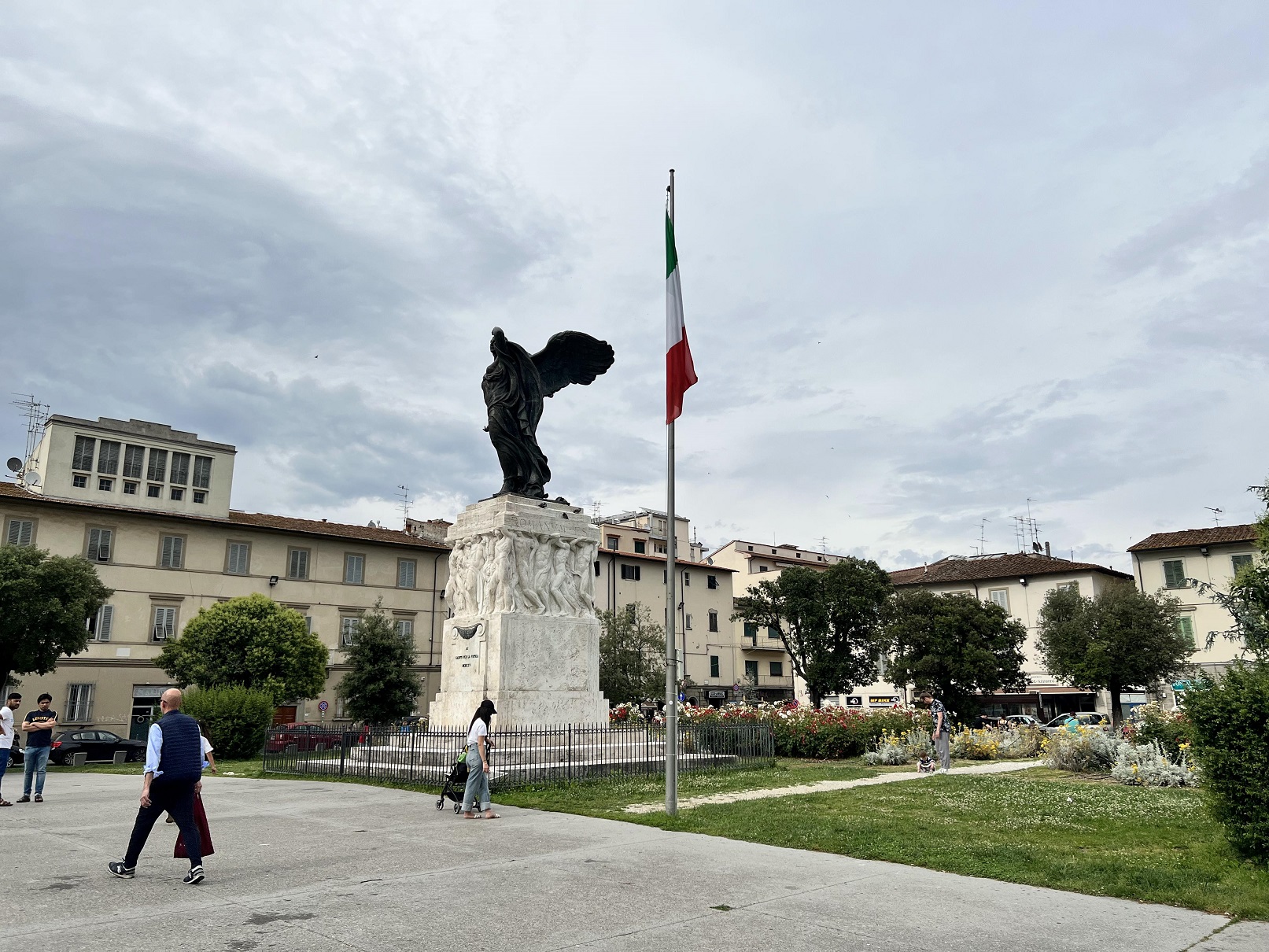
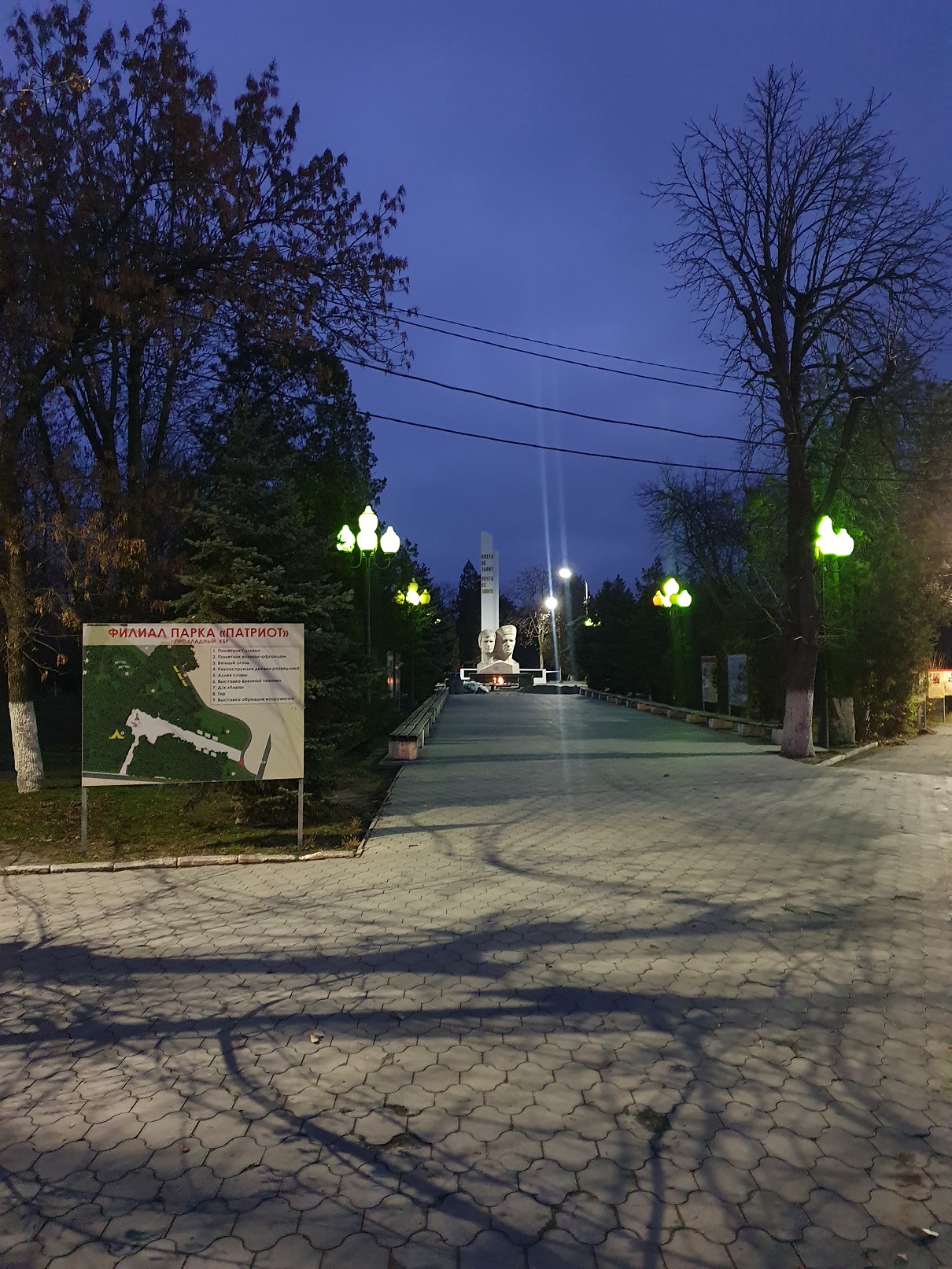
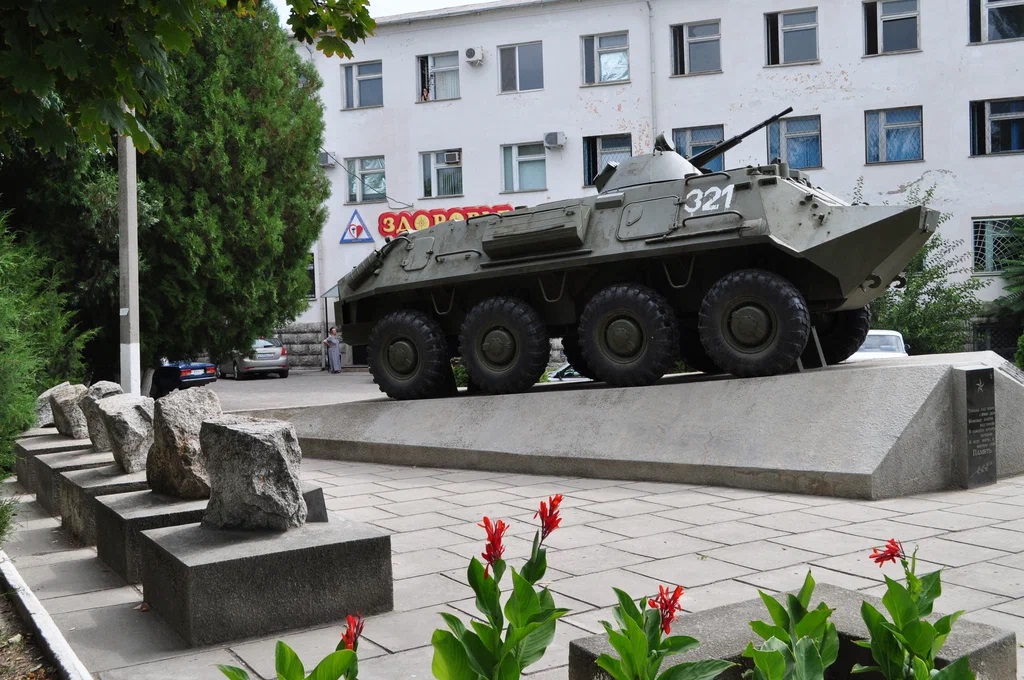
On this monument, the goddess Victoria stands on a pedestal held by many ordinary people whose lives won the victory in the war. This makes one reflect on the price that has to be paid for war. In Prokhladny, near the center, there is “Patriot” Park, where we are met by the stern faces of soldiers with the inscription “To Those Who Died for the Motherland”, as well as an armored personnel carrier mounted on a pedestal.
In the Italian city, however, there are other monuments as well. For example, this stele is dedicated to the workers of a glass factory who organized a strike against the Nazis and refused to supply them with products. Many of them were sent to the Dachau and Mauthausen concentration camps.
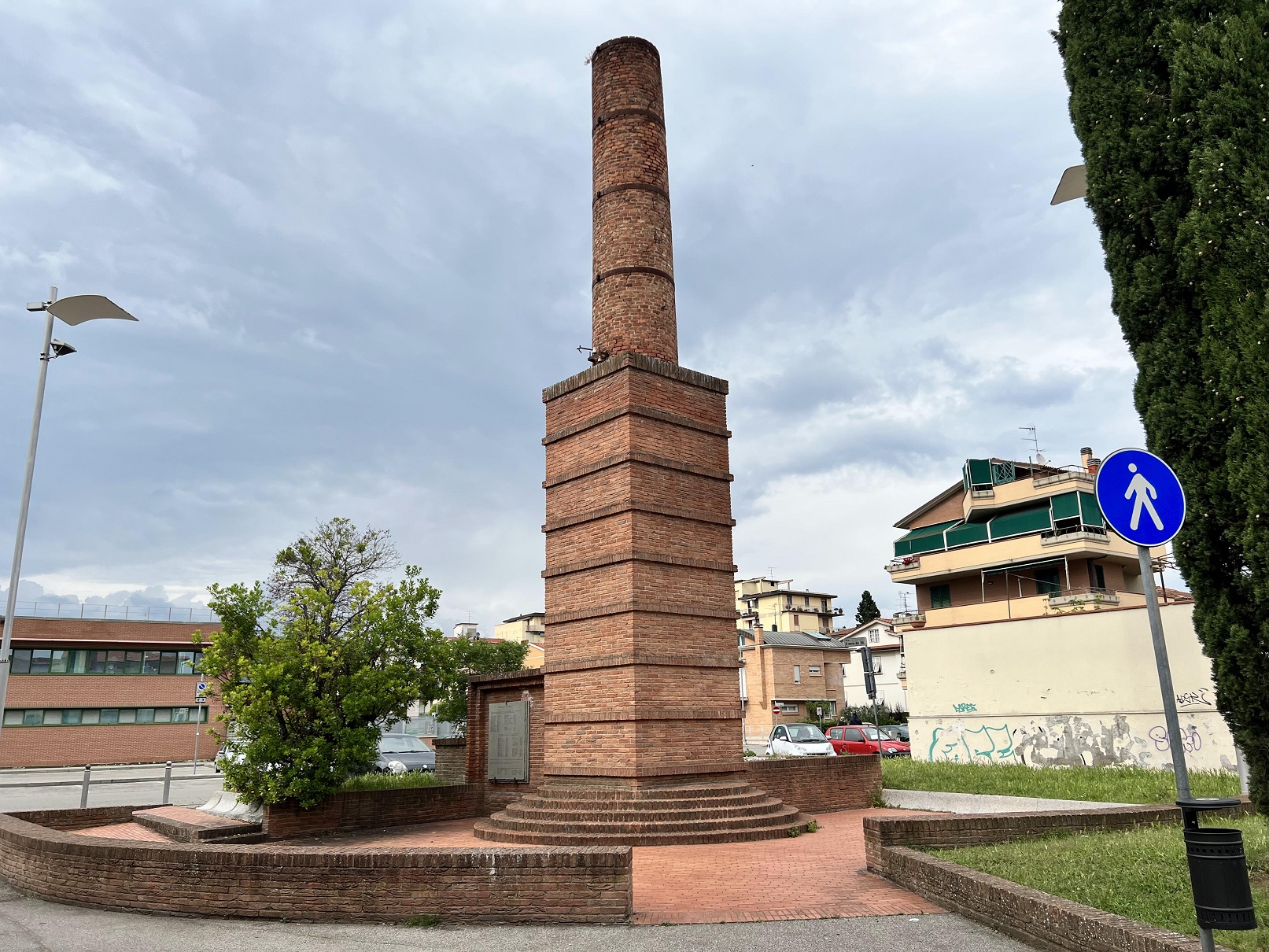
Next to the stele, there is a plaque with the words from Article 9 of the Universal Declaration of Human Rights: “No one shall be subjected to arbitrary arrest, detention or exile”. Portraits of figures of the anti-fascist movement greet those arriving in the city right near the station:
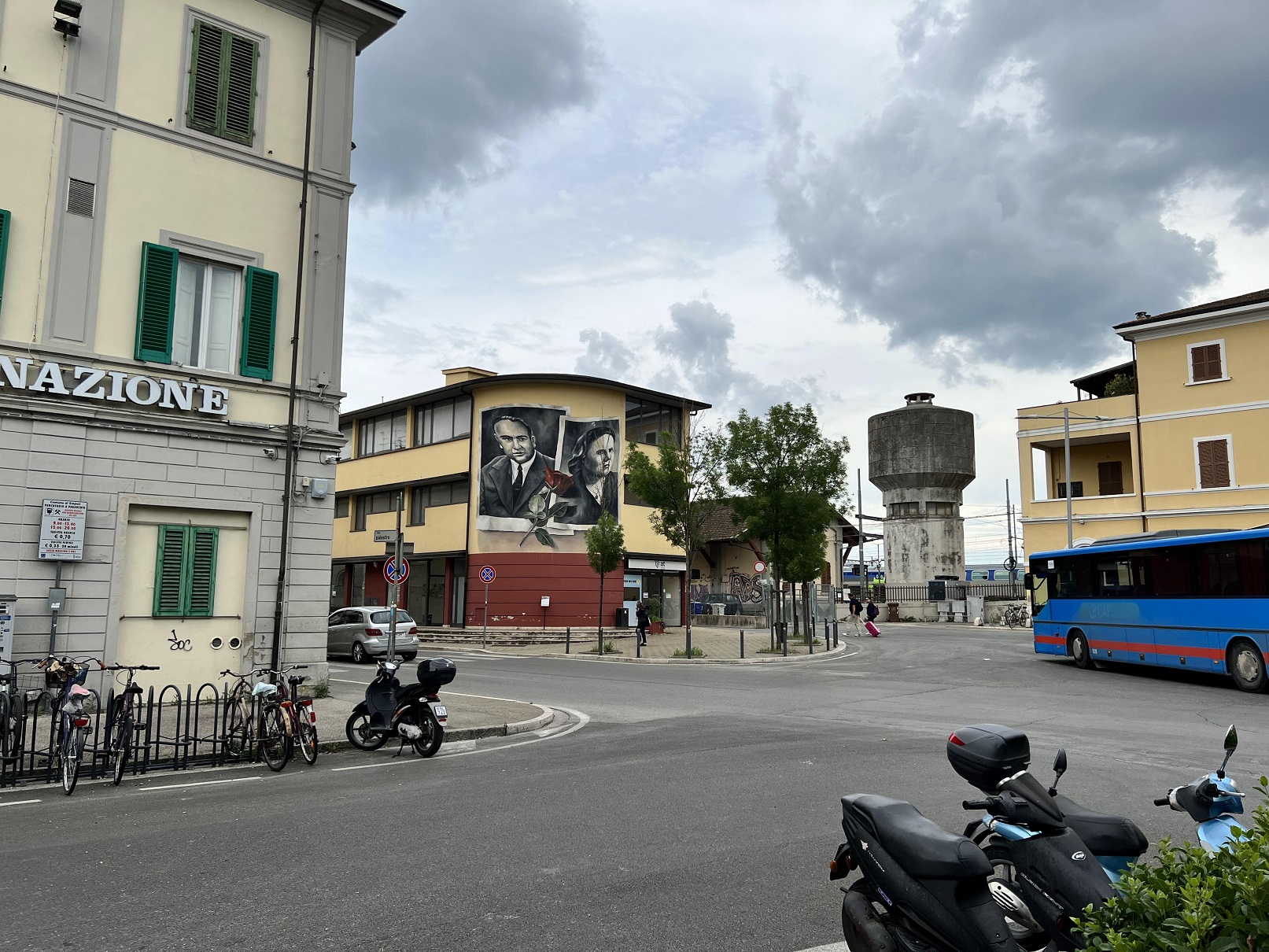
The effect of monuments to anti-fascists and striking workers for forming a consciousness that contributes to raising the living standard is much better suited than monuments to weapons and soldiers. And here is the Empoli station itself:
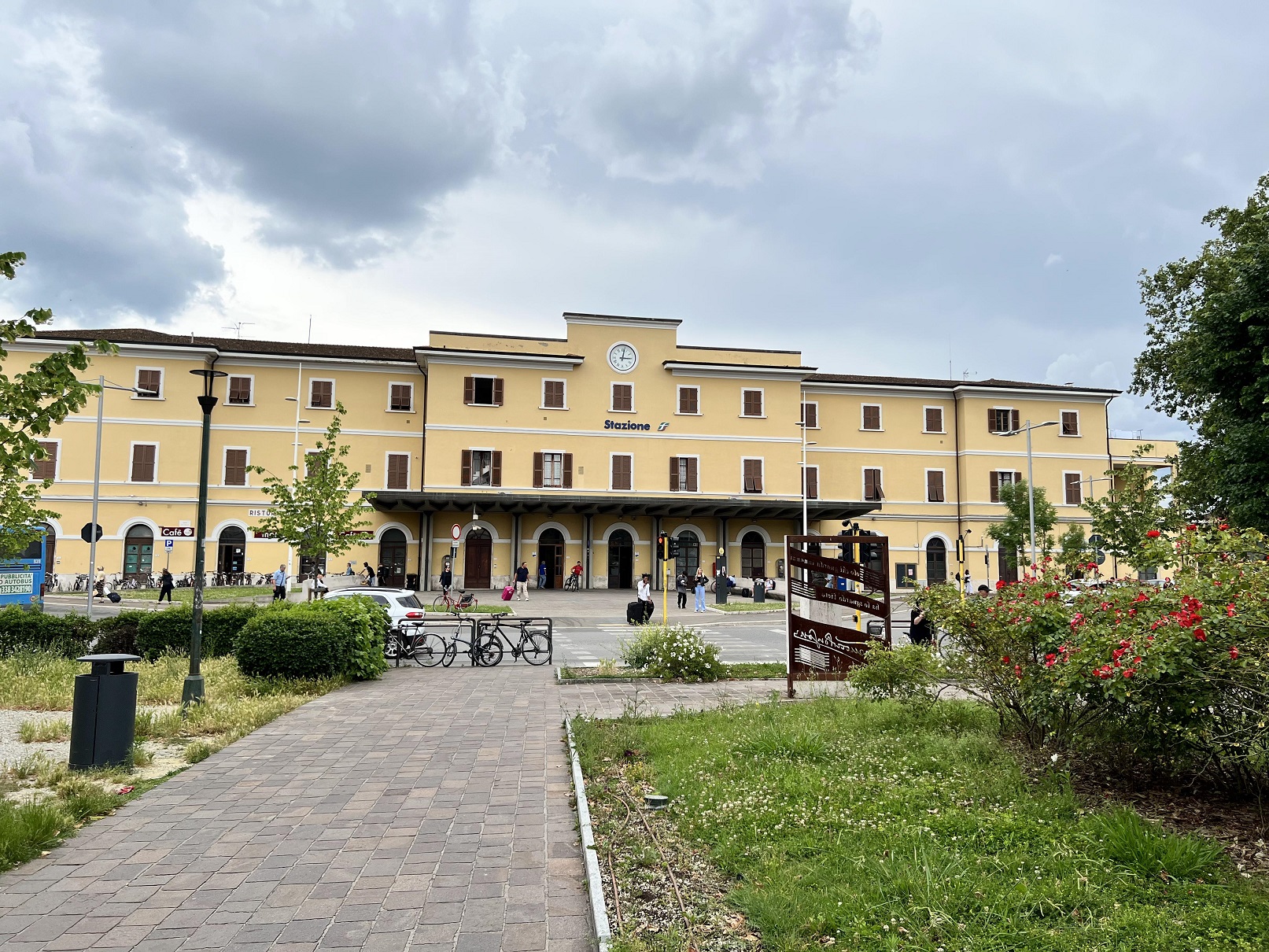
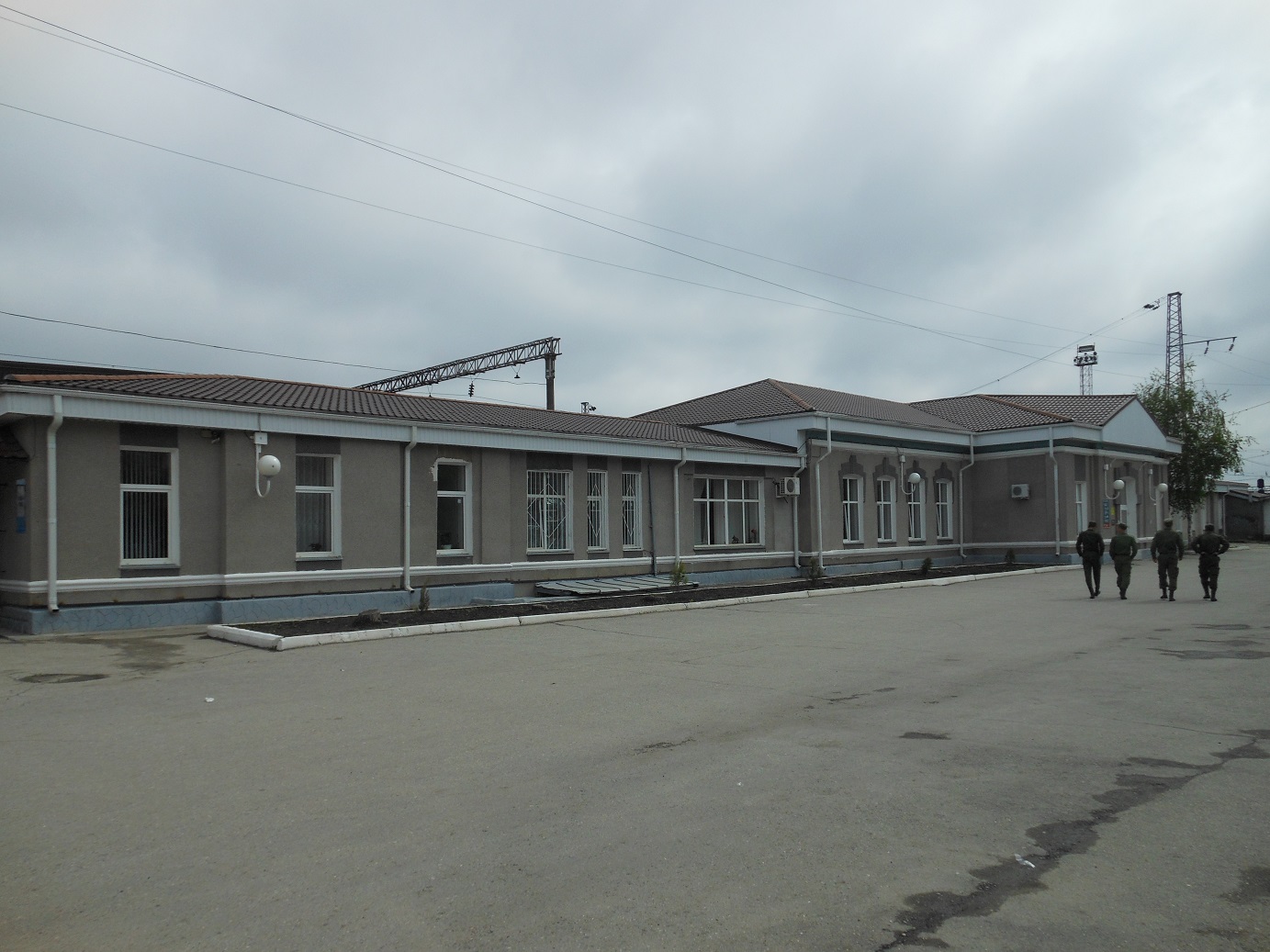
The station in Prokhladny looks much less lively:
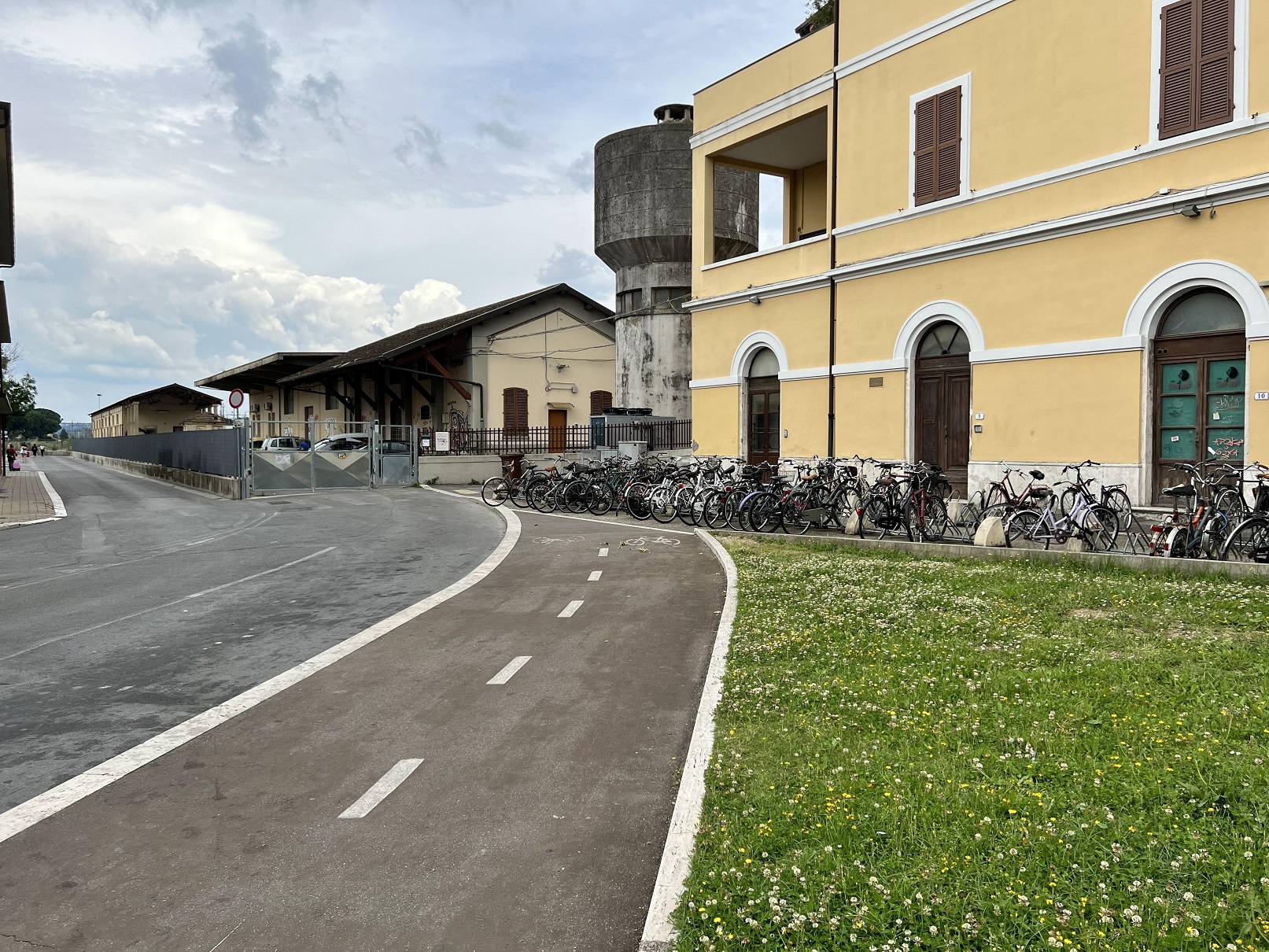
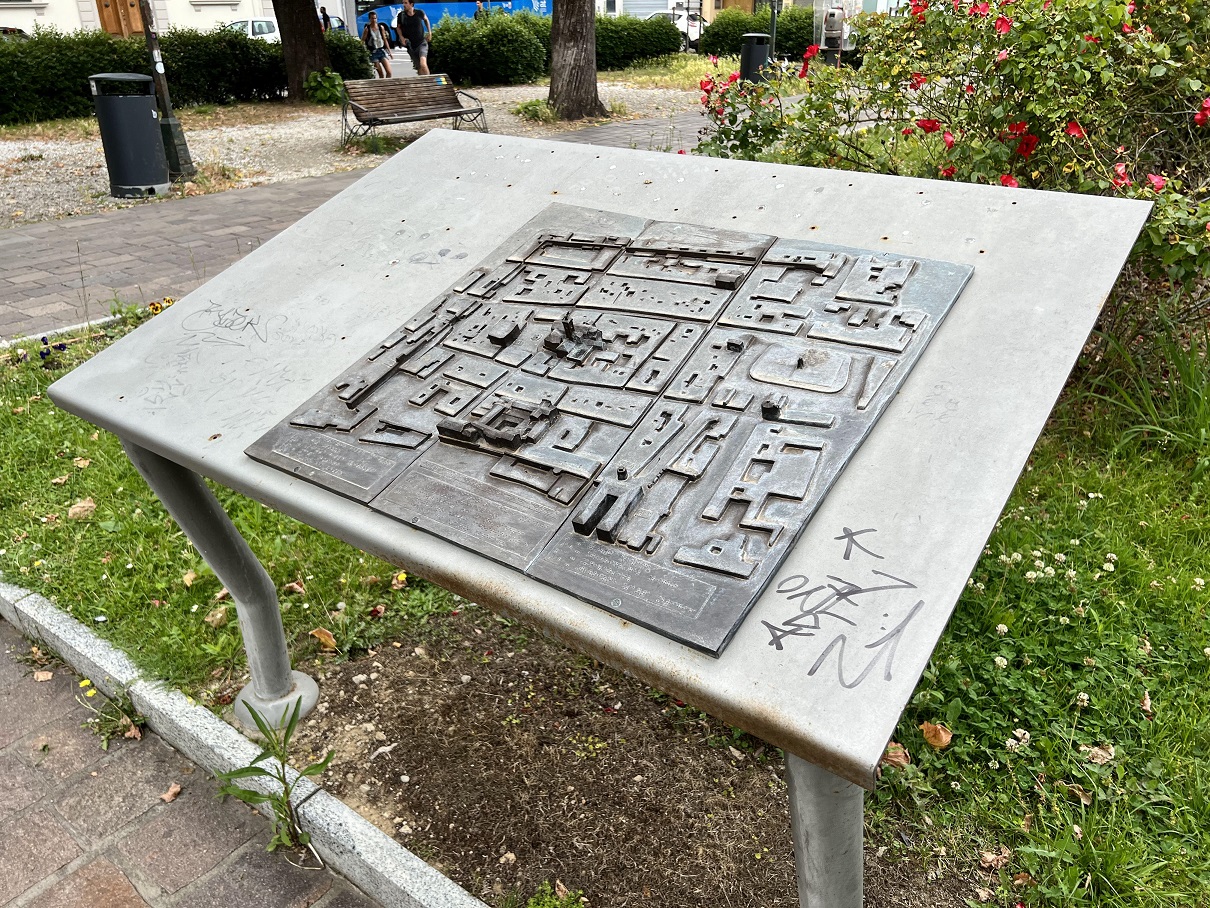
The infrastructure near the Italian railway station is also at a significantly higher level. There is a bike lane, bicycle parking, and a large map of the station’s surroundings.
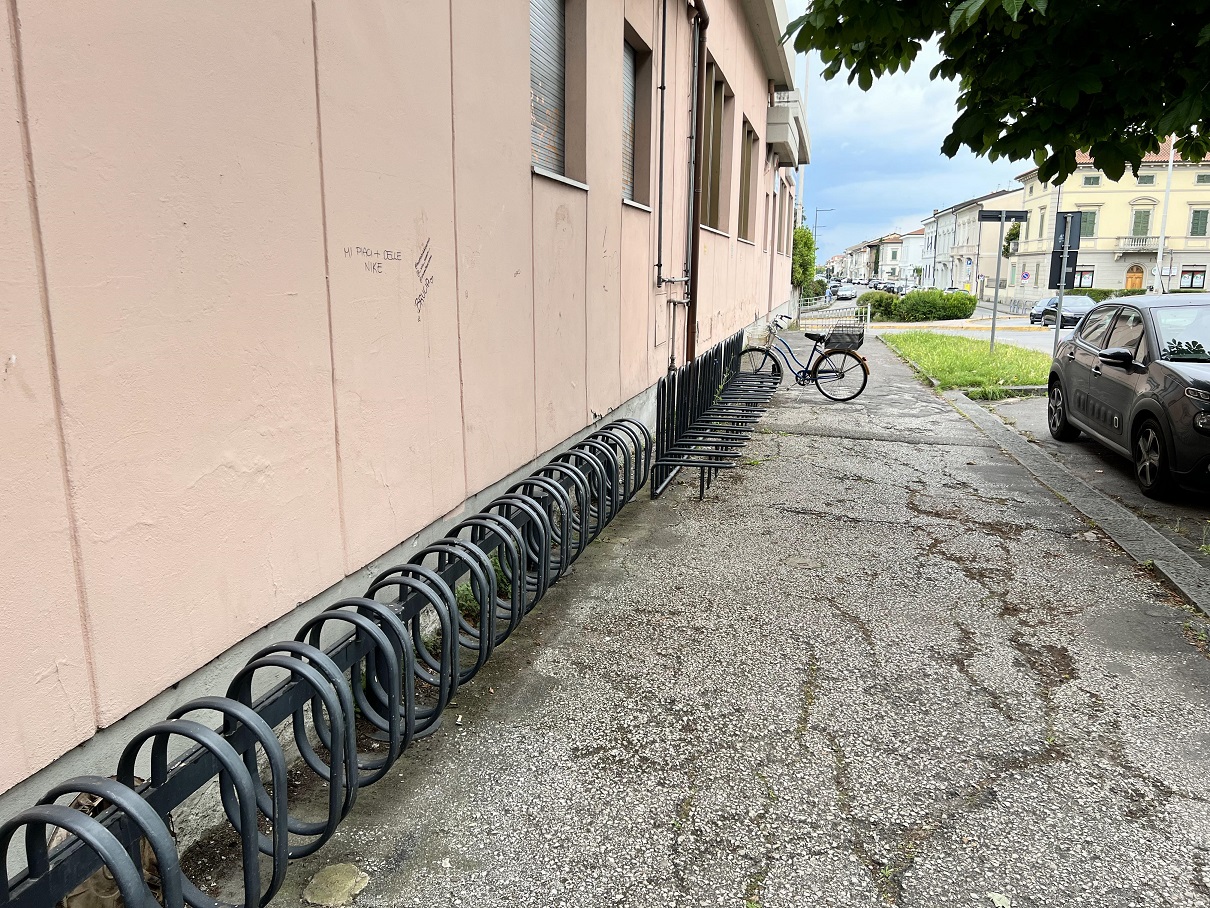
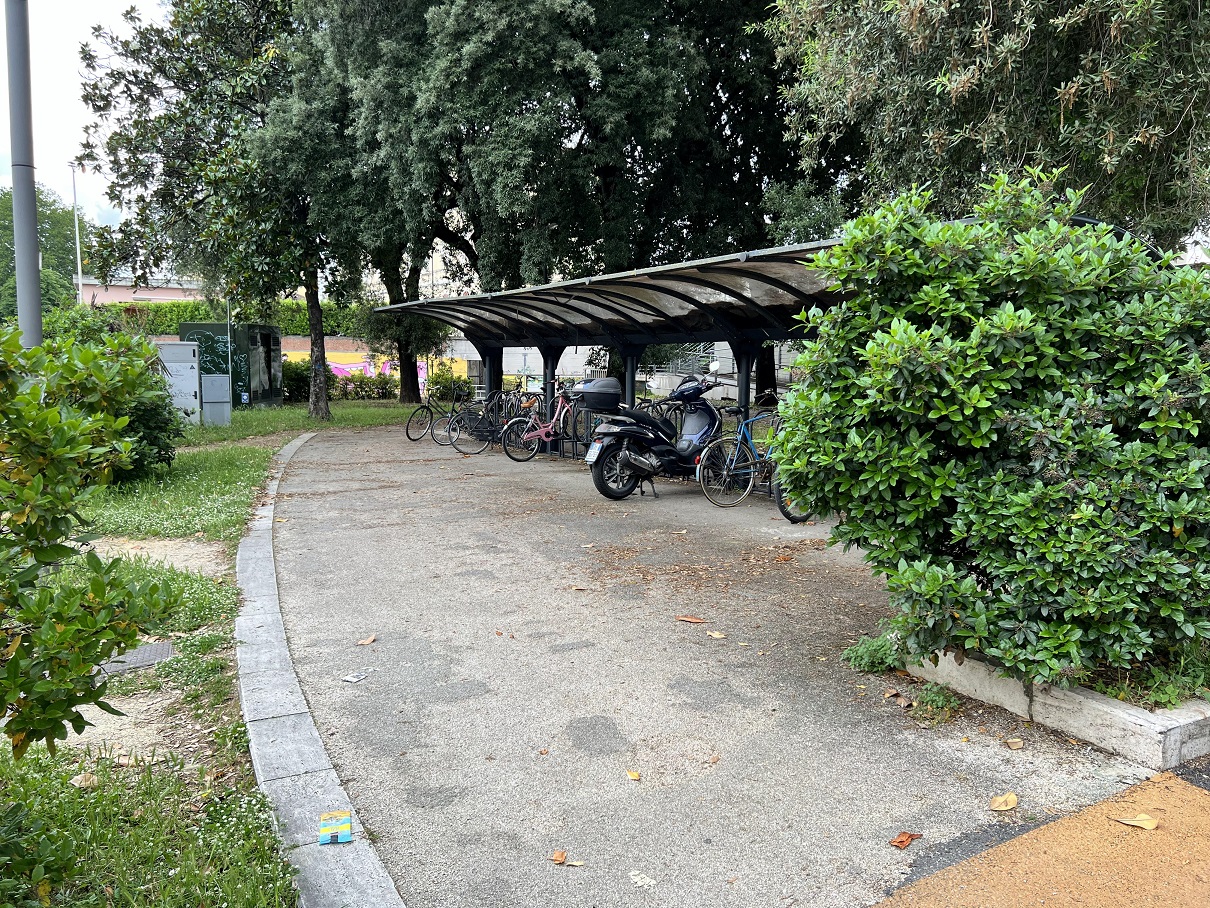
Overall, the cycling infrastructure in Empoli is quite well developed. There are many bicycle parking racks, some even under shelters.
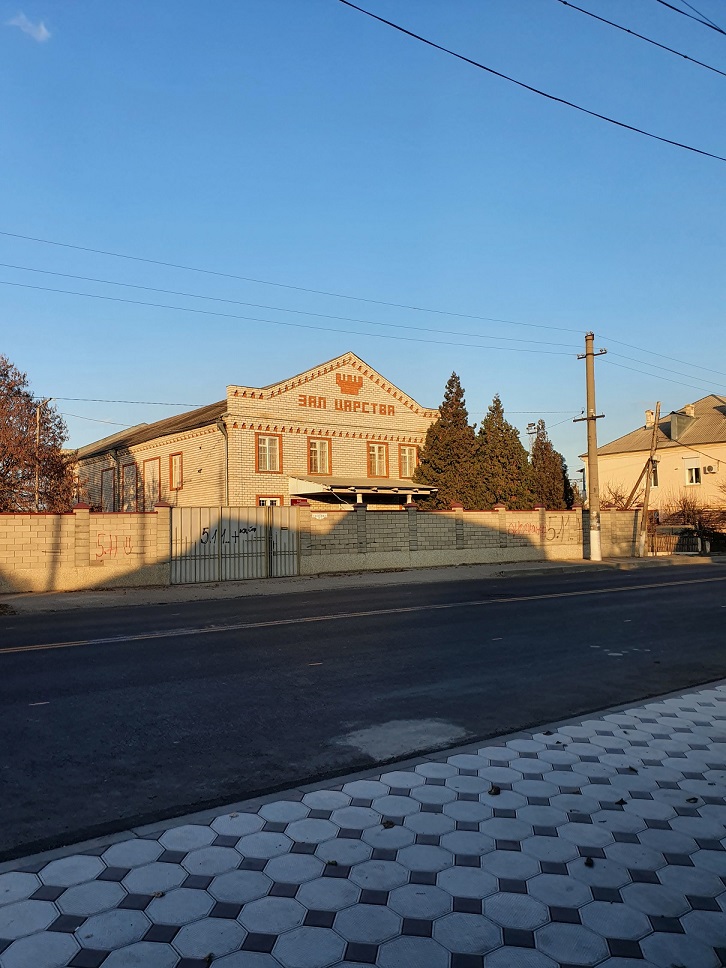
In the Russian city, there is practically nothing of the sort, but in it, we managed to find what could not be found in the Italian city — a building of the “Jehovah’s Witnesses” sect:
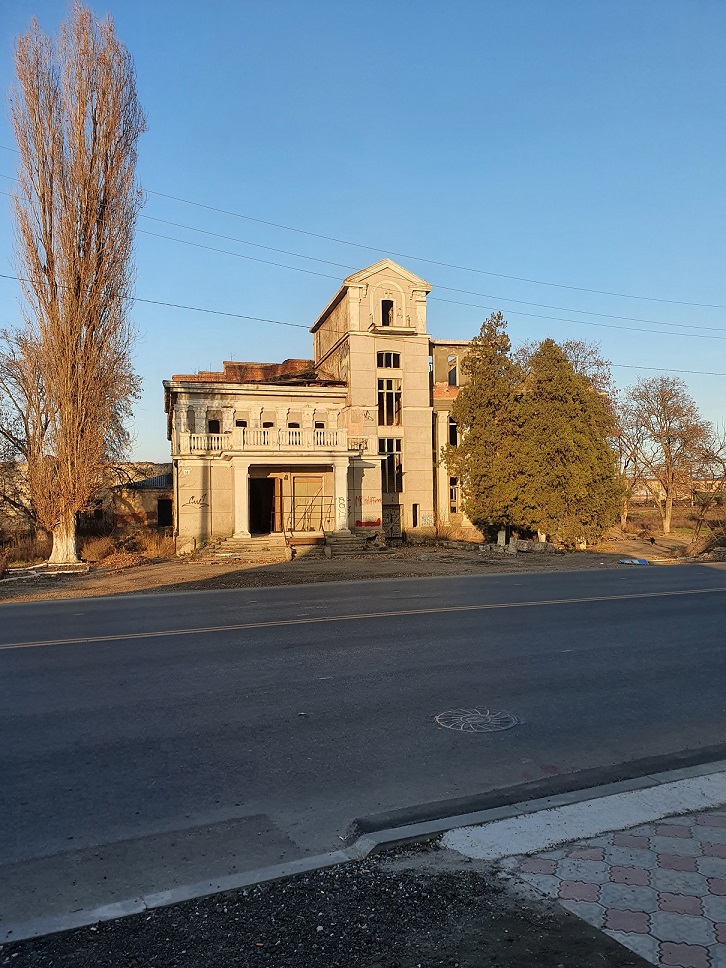
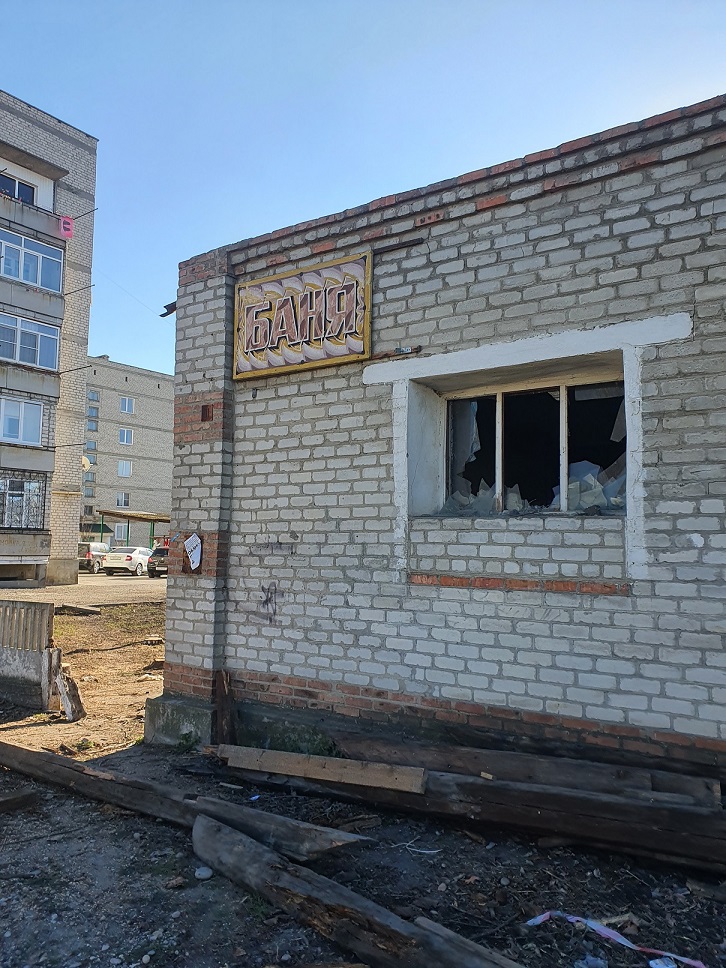
Not all buildings on this street are in such a well-maintained condition; many look like this:
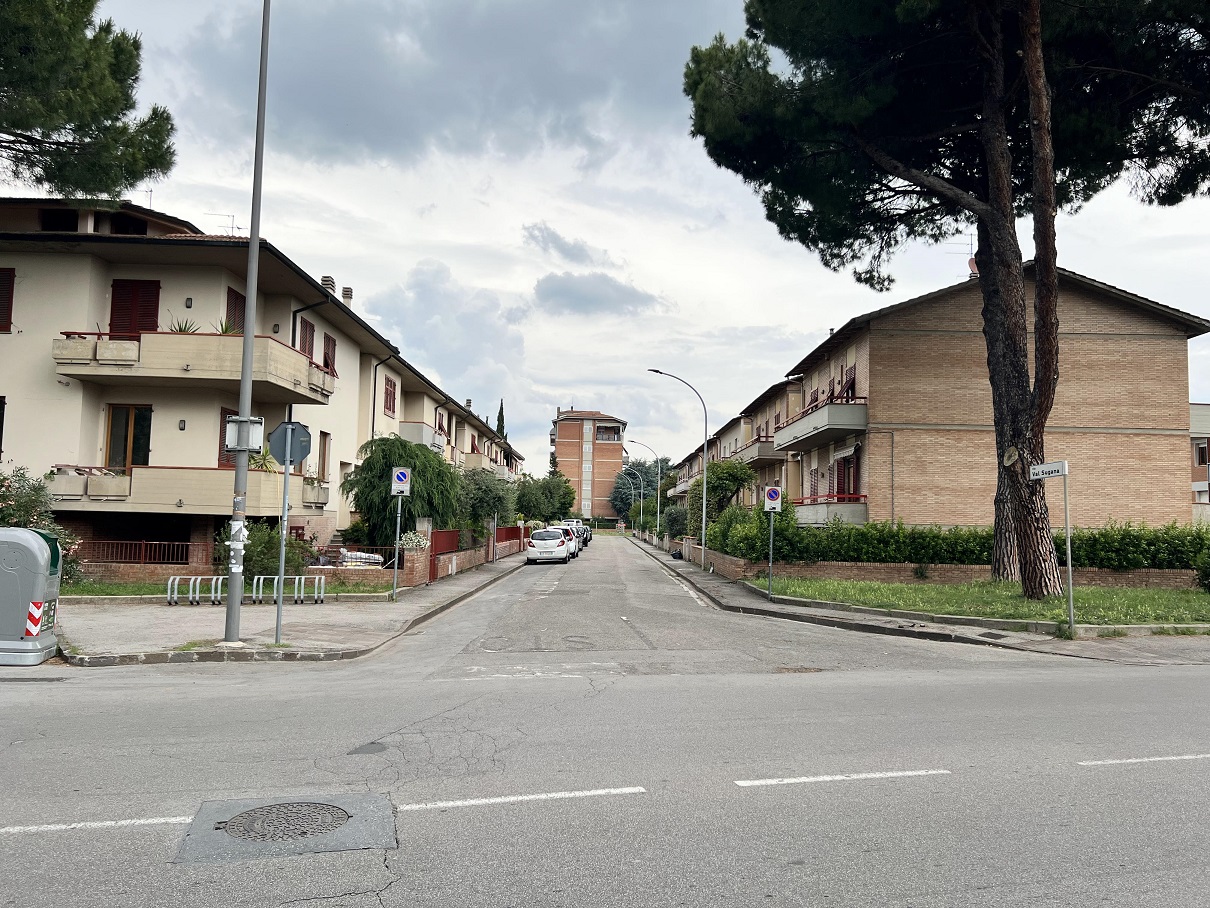
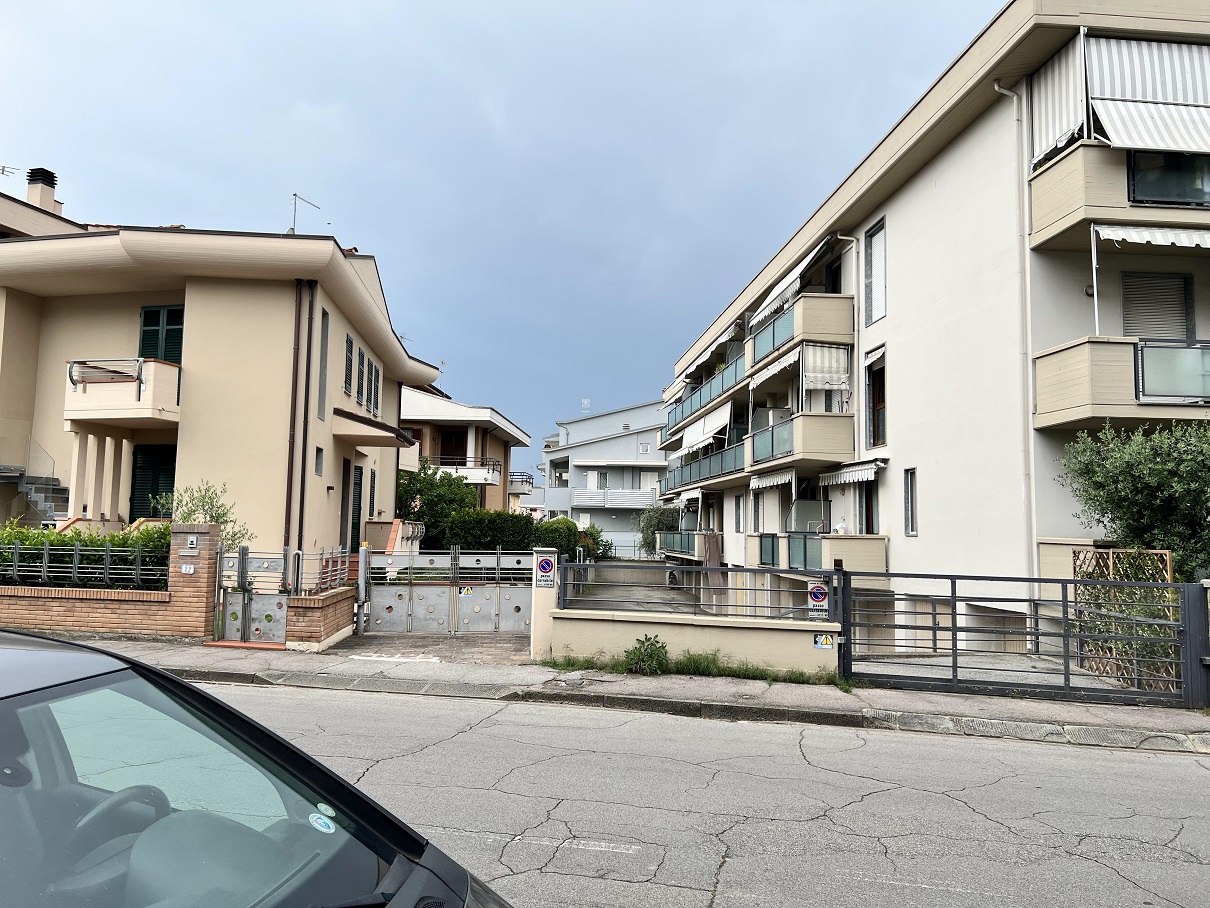
And this is a residential neighborhood in Empoli:
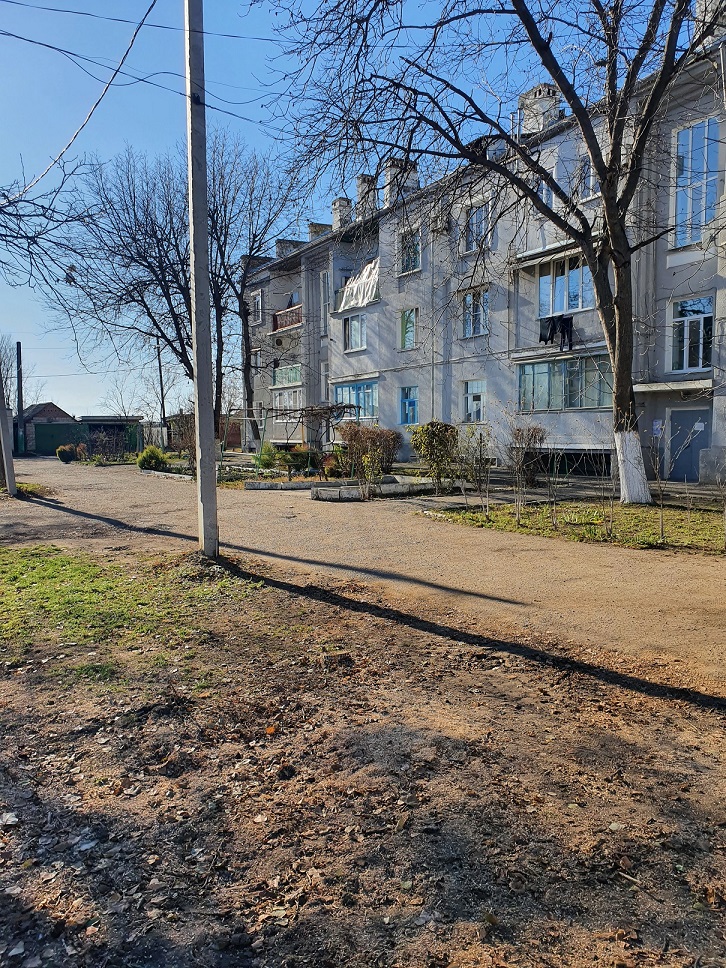
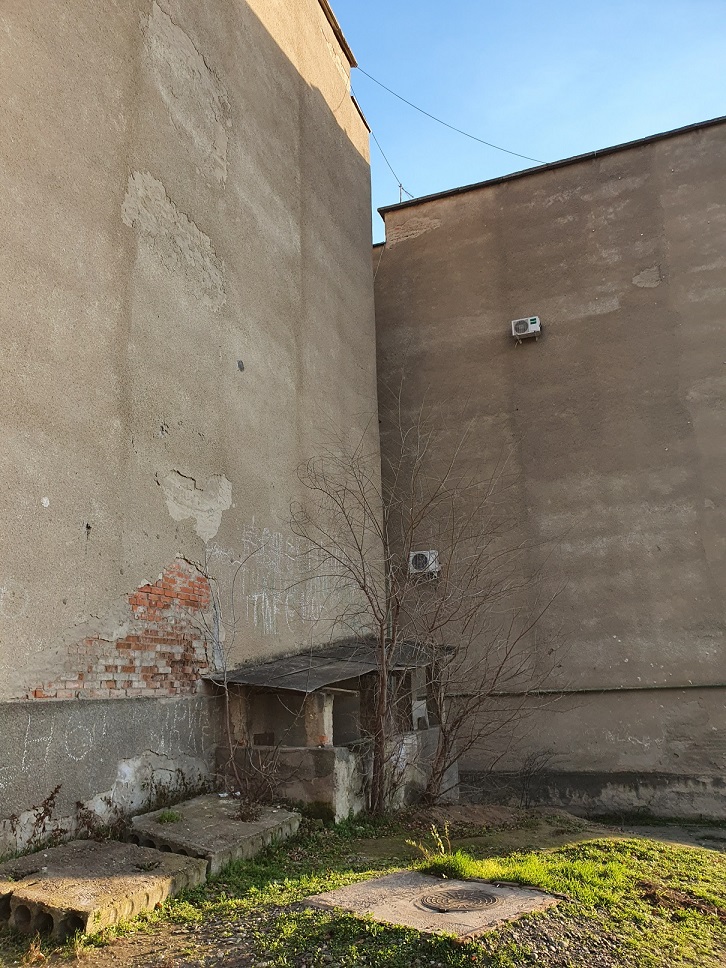
Overall, in the Russian city, houses and residential quarters look rather poor.
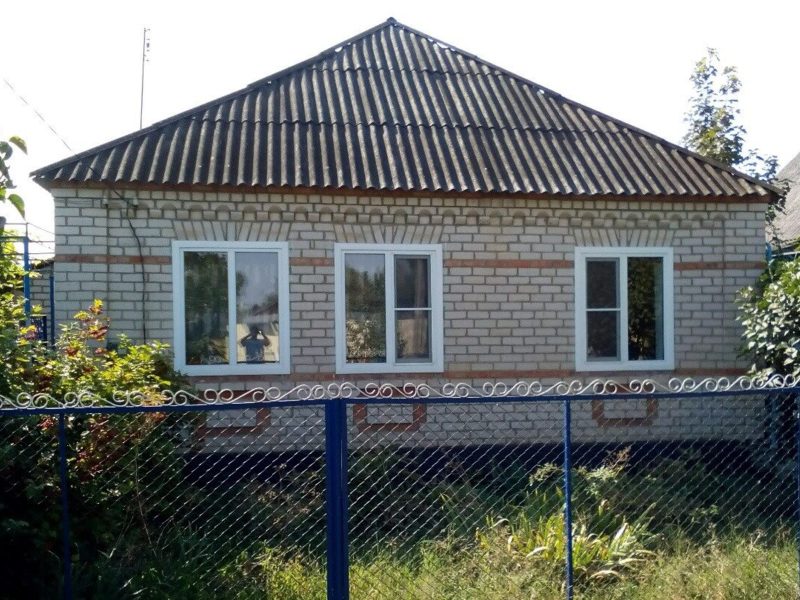
Empoli clearly creates the impression of a much more prosperous place.
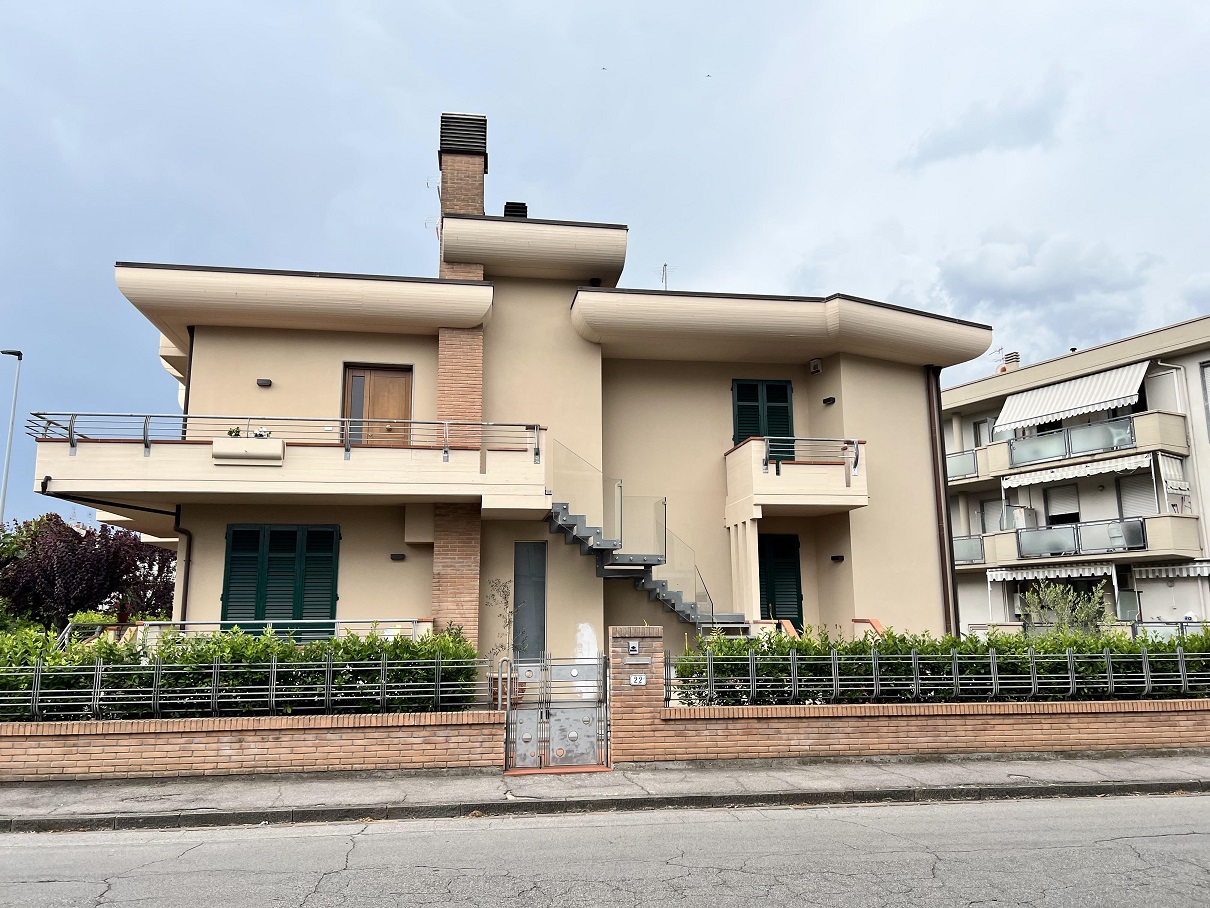
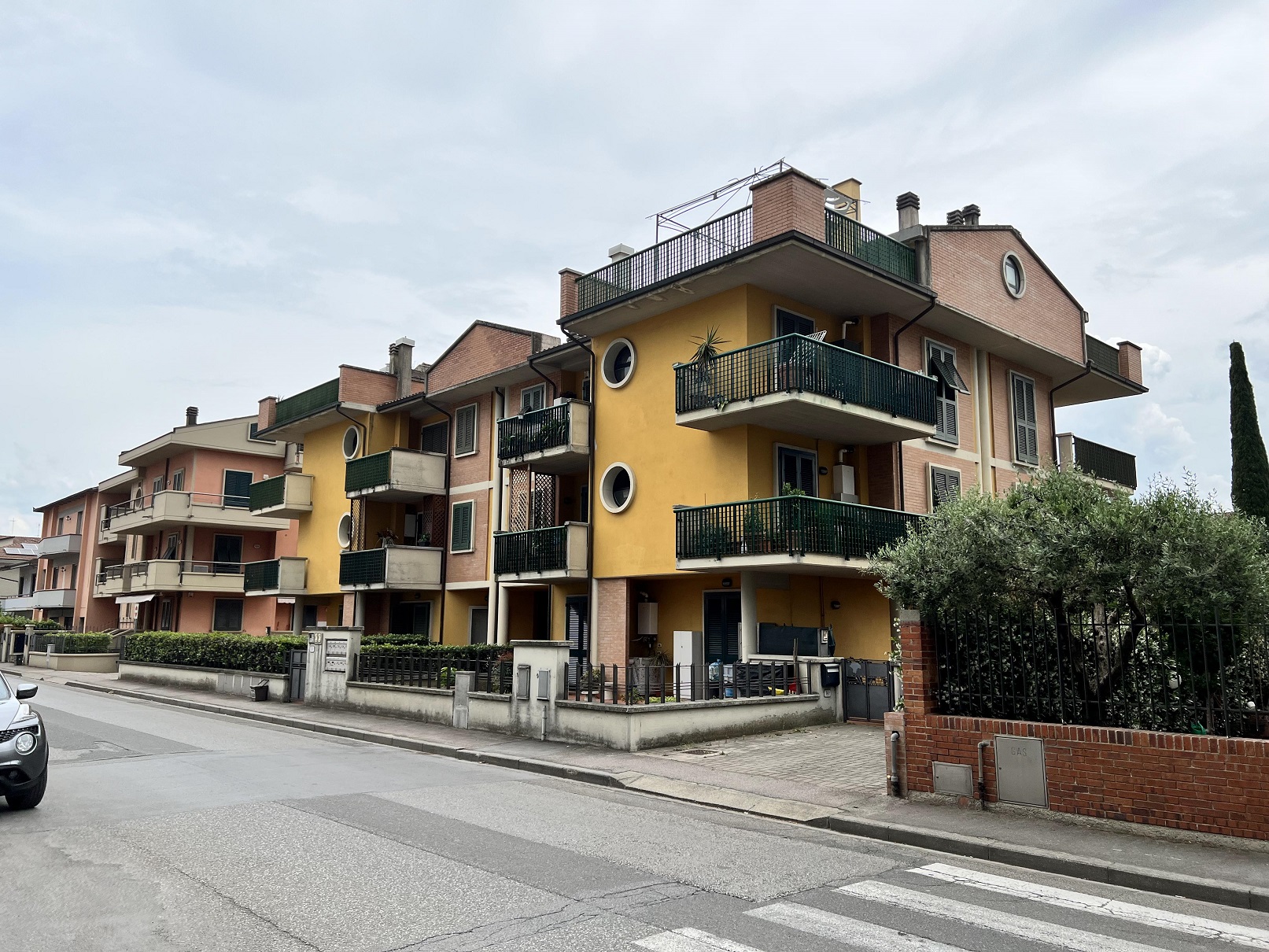
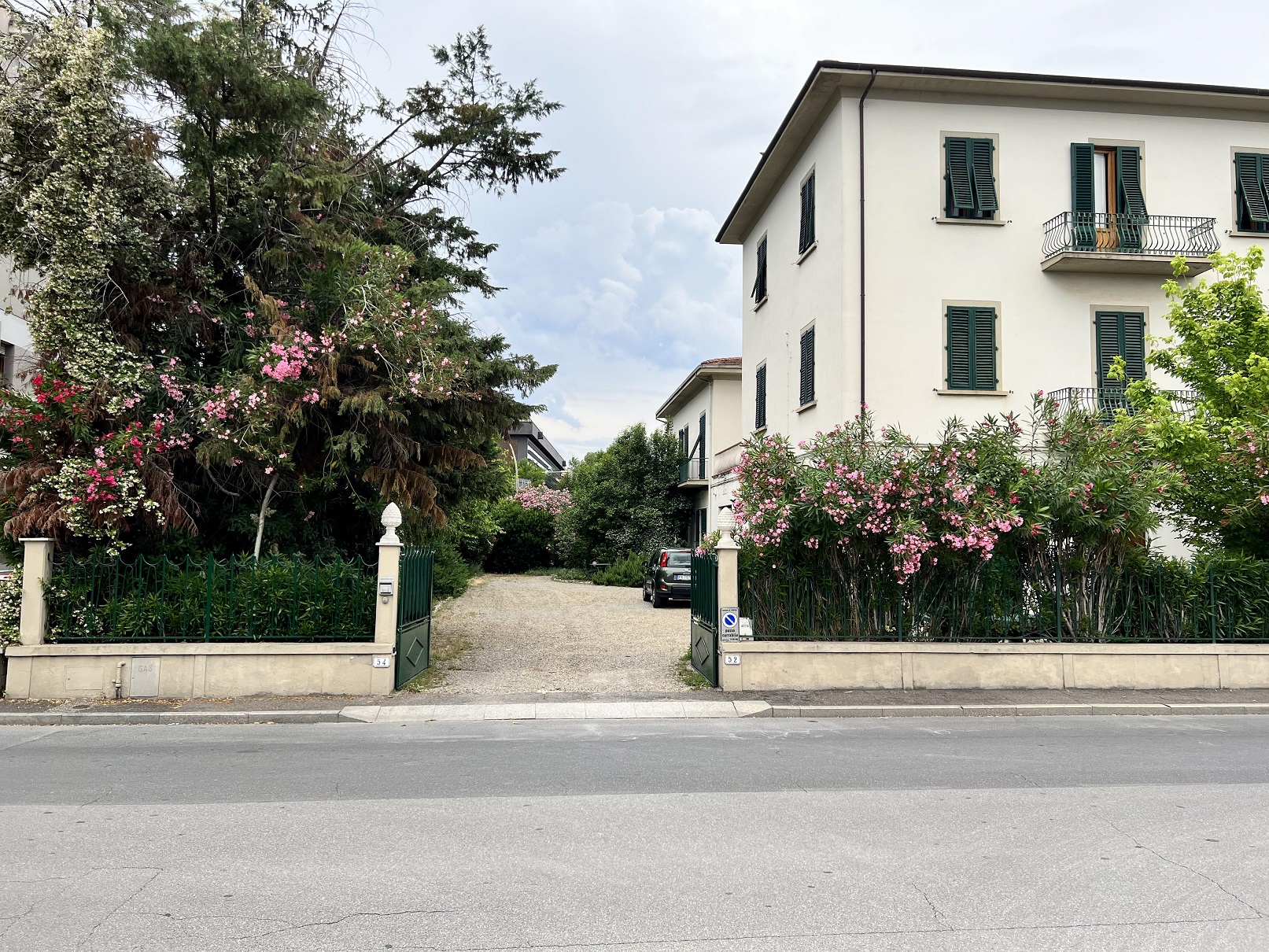
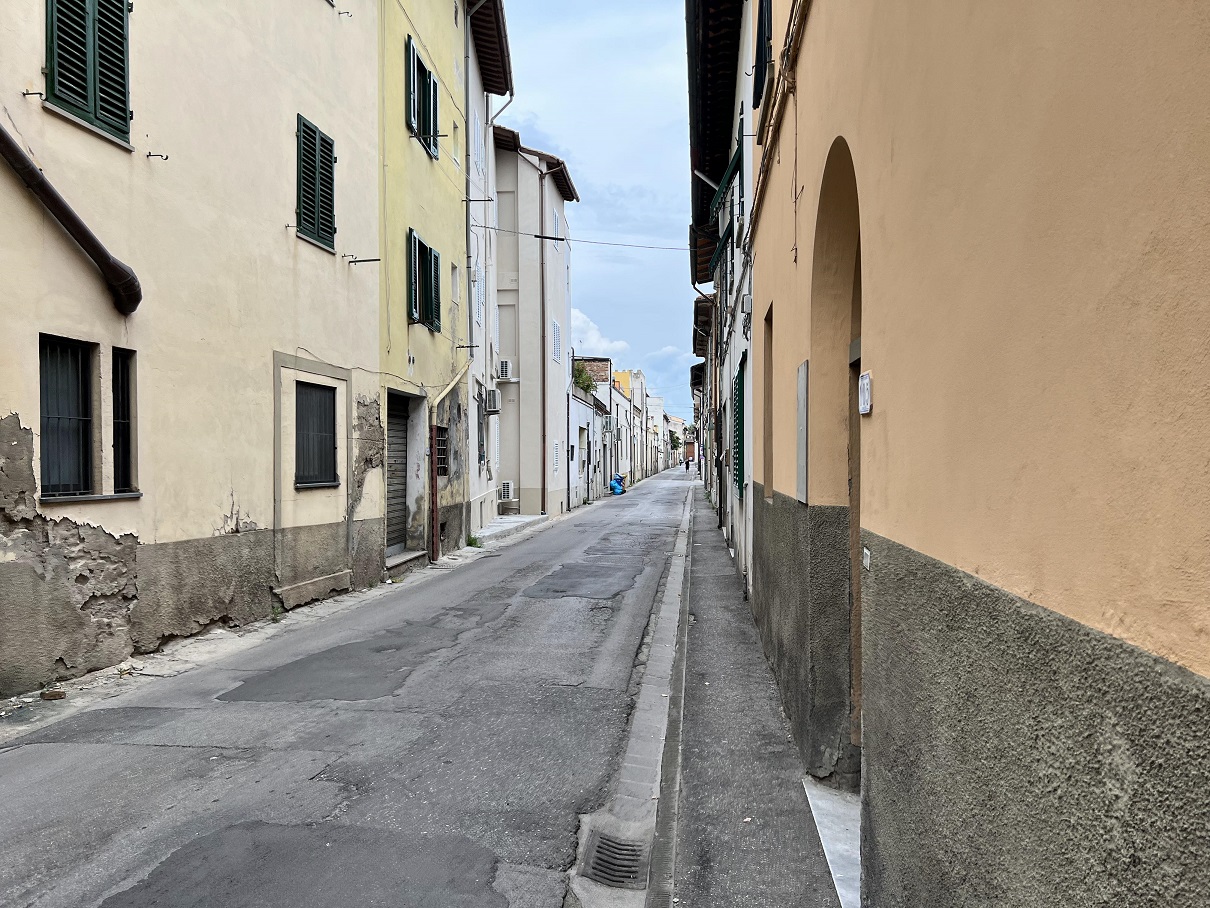
There are less prosperous areas in Empoli:
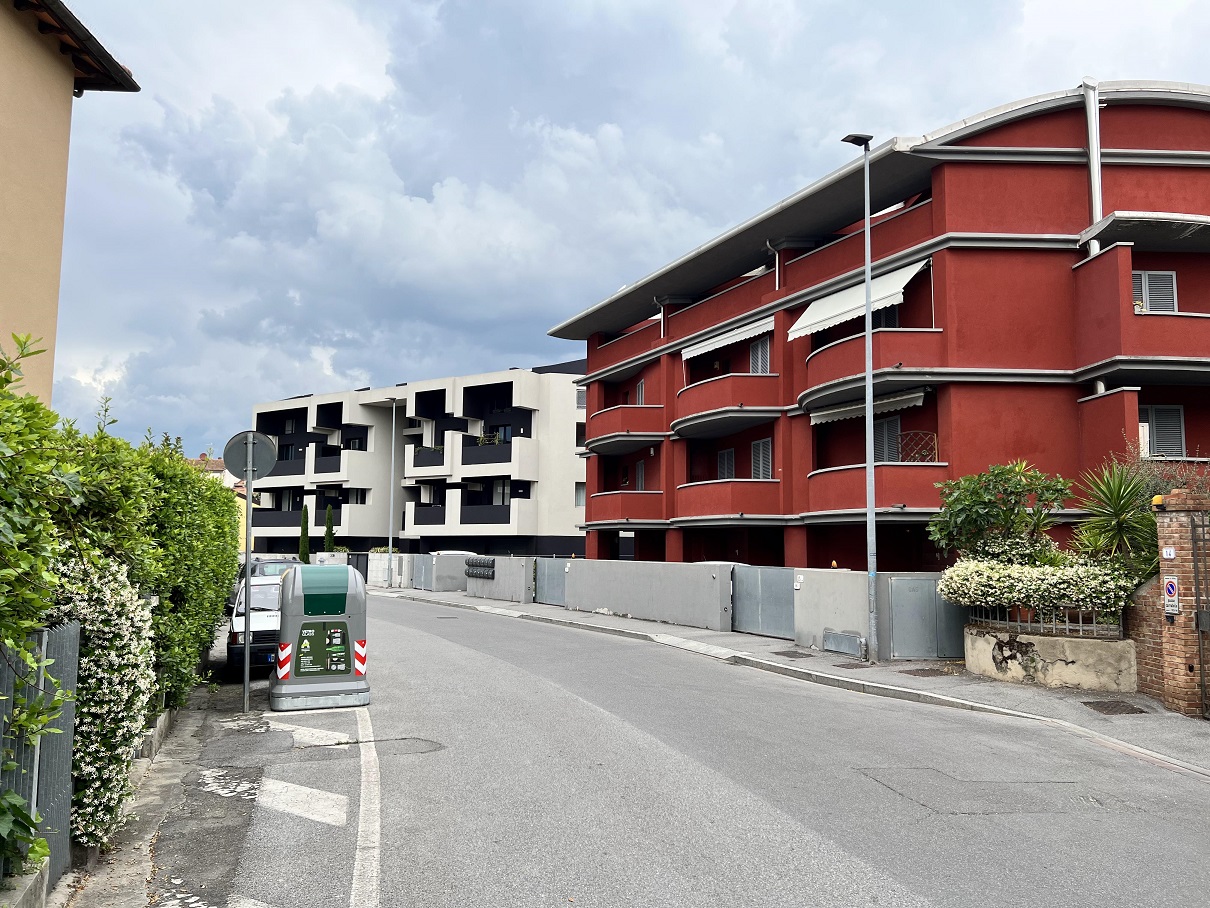
And there are also those that look very modern.
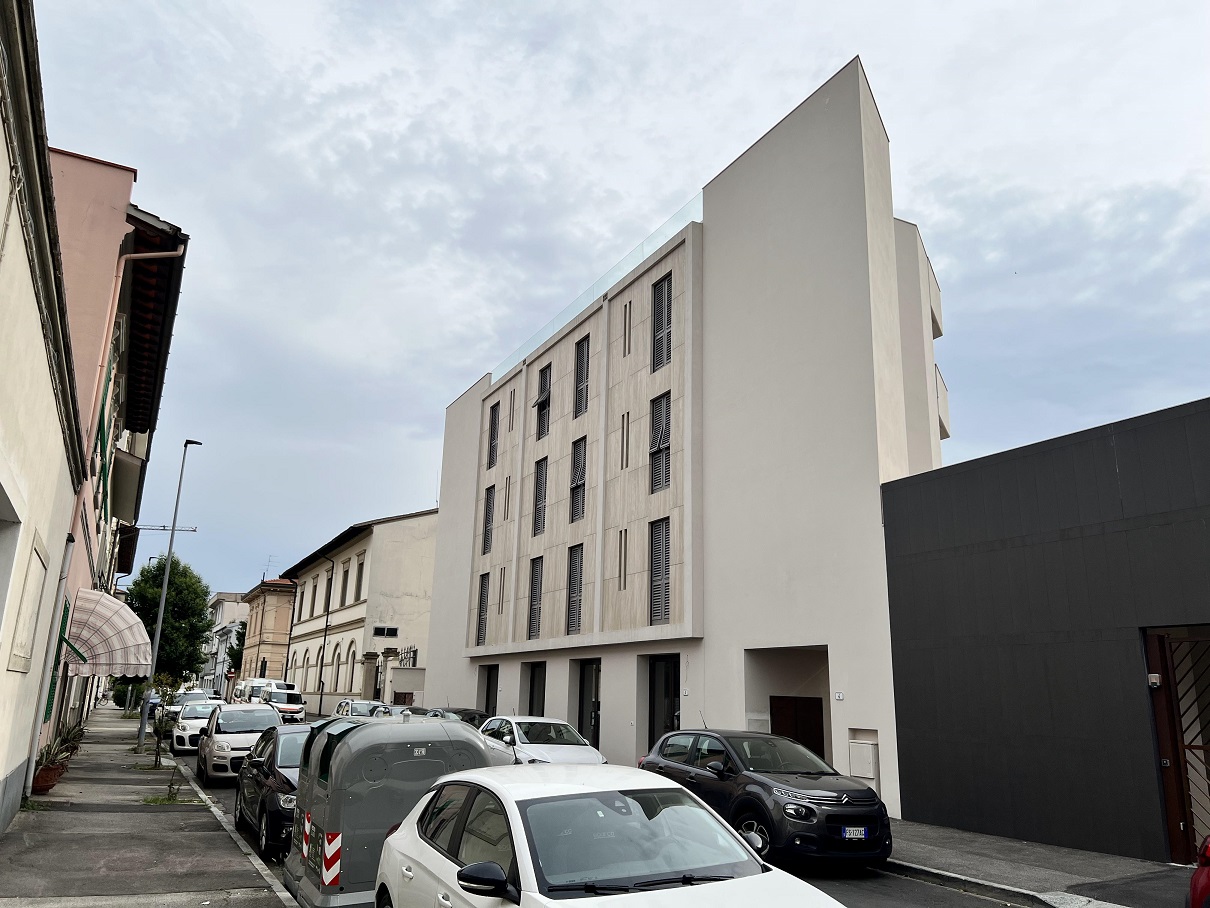
In Prokhladny, there are no such districts; people are forced to live in conditions of poverty and construct their homes from makeshift materials rather than think about any beautiful landscaping.
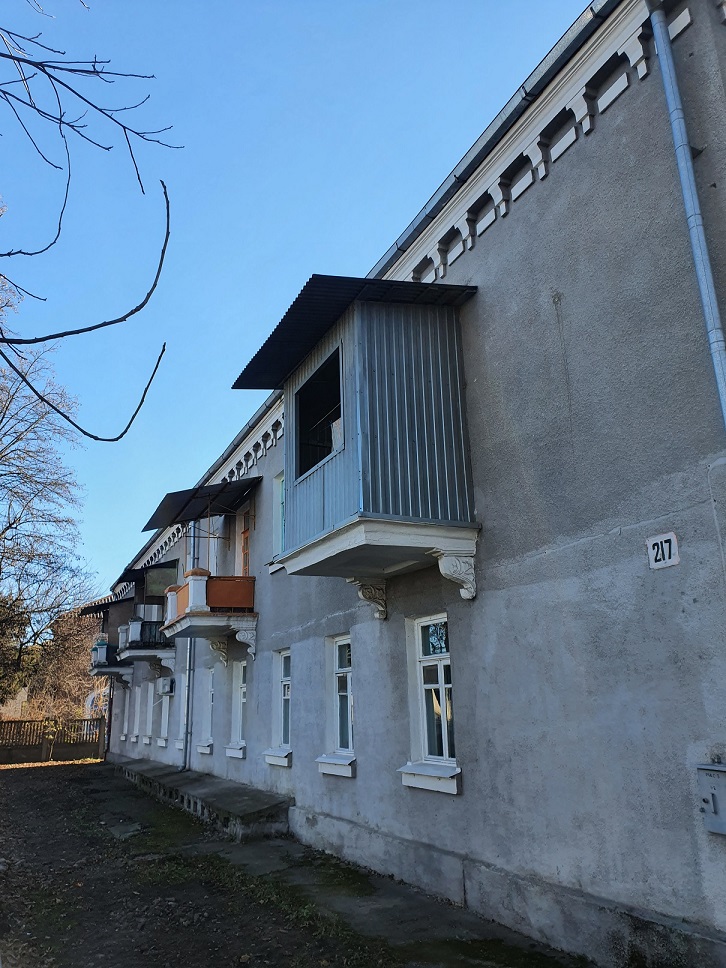
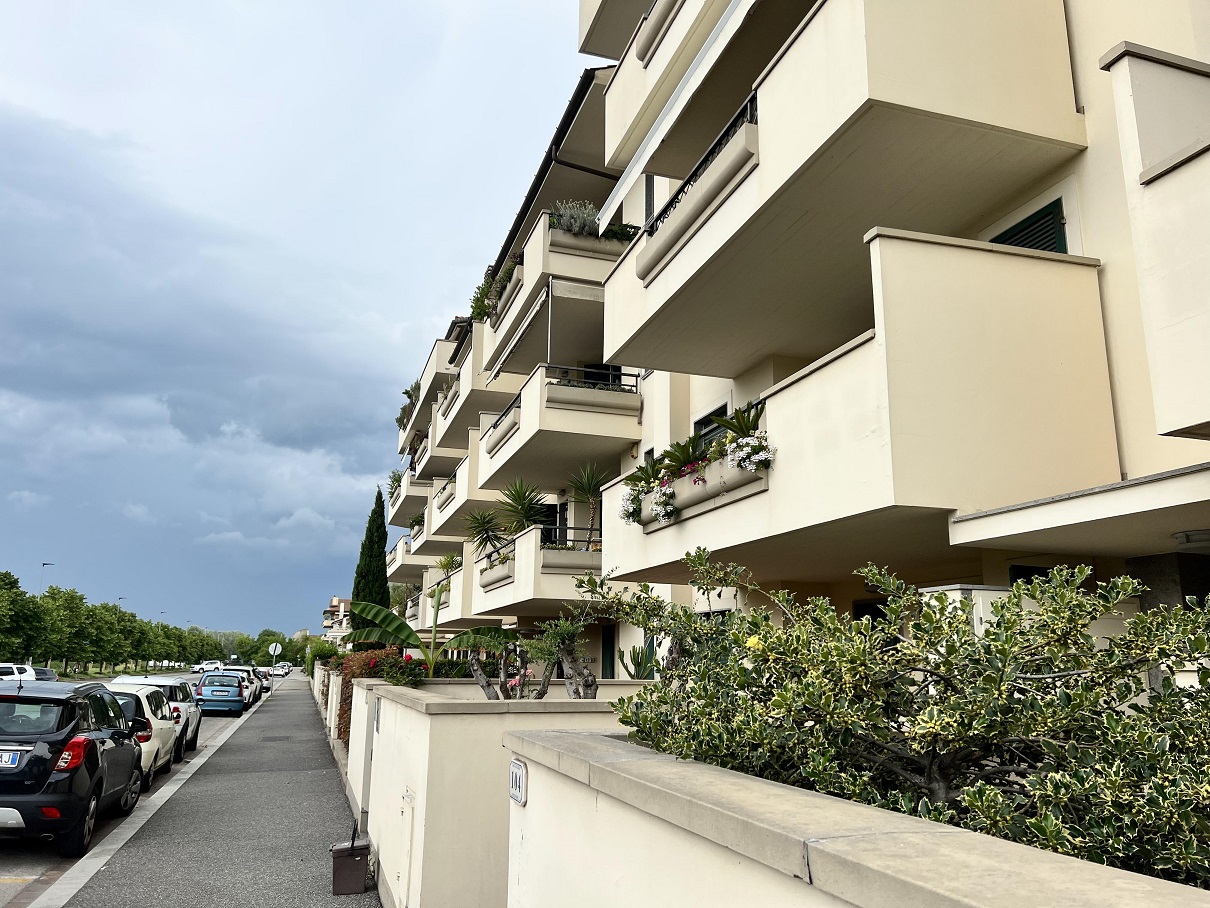
Construction in the Italian heartland is at a completely different level.
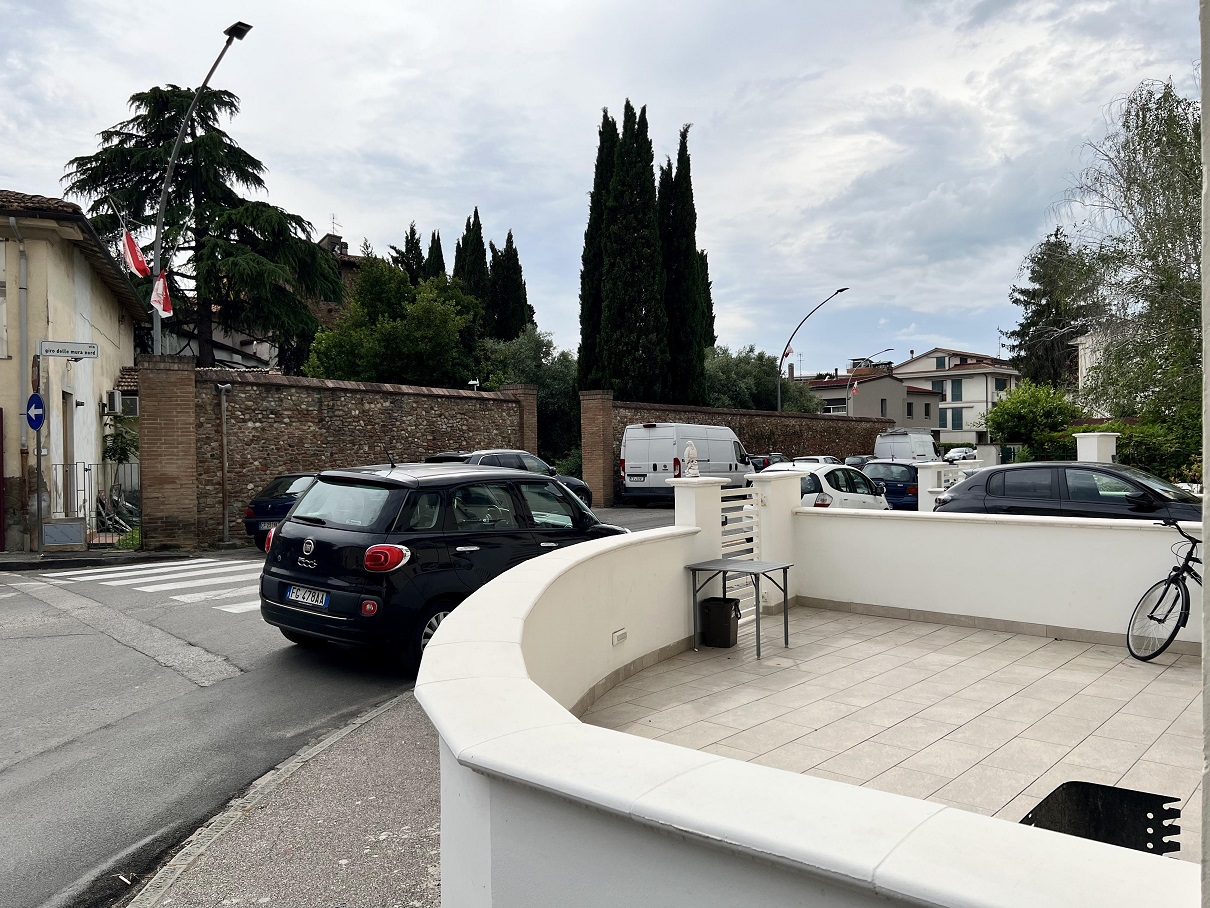
In both cities, there is a small, picturesque river. This one is in the Russian city:
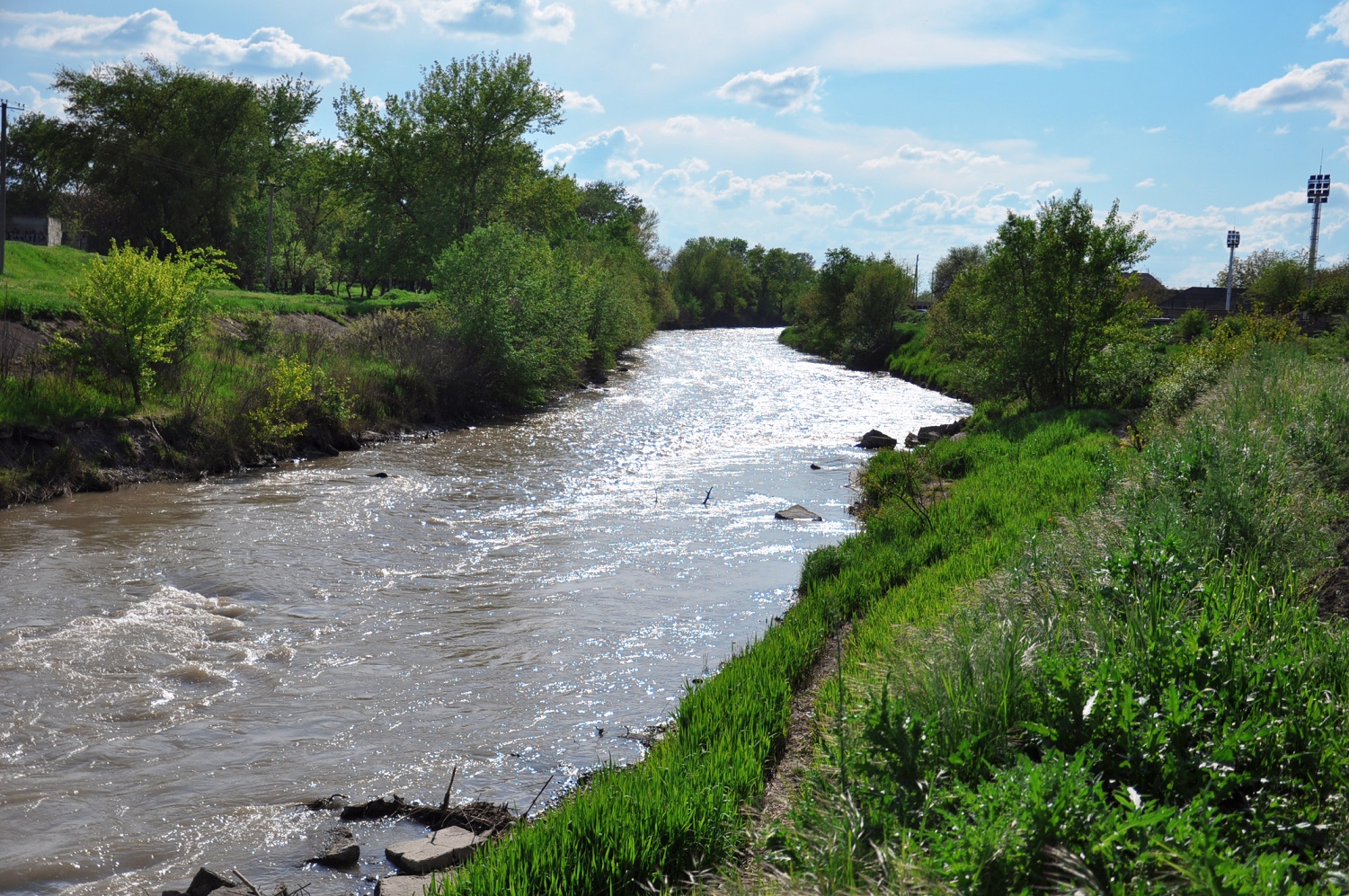
And this one is in the Italian one:
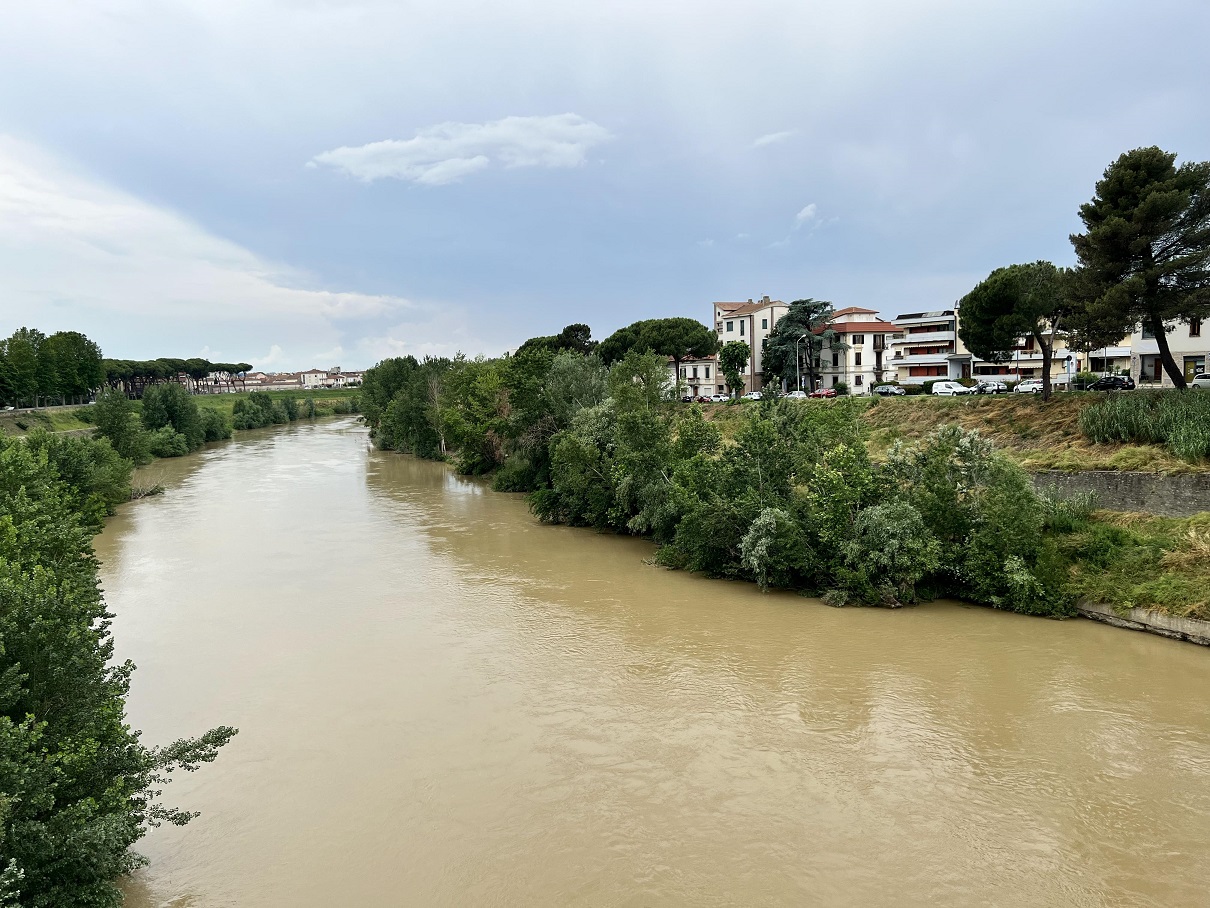
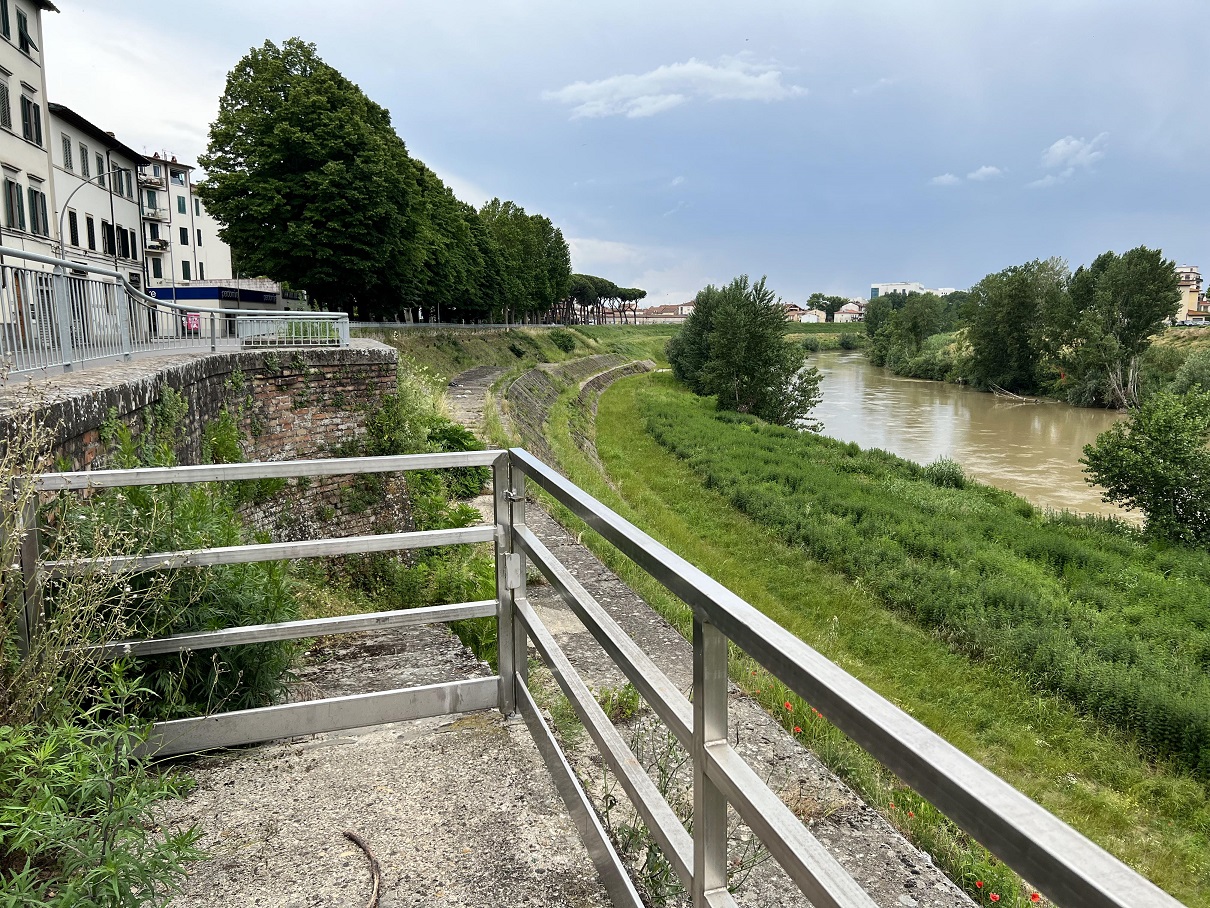
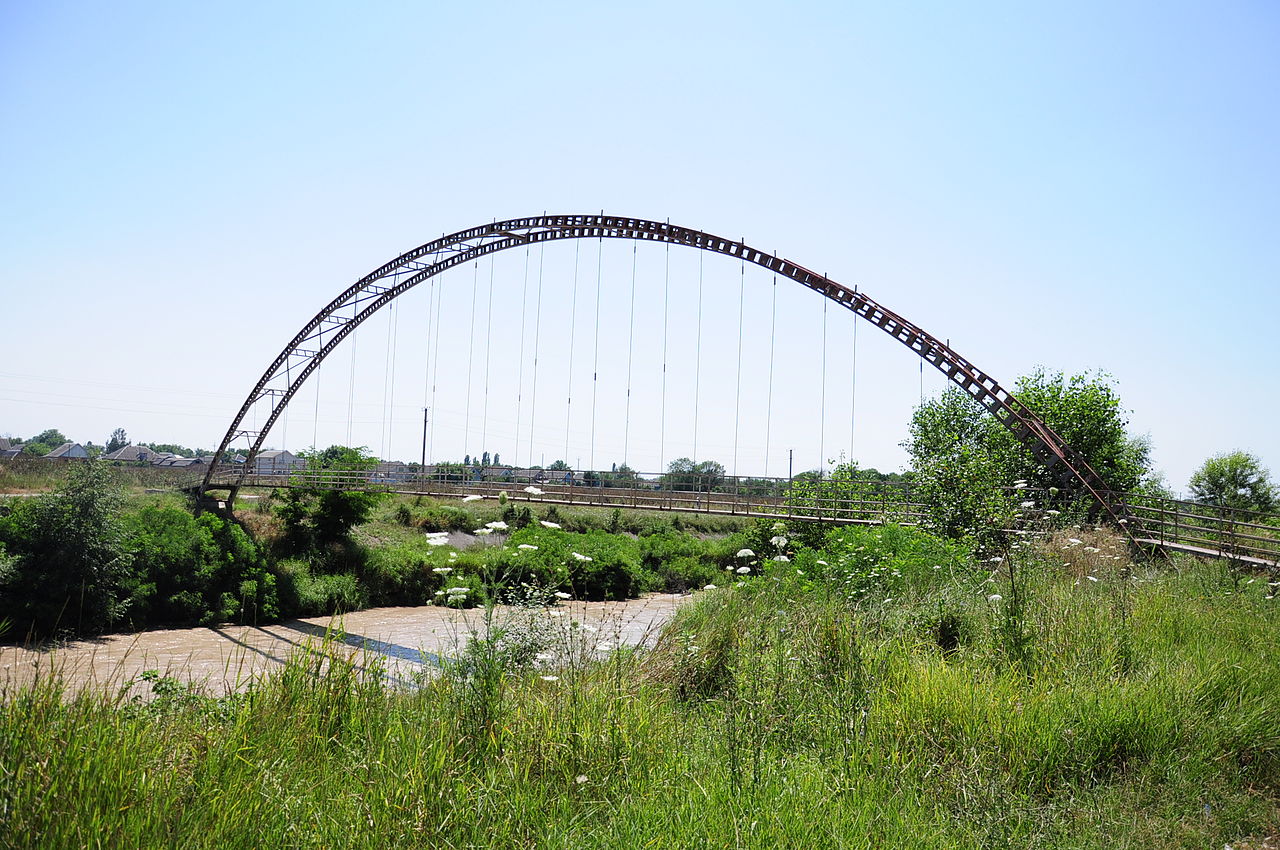
As we can see, in terms of scenery, the Russian river is by no means inferior, which cannot be said about the level of development. This is also evident from the bridges, where there is no need to clarify their location.
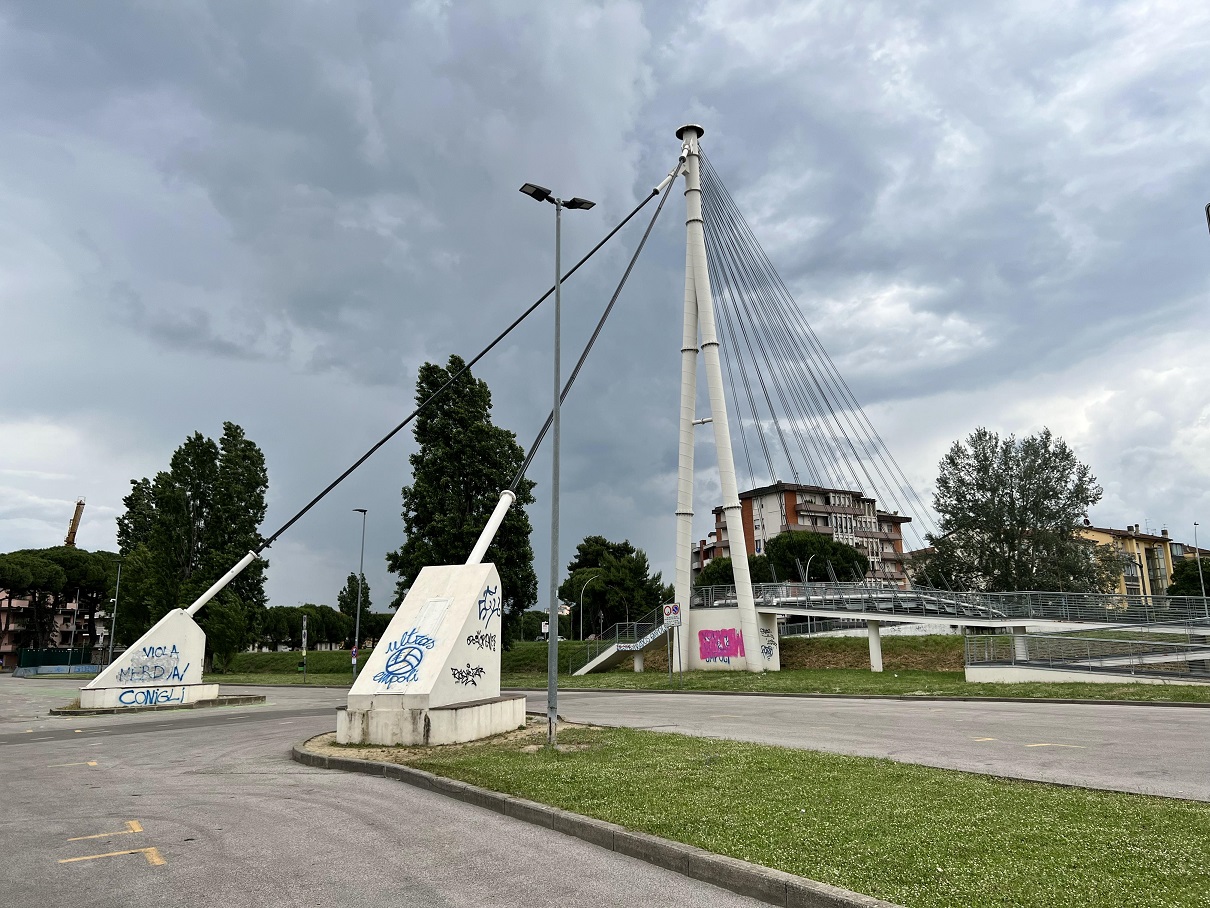
Graffiti in the Italian city is not rare at all. Sometimes it is quite plain, like on the bridge, and sometimes quite pleasant.
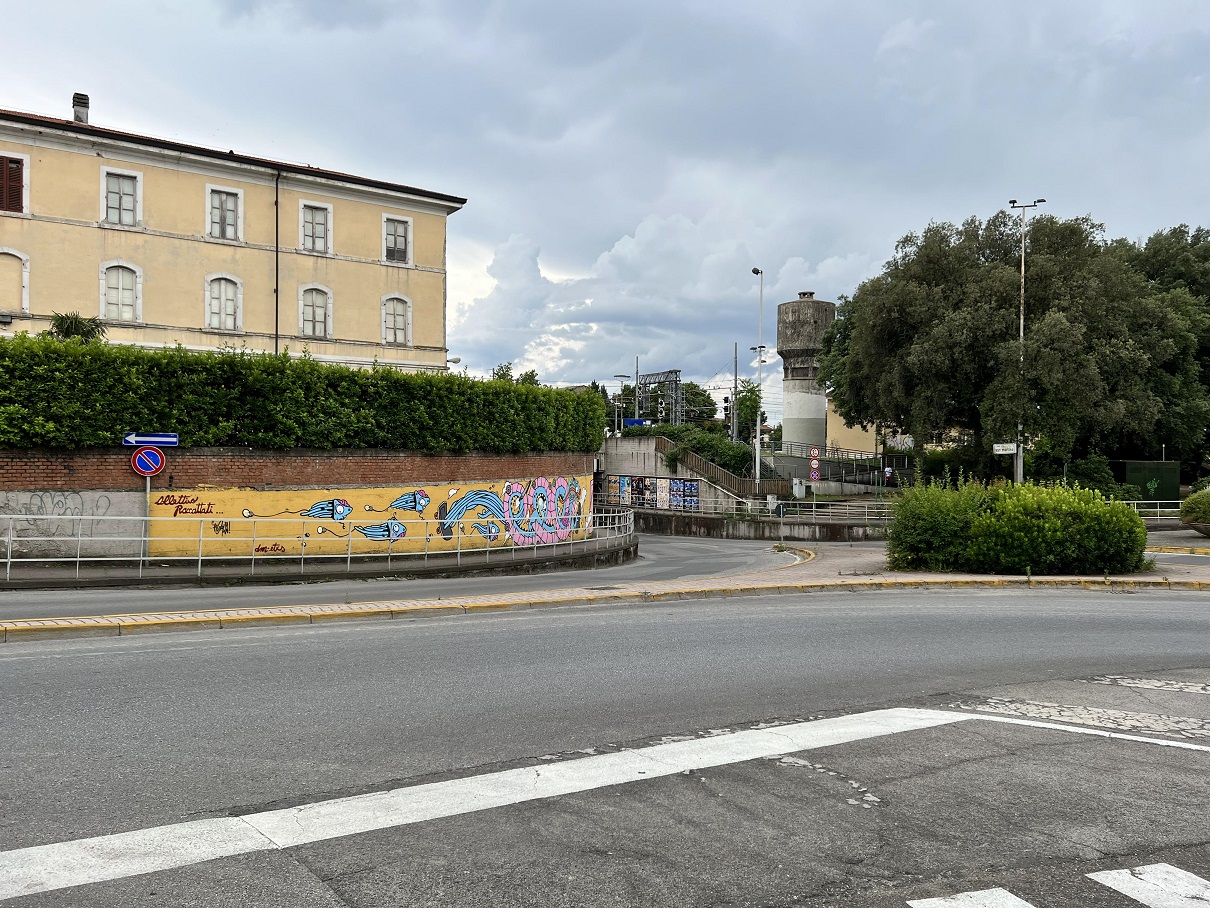
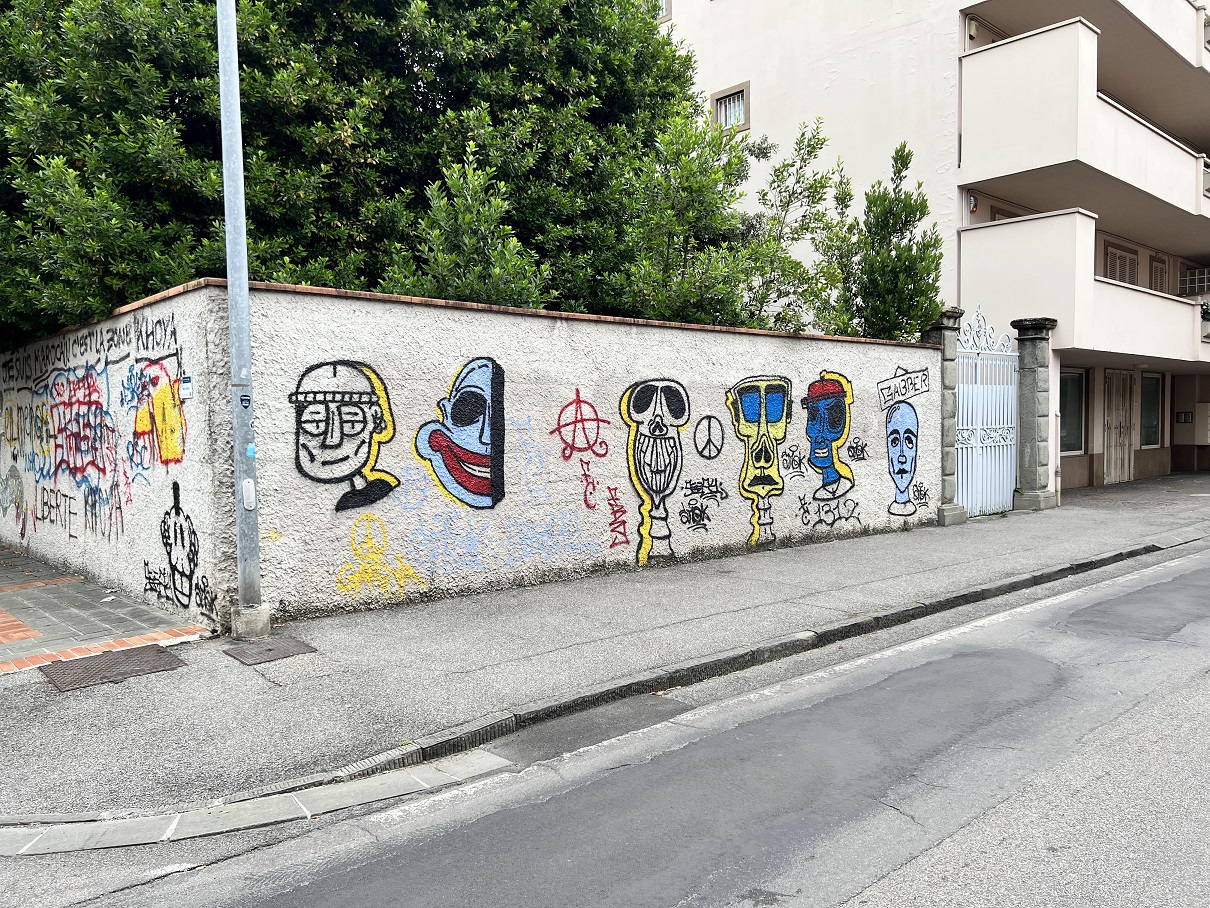
And sometimes it is almost a masterpiece.
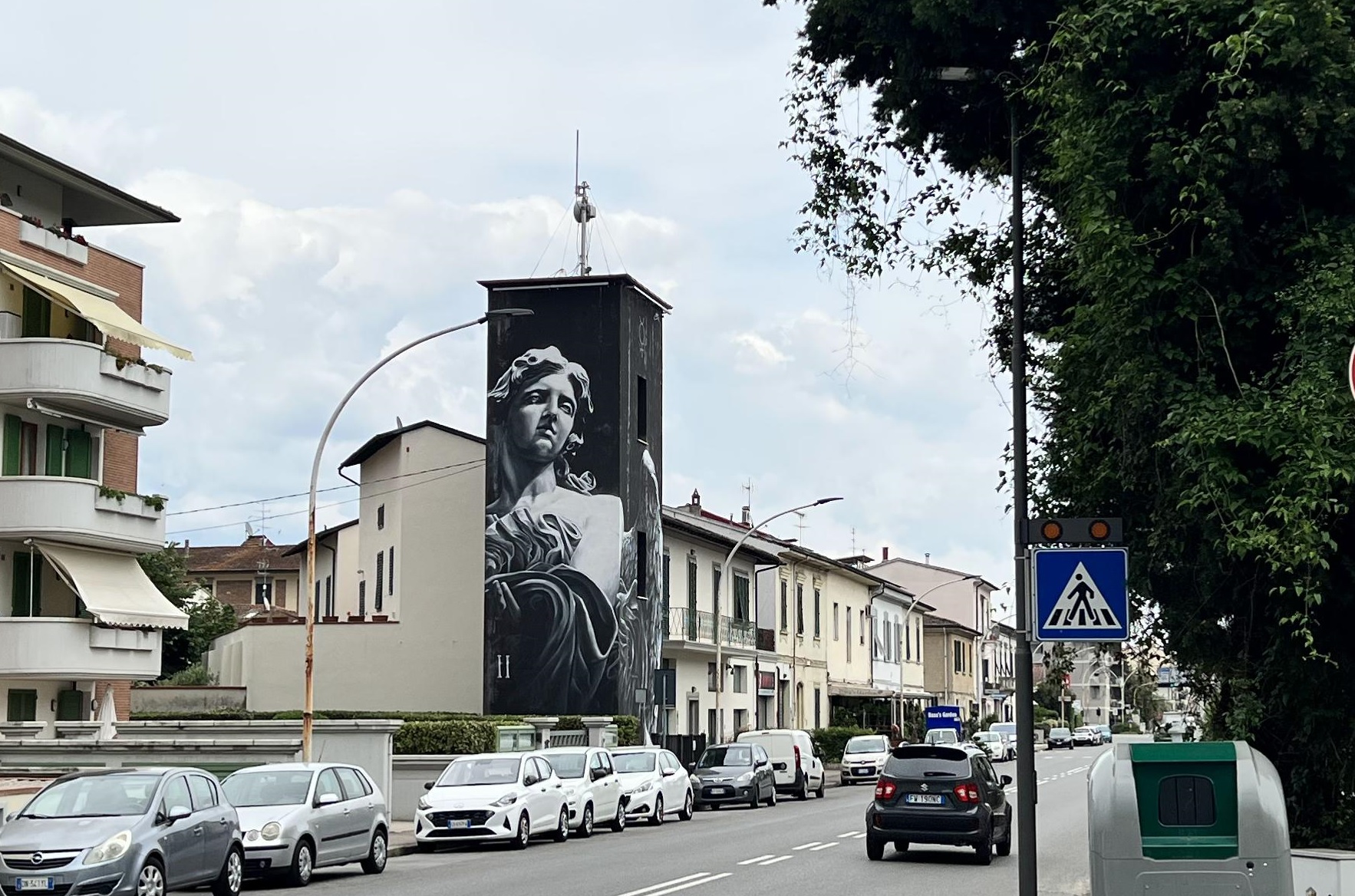
The Russian city also has high-quality graffiti. They were commissioned by the Investigative Committee.
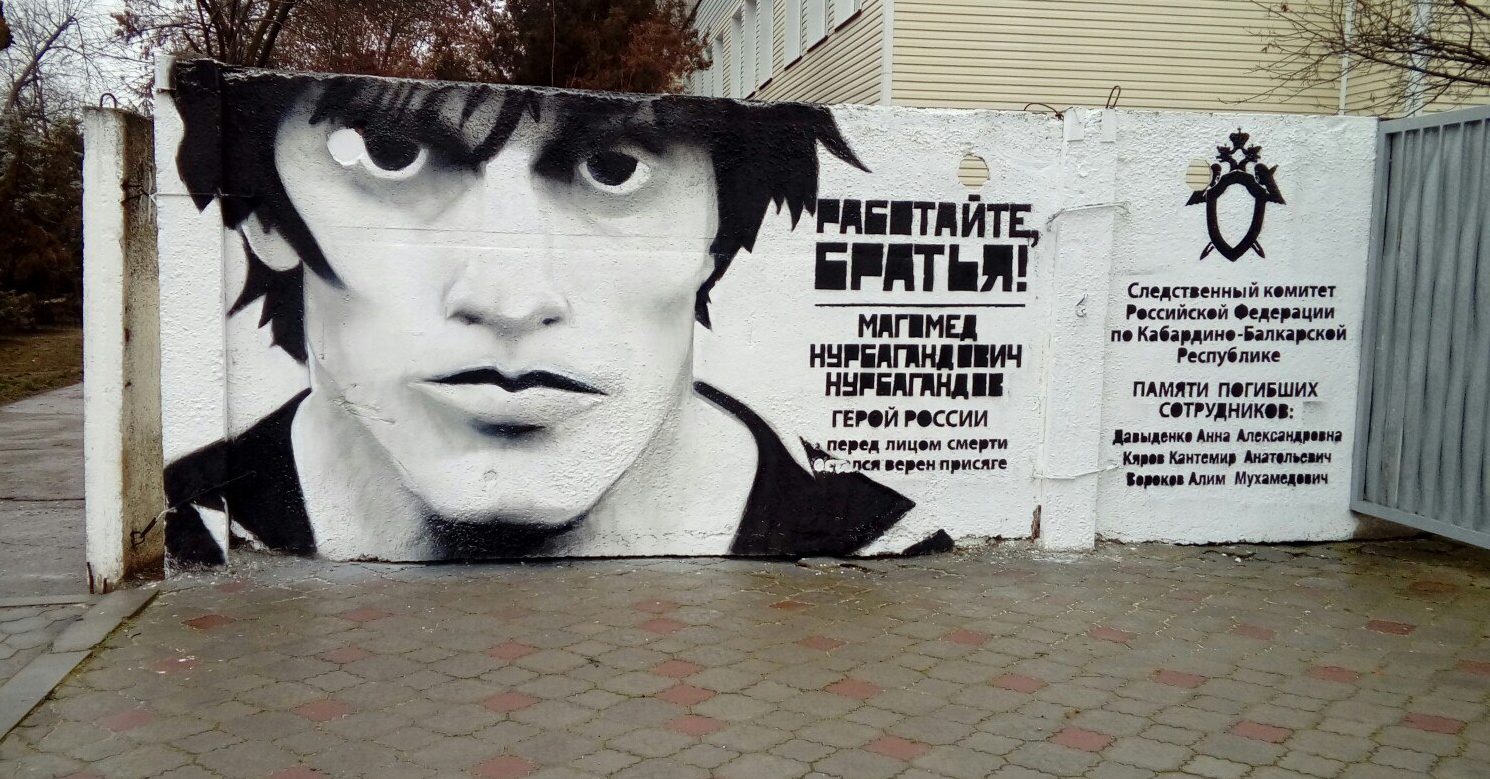
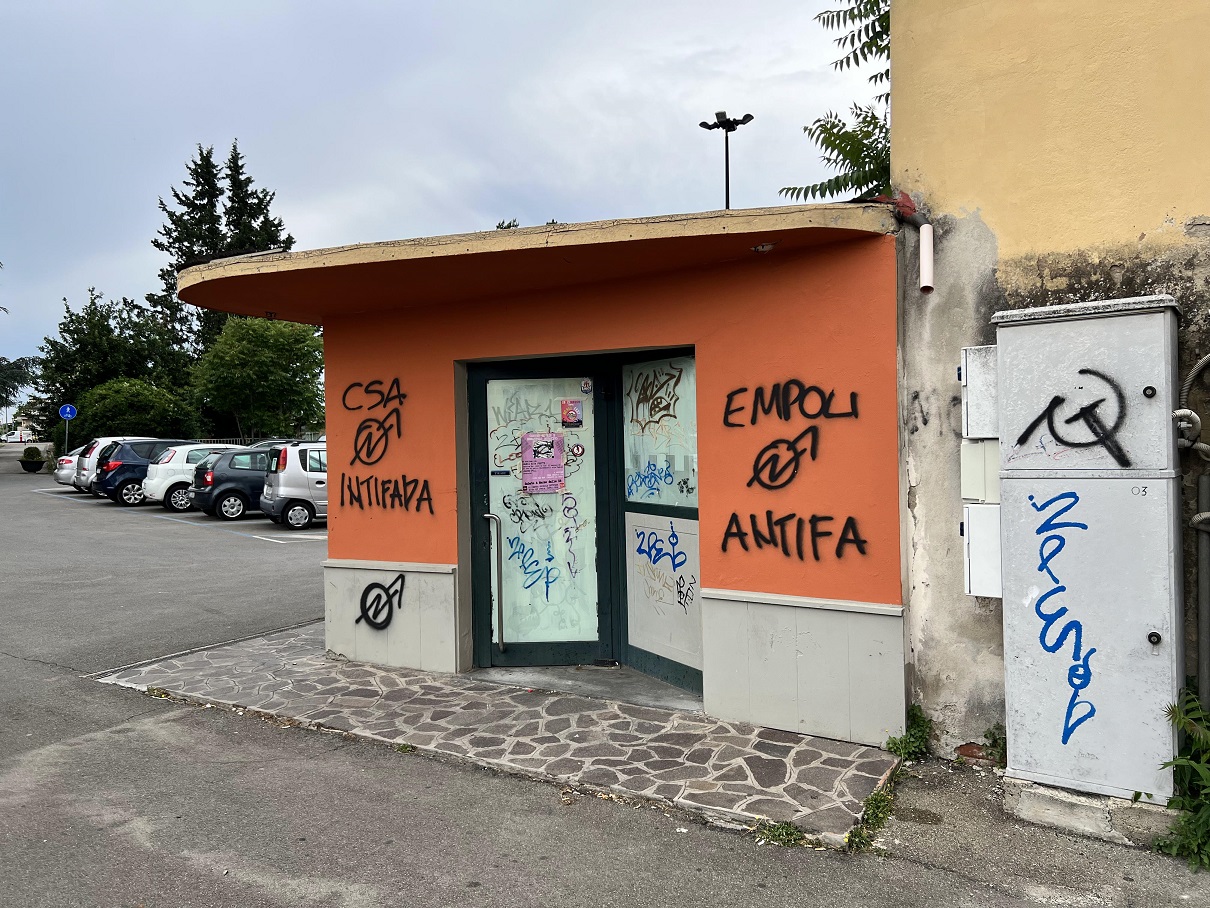
The difference in values is noticeable. In the Italian city, there is a lot of anti-fascist graffiti (there is even communist ones):
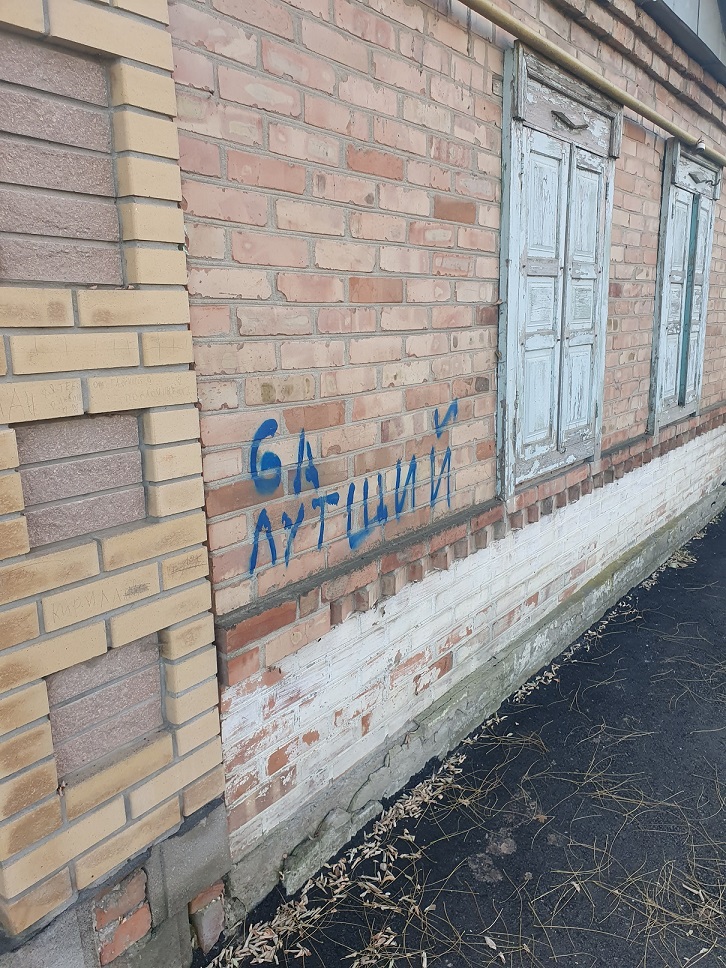
In Prokhladny, however, popular graffiti mostly serves such attempts at self-assertion.
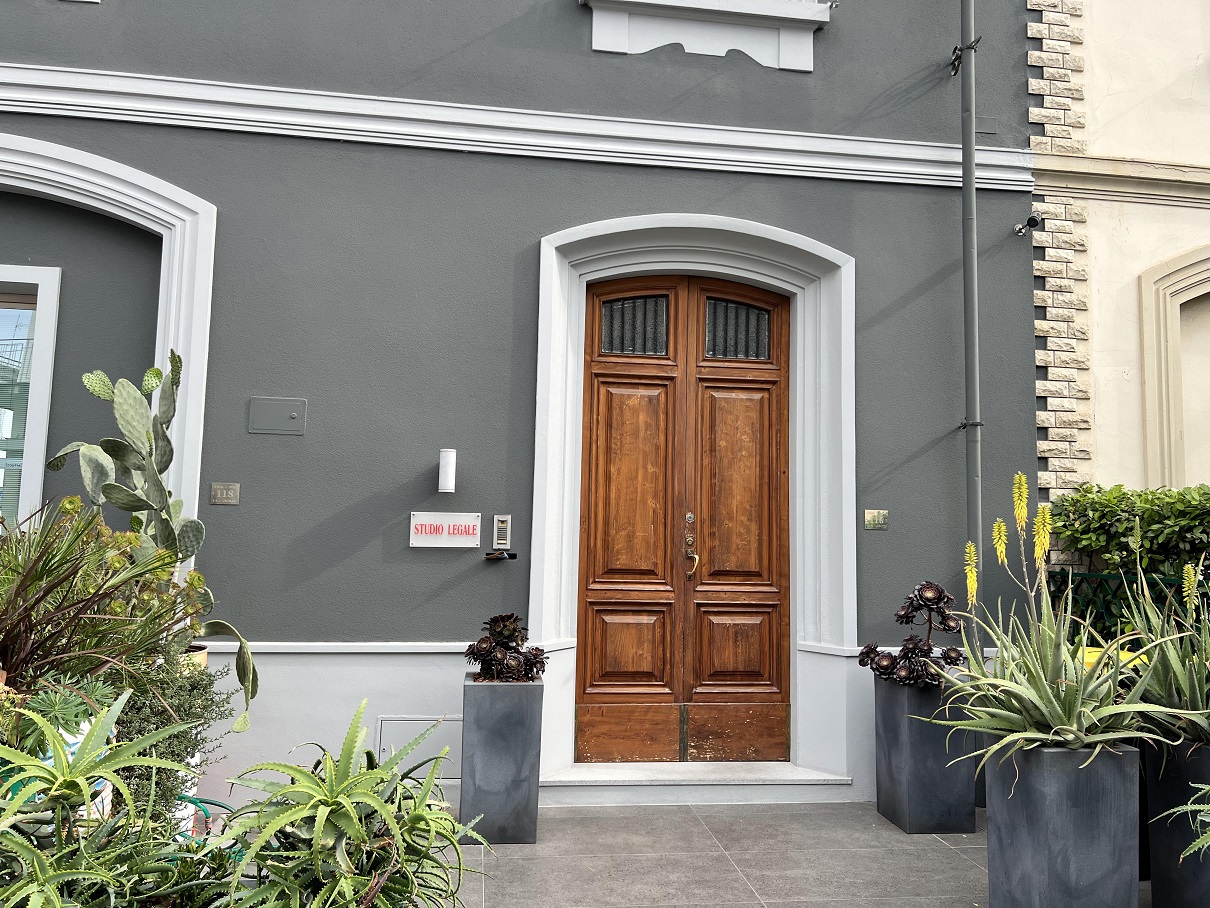
The entrance to a law firm in Empoli. The lawyers here apparently earn very well.
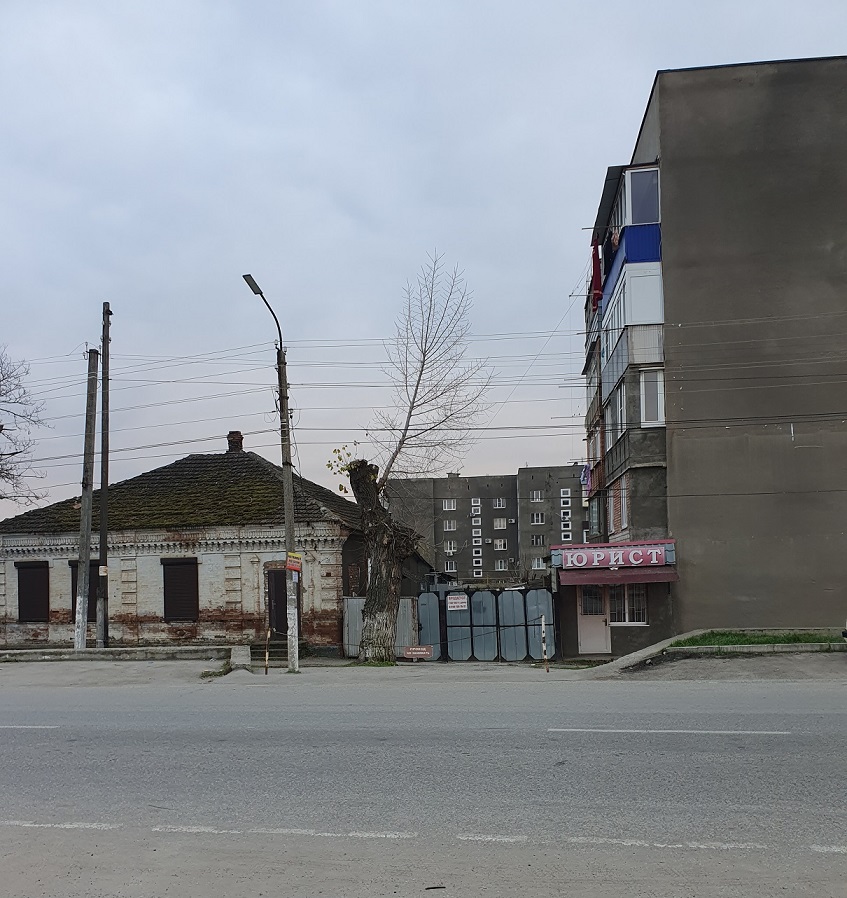
And this is a law office in the Russian city.
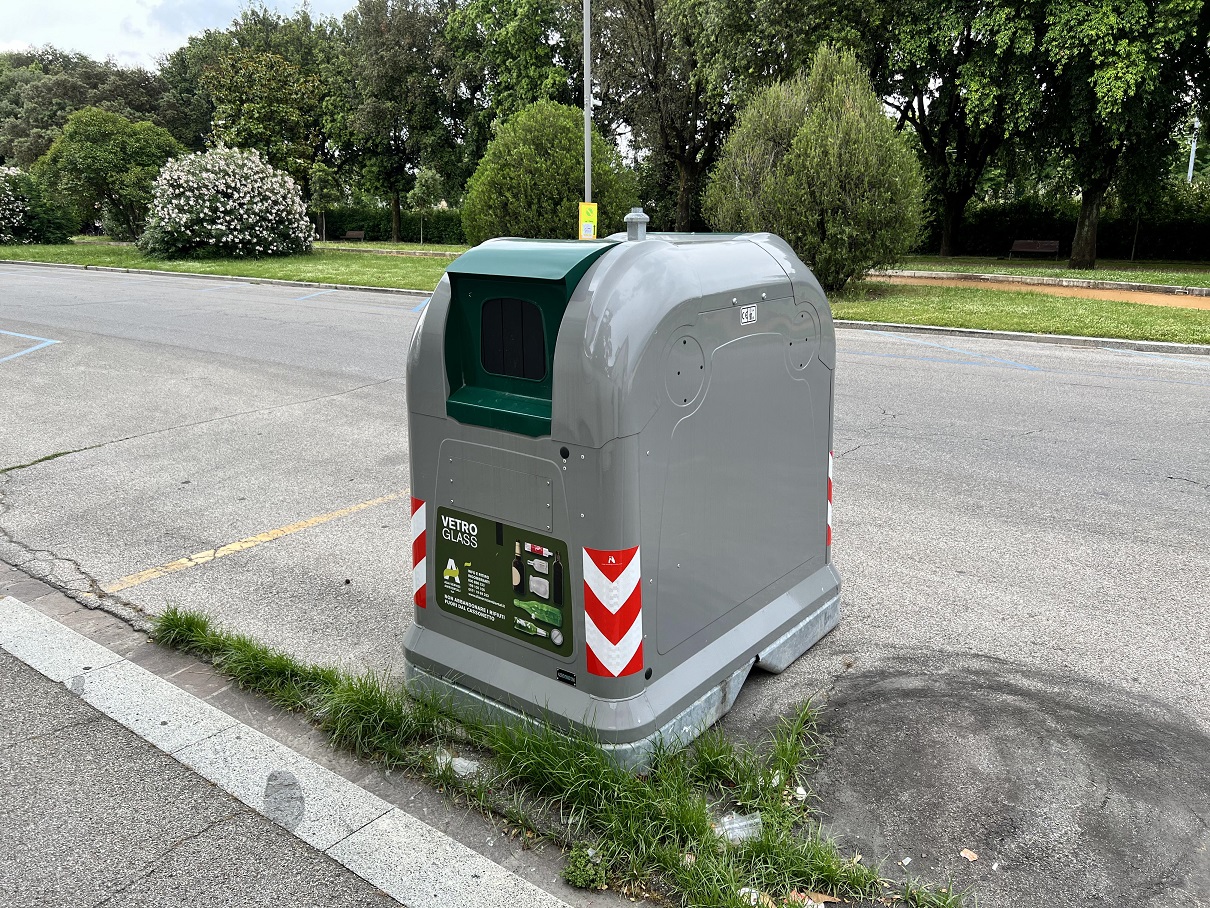
A fairly neat Italian trash bin:
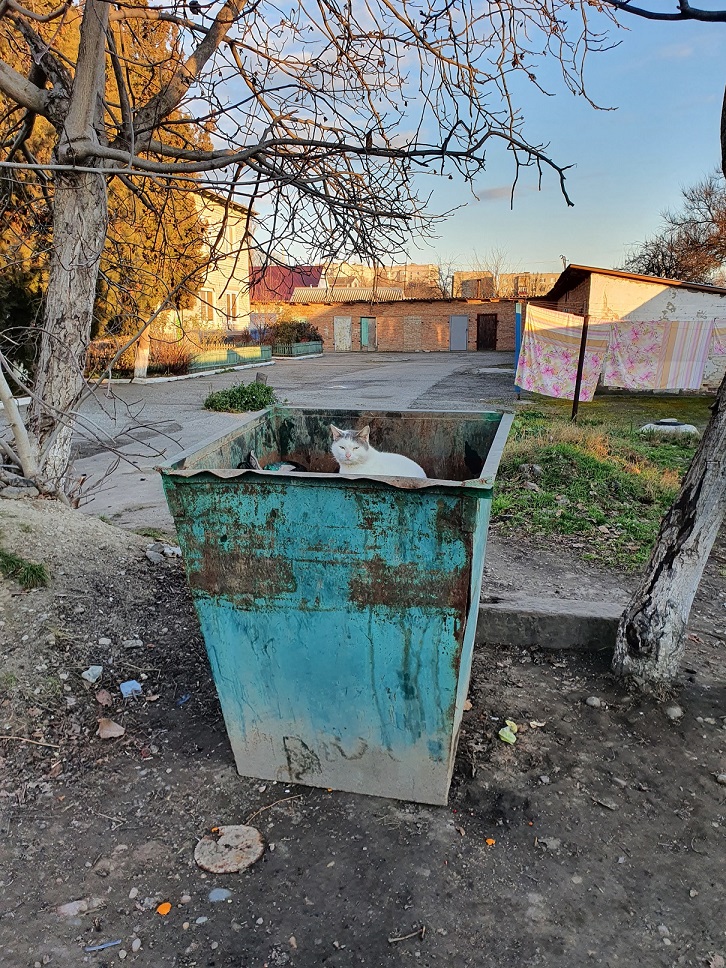
This is in Russia:
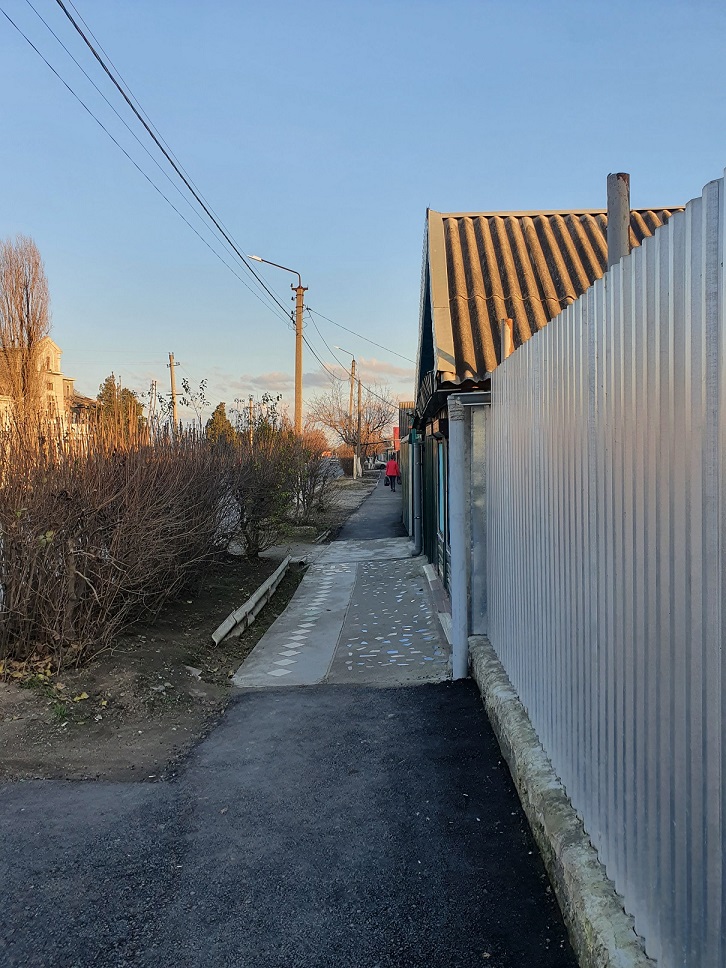
Residents of Prokhladny try to landscape their homes to the best of their modest abilities. For example, here they tried to decorate the path in front of the house entrance:
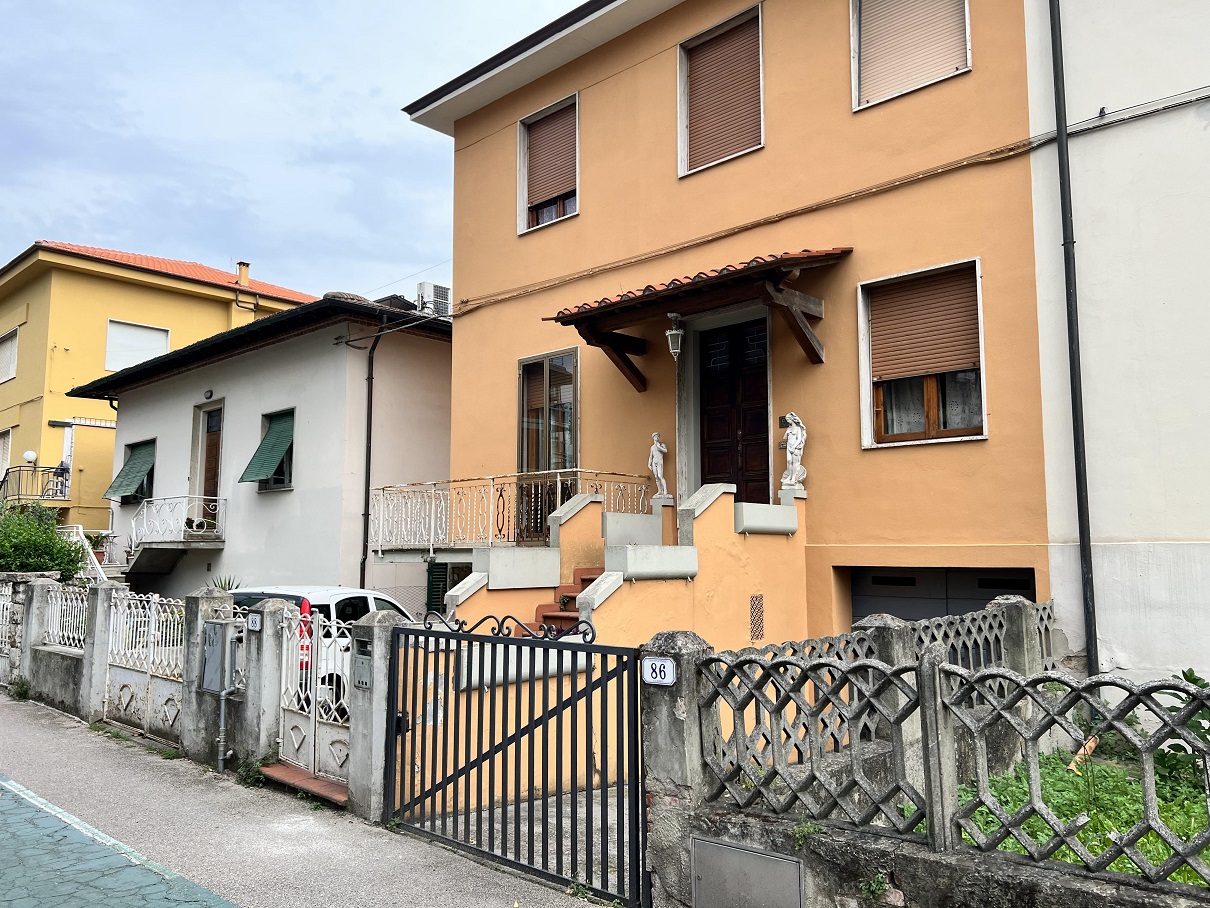
Italians sometimes decorate their homes with sculptures. In Russia, this would make no sense, as the sculpture would most likely be stolen quickly there. One of the reasons is that the law enforcement system works much better in Italy.
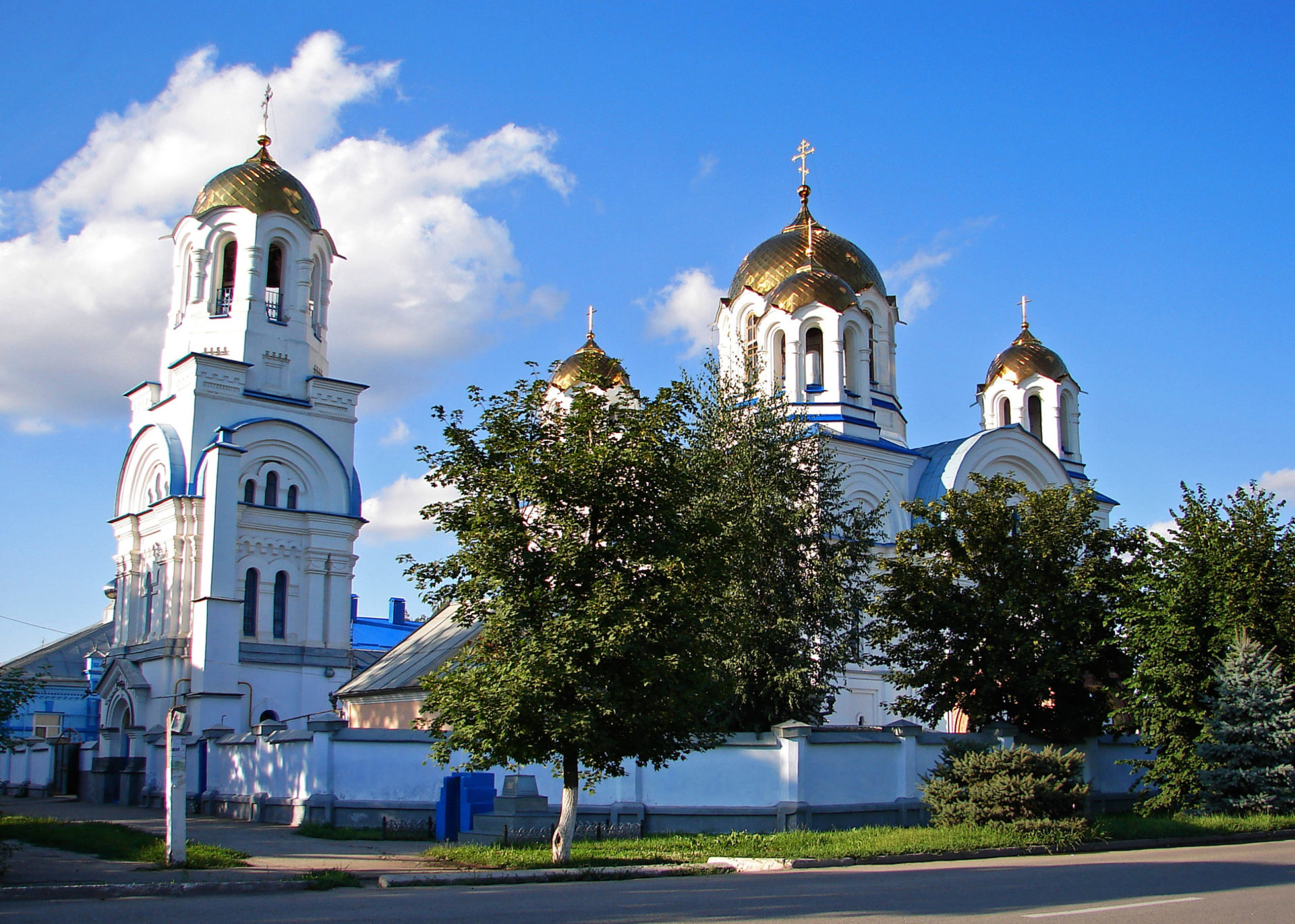
The Orthodox church in Prokhladny looks relatively respectable.
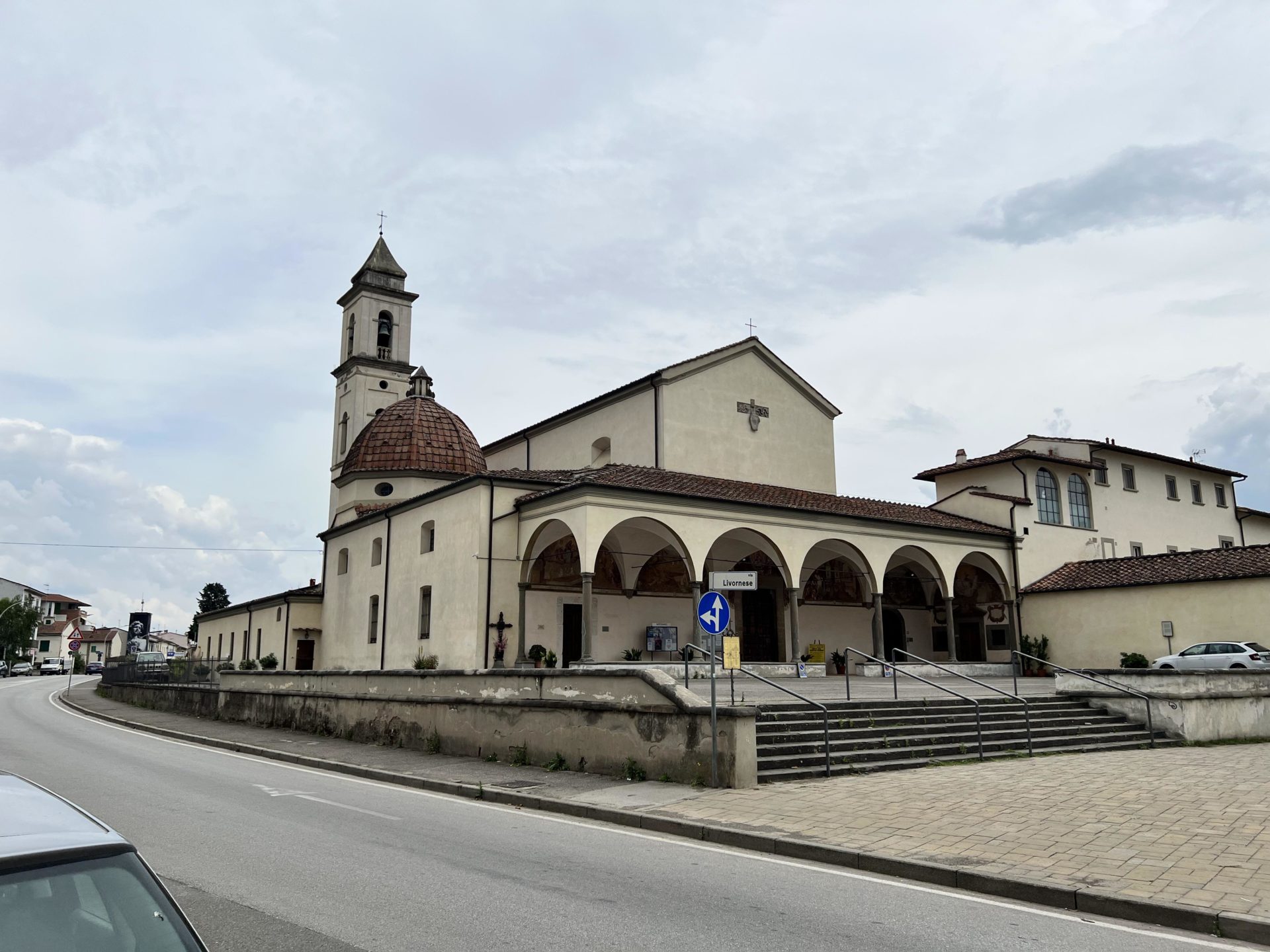
However, the Italian Catholic church also has a fine appearance.
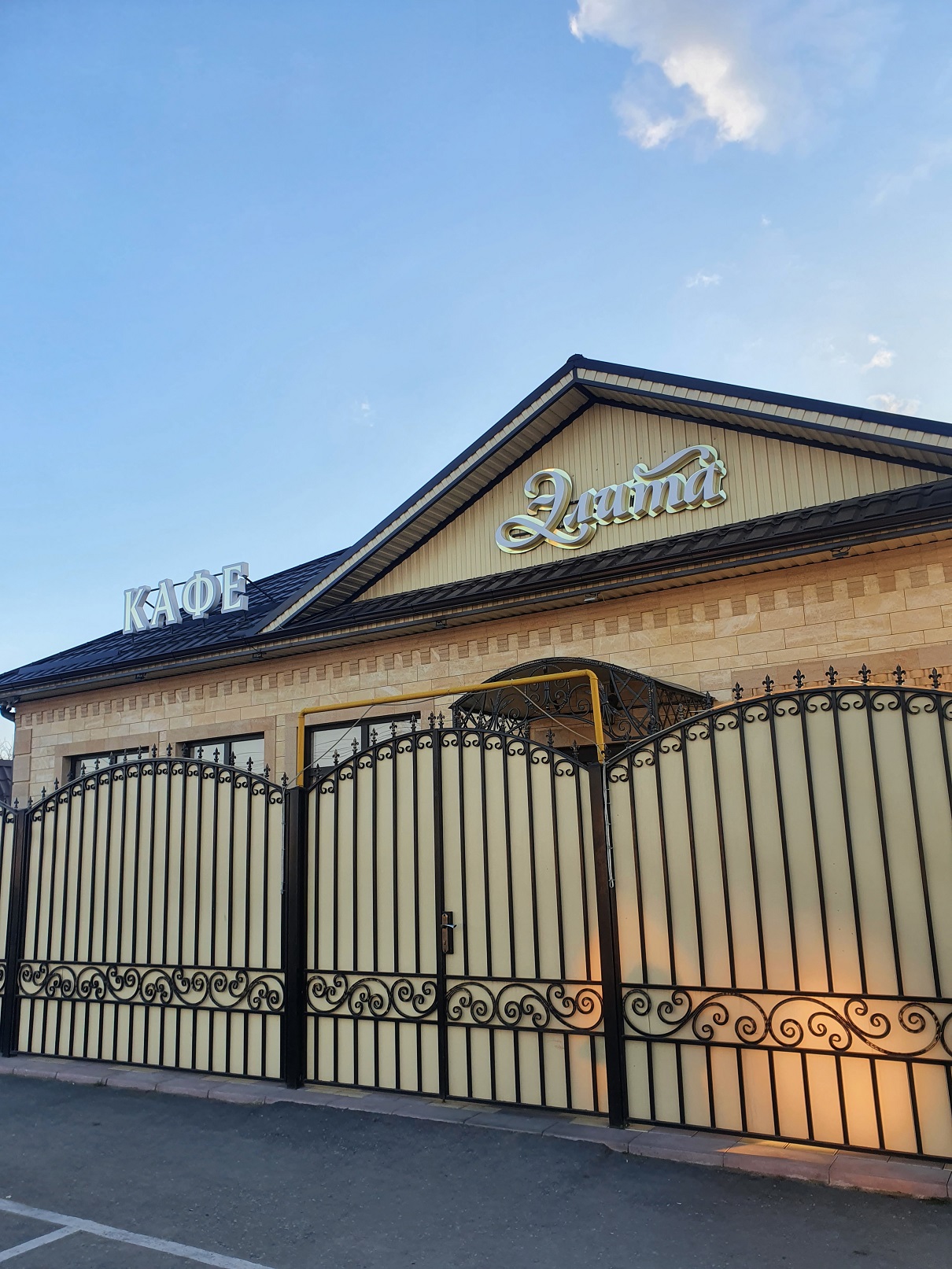
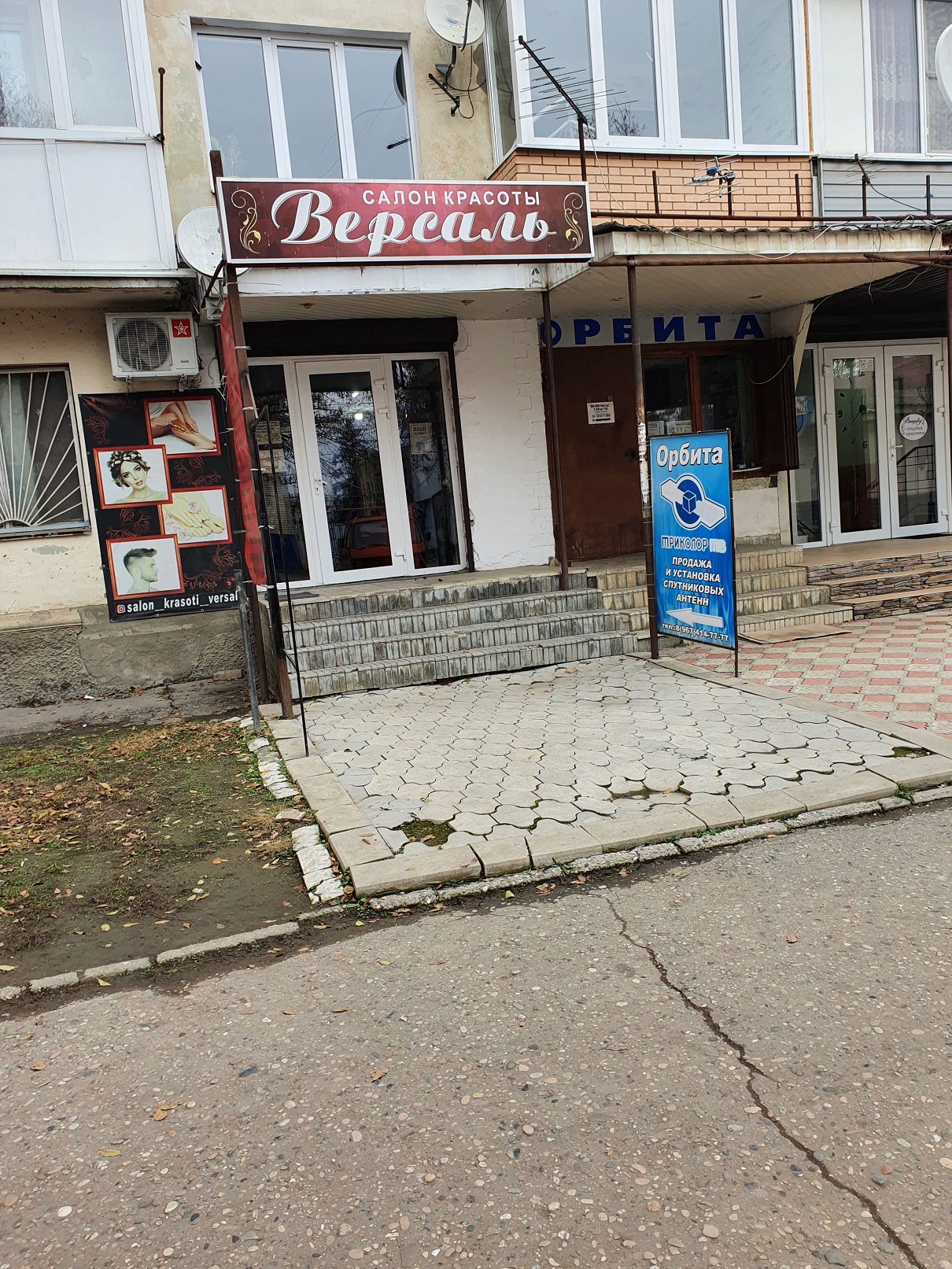
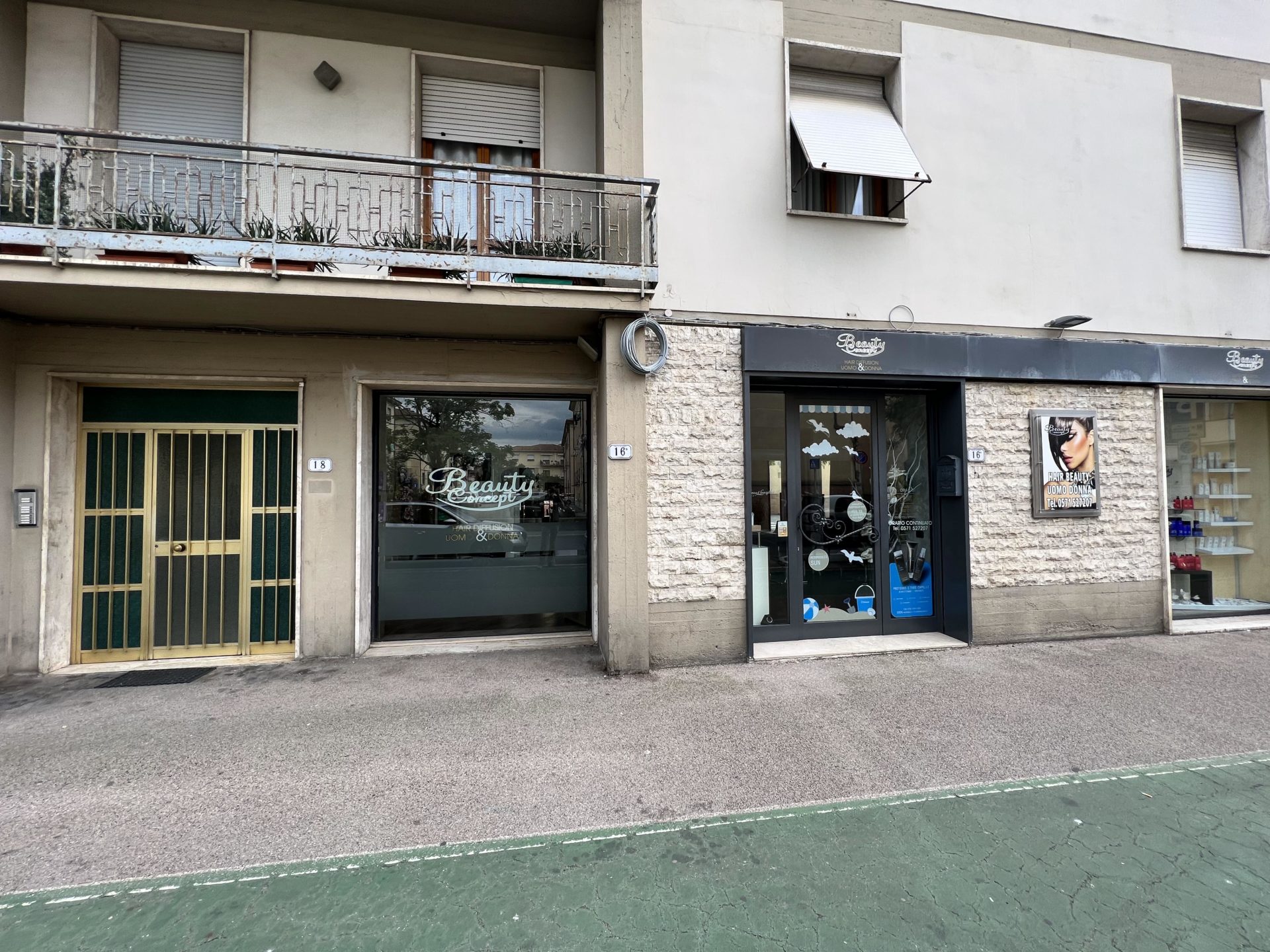
In the Russian provinces, some establishments still try to use pompous and high-status names.
In Italy, the names are usually simpler.

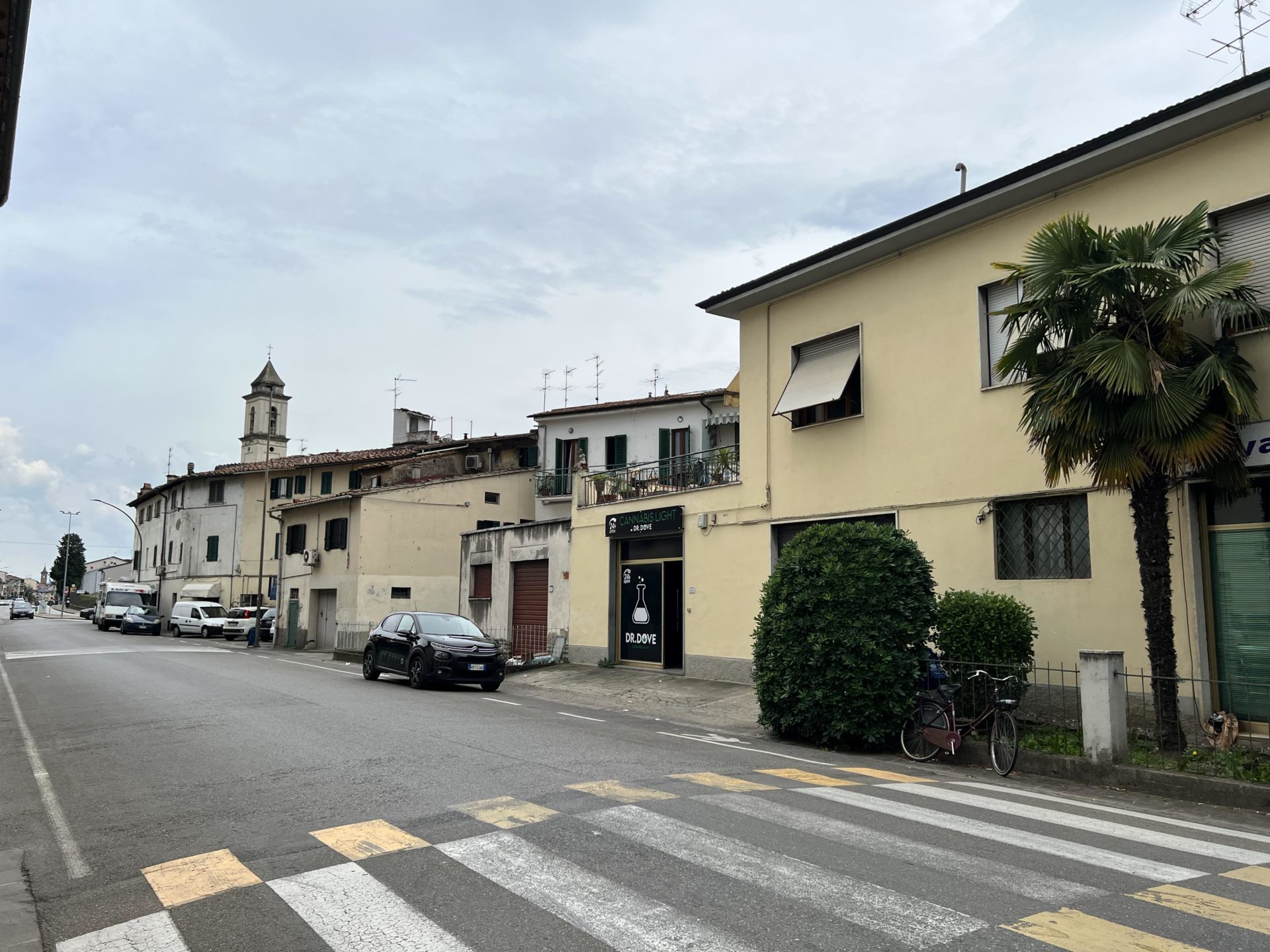
At the same time, it is hard to imagine cannabis being sold in the Russian provinces in the foreseeable future.
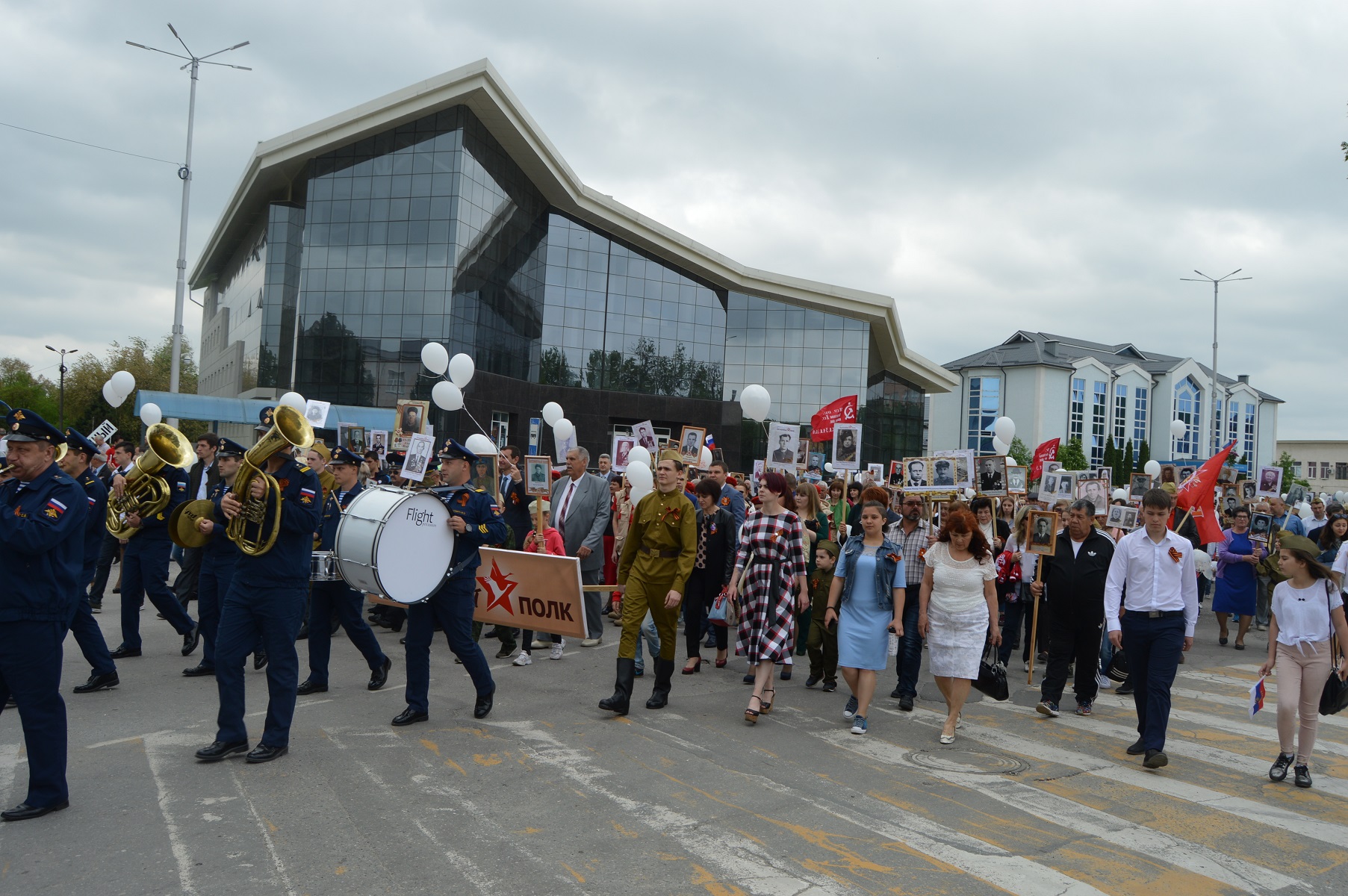
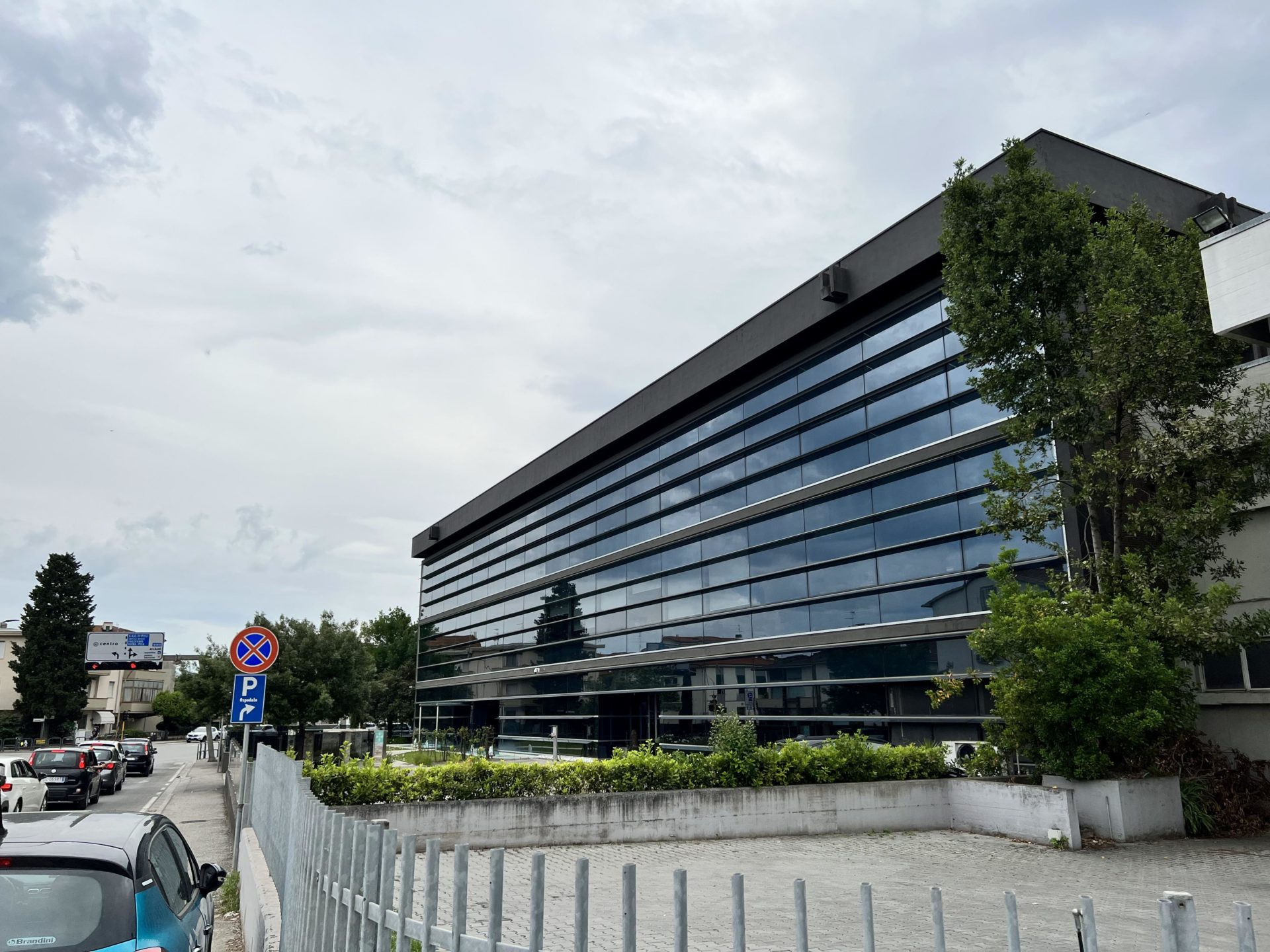
Glass architecture is liked in both cities:
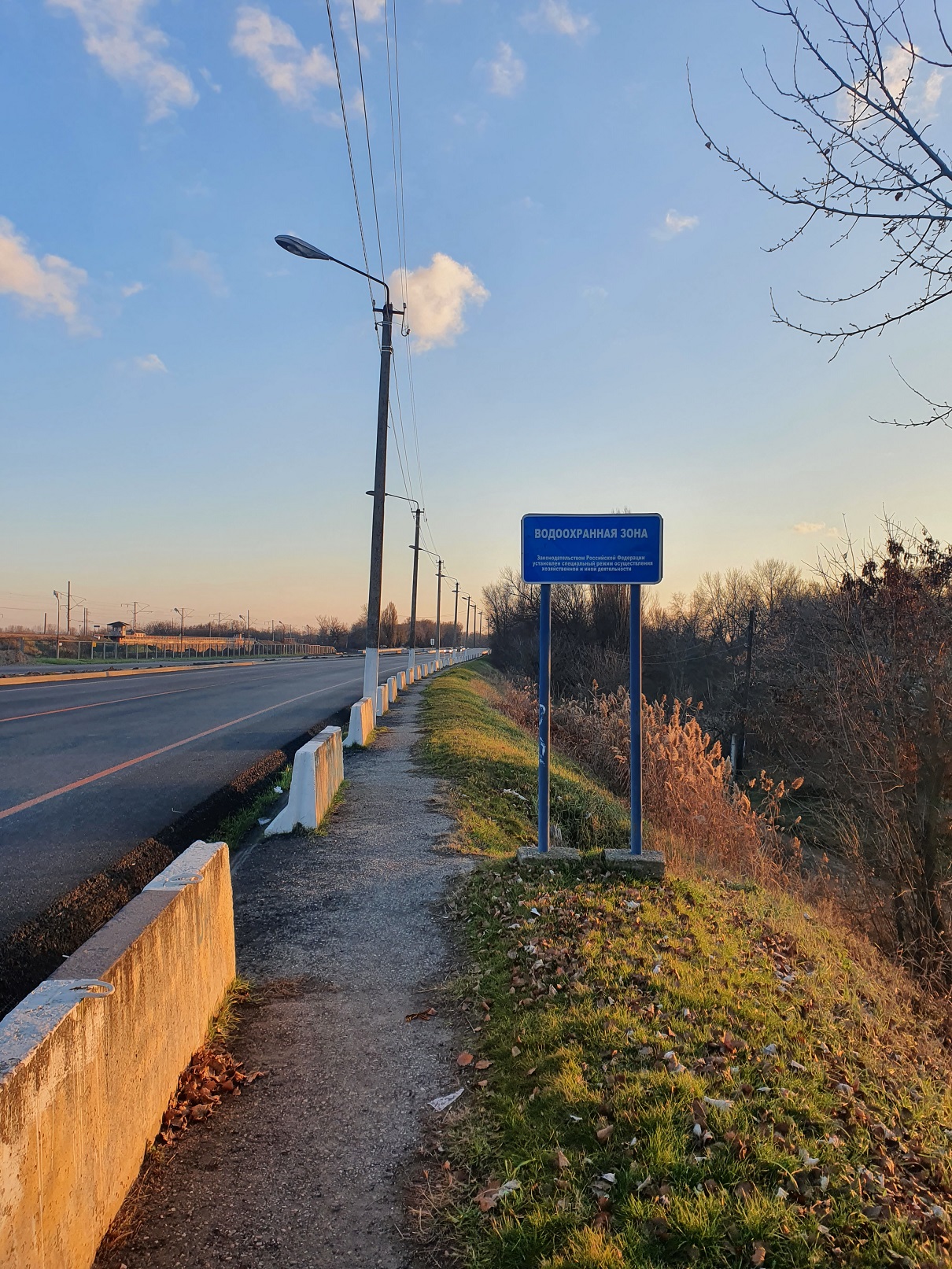
Road signs are designed differently. Here is a road sign in the Russian city:
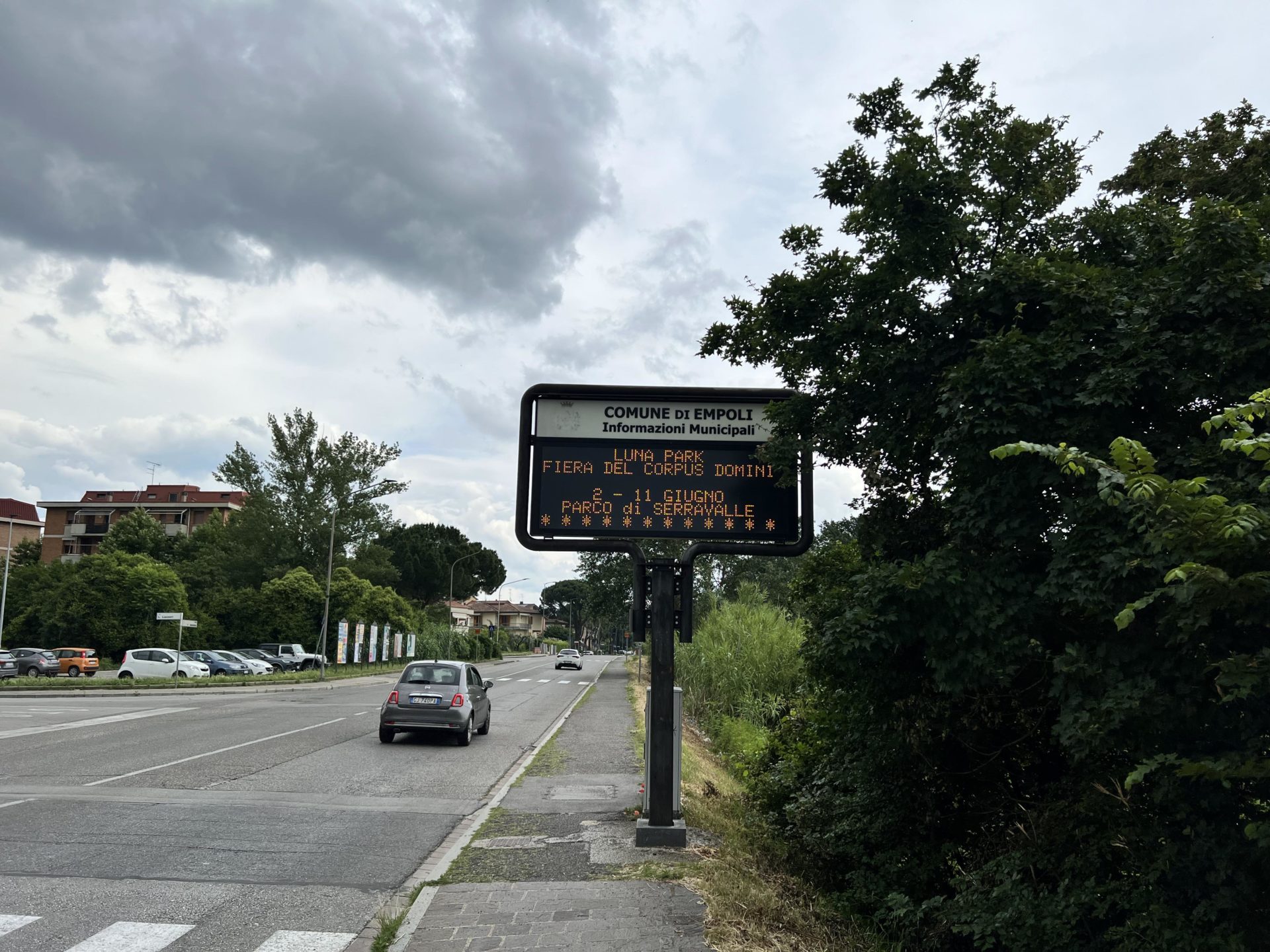
And this is in the Italian one:
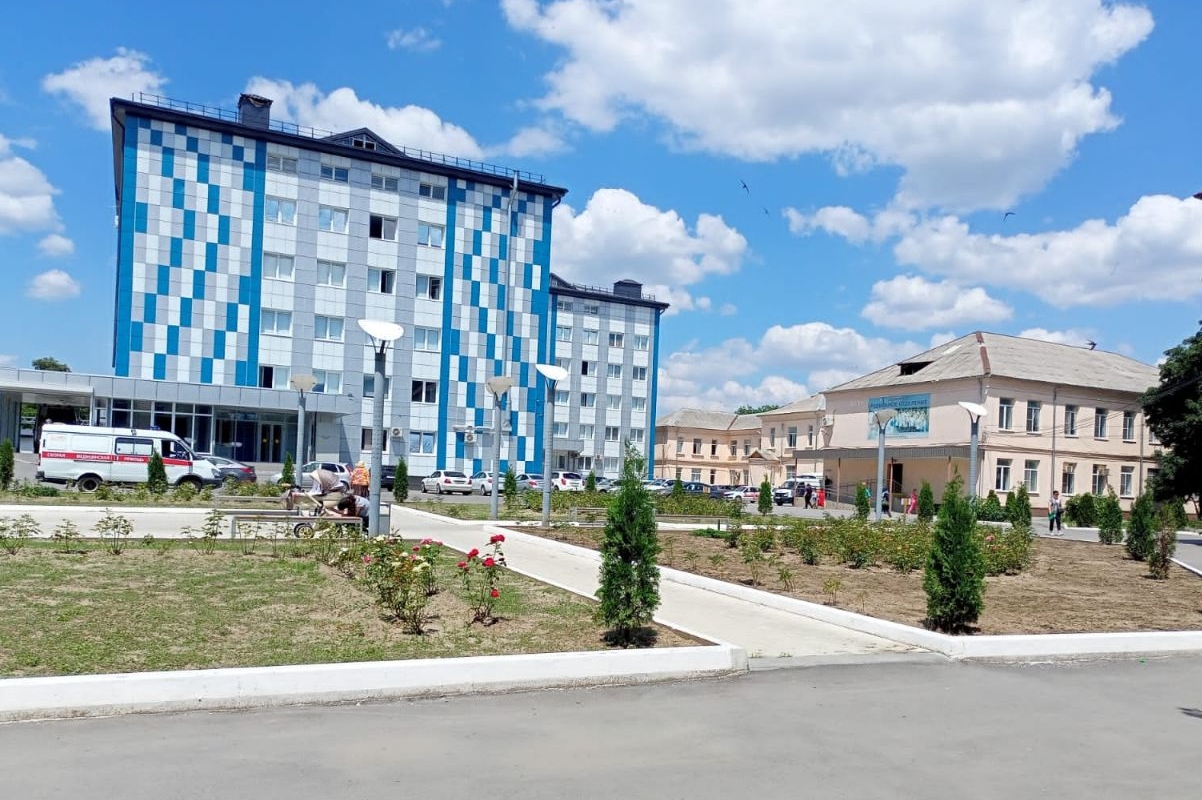
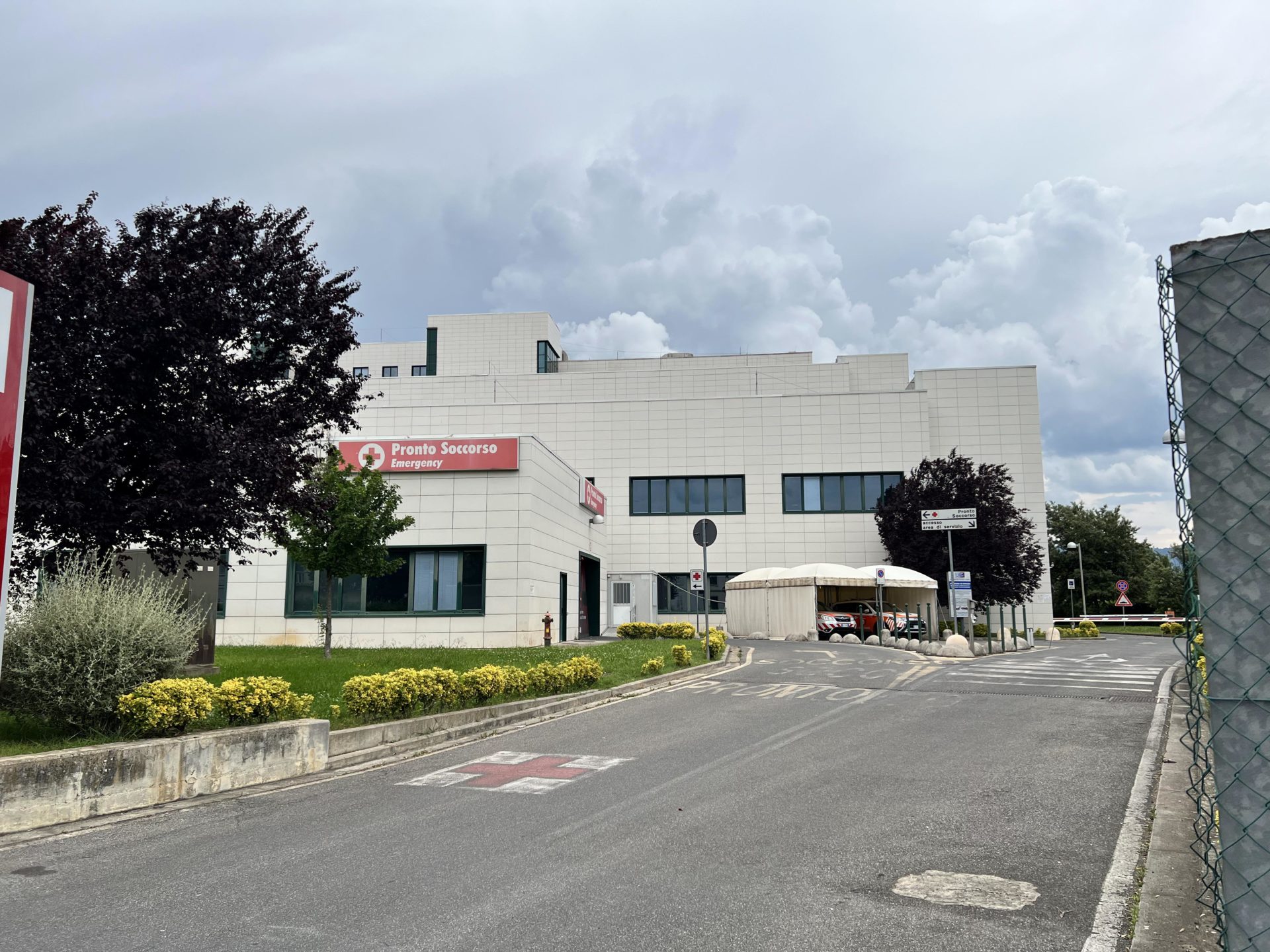
This is what Prokhladny Central District Hospital looks like:
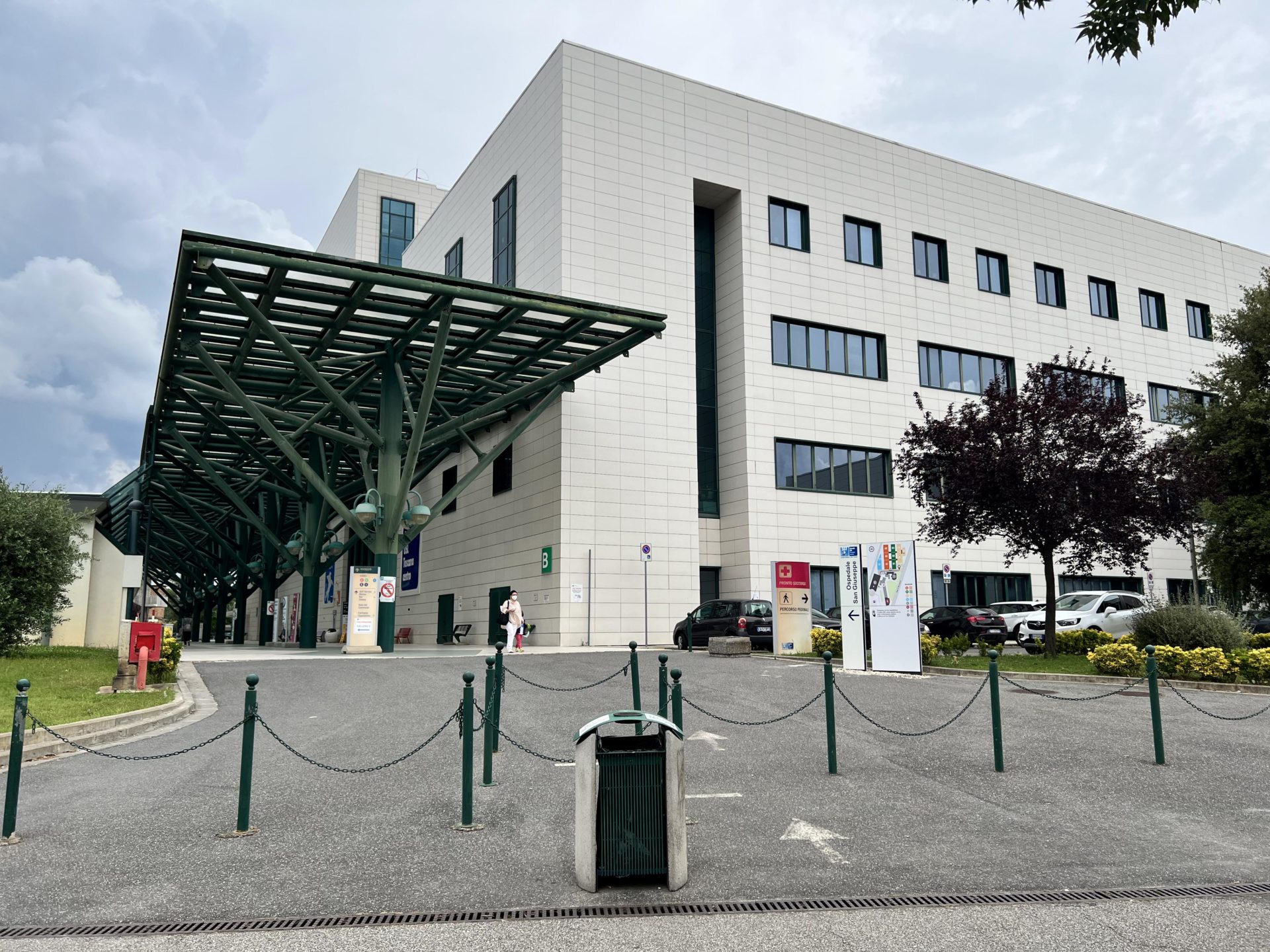
This is Empoli central clinic:
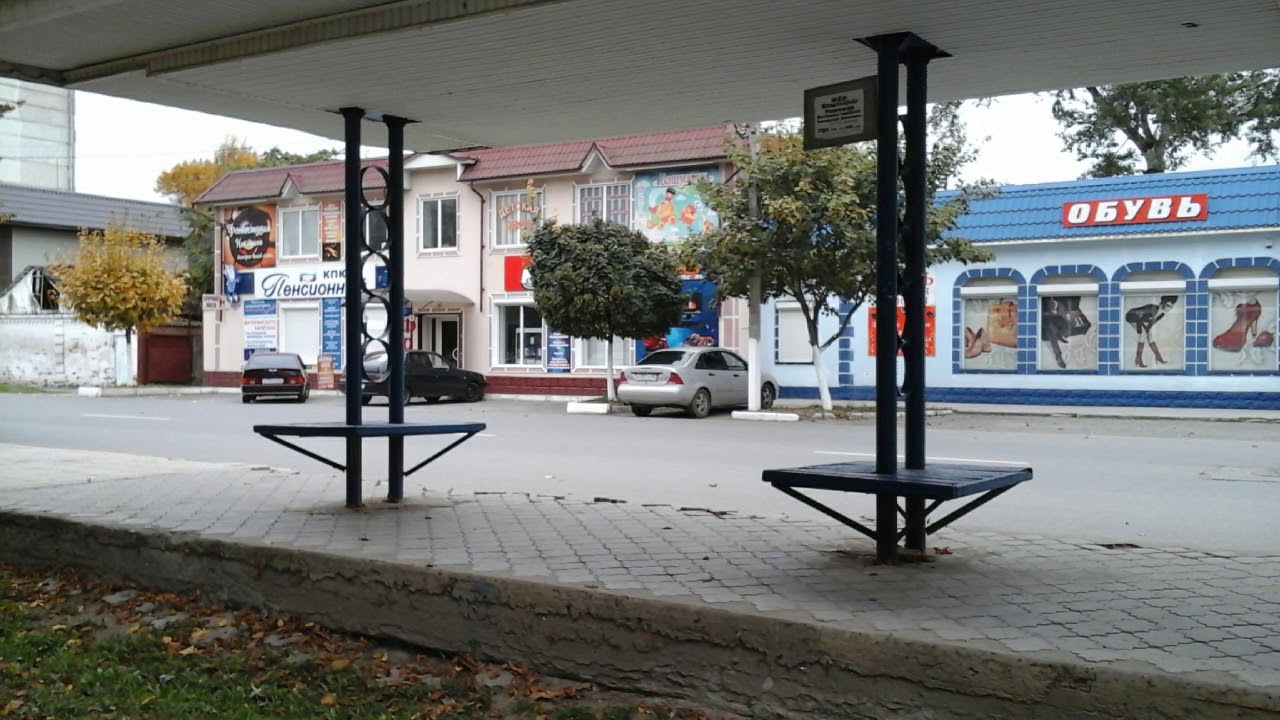
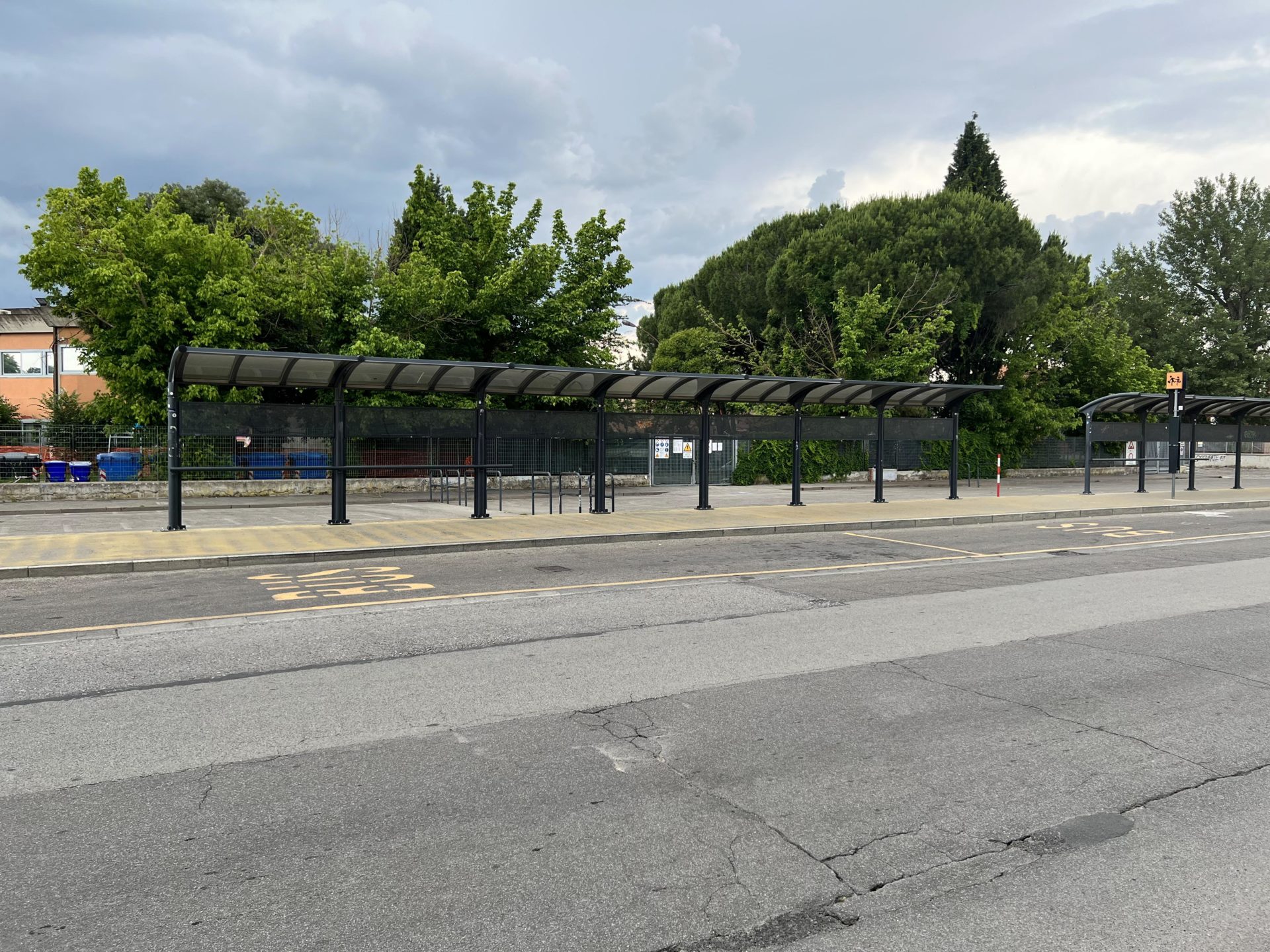
How bus stops look in the two cities:
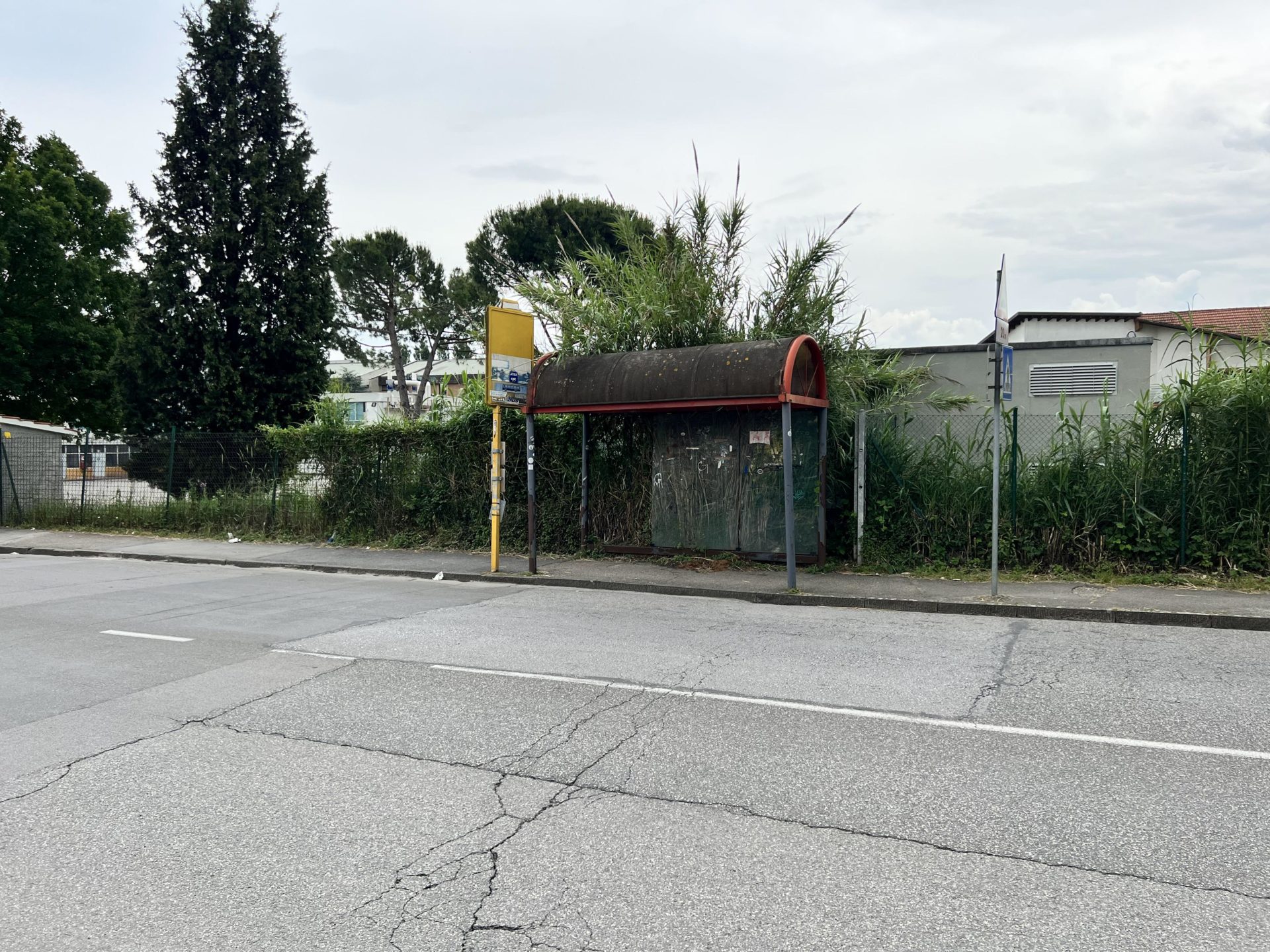
At the same time, we managed to find a bus stop in Empoli that looks unkempt.
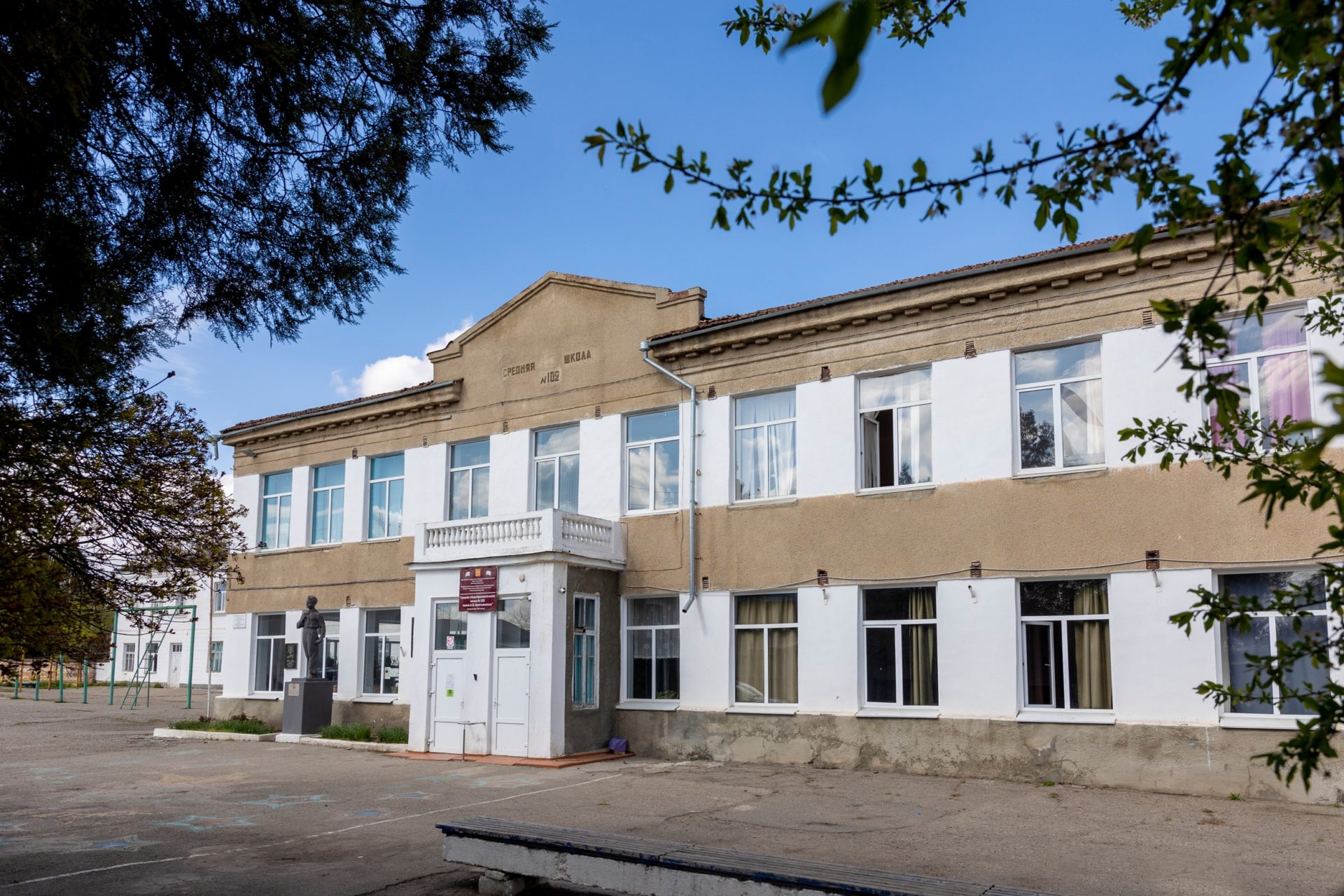
This is what a school in the Russian city looks like:
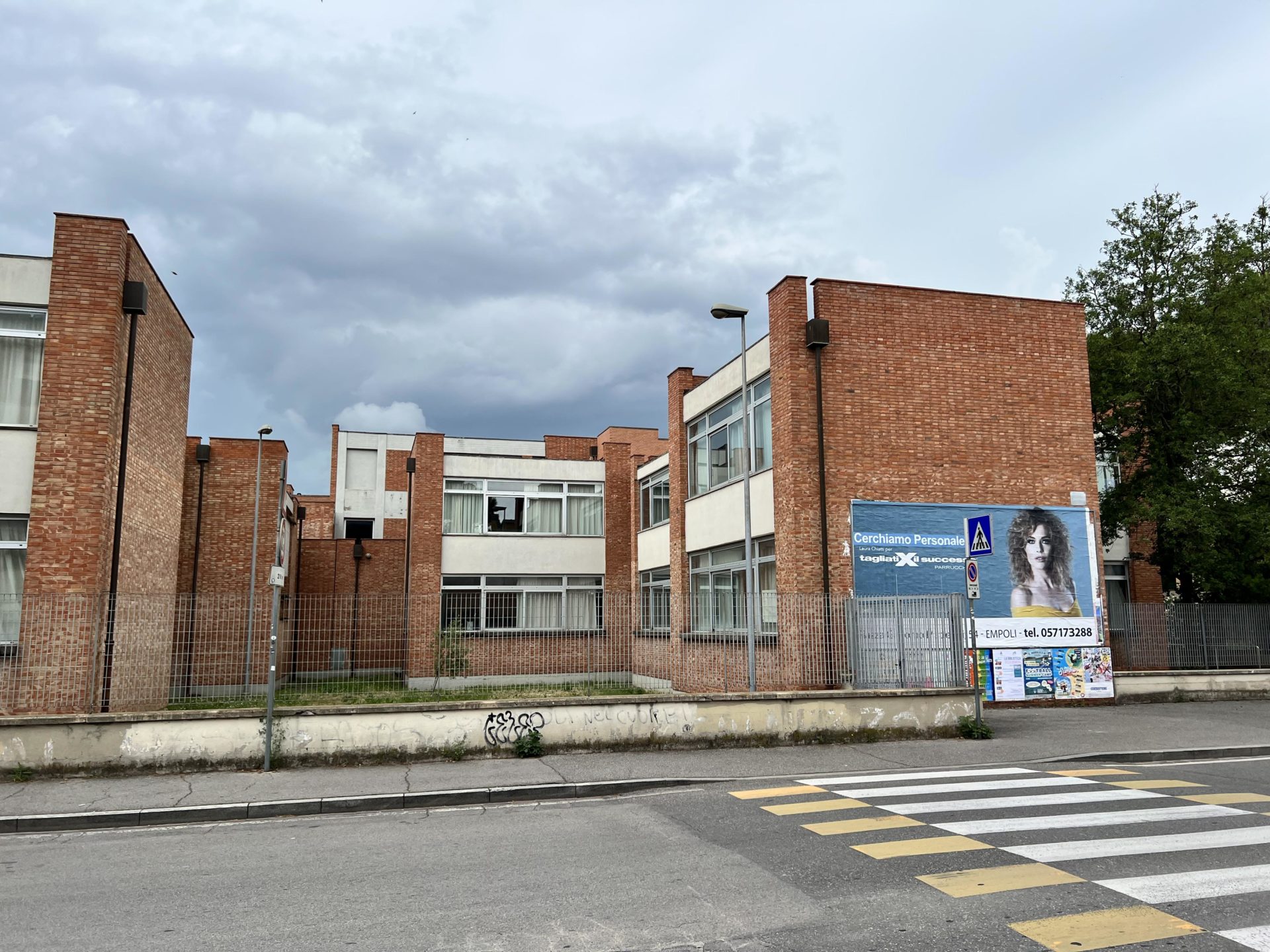
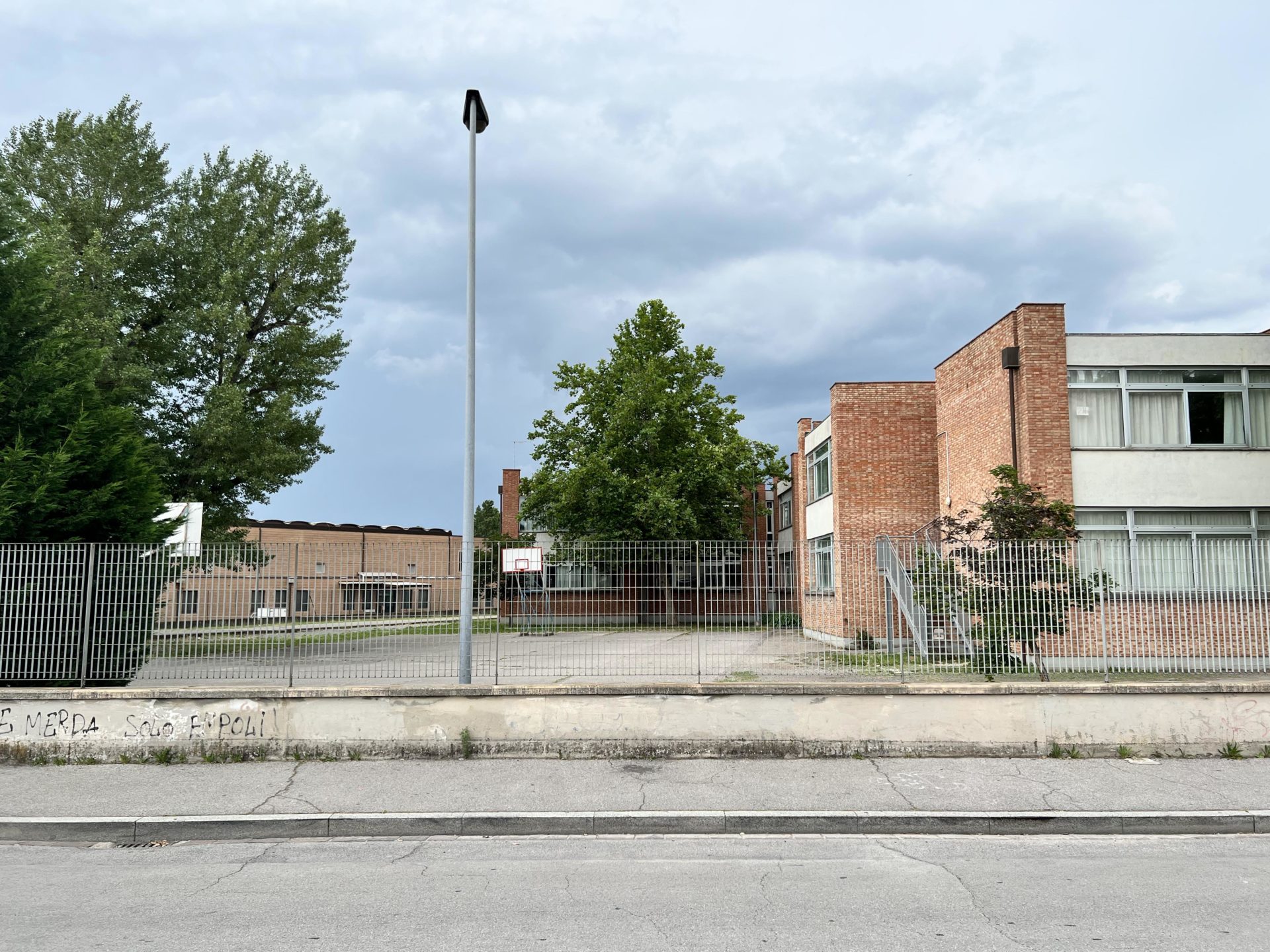
And below is an Italian school.
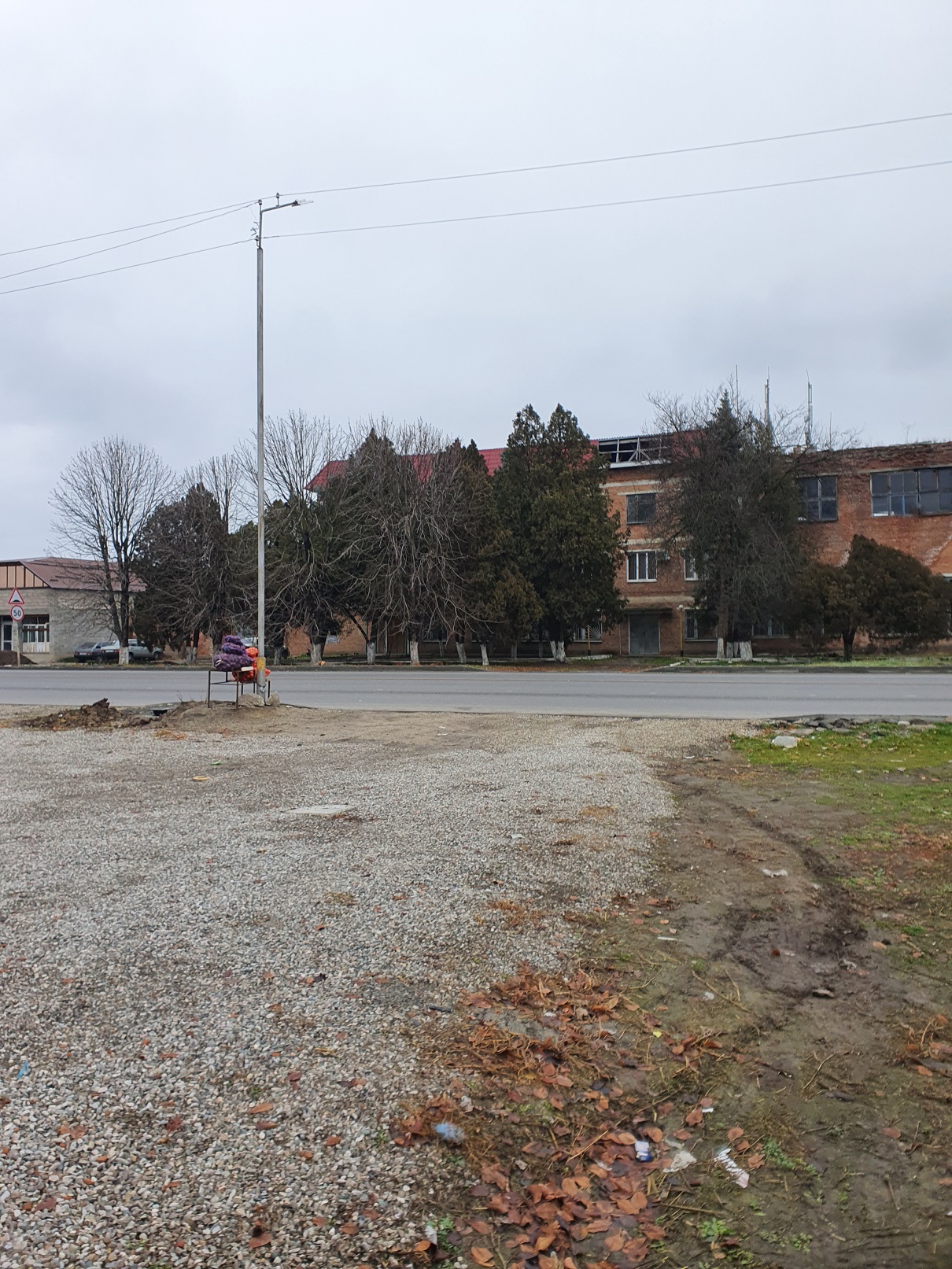
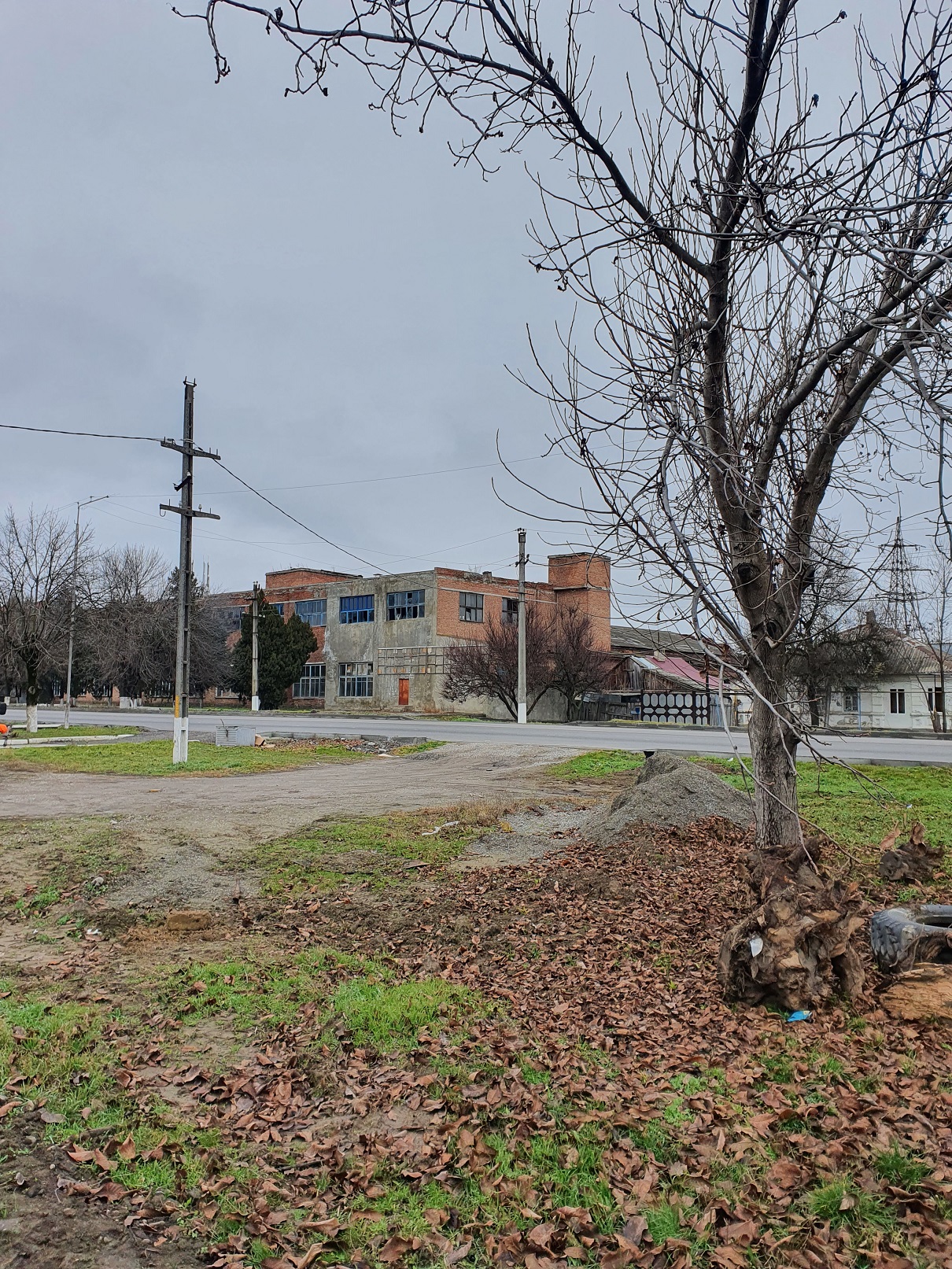
It cannot be said that the roads in Prokhladny are sufficiently developed with curbs or road markings:
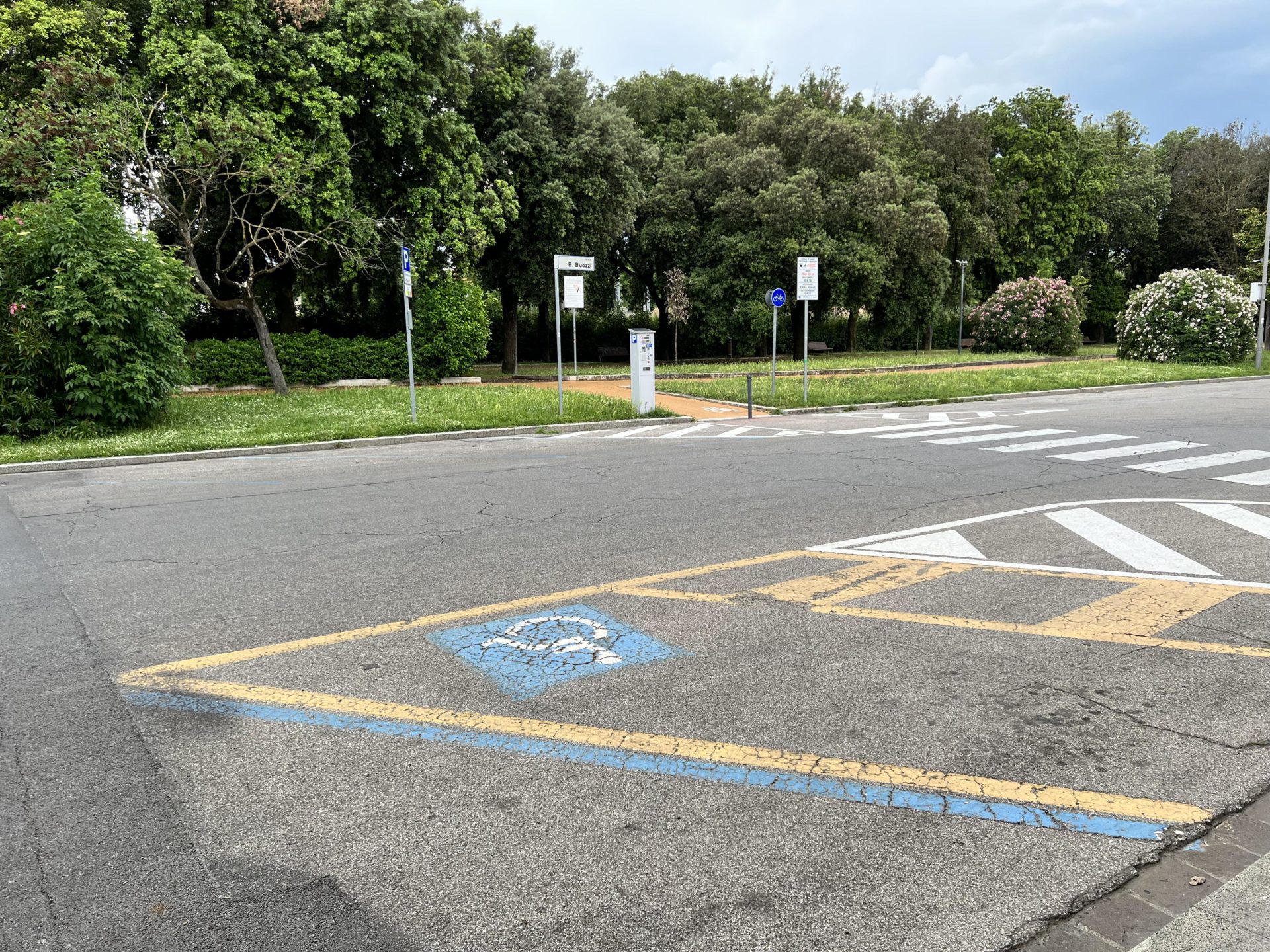
In Italy, things are somewhat better in this regard:
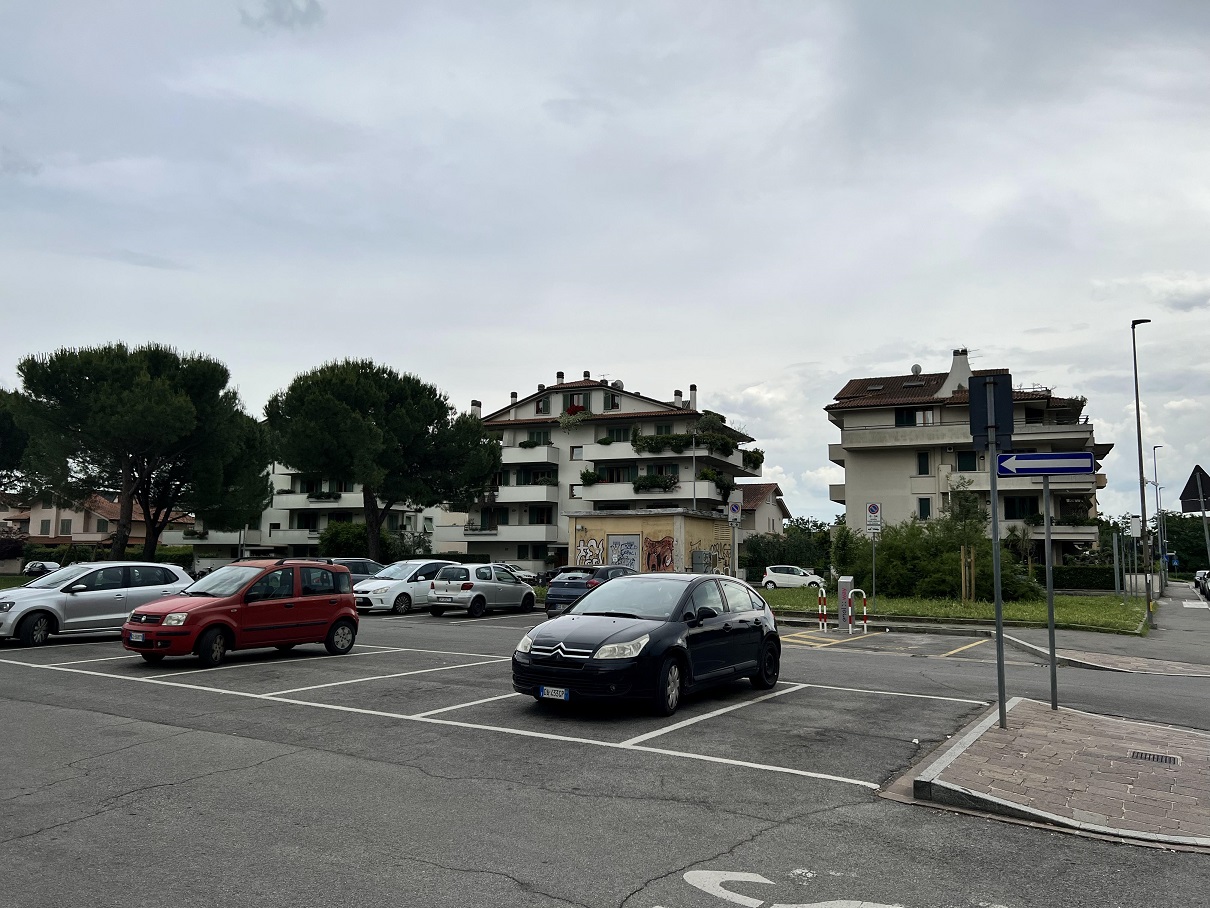
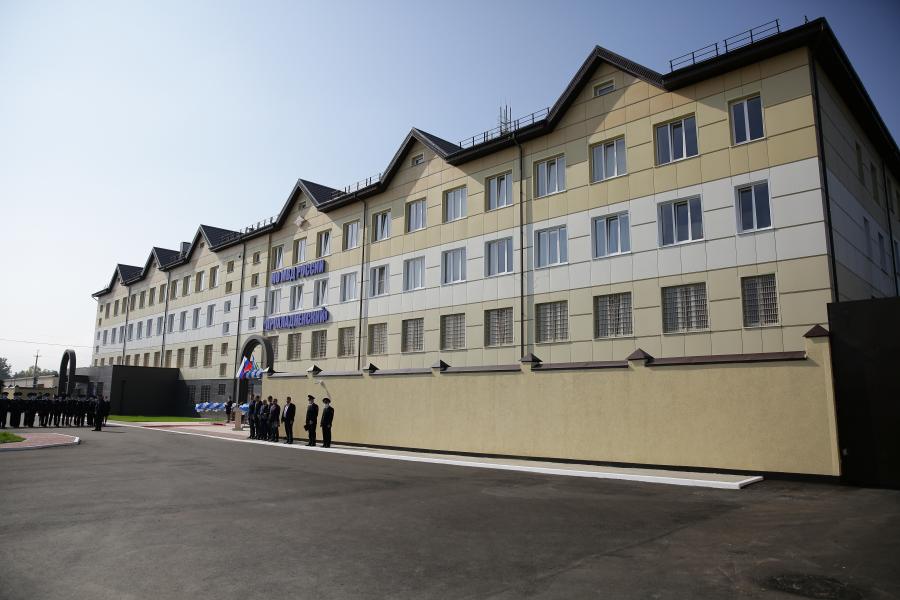
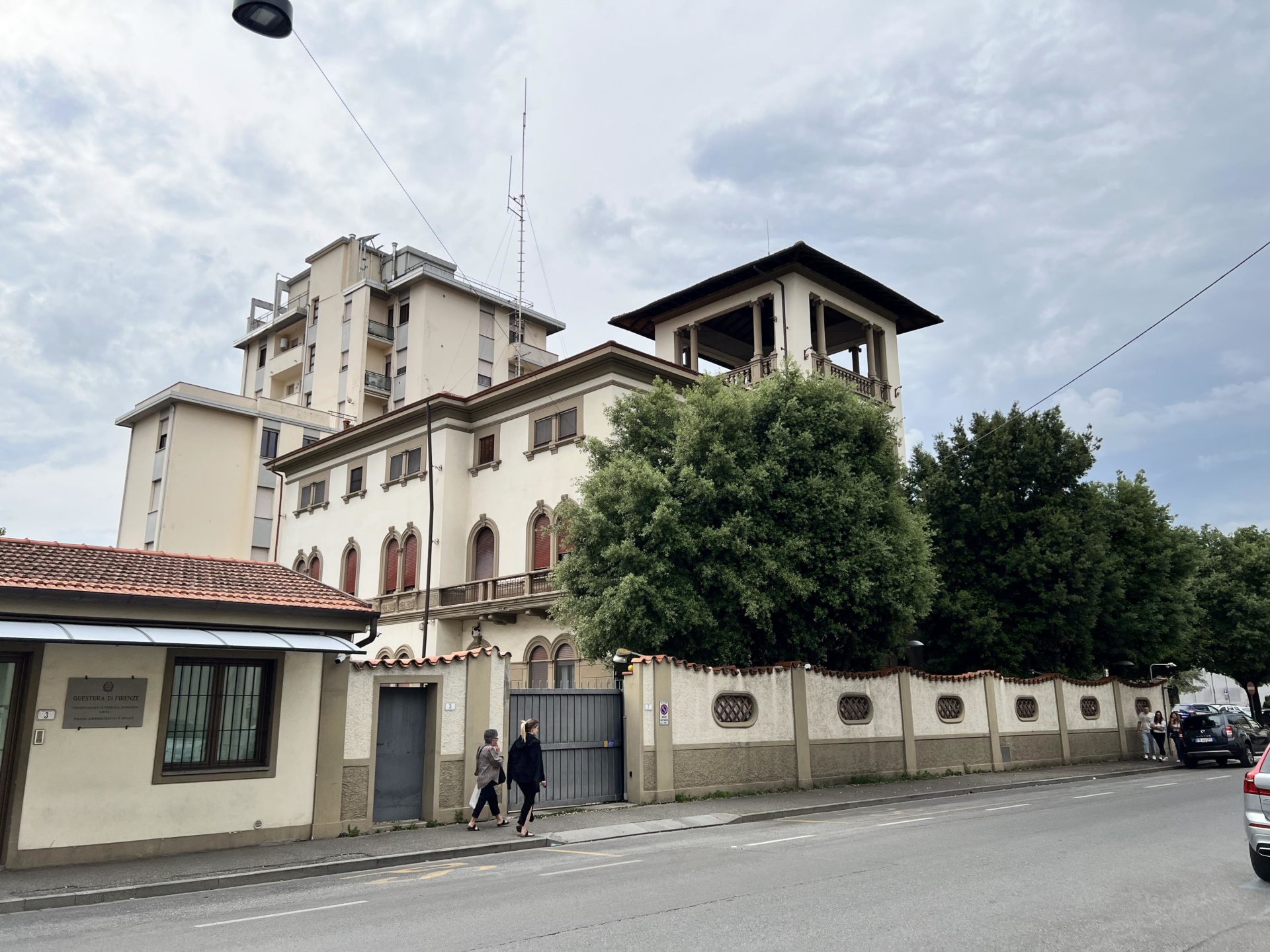
The recently constructed police building in Prokhladny and the police station in Empoli:
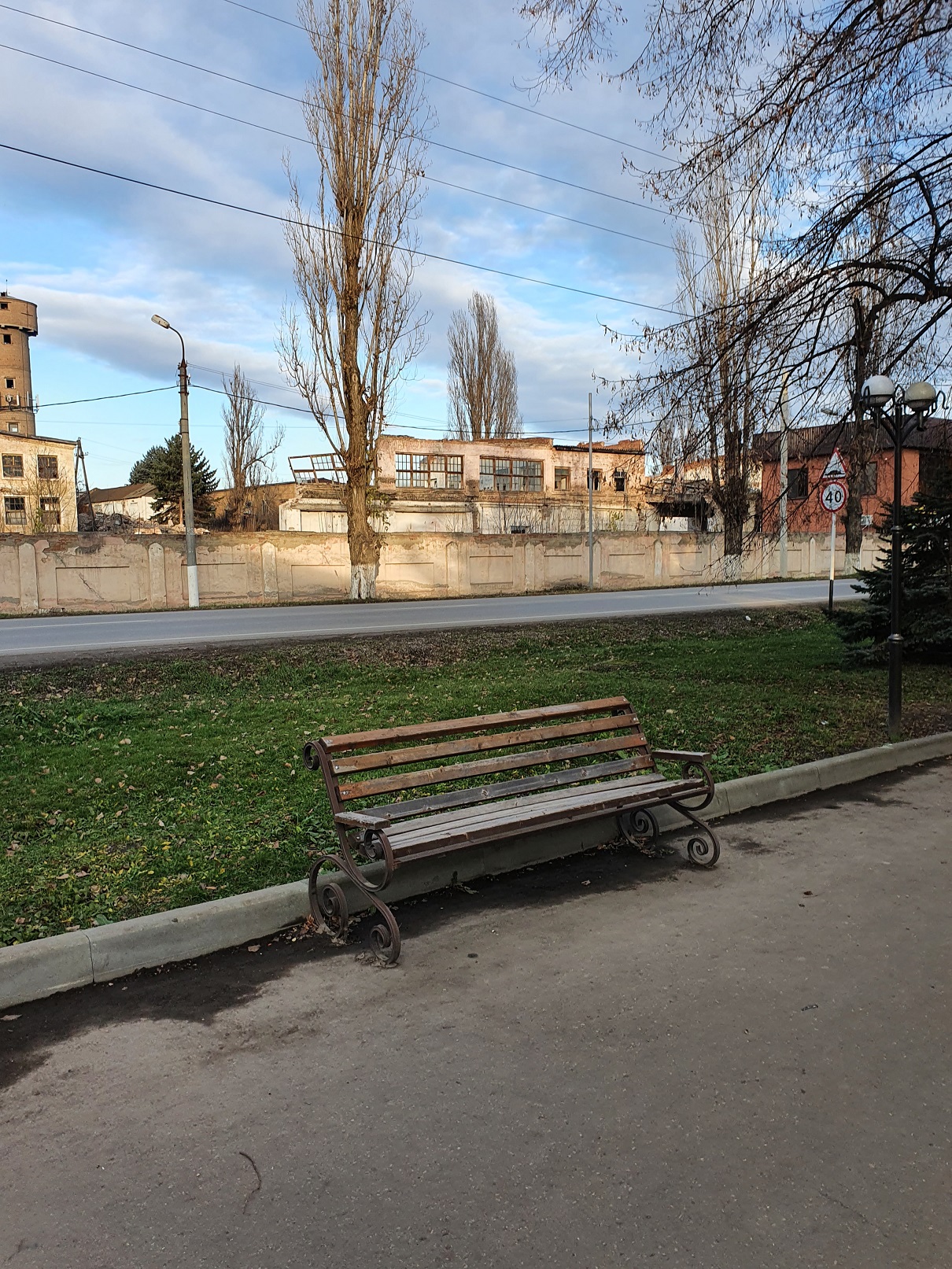
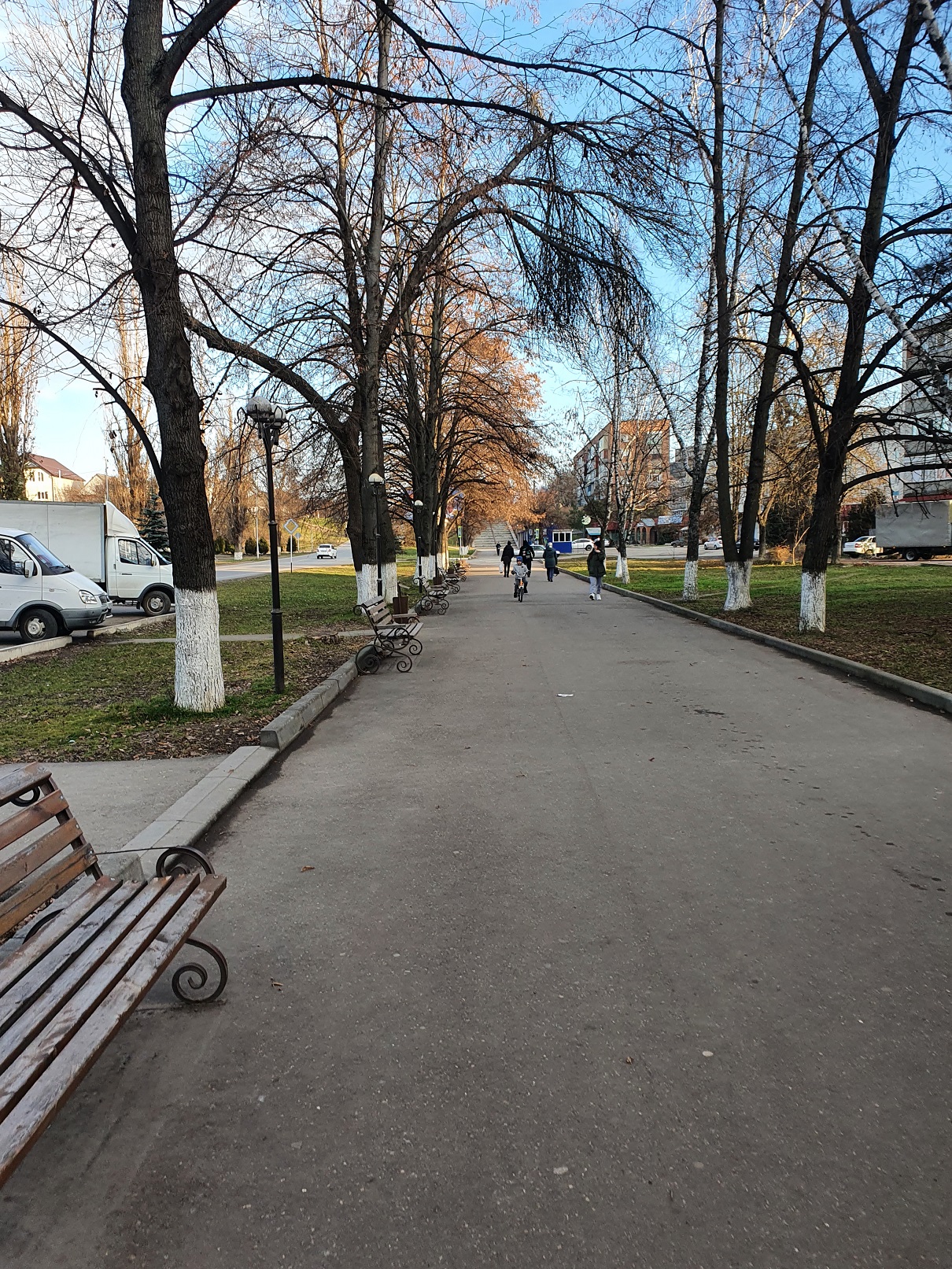
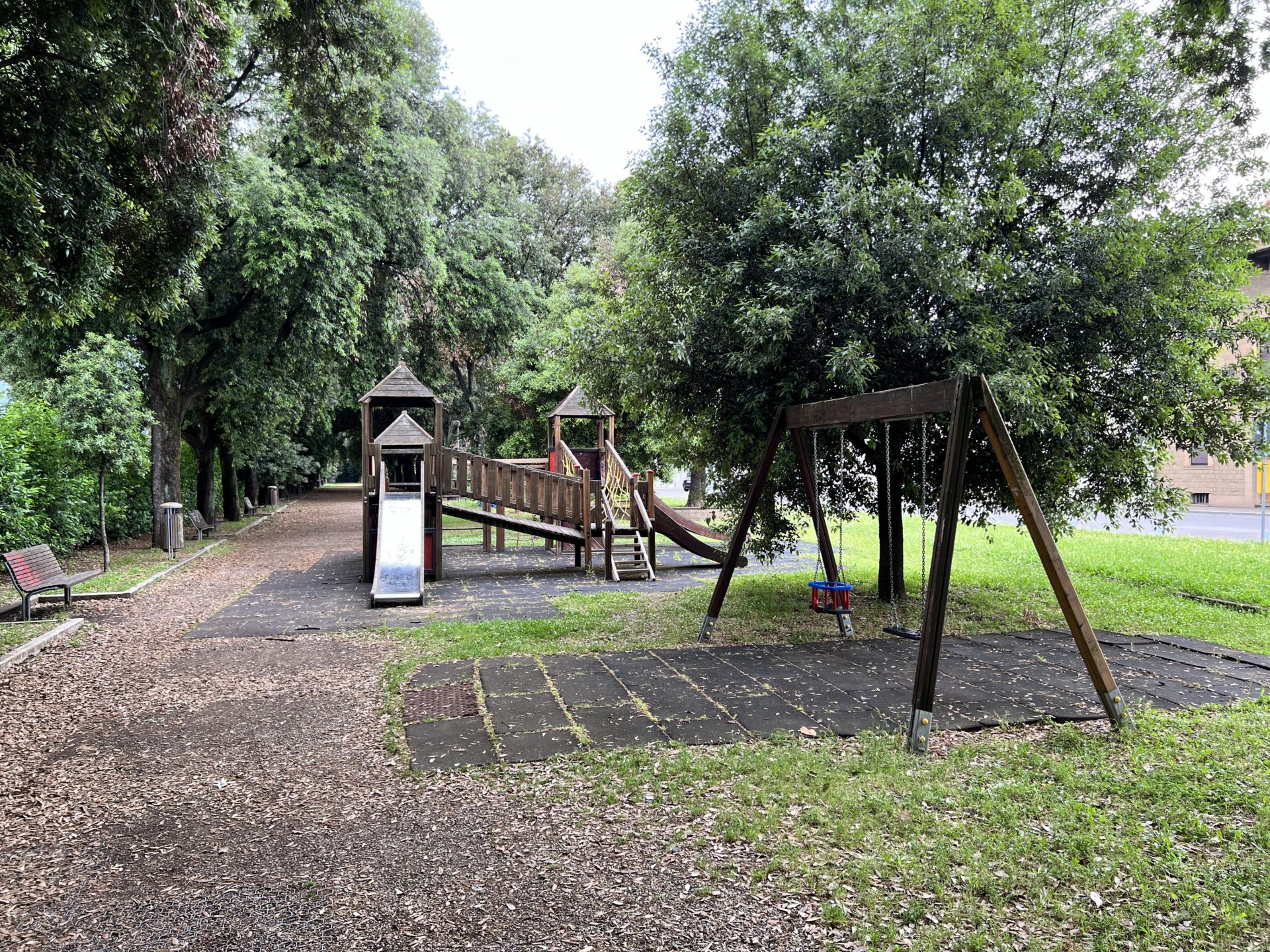
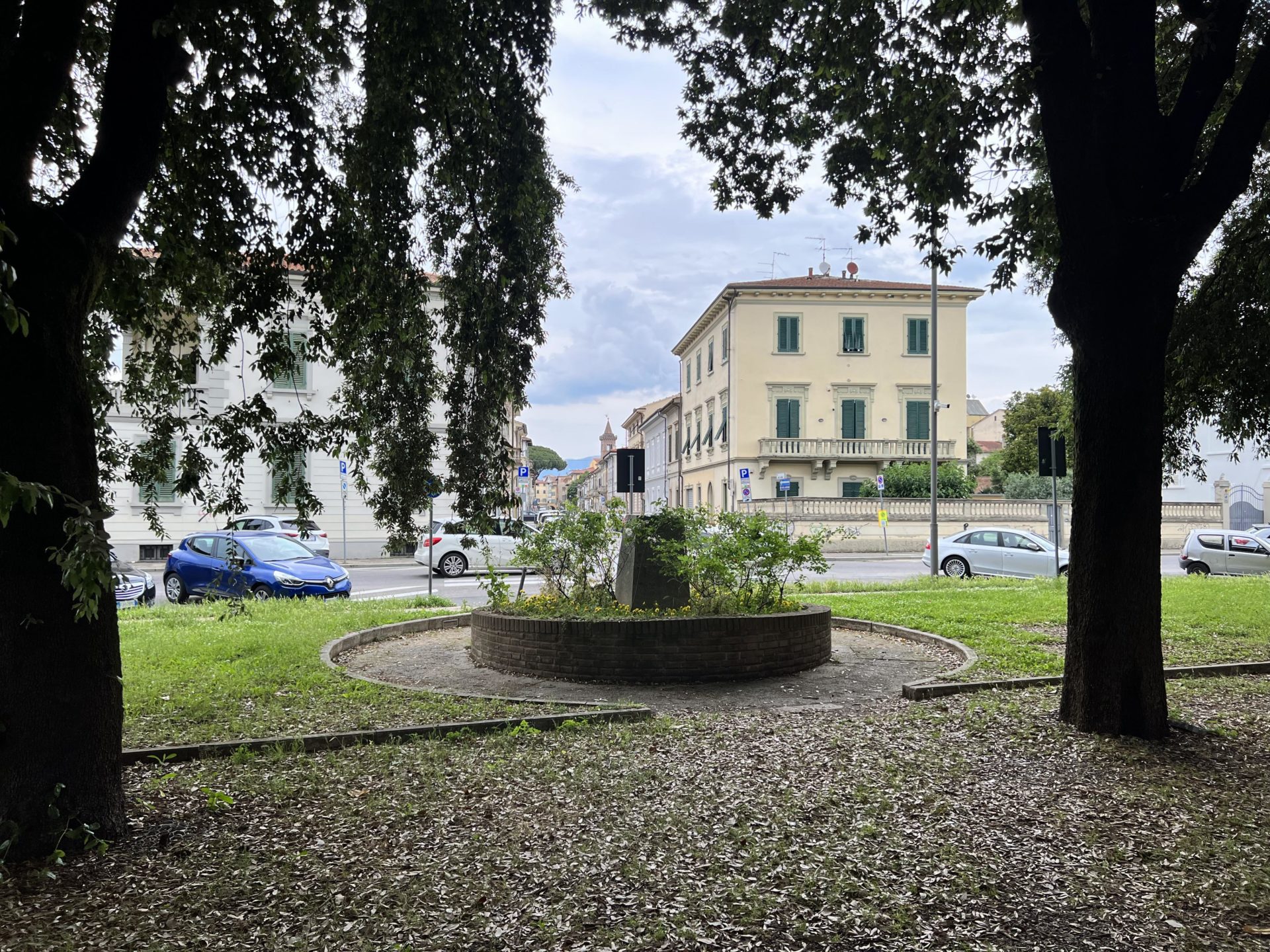
Let us also compare the parks. In principle, the location of each does not require explanation.
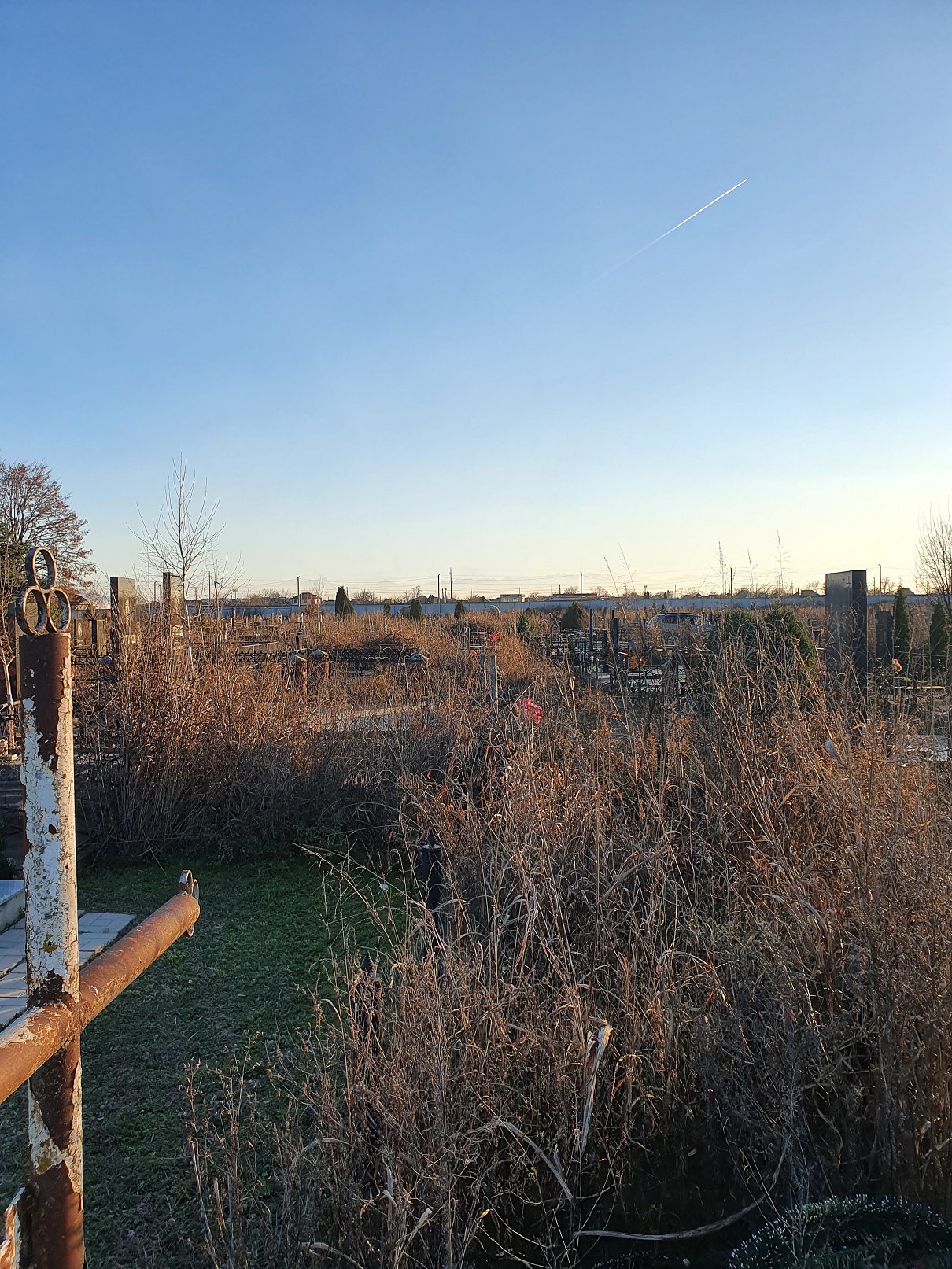
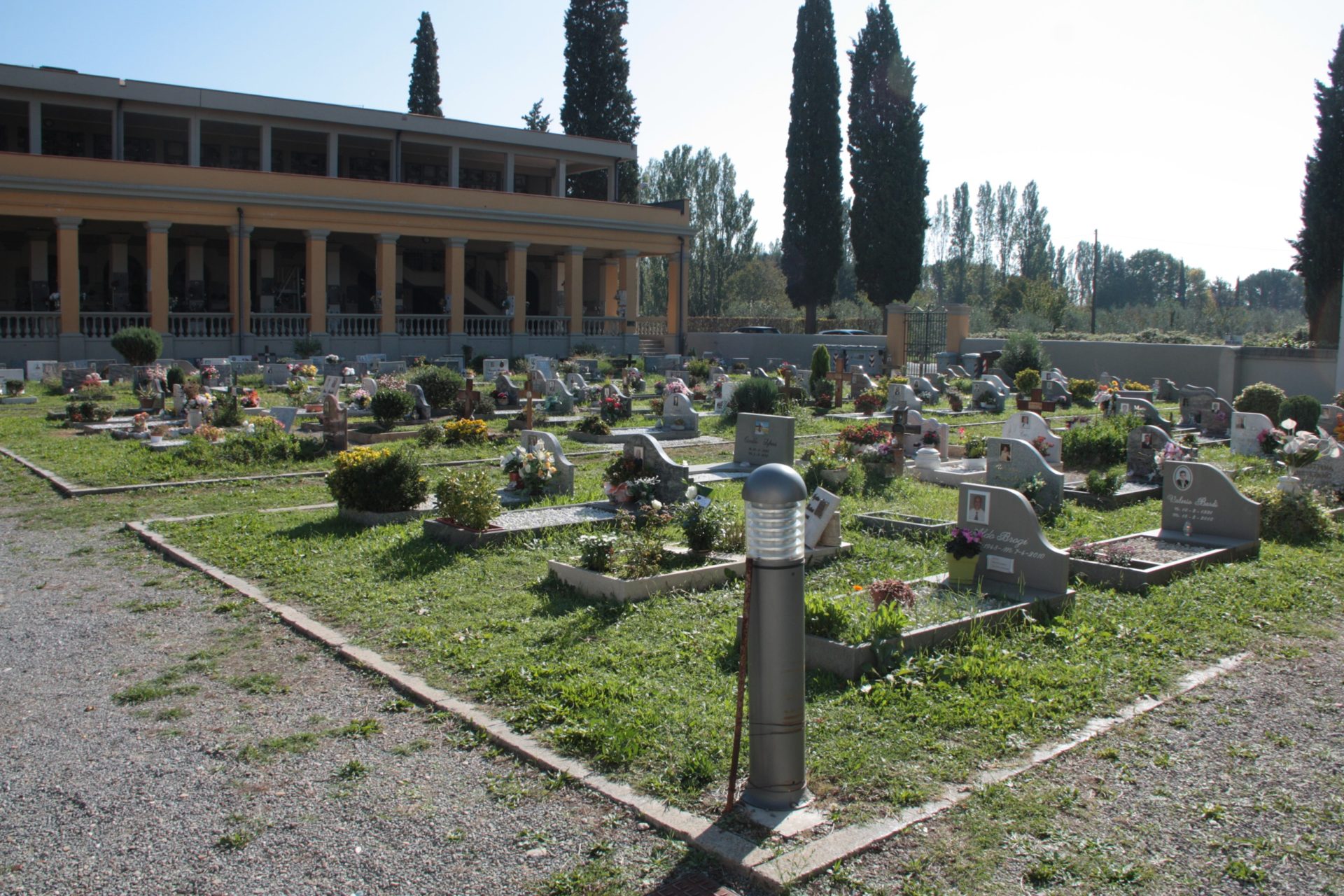
The cemetery is also of varying degrees of neatness.
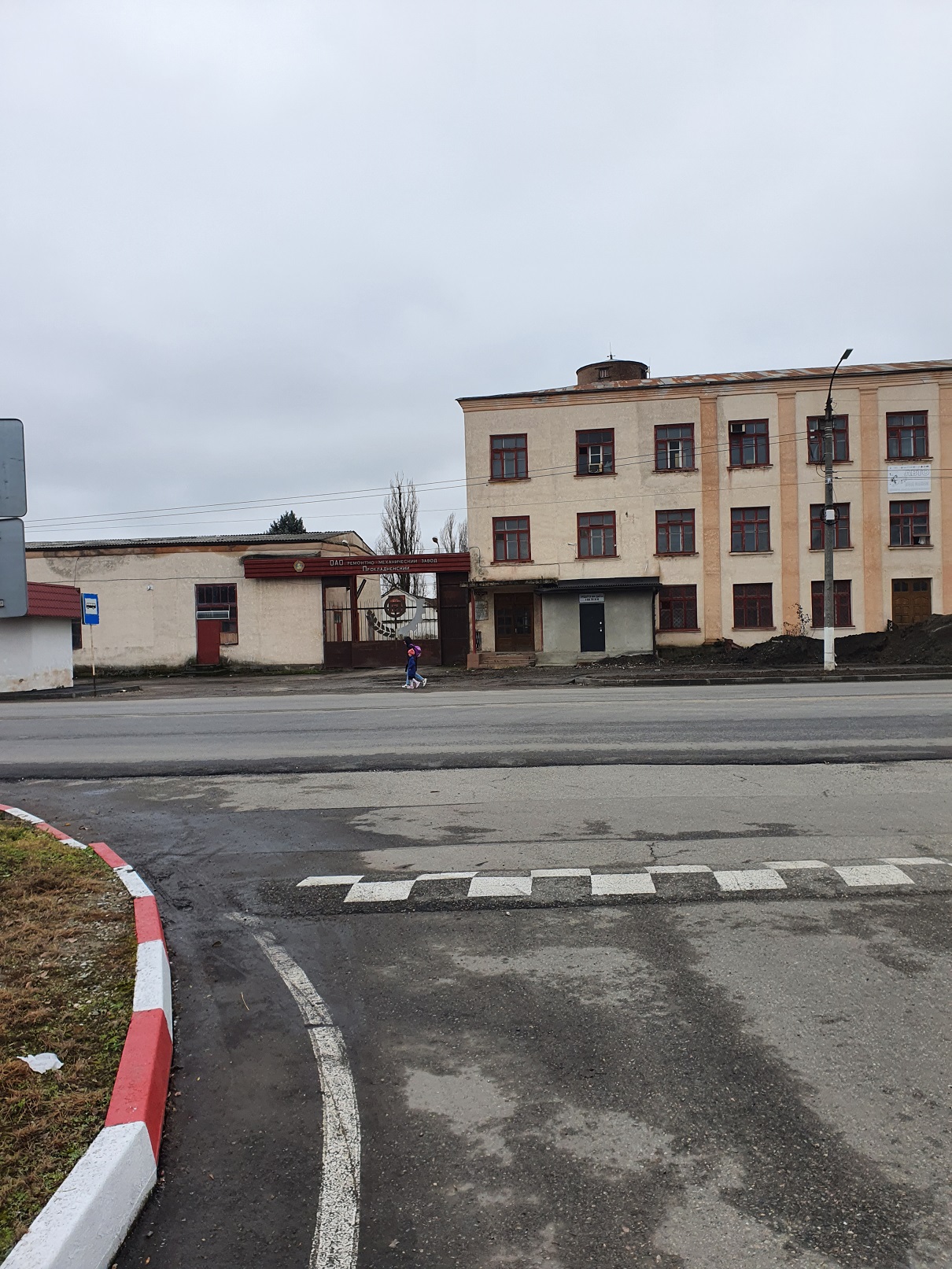
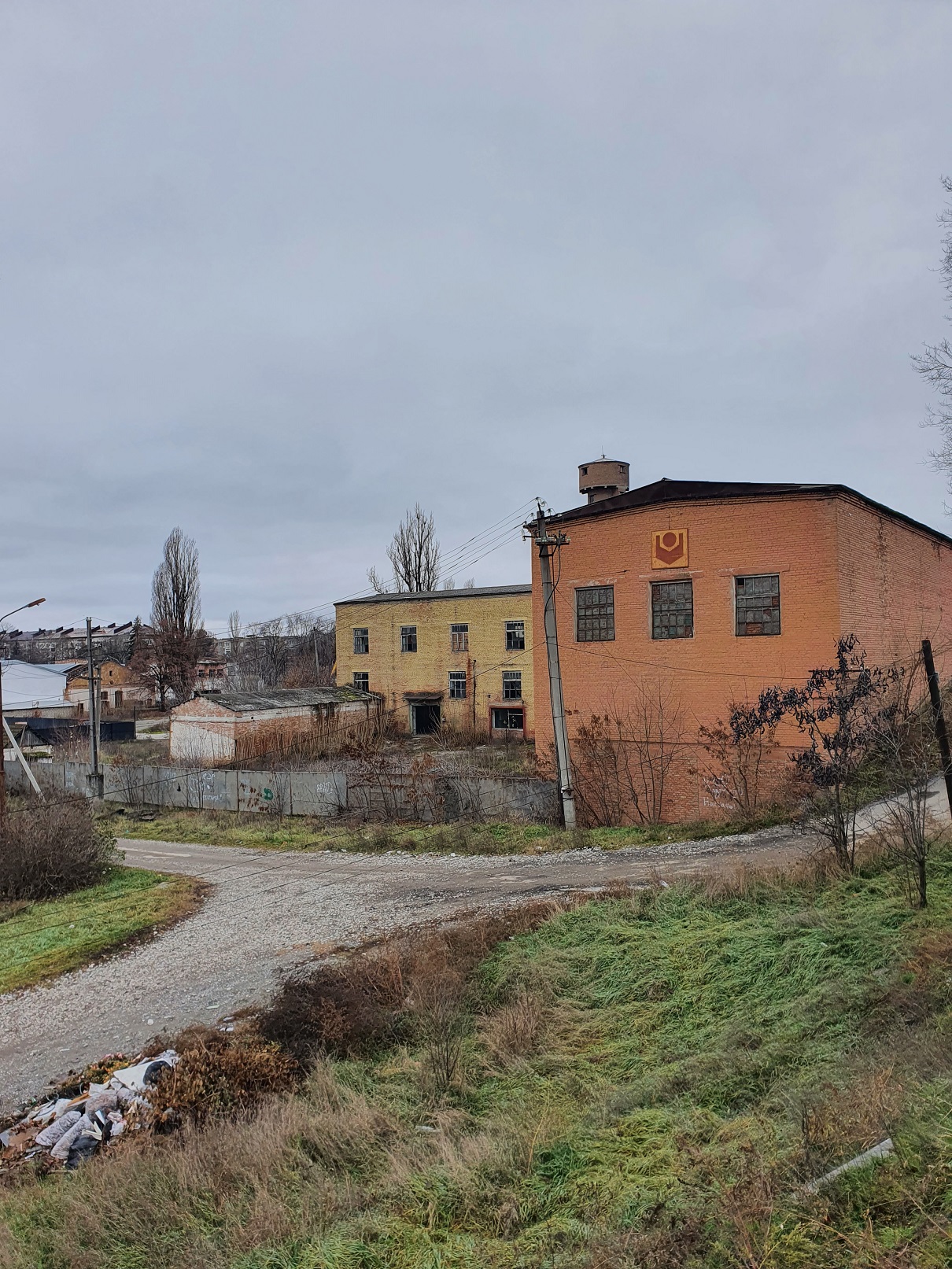
Here are a few more photos from the center of the Russian city:
And from the center of the Italian one:
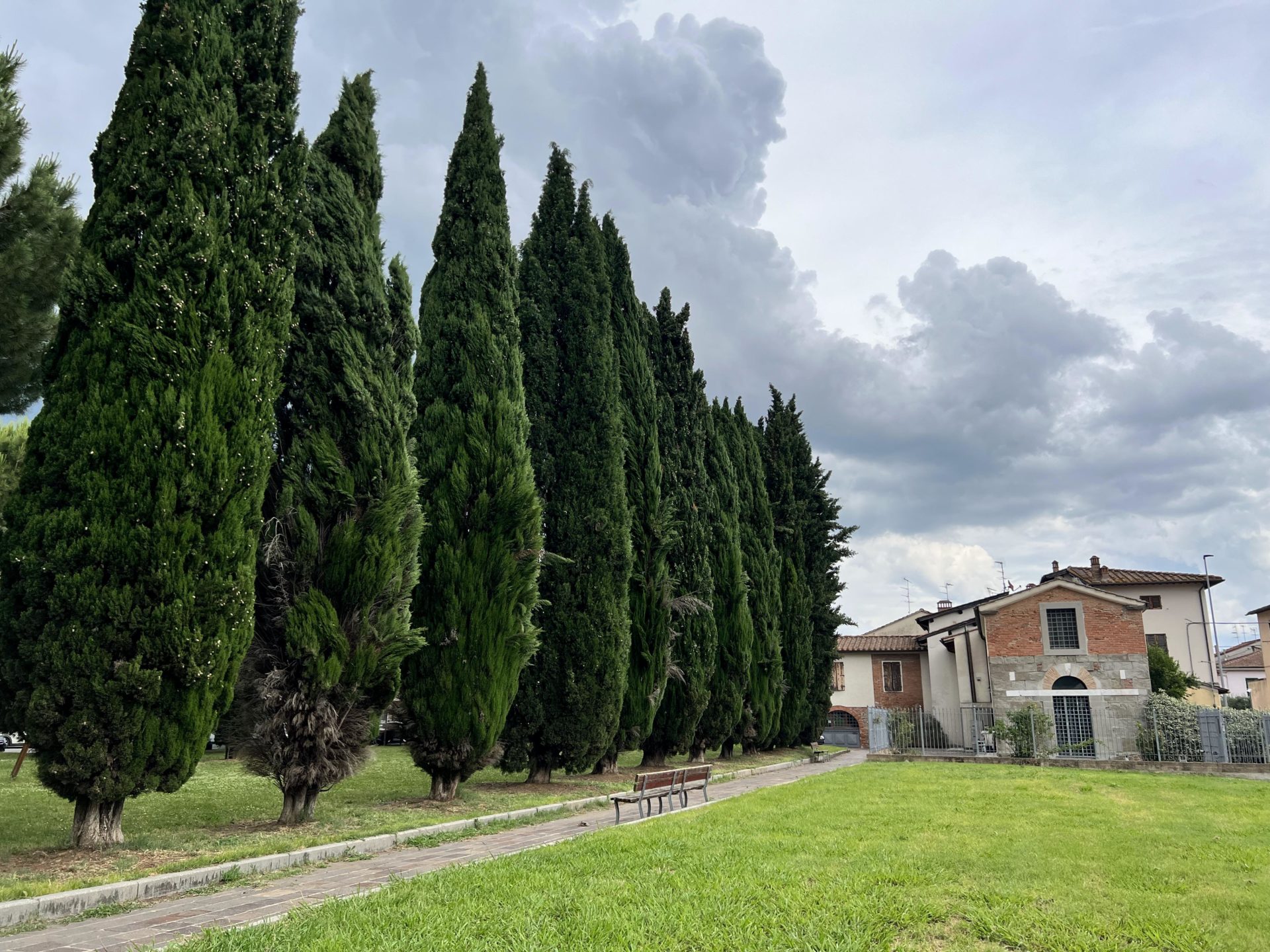
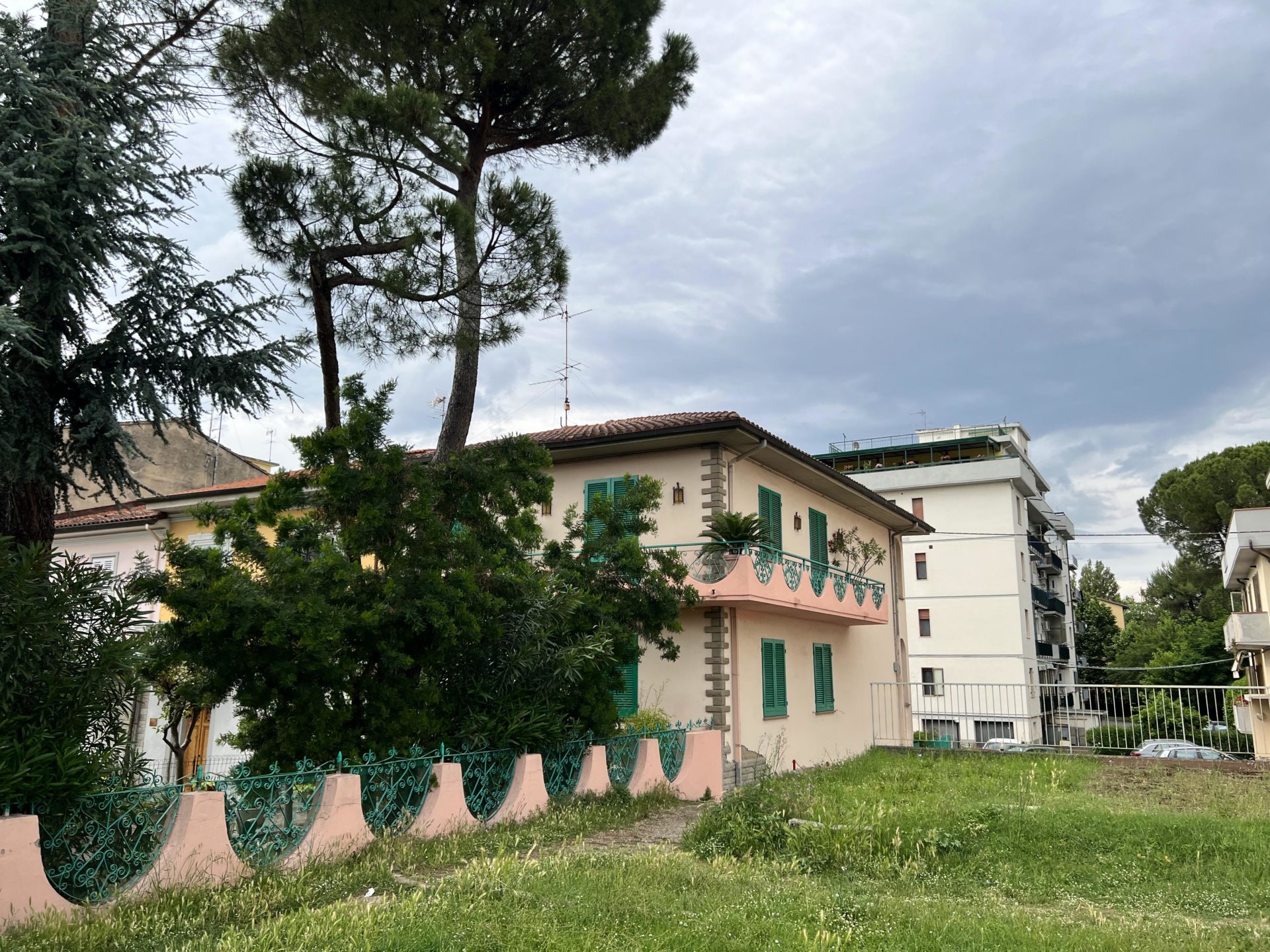
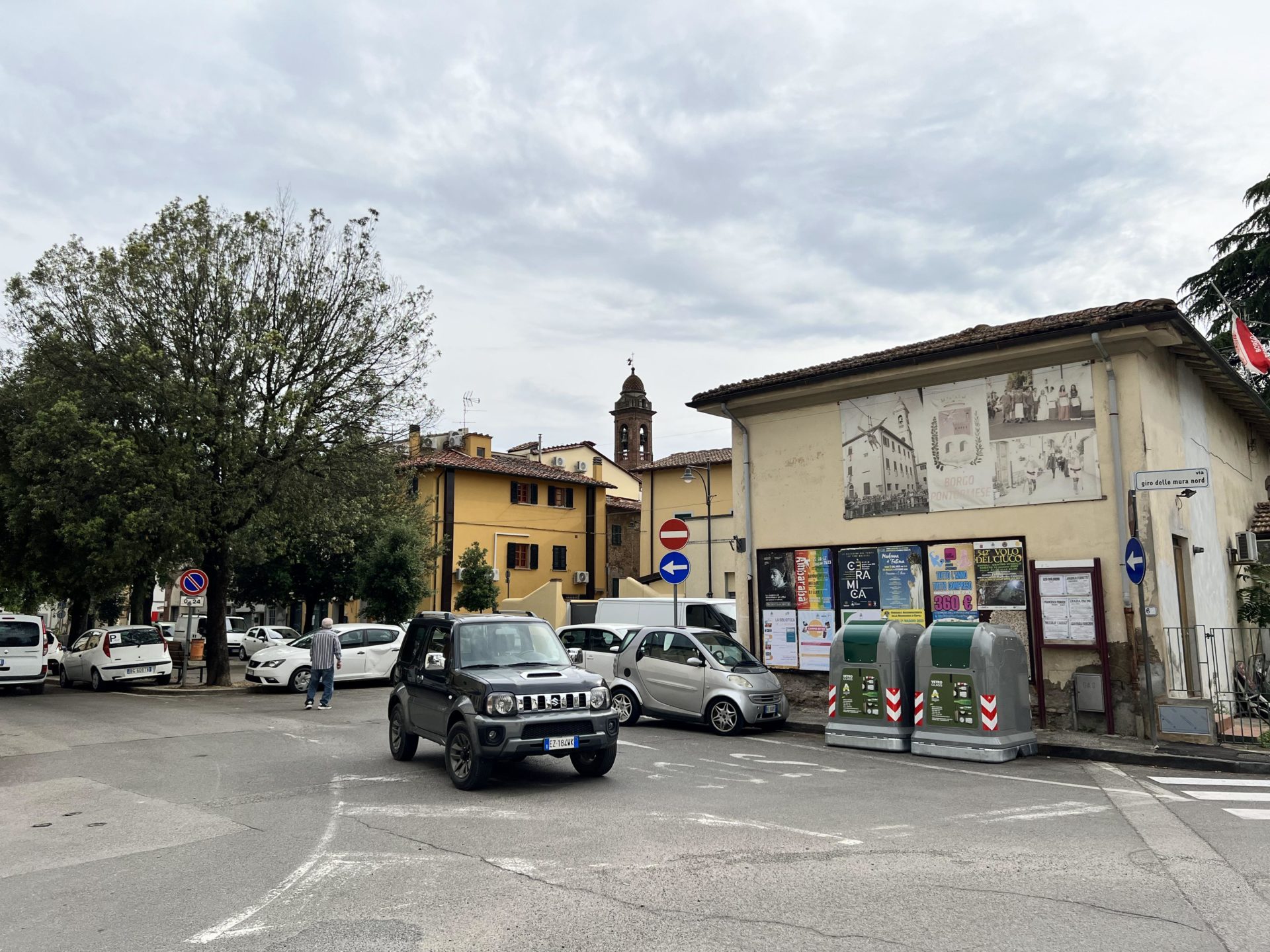
I would also like to note that, in addition to what was discussed above, Empoli has things that are either absent in the Russian city or were not encountered on our way. First of all, this is, of course, an amusement park near the city. Residents of the Italian province know how to have fun, build entertainment for their children, and make money from it.
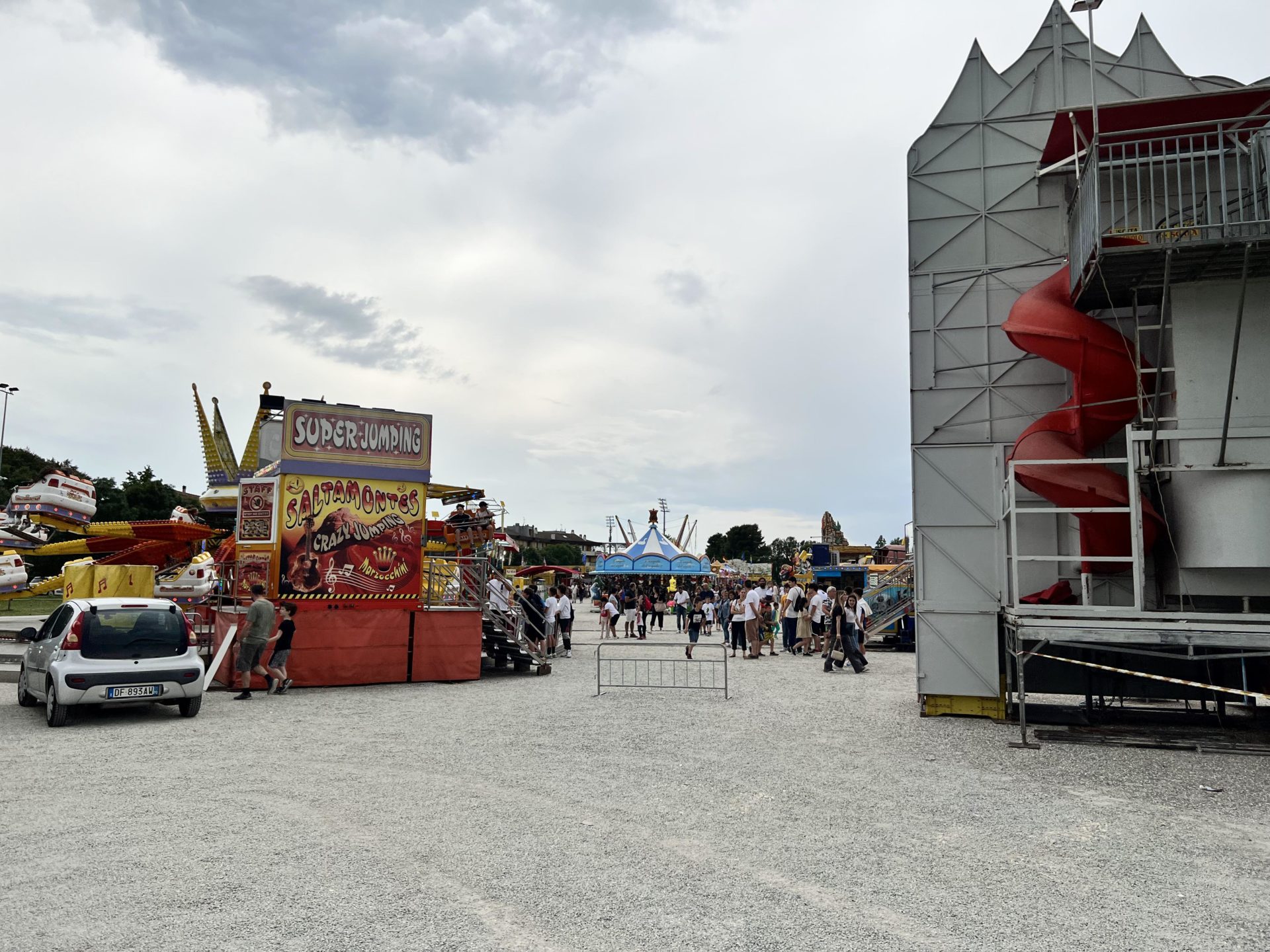
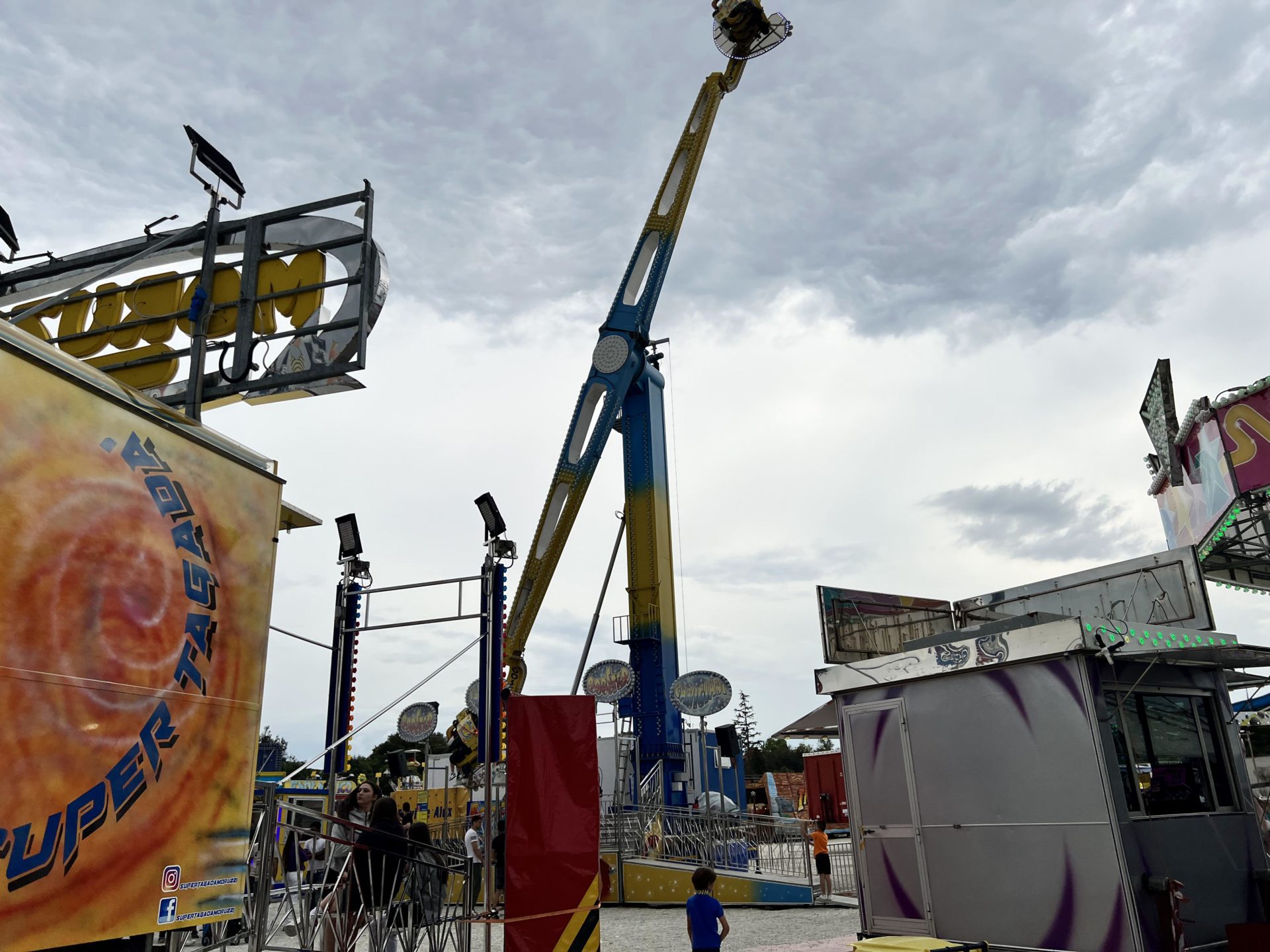
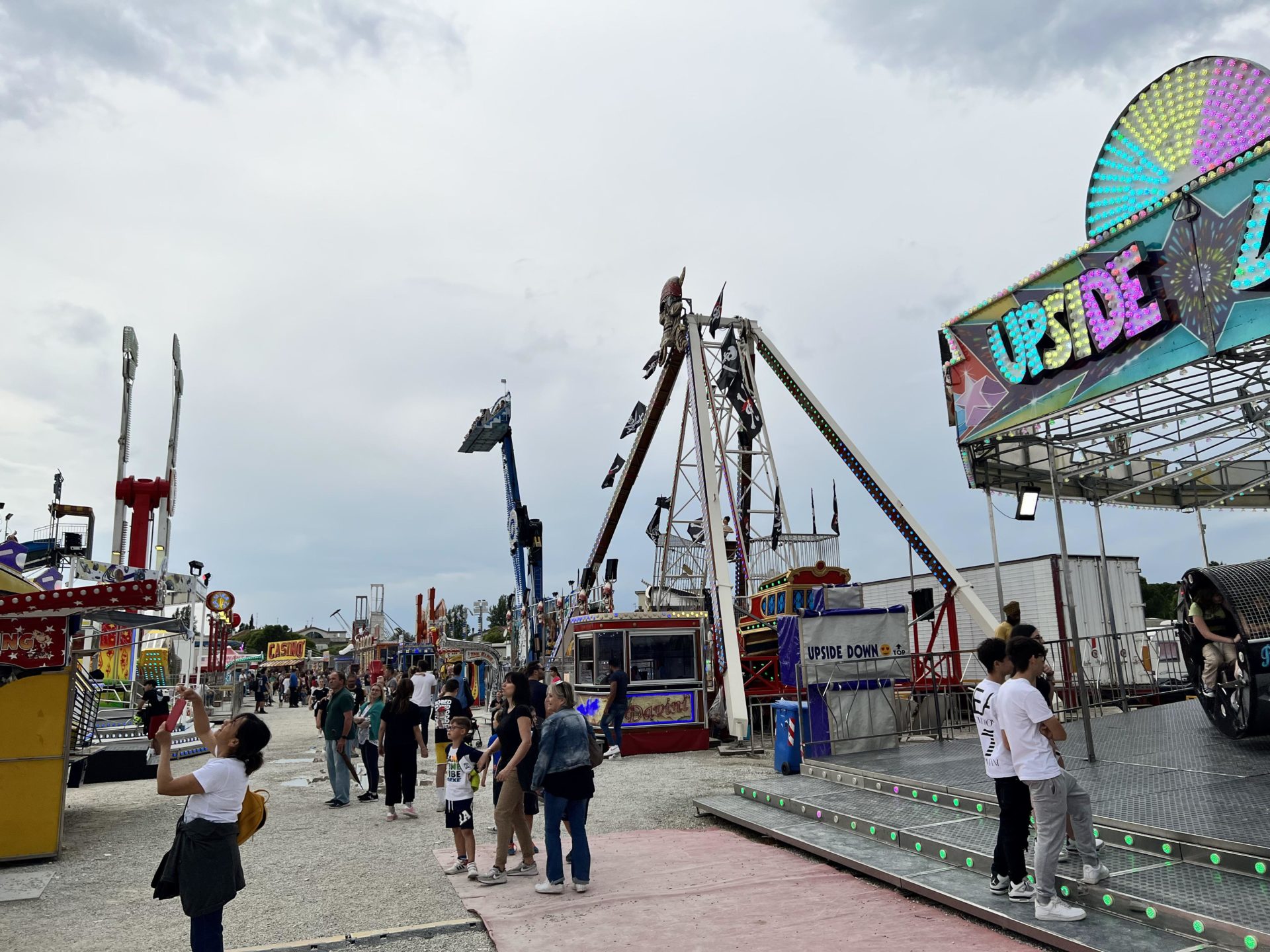
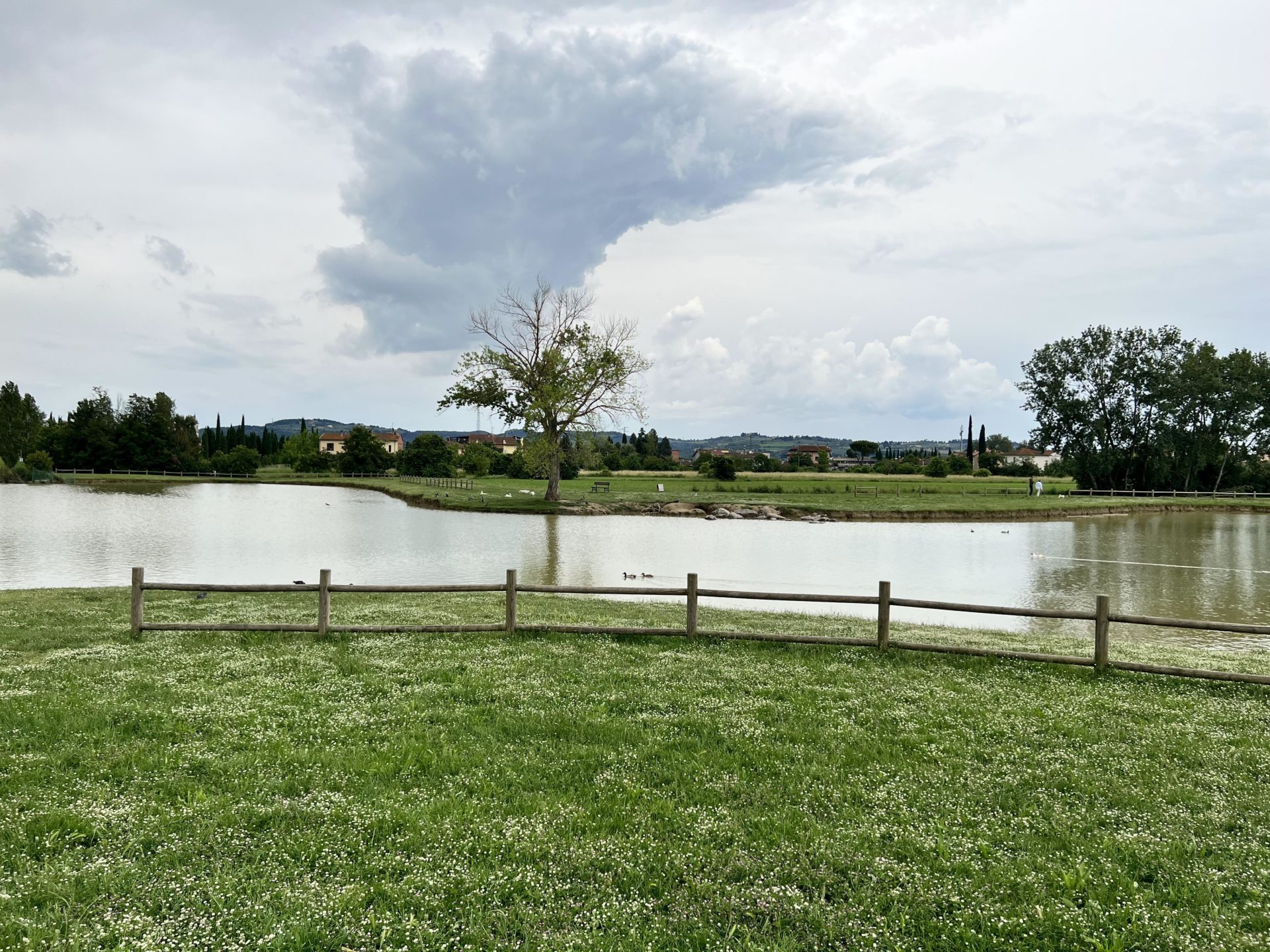
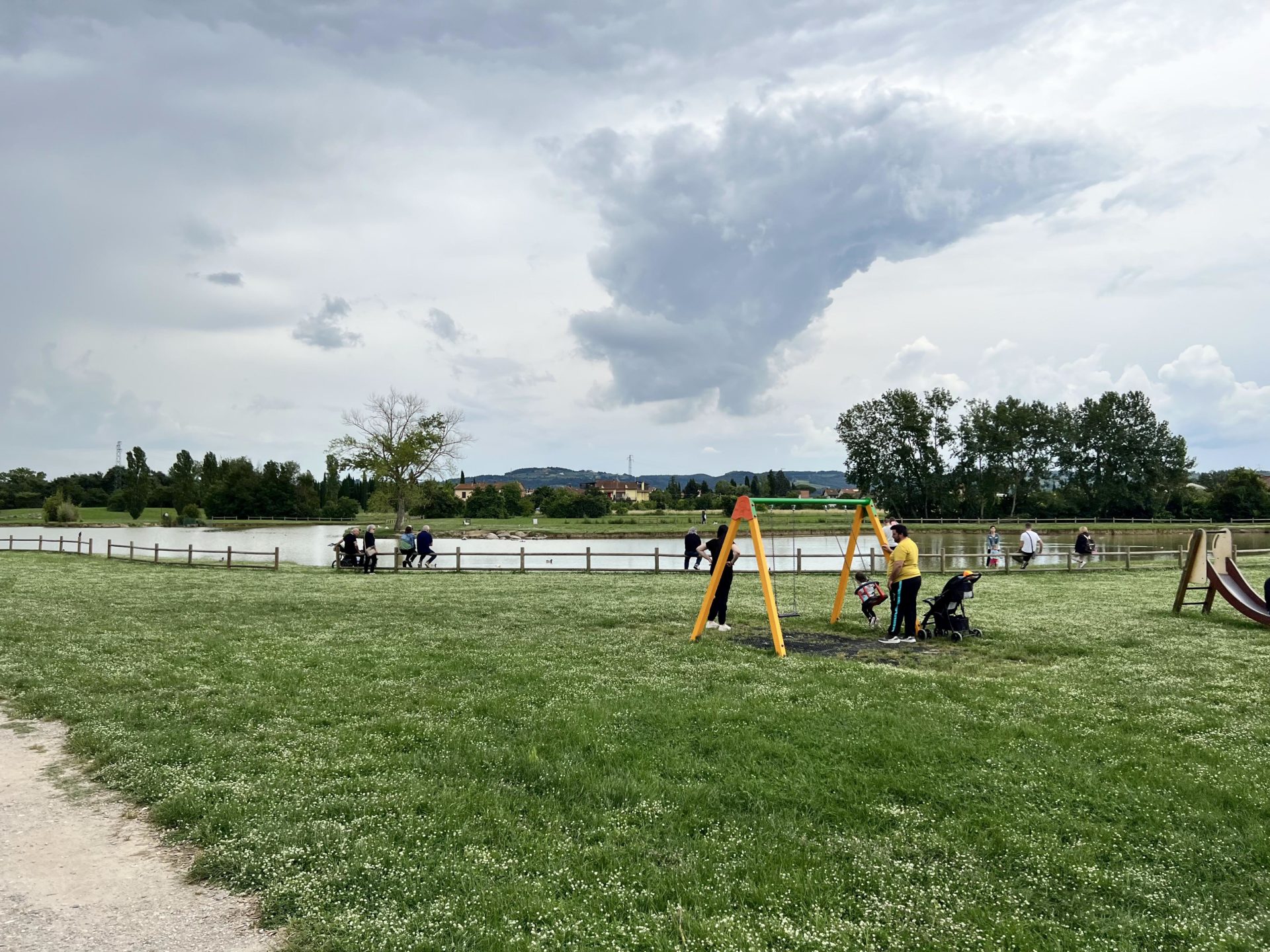
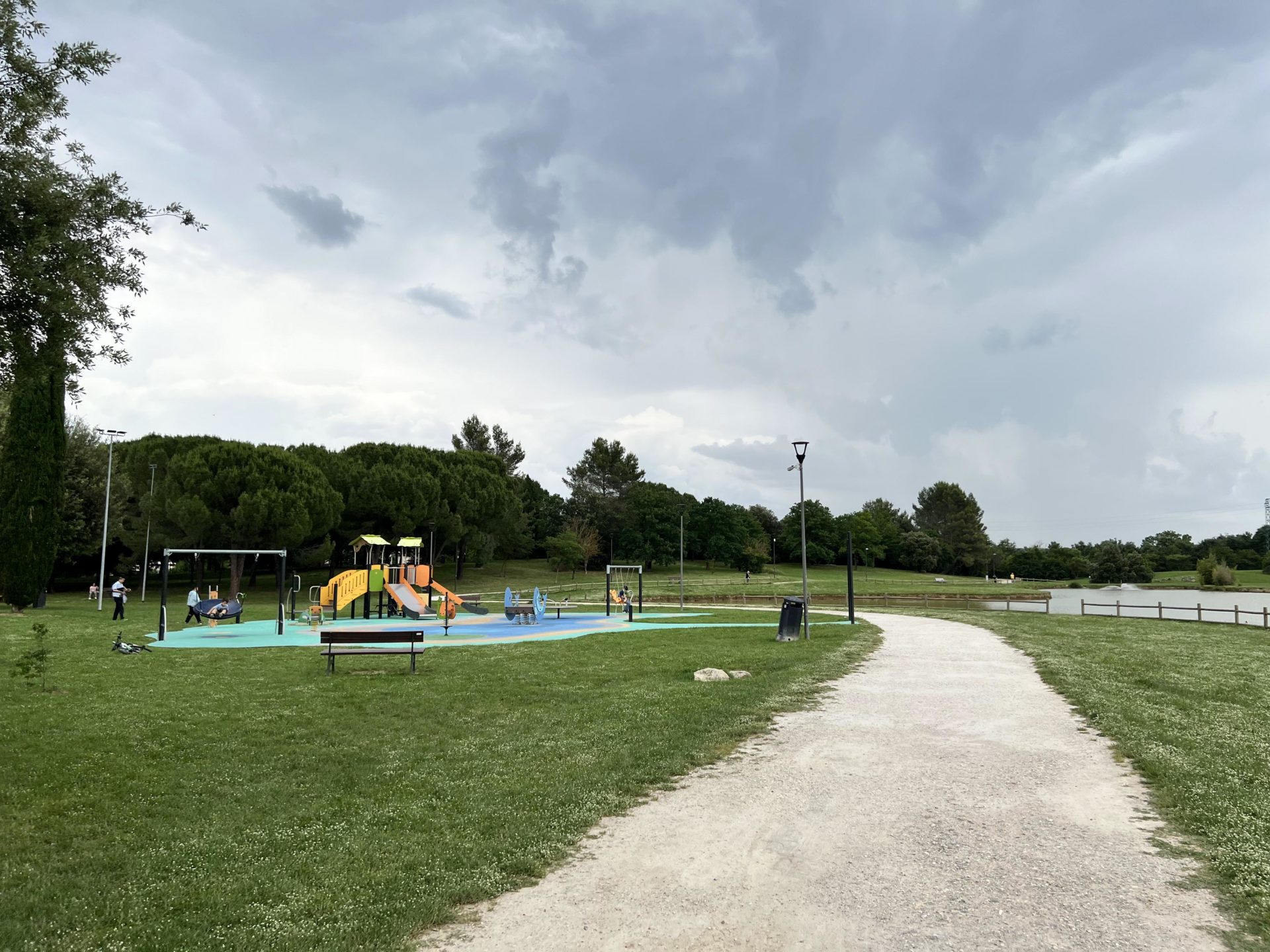
Nearby is a park with a picturesque pond located on the edge of the city, but not beyond its borders. Almost every resident of the city can reach it on foot in a short time.
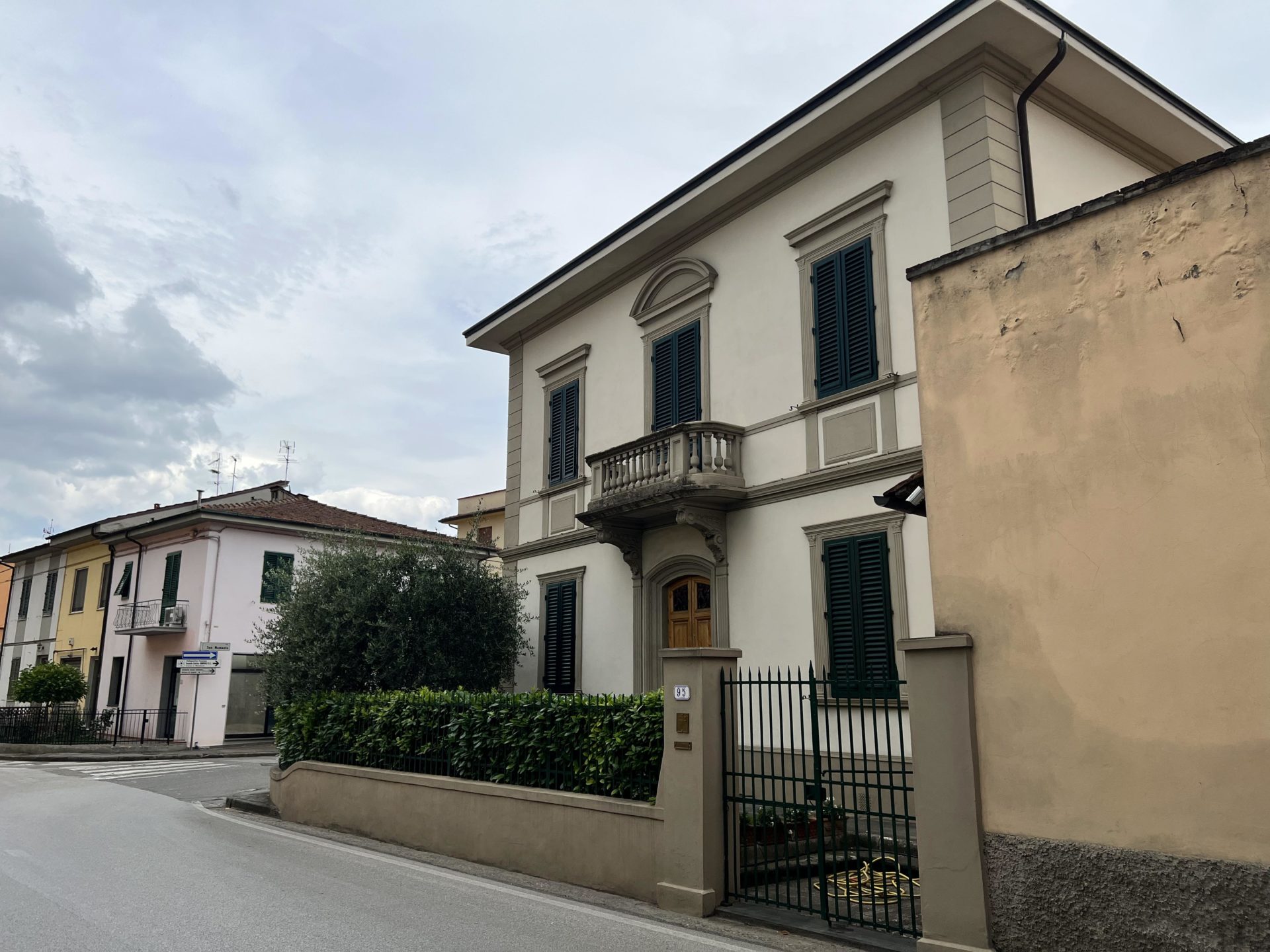
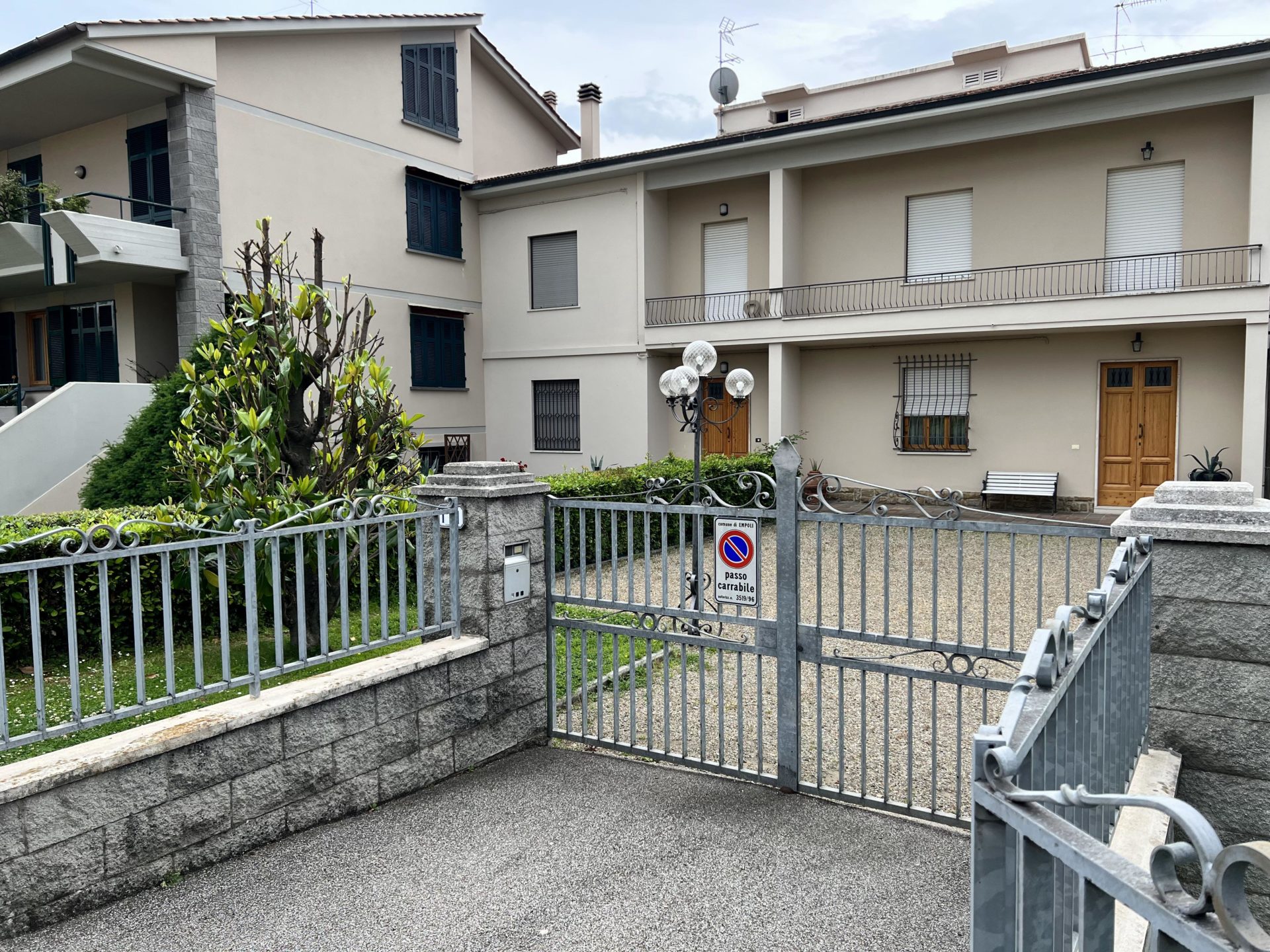
Here are some of the houses where “Empolesi” live.
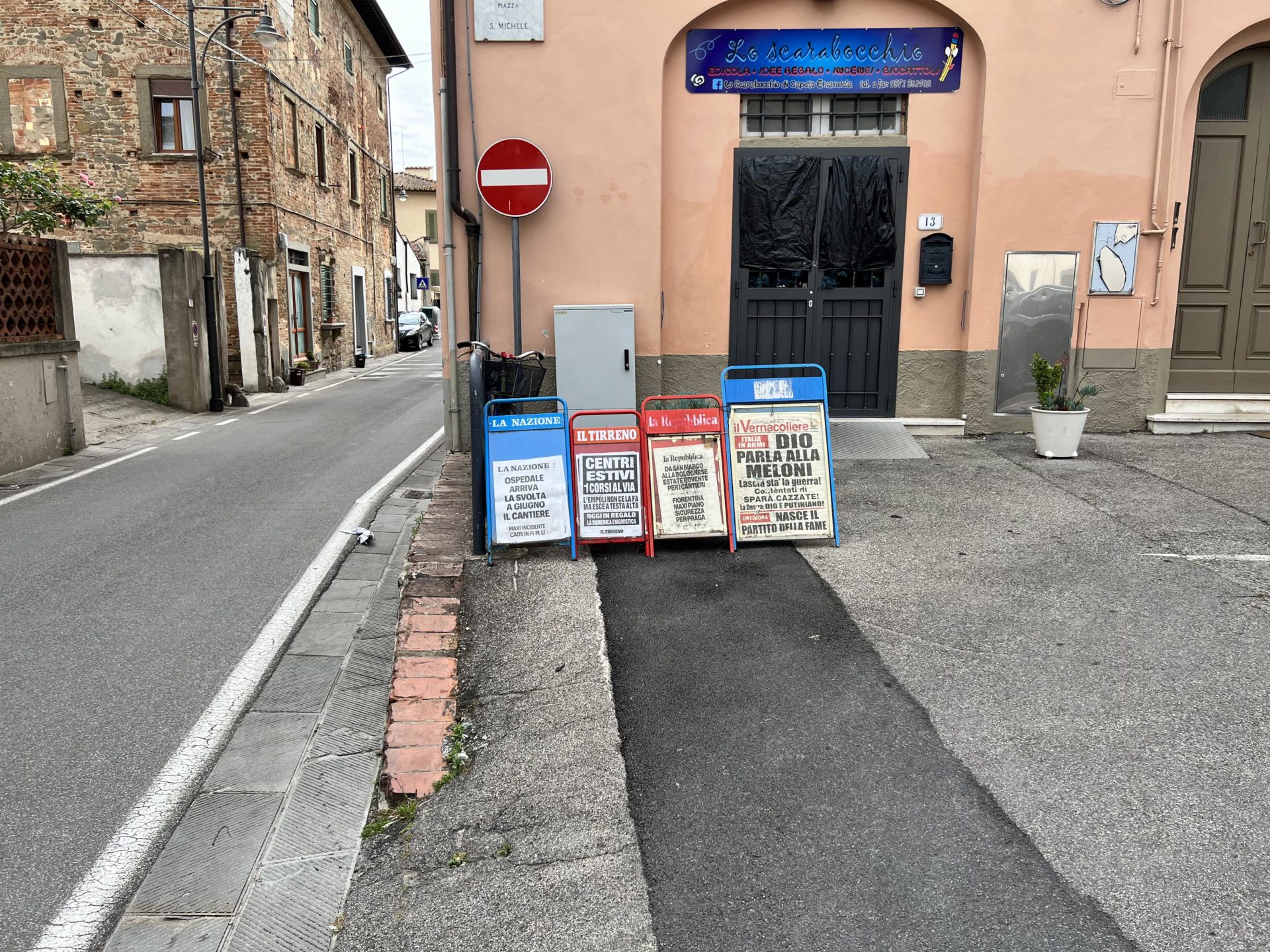
Newspapers are sold in shops, and very often such stands are set up where there are bound to be several newspapers of different ideological orientations. Almost always present are the center-right La Nazione and the center-left La Repubblica, and here the slightly more left-wing, but also generally social-democratic Il Tirreno has been added.
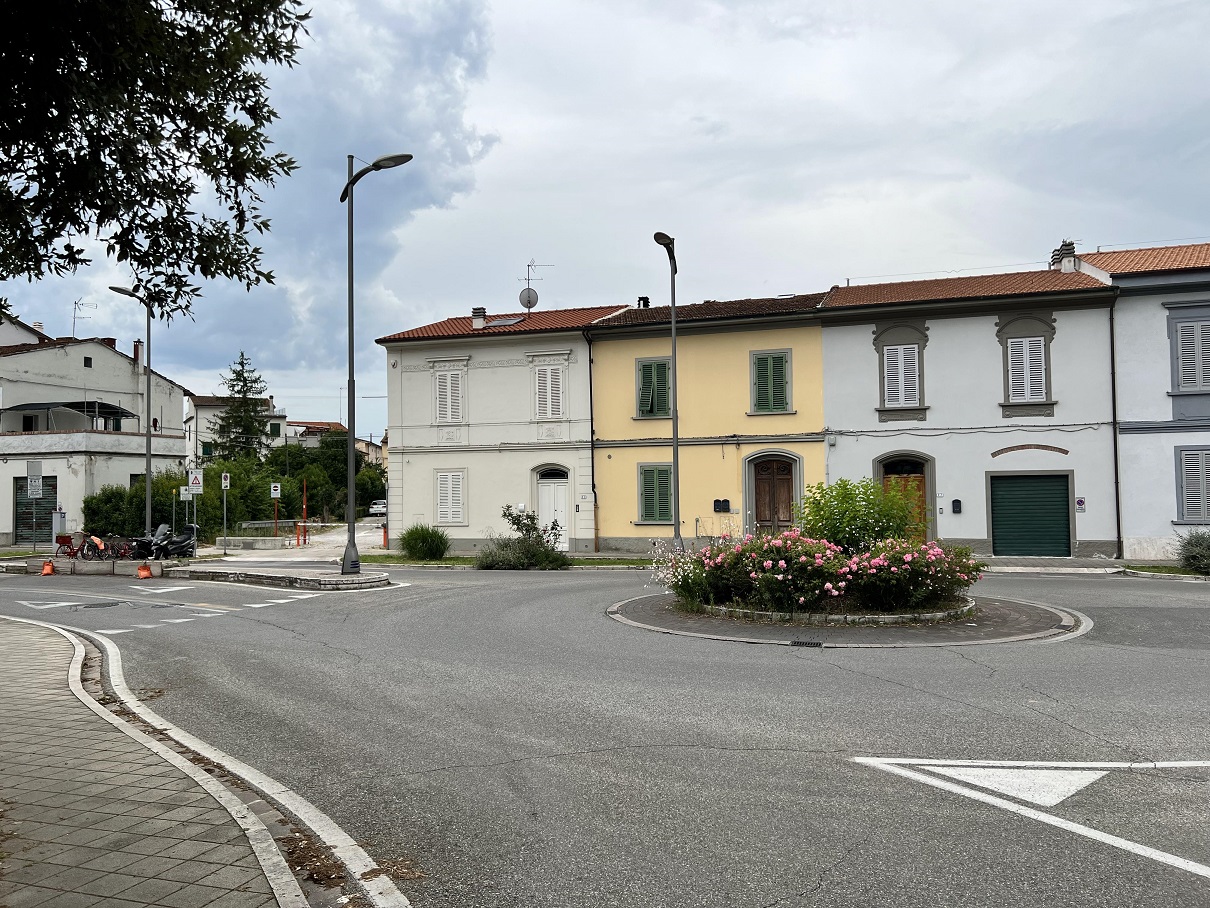
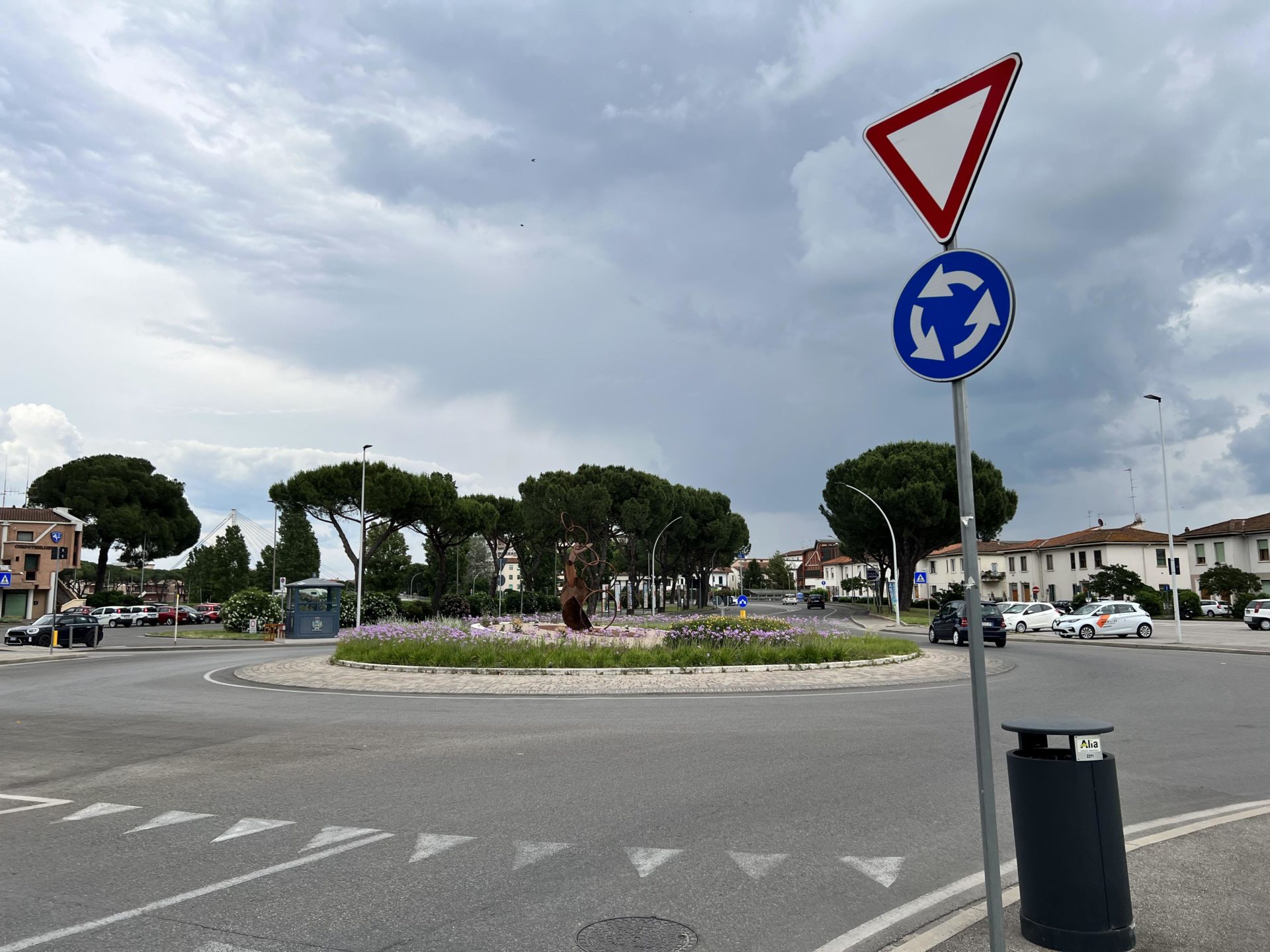
There are quite a few roundabouts in the city, decorated approximately like this:
However, returning to the Russian city, it should be said that, on the other hand, in Italian cities you will not encounter anything like this:

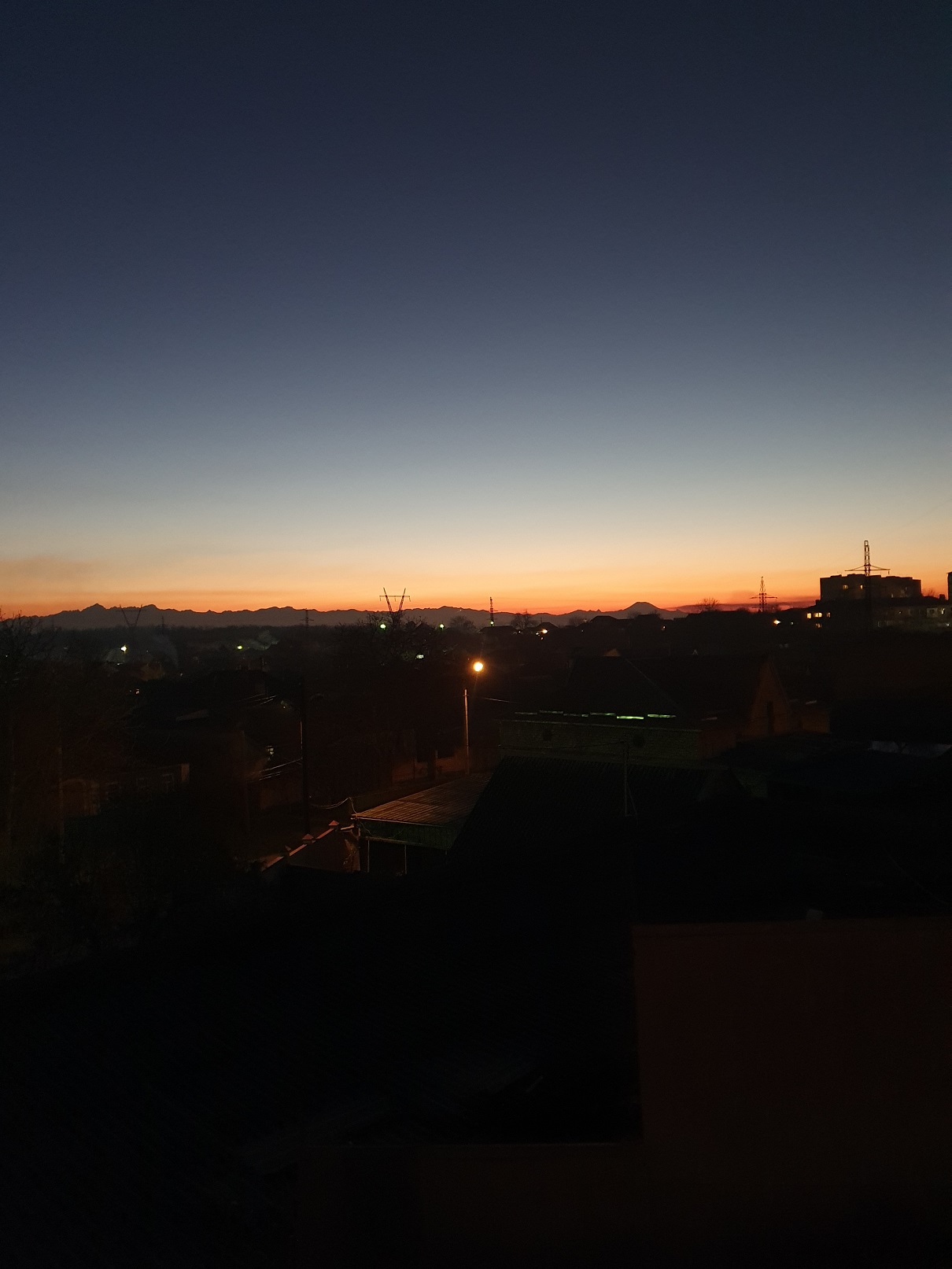
At the same time, it should be noted that nature in Prokhladny is quite picturesque; take, for instance, this sunset with a view of the mountains:
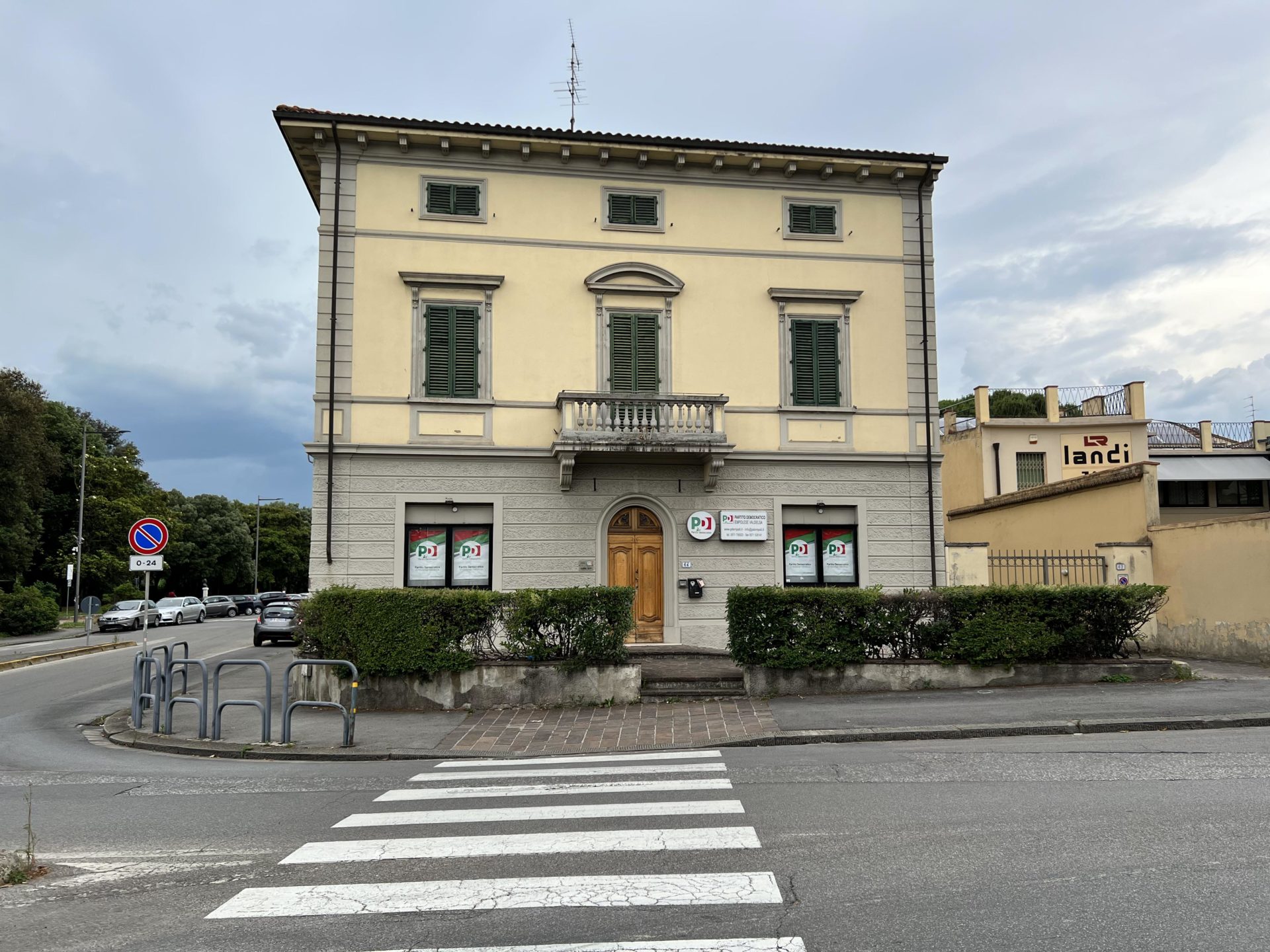
A modern, well-maintained settlement, no worse than the Italian Empoli, could be made out of this city. But for this, it is necessary to change the authorities, and to change the authorities, the active participation of each of you, political work, is required. The urban development of Italy was not achieved by magic; it is the political work of many people, for example, the Democratic Party of Italy, which has its premises in Empoli.
On the whole, we see that the level of modernity of buildings, residents’ homes, infrastructure, and their level of upkeep in the European city is higher. This is not an isolated case — we have already discussed the comparison between Russian Nikel and Norwegian Kirkenes in the article on geographical determinism. You can make such comparisons yourself by traveling to Europe. And if we admit that the level of urban improvement in Europe is better, it means that in order to catch up with them in this regard, we should first of all learn from them and adopt their practices. If, however, we make excuses for our own inaction and try to present things as if the person raising the issue is lying — the problem will never be solved.
- Quality of Life Index by City 2024 // Numbeo (www.numbeo.com). [Online resource]. URL: https://www.numbeo.com/quality-of-life/rankings.jsp (Accessed: 18.02.2024).
- World’s Best Cities // World’s Best Cities (www.worldsbestcities.com). [Online resource]. URL: https://www.worldsbestcities.com/rankings/worlds-best-cities/ (Accessed: 18.02.2024).