
Russian political system
Before proposing our own model of a political system, we must first study the models that exist today. In this article, Evgeny Ivanov will examine and evaluate the modern Russian model, and will also try to understand its main weaknesses — that is, what Russian politicians should work on.
We have already written articles on the state structure of Switzerland, Germany, and the USA, and now it is time to analyze the Russian state structure and understand why its democratic nature is much lower than that of the countries we examined earlier. Today, it is common for some people to believe that Russia has democracy, however, elements of it exist in almost all countries — the only question is what the level of democracy is (and which regimes, accordingly, can be classified as such), the importance of which we discussed in the article on political systems. To assess the democratic level of the Russian system, let us proceed to examine the legislative bodies of the Russian Federation.
Contents
Parliament
The representative and legislative body of the Russian Federation is the Federal Assembly (Article 94)1. It consists of two chambers (Article 95.1).
The first chamber is the Federation Council. De facto, it is the upper chamber, although officially such a concept does not exist in the Russian system. The Federation Council includes (Article 95.2):
- Two representatives from each subject of the Russian Federation: one from the legislative (representative) and one from the executive body of state power (more on this below) — for the term of office of the respective body;
- The President of the Russian Federation who has ceased to perform his duties due to the expiration of his term in office or prematurely in the case of his resignation — for life (he also has the right to refuse these powers). As of today, this category includes Dmitry Anatolyevich Medvedev, who was the President of the Russian Federation from 2008 to 2012; he is currently the Deputy Chairman of the Security Council of the Russian Federation2;
- No more than 30 representatives of the Russian Federation appointed by the President of the Russian Federation, of whom no more than seven may be appointed for life (citizens having outstanding merits to the country in the sphere of state and public activity may be appointed for life (Article 95.5)).
In total, as of May 2, 2021, the Federation Council may contain a maximum of 200 people (201 if counting Medvedev), but in fact, there are currently 170 — two from each region. According to the regulations of the Federation Council, it is formed and structured on a non-partisan basis. Senators (i.e., members of the Federation Council) do not create factions or party associations (Article 3.3)3.
How is the composition of the Federation Council formed, excluding the President’s appointments? A representative chosen by regional deputies goes there from each regional legislative body4. Also, during the election of a regional head, each candidate declares a list of three people who will be representatives of the executive branch in the Federation Council, the first of whom, in the event of the candidate’s election, will be empowered as a member of the Federation Council (the second on the list has a chance to become a senator only in case of early termination of the powers of the first, and the third — correspondingly after the second)5. At the same time, the decision to empower a senator is made by the President6, meaning he can also refuse. Thus, the composition of the Federation Council becomes extremely dependent on the will of the President.
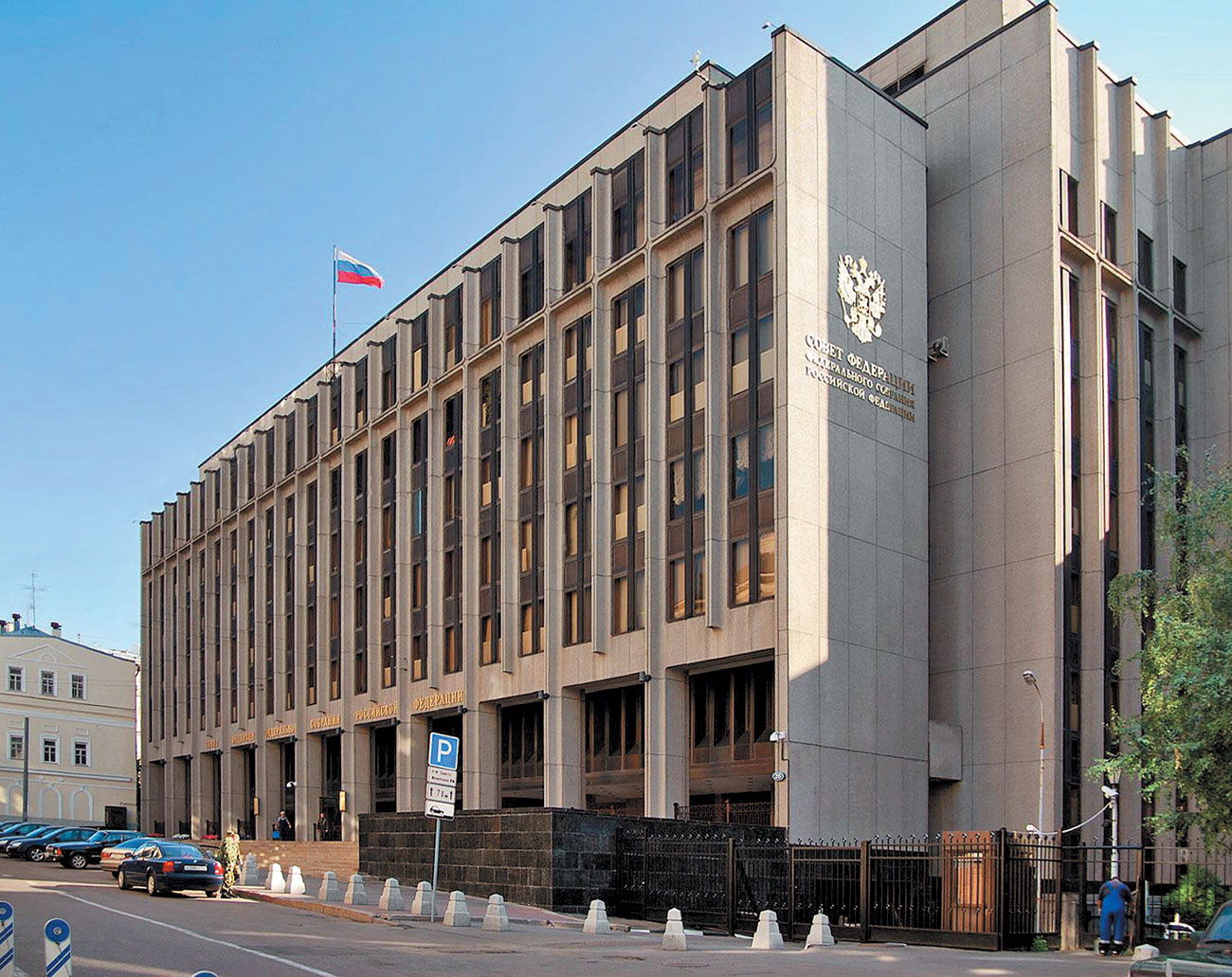
Powers of the Federation Council (Article 102.1):
- Approval of changes to the boundaries between subjects of the Russian Federation;
- Approval of the decree of the President of the Russian Federation on the introduction of martial law;
- Approval of the decree of the President of the Russian Federation on the introduction of a state of emergency;
- Resolution of the issue on the possibility of using the Armed Forces of the Russian Federation outside the territory of the Russian Federation;
- Scheduling of elections for the President of the Russian Federation;
- Removal of the President of the Russian Federation from office, stripping the immunity of a President of the Russian Federation who has ceased to perform his duties;
- Appointment to office, upon the recommendation of the President of the Russian Federation, of the Chairman of the Constitutional Court of the Russian Federation, the Deputy Chairman of the Constitutional Court of the Russian Federation and judges of the Constitutional Court of the Russian Federation, the Chairman of the Supreme Court of the Russian Federation, deputy Chairmen of the Supreme Court of the Russian Federation and judges of the Supreme Court of the Russian Federation;
- Conducting consultations on the candidates proposed by the President of the Russian Federation for the positions of the Prosecutor General of the Russian Federation, deputy Prosecutors General of the Russian Federation, prosecutors of subjects of the Russian Federation, prosecutors of military and other specialized prosecutor’s offices equivalent to prosecutors of subjects of the Russian Federation;
- Appointment to and removal from the office of the Chairman of the Accounts Chamber and half of the total number of auditors of the Accounts Chamber upon the recommendation of the President of the Russian Federation;
- Conducting consultations on the candidates proposed by the President of the Russian Federation for the positions of heads of federal executive bodies (including federal ministers) in charge of defense, state security, internal affairs, justice, foreign affairs, emergency prevention and liquidation of the consequences of natural disasters, and public security;
- Termination, upon the recommendation of the President of the Russian Federation and in accordance with the federal constitutional law, of the powers of the Chairman of the Constitutional Court of the Russian Federation, the Deputy Chairman of the Constitutional Court of the Russian Federation and judges of the Constitutional Court of the Russian Federation, the Chairman of the Supreme Court of the Russian Federation, deputy Chairmen of the Supreme Court of the Russian Federation and judges of the Supreme Court of the Russian Federation, chairmen, deputy chairmen and judges of cassation and appeal courts in the event of their committing an act discrediting the honor and dignity of a judge, as well as in other cases provided for by federal constitutional law, indicating the impossibility of a judge exercising their powers;
- Hearing annual reports of the Prosecutor General of the Russian Federation on the state of legality and law and order in the Russian Federation.
According to Article 95.4, a Senator of the Russian Federation may be:
- A citizen of the Russian Federation;
- A person who has reached the age of 30;
- A person permanently residing in the Russian Federation;
- A person not holding citizenship of a foreign state, or a residence permit, or any other document confirming the right of a citizen of the Russian Federation to permanently reside in the territory of a foreign state.
Senators of the Russian Federation are prohibited, in the manner established by federal law, from opening and maintaining accounts (deposits), keeping cash and valuables in foreign banks located outside the territory of the Russian Federation. Representatives of the Russian Federation in the Federation Council, with the exception of representatives of the Russian Federation exercising the powers of Senators of the Russian Federation for life, are appointed for a term of six years (Article 95.6).
The second chamber is the State Duma. This is, conventionally speaking, the lower house of parliament. It consists of 450 deputies (Article 95.7). It is elected under a mixed system7:
- 225 deputies are elected in single-mandate constituencies (one district — one deputy). That is, Russia is divided into 225 districts, from each of which one deputy is elected;
- 225 deputies are elected in the federal electoral district (this is the name for the entire territory of the country) in proportion to the number of votes cast for federal lists of candidates for deputies of the State Duma (hereinafter — federal lists of candidates).
At the same time, in order to get into the State Duma via lists, a party must overcome a five-percent threshold (the problems of this system can be found in the article on electoral systems).
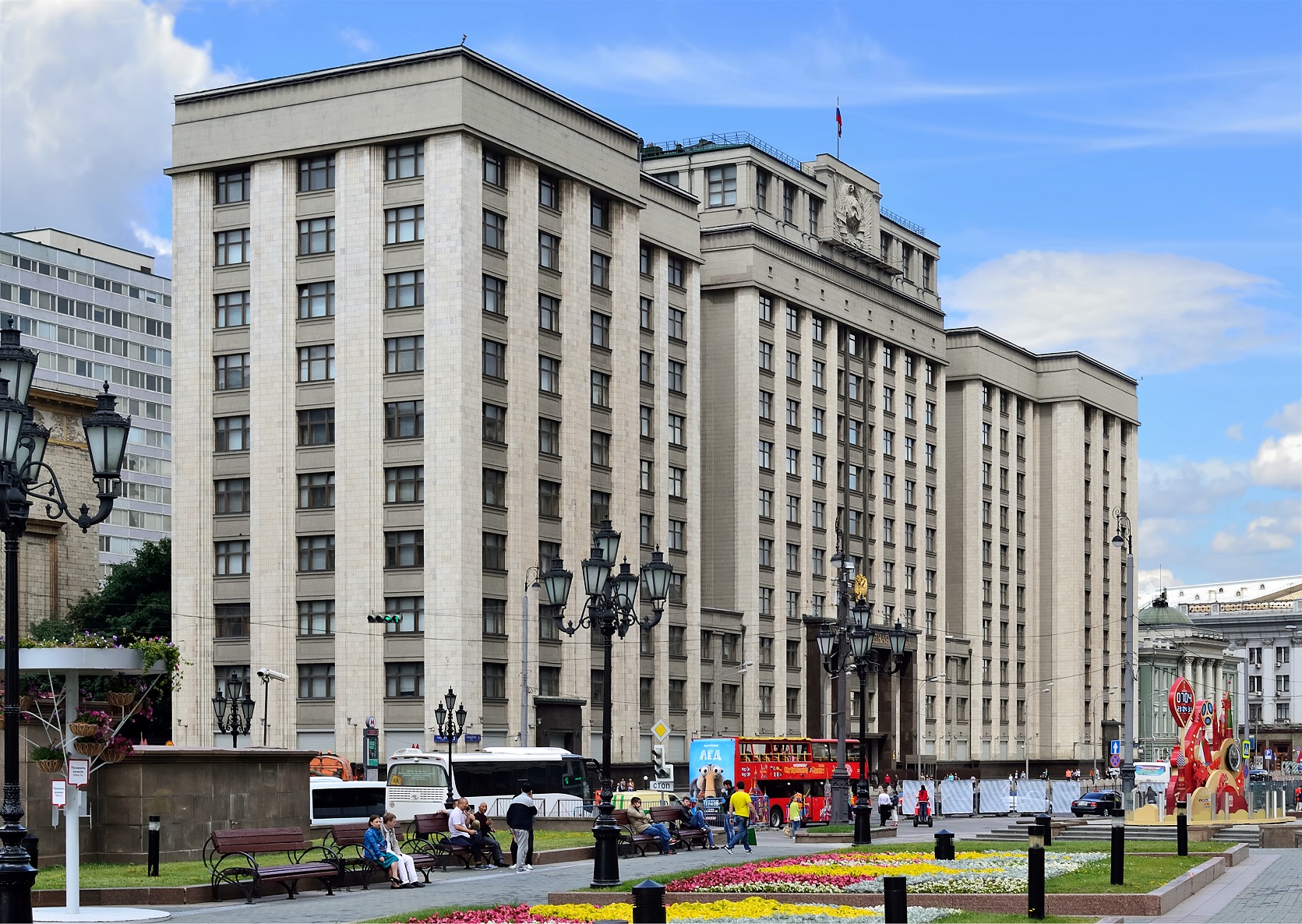
Powers of the State Duma (Article 103):
- Approval, upon the recommendation of the President of the Russian Federation, of the candidate for Chairman of the Government of the Russian Federation;
- Approval, upon the recommendation of the Chairman of the Government of the Russian Federation, of the candidates for deputy Chairmen of the Government of the Russian Federation and federal ministers, with the exception of federal ministers specified in paragraph “d.1” of Article 83 of the Constitution of the Russian Federation;
- Resolution of the issue of confidence in the Government of the Russian Federation;
- Hearing annual reports of the Government of the Russian Federation on the results of its activities, including on issues raised by the State Duma;
- Appointment to and removal from the office of the Chairman of the Central Bank of the Russian Federation;
- Hearing annual reports of the Central Bank of the Russian Federation;
- Appointment to and removal from the office of the Deputy Chairman of the Accounts Chamber and half of the total number of auditors of the Accounts Chamber upon the recommendation of the President of the Russian Federation;
- Appointment to and removal from the office of the Commissioner for Human Rights, acting in accordance with the federal constitutional law. The Commissioner for Human Rights may be a citizen of the Russian Federation who permanently resides here and does not hold citizenship of a foreign state, or a residence permit, or any other document confirming the right of a citizen of the Russian Federation to permanently reside in the territory of a foreign state. The Commissioner for Human Rights is prohibited, in the manner established by federal law, from opening and maintaining accounts (deposits), keeping cash and valuables in foreign banks located outside the territory of the Russian Federation;
- Declaration of amnesty;
- Bringing charges against the President of the Russian Federation for the purpose of his removal from office, or against a President of the Russian Federation who has ceased to perform his duties for the purpose of stripping him of immunity.
According to Article 95.1, a person meeting the following criteria may be elected a deputy of the State Duma:
- A citizen of the Russian Federation;
- A person who has reached the age of 21;
- A person having the right to participate in elections;
- A person permanently residing in the Russian Federation;
- A person not holding citizenship of a foreign state, or a residence permit, or any other document confirming the right of a citizen of the Russian Federation to permanently reside in the territory of a foreign state.
Deputies of the State Duma are prohibited, in the manner established by federal law, from opening and maintaining accounts (deposits), keeping cash and valuables in foreign banks located outside the territory of the Russian Federation. Deputies of the State Duma may not be in the civil service or engage in other paid activities, other than teaching, scientific, or other creative activities.
The State Duma does not have the right of self-dissolution, but there are three possibilities, which we will discuss in the “Government” section. However, we should note that the State Duma cannot be dissolved in three cases:
- From the moment it brings charges against the President of the Russian Federation until the Federation Council makes a corresponding decision;
- During periods of martial law or a state of emergency throughout the entire territory of the Russian Federation;
- Within six months before the end of the term of office of the President of the Russian Federation.
It is elected for a term of five years (Article 96.1). You may vote from the age of 18.
Both chambers sit separately, but they may meet jointly to hear addresses by the President of the Russian Federation (Article 100). The Federation Council and the State Duma also have the right to exercise parliamentary control, including the right to send parliamentary inquiries to the heads of state bodies and local self-government bodies on issues falling within the competence of these bodies and officials (Article 103).
The president
The President is the most important position of executive power in the modern Russian political system. He occupies the following roles within the power structure (Article 80):
- Head of State;
- Guarantor of the Constitution of the Russian Federation, and of human and civil rights and freedoms;
- In the manner established by the Constitution of the Russian Federation, he takes measures to protect the sovereignty of the Russian Federation, its independence, and state integrity, supports civil peace and concord in the country, and ensures the coordinated functioning and interaction of the bodies that are part of the unified system of public power;
- In accordance with the Constitution of the Russian Federation and federal laws, he determines the main directions of the internal and foreign policy of the state;
- He represents the Russian Federation within the country and in international relations;
- Supreme Commander-in-Chief of the Armed Forces of the Russian Federation (Article 87).
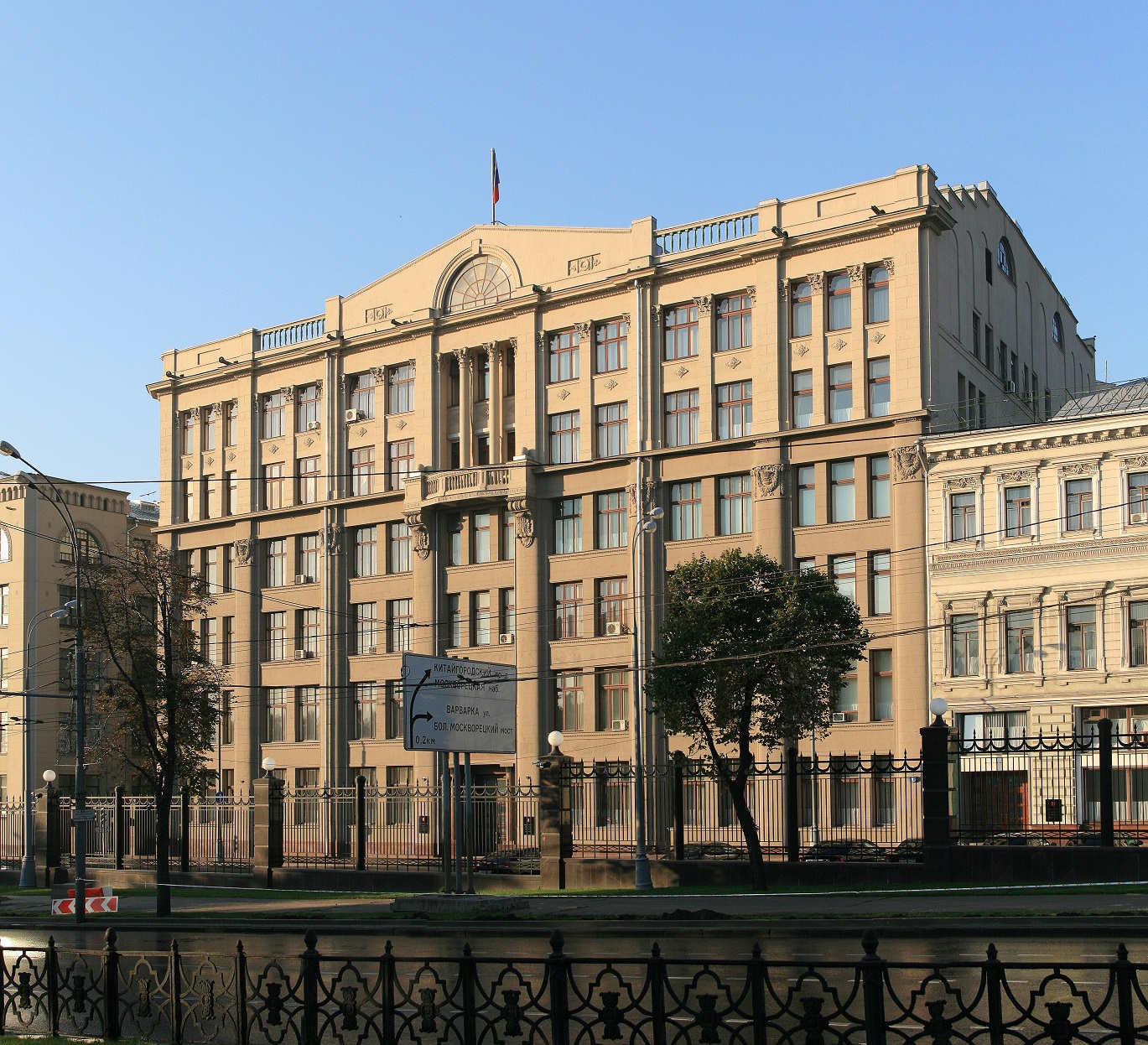
Powers of the President (according to Articles 83-89):
- Appoints the Chairman of the Government of the Russian Federation, whose candidacy has been approved by the State Duma upon the recommendation of the President of the Russian Federation, and dismisses the Chairman of the Government of the Russian Federation from office;
- Exercises general management of the Government of the Russian Federation and has the right to preside over meetings of the Government of the Russian Federation;
- Approves, upon the proposal of the Chairman of the Government of the Russian Federation, the structure of federal executive bodies and introduces changes to it; within the structure of federal executive bodies, he determines the bodies whose activities are directed by the President of the Russian Federation and the bodies whose activities are directed by the Government of the Russian Federation. In the event that the Chairman of the Government of the Russian Federation is dismissed from office by the President of the Russian Federation, the newly appointed Chairman of the Government of the Russian Federation does not submit proposals to the President of the Russian Federation regarding the structure of federal executive bodies;
- Decides on the resignation of the Government of the Russian Federation;
- Accepts the resignation of the Chairman of the Government of the Russian Federation, deputy Chairmen of the Government of the Russian Federation, federal ministers, as well as heads of federal executive bodies whose activities are directed by the President of the Russian Federation;
- Submits to the State Duma a candidate for appointment to the position of Chairman of the Central Bank of the Russian Federation; raises the issue before the State Duma regarding the dismissal of the Chairman of the Central Bank of the Russian Federation;
- Appoints deputy Chairmen of the Government of the Russian Federation and federal ministers, whose candidacies have been approved by the State Duma (with the exception of federal ministers specified in Article 83.1), and dismisses them from office;
- Appoints, after consultations with the Federation Council, and dismisses the heads of federal executive bodies (including federal ministers) in charge of defense, state security, internal affairs, justice, foreign affairs, emergency prevention and liquidation of the consequences of natural disasters, and public security;
- Submits to the Federation Council candidates for appointment to the positions of Chairman of the Constitutional Court of the Russian Federation, Deputy Chairman of the Constitutional Court of the Russian Federation and judges of the Constitutional Court of the Russian Federation, Chairman of the Supreme Court of the Russian Federation, deputy Chairmen of the Supreme Court of the Russian Federation and judges of the Supreme Court of the Russian Federation; appoints chairmen, deputy chairmen, and judges of other federal courts;
- Appoints, after consultations with the Federation Council, and dismisses the Prosecutor General of the Russian Federation, deputy Prosecutors General of the Russian Federation, prosecutors of subjects of the Russian Federation, prosecutors of military and other specialized prosecutor’s offices equivalent to prosecutors of subjects of the Russian Federation; appoints and dismisses other prosecutors for whom such a procedure for appointment and dismissal is established by federal law;
- Appoints and dismisses representatives of the Russian Federation in the Federation Council;
- Submits to the Federation Council a motion for the termination, in accordance with federal constitutional law, of the powers of the Chairman of the Constitutional Court of the Russian Federation, the Deputy Chairman of the Constitutional Court of the Russian Federation and judges of the Constitutional Court of the Russian Federation, the Chairman of the Supreme Court of the Russian Federation, deputy Chairmen of the Supreme Court of the Russian Federation and judges of the Supreme Court of the Russian Federation, chairmen, deputy chairmen and judges of cassation and appeal courts in the event of their committing an act discrediting the honor and dignity of a judge, as well as in other cases provided for by federal constitutional law, indicating the impossibility of a judge exercising their powers;
- Submits to the Federation Council candidates for appointment to the position of Chairman of the Accounts Chamber and half of the total number of auditors of the Accounts Chamber; submits to the State Duma candidates for appointment to the position of Deputy Chairman of the Accounts Chamber and half of the total number of auditors of the Accounts Chamber;
- Forms the State Council of the Russian Federation for the purpose of ensuring the coordinated functioning and interaction of public authorities, determining the main directions of internal and foreign policy of the Russian Federation, and priority directions for the socio-economic development of the state. The status of the State Council of the Russian Federation is determined by federal law;
- Forms the Security Council of the Russian Federation for the purpose of assisting the head of state in the implementation of his powers on issues of ensuring national interests and the security of the individual, society, and the state, as well as maintaining civil peace and concord in the country, protecting the sovereignty of the Russian Federation, its independence and state integrity, and preventing internal and external threats; heads the Security Council of the Russian Federation. The status of the Security Council of the Russian Federation is determined by federal law;
- Approves the military doctrine of the Russian Federation;
- Forms the Administration of the President of the Russian Federation for the purpose of ensuring the implementation of his powers;
- Appoints and dismisses plenipotentiary representatives of the President of the Russian Federation;
- Appoints and dismisses the supreme command of the Armed Forces of the Russian Federation;
- Appoints and recalls, after consultations with the relevant committees or commissions of the chambers of the Federal Assembly, diplomatic representatives of the Russian Federation in foreign states and international organizations;
- Calls elections to the State Duma in accordance with the Constitution of the Russian Federation and federal law;
- Dissolves the State Duma in cases and in the manner provided for by the Constitution of the Russian Federation;
- Calls a referendum in the manner established by federal constitutional law;
- Submits draft laws to the State Duma;
- Signs and promulgates federal laws;
- Addresses the Federal Assembly with annual messages on the situation in the country and on the main directions of the internal and foreign policy of the state;
- Exercises management of the foreign policy of the Russian Federation;
- Conducts negotiations and signs international treaties of the Russian Federation;
- Signs instruments of ratification;
- Receives letters of credence and letters of recall of diplomatic representatives accredited to him;
- May use conciliation procedures to resolve disagreements between public authorities of the Russian Federation and public authorities of the subjects of the Russian Federation, as well as between public authorities of the subjects of the Russian Federation. In the event of failure to reach an agreed decision, he may refer the dispute to the appropriate court;
- Has the right to suspend acts of the executive bodies of the subjects of the Russian Federation in case these acts contradict the Constitution of the Russian Federation, federal laws, international obligations of the Russian Federation, or violate human and civil rights and freedoms, until this issue is resolved by the appropriate court;
- In the event of aggression against the Russian Federation or an immediate threat of aggression, the President of the Russian Federation introduces martial law on the territory of the country or in its individual areas, with an immediate report to the Federation Council and the State Duma;
- Under the circumstances and in the manner provided for by federal constitutional law, introduces a state of emergency on the territory of the Russian Federation or in its individual areas, with an immediate report to the Federation Council and the State Duma;
- Resolves issues of citizenship of the Russian Federation and the granting of political asylum;
- Confers state awards of the Russian Federation, honorary titles of the Russian Federation, and supreme military and special ranks;
- Exercises the right of pardon;
- Issues decrees and directives that are binding throughout the country; they must not contradict the Constitution of the Russian Federation.
The President, according to Decree No. 21 of January 21, 2020, directly manages the federal executive bodies whose activities are directly directed by the President of the Russian Federation, including ministries8:
- Ministry of Internal Affairs of the Russian Federation;
- Ministry of the Russian Federation for Civil Defence, Emergencies and Elimination of Consequences of Natural Disasters;
- Ministry of Foreign Affairs of the Russian Federation;
- Ministry of Defence of the Russian Federation;
- Ministry of Justice of the Russian Federation.
There are three ways in which a citizen can participate in the election of the President of the Russian Federation9.
The first option is as an independent candidate. Support for their nomination by a group of voters is required. To be registered, such a candidate must first create and register with the Central Election Commission a group of voters consisting of at least 500 citizens of the Russian Federation who possess active suffrage. Then, in order to be admitted to the election, they must collect and submit to the Central Election Commission at least 300,000 voter signatures (moreover, the number of signatures submitted may exceed the number of required signatures, but by no more than 5% (accordingly, each independent candidate may provide the CEC with up to 315,000 signatures), and no more than 7,500 signatures may come from a single subject of the Russian Federation; if voter signatures are collected among voters permanently residing outside the territory of the Russian Federation, the total number of these signatures cannot exceed 7,500).
The second option is as a candidate from a registered party represented in the State Duma. Such candidates are nominated by parties, and they do not need to collect signatures, provided that the specified official publication of the candidacy took place before the submission of the documents required for candidate registration to the Central Election Commission of the Russian Federation. Registration of a candidate nominated by a political party whose lists of candidates were admitted to the distribution of deputy mandates in the legislative (representative) bodies of state power acting on the day of the official publication of the decision to call the election of the President of the Russian Federation in at least one-third of the subjects of the Russian Federation is also carried out without the collection of voter signatures.
The third option is as a candidate from a registered party not represented in the State Duma. To be admitted to the election, it is required to collect at least 100,000 voter signatures in support of a candidate nominated by such a party, with no more than 2,500 voter signatures per subject of the Russian Federation. If the collection of voter signatures is carried out among voters permanently residing outside the territory of the Russian Federation, the total number of these signatures must not exceed 2,500.
The presidential election system in the Russian Federation is a majority system of absolute majority, meaning one must receive at least 50% of the votes cast by voters, plus one vote10. If this does not happen, then the two candidates who received the most votes go to a second round, where the winner is the one who receives a simple majority11 (the only time this happened in Russia was during the 1996 election). At the same time, they must submit a written statement of consent to participate in the repeat voting with their candidacy. If one of these candidates cannot participate, their place is transferred to the next registered candidate by number of votes received, after the candidates for whom the Central Election Commission of the Russian Federation initially scheduled the repeat voting, provided there is a written statement from the specified registered candidate consenting to participate in the repeat voting with their candidacy.
By law, repeat voting may be held for a single candidate in the event that only one registered candidate remains after the withdrawal of other registered candidates. In this case, the registered candidate is considered elected to the office of President of the Russian Federation if they receive at least 50 percent of the votes of the voters who participated in the voting12.
To participate in the presidential election, one must meet the following criteria (Article 81):
- A citizen of the Russian Federation;
- Not younger than 35 years of age;
- Permanently residing in the Russian Federation for at least 25 years;
- Must not have previously held citizenship of a foreign state or a residence permit, or any other document confirming the right of a citizen of the Russian Federation to permanently reside in the territory of a foreign state.
At the same time, the requirement for a presidential candidate that they not hold citizenship of a foreign state does not apply to citizens of the Russian Federation who previously held citizenship of a state that was admitted, or part of which was admitted, to the Russian Federation in accordance with federal constitutional law, and who permanently resided in the territory of the state admitted to the Russian Federation or the territory of the part of the state admitted to the Russian Federation.
The President is elected for 6 years and may serve only two terms. However, the provision limiting the number of terms during which one and the same person may hold the office of President of the Russian Federation applies to a person who held and (or) holds the office of President of the Russian Federation, without taking into account the number of terms during which they held and (or) hold this office at the time of the entry into force of the amendment to the Constitution of the Russian Federation that introduces the corresponding limitation, and it does not exclude the possibility for them to hold the office of President of the Russian Federation for the number of terms permitted by the indicated provision. Simply put, the Presidents — both the current and the past one — have acquired the opportunity to serve as President for two more terms.
The President can be impeached (Article 93). The State Duma may accuse the President of high treason or the commission of another grave crime, provided this is confirmed by a ruling of the Supreme Court of the Russian Federation on the presence of signs of a crime in the President’s actions, and by a ruling of the Constitutional Court of the Russian Federation on compliance with the established procedure for bringing charges. The decision of the State Duma to bring charges and the decision of the Federation Council to remove the President of the Russian Federation from office or to strip the President of the Russian Federation of immunity must be adopted by two-thirds of the votes of the total number of senators of the Russian Federation and deputies of the State Duma, respectively, on the initiative of at least one-third of the deputies of the State Duma and in the presence of a conclusion by a special commission formed by the State Duma. It must be adopted no later than three months after the State Duma brings charges against the President of the Russian Federation. If the decision of the Federation Council is not adopted within this period, the charge against the President of the Russian Federation who has ceased to perform their duties is considered rejected. The same procedure applies to a former President, as they also possess immunity (Article 92).
If the President is unable to perform their duties, they are temporarily performed by the Chairman of the Government of the Russian Federation. The acting President of the Russian Federation does not have the right to dissolve the State Duma, call a referendum, or submit proposals for amendments to and revision of the provisions of the Constitution of the Russian Federation (Article 92.3).
The government
Executive power is exercised by the Government of the Russian Federation under the general guidance of the President of the Russian Federation (Article 110.1). There are 31 people in the Government of the Russian Federation, and it consists of the following individuals13.
First, there is the Chairman of the Government of the Russian Federation (usually referred to as the Prime Minister). He is appointed by the President of the Russian Federation after his candidacy has been approved by the State Duma (Article 111.1). The candidacy is proposed by the President (Article 111.2). If the State Duma rejects the proposed candidates for the position of Chairman of the Government of the Russian Federation three times, the President of the Russian Federation shall appoint the Chairman of the Government of the Russian Federation himself, and he also has the right to dissolve the State Duma and call new elections (Article 111.4).
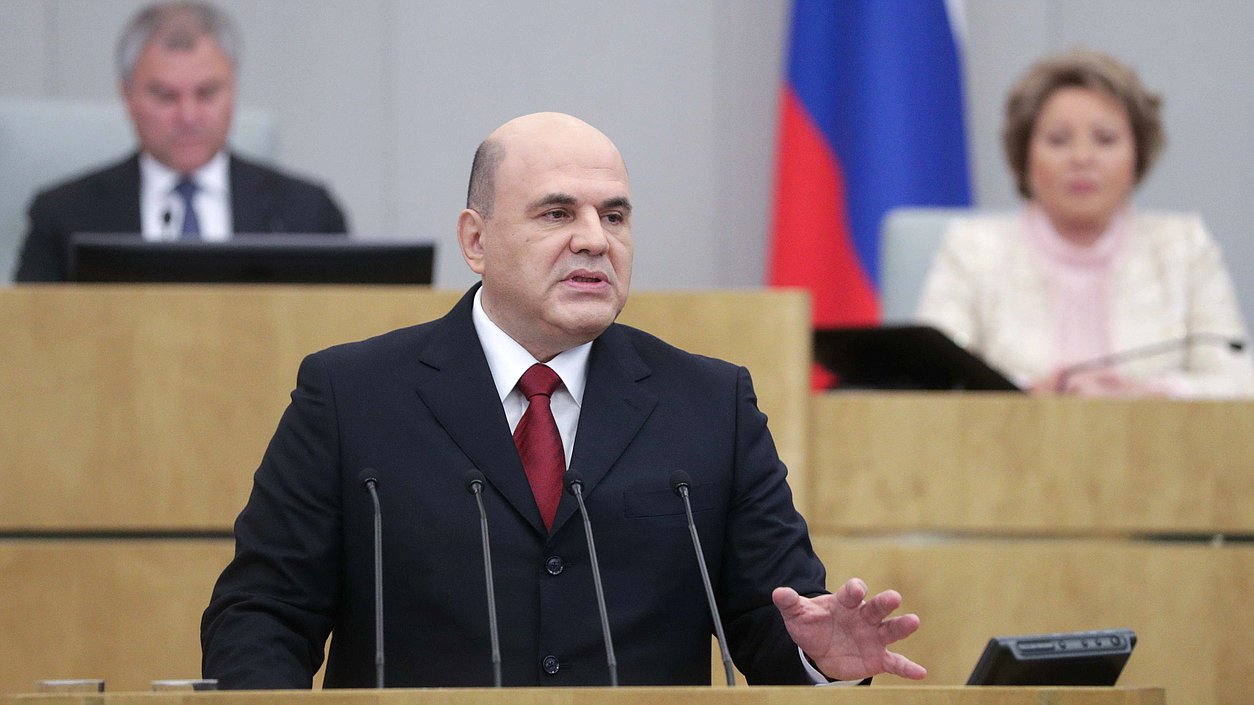
The Chairman of the Government of the Russian Federation, in accordance with the Constitution of the Russian Federation, federal laws, decrees, directives, and instructions of the President of the Russian Federation, organizes the work of the Government of the Russian Federation. He bears personal responsibility before the President of the Russian Federation for the exercise of the powers entrusted to the Government of the Russian Federation (Article 113). After his appointment, the Chairman must submit proposals to the President regarding the structure of federal executive bodies (with the exception of cases where he was appointed after the resignation of the previous one) (Article 112.2). He also submits to the State Duma for approval the candidacies of the Deputy Chairmen of the Government of the Russian Federation and federal ministers (except for those appointed by the President himself), but he does not appoint them; the President does (Article 112.3). If the State Duma rejects the candidacies or if the candidacies for more than one-third of the positions of members of the Government of the Russian Federation (except for those appointed by the President himself) remain vacant, then the President has the right to appoint them himself, as well as to dissolve the State Duma and call new elections (Article 112.4).
Second, there are the Deputy Chairmen of the Government of the Russian Federation:
- First Deputy Chairman of the Government of the Russian Federation for financial and economic policy;
- Deputy Chairman of the Government of the Russian Federation for science, higher education, digital economy, media, tourism, and sports;
- Deputy Chairman of the Government of the Russian Federation for social policy and culture;
- Deputy Chairman of the Government of the Russian Federation for construction, housing and utility services, and regional development;
- Deputy Chairman of the Government of the Russian Federation for agriculture, natural resources, and ecology;
- Deputy Chairman of the Government of the Russian Federation for the military-industrial complex and the space industry;
- Deputy Chairman of the Government of the Russian Federation for the fuel and energy complex;
- Deputy Chairman of the Government of the Russian Federation for Eurasian integration, cooperation with CIS countries, BRICS, G20, and international events;
- Deputy Chairman of the Government of the Russian Federation – Plenipotentiary Representative of the President of the Russian Federation in the Far Eastern Federal District;
- Deputy Chairman of the Government of the Russian Federation – Head of the Government Staff of the Russian Federation.
Third, there are the federal ministers:
- Minister of Internal Affairs;
- Minister for Civil Defence, Emergencies and Elimination of Consequences of Natural Disasters;
- Minister of Health;
- Minister of Foreign Affairs;
- Minister of Culture;
- Minister of Defence;
- Minister of Education;
- Minister of Science and Higher Education;
- Minister for the Development of the Russian Far East and Arctic;
- Minister of Natural Resources and Ecology;
- Minister of Industry and Trade;
- Minister of Digital Development, Communications and Mass Media;
- Minister of Agriculture;
- Minister of Construction and Housing and Utilities;
- Minister of Sport;
- Minister of Transport;
- Minister of Labour and Social Protection;
- Minister of Finance;
- Minister of Economic Development;
- Minister of Energy;
- Minister of Justice.
A representative of the executive branch must be the following person (Article 110.4):
- A citizen of the Russian Federation;
- At least 30 years of age;
- Must not hold citizenship of a foreign state, or a residence permit, or any other document confirming the right of a citizen of the Russian Federation to permanently reside in the territory of a foreign state.
They are prohibited from opening and maintaining accounts (deposits), keeping cash and valuables in foreign banks located outside the territory of the Russian Federation.
Powers of the Government of the Russian Federation (according to Article 114.1):
- Develops and submits the federal budget to the State Duma and ensures its execution; submits to the State Duma a report on the execution of the federal budget; submits to the State Duma annual reports on the results of its activities, including on issues raised by the State Duma;
- Ensures the implementation of a unified financial, credit, and monetary policy in the Russian Federation;
- Ensures the implementation of a unified socially oriented state policy in the Russian Federation in the fields of culture, science, education, healthcare, social security, support, strengthening and protection of the family, the preservation of traditional family values, as well as in the field of environmental protection;
- Ensures state support for the scientific and technological development of the Russian Federation and the preservation and development of its scientific potential;
- Ensures the functioning of the social protection system for disabled persons, based on the full and equal exercise of their human and civil rights and freedoms, their social integration without any discrimination, the creation of an accessible environment for disabled persons, and the improvement of their quality of life;
- Exercises management of federal property;
- Exercises measures to ensure the defense of the country, state security, and the implementation of the foreign policy of the Russian Federation;
- Exercises measures to ensure the rule of law, the rights and freedoms of citizens, the protection of property and public order, and the fight against crime;
- Exercises measures to support civil society institutions, including non-profit organizations, and ensures their participation in the development and implementation of state policy;
- Exercises measures to support voluntary (volunteer) activities;
- Promotes the development of entrepreneurship and private initiative;
- Ensures the implementation of the principles of social partnership in the sphere of regulation of labor and other directly related relations;
- Exercises measures aimed at creating favorable living conditions for the population, reducing the negative impact of economic and other activities on the environment, preserving the unique natural and biological diversity of the country, and forming a responsible attitude toward animals in society;
- Creates conditions for the development of the system of environmental education for citizens and the cultivation of an environmental culture;
- Exercises other powers vested in it by the Constitution of the Russian Federation, federal laws, and decrees of the President of the Russian Federation;
- On the basis of and in pursuance of the Constitution of the Russian Federation, federal laws, decrees, directives, and instructions of the President of the Russian Federation, the Government of the Russian Federation issues resolutions and directives and ensures their execution (according to Article 115).
Resolutions and directives are mandatory for execution throughout the country. They may be rescinded by the President if they contradict the Constitution of the Russian Federation, federal laws, or decrees and directives of the President of the Russian Federation. The Government may resign, and such resignation is accepted or rejected by the President of the Russian Federation (Article 117.1). Also, the President of the Russian Federation may decide to dismiss the Government (Article 117.2).
According to Article 117.3, the State Duma may express a vote of no confidence in the Government of the Russian Federation. A resolution on no confidence in the Government of the Russian Federation is adopted by a majority vote of the total number of deputies of the State Duma. After the State Duma expresses no confidence in the Government of the Russian Federation, the President has the right to announce the resignation of the Government or to disagree with the decision of the State Duma. According to Article 117.6, no confidence cannot be expressed at times when the State Duma cannot be dissolved (this was described in the “Parliament” section) and after the rejection of candidates for the position of Chairman of the Government of the Russian Federation three times. In the event that the State Duma repeatedly expresses no confidence in the Government within three months, the President may choose between two options:
- Announce the resignation of the Government;
- Dissolve the State Duma and call new elections.
Also, in accordance with Article 117.4, the Chairman of the Government also has the right to raise the question of confidence in the Government before the State Duma, which is subject to consideration within seven days. If the State Duma refuses to grant confidence to the Government, the President has the right, within seven days, to make one of two decisions:
- A decision on the resignation of the Government;
- A decision on the dissolution of the State Duma and the calling of new elections.
In the event that the Government repeatedly raises the question of confidence before the State Duma within three months and the State Duma refuses to grant confidence to the Government, the President must again make one of the two aforementioned decisions. And if the Government resigns or relinquishes its powers, it continues to work on behalf of the President until a new Government is formed.
If the Government is dismissed by the President, or if the Chairman of the Government, a Deputy Chairman of the Government of the Russian Federation, or a federal minister resigns, the President has the right to instruct this person to continue performing their official duties or to assign their performance to another person until a corresponding appointment is made (Article 112.5). The Government works for as long as the President works; that is, after a new President is elected, the Government relinquishes its powers (Article 116).
Federal district
This is a territory that consists of a multitude of regions. This type of division was, as assumed, necessary to ensure state sovereignty, unity, and integrity of modern Russia14, and the federal districts were created by Decree of the President of Russia Vladimir Putin No. 849 “On the Plenipotentiary Representative of the President of the Russian Federation in a Federal District” dated May 13, 2000.
Such districts are needed to bring federal power territorially closer to the subjects of the Federation, to unify the relationships of the central government with all its subjects regardless of the principle of their formation, to jointly resolve regional socio-economic problems, and to develop productive forces at the interregional level. Under special circumstances — for example, in conditions of emergency or crisis situations — the institution of “federal presence” becomes an instrument for implementing the directives of the President of Russia directly in the subjects of the Federation.
The most interesting thing here is that out of the first 7 plenipotentiary representatives of the President appointed in 2000, 5 had backgrounds related to the “power” structures (Kazantsev and Pulikovsky represented the armed forces and had experience in the Chechen conflict, Poltavchenko and Cherkesov previously served in the KGB of the USSR, and Latyshev in the MVD of the USSR), while Kiriyenko and Drachevsky were civilian officials. A little later, specifically during the presidency of Dmitry Medvedev, the proportion of “siloviki” decreased.
However, the place of the federal district in the system of the federal structure of the Russian Federation is unclear; the procedure and mechanism for interaction between federal districts horizontally are not defined; the conditions and forms of interaction with the subjects of the Russian Federation are not specified; the principles for constructing federal districts are incomprehensible; the forms and methods for their reconstruction and abolition are not indicated; the duties of plenipotentiary representatives are not regulated; and there are no provisions regarding liability, its grounds, forms, or the procedure for application15. The only political body of this entity is the Plenipotentiary Representative of the President of the Russian Federation in the federal district.
Currently, the following forms of interaction between the Plenipotentiary Representative and the regions are provided:
- Development, jointly with interregional associations for economic cooperation of the subjects of the Russian Federation, of programs for the socio-economic development of territories within the federal district;
- Participation of the Presidential Plenipotentiary Representatives in the work of state authorities of the subjects of the Federation, as well as local self-government bodies located within the federal district;
- Organization, by order of the President of the Russian Federation, of conciliation procedures to resolve disagreements between federal state authorities and state authorities of the subjects of the Federation located within the federal district.
However, this body has the following disadvantages16:
- The Plenipotentiary Representatives of the President of the Russian Federation do not formally possess administrative power (they cannot independently apply measures of liability for non-fulfillment or improper fulfillment of the decisions of the President of the Russian Federation);
- A number of functions and rights of the Presidential Representatives duplicate the functions and rights of the Government of the Russian Federation, the Prosecutor’s Office of the Russian Federation, and the executive authorities of the subjects of the Federation. In some cases, the functions of the representatives are supplementary in nature;
- Lack of regulations for the internal organization and interaction of the offices of the Presidential Plenipotentiary Representative;
- The right of plenipotentiary representatives to approve regulations on their offices and departments, and professional development plans for civil servants in the office, is not legally enshrined.
Overall, although many consider the district system to be good and even suggest it could be improved, we oppose it, as it gives federal authorities the opportunity to excessively influence the regions, which is not very beneficial for the development of federalism and democracy. But this does not mean there will be no interaction at all; it will simply be carried out by other bodies, which we will discuss in an article about the future political structure.
Federation
The name “Russian Federation” indicates that this state is a federation. Our country has 85 regions, which can be divided into 4 groups.
The first group consists of republics (22 regions). These regions are unique in the following ways:
- They have a Constitution (Article 5.2), whereas others have Charters instead;
- They are formed mainly based on nationality;
- They may establish their own official state languages in addition to Russian (Article 68.2).
In the Constitution, they are referred to as states; however, this designation does not mean that they possess state sovereignty but “merely reflects certain features of their constitutional-legal status associated with historical, national, and other factors”17.
The second group consists of cities of federal significance (Moscow, Saint Petersburg, Sevastopol).
The third group consists of oblasts (46 regions).
The fourth group consists of krais (9 regions).
The fifth group consists of autonomous okrugs (Nenets, Khanty-Mansi, Chukotka, Yamalo-Nenets). Usually, they are part of krais or oblasts (with the exception of Chukotka). According to Article 66.4, the relations of autonomous okrugs that are part of a krai or oblast may be regulated by federal law and an agreement between the state authorities of the autonomous okrug and, accordingly, the state authorities of the krai or oblast.
Finally, the sixth group consists of autonomous oblasts (the Jewish Autonomous Oblast).
Upon the proposal of the legislative and executive bodies of an autonomous oblast or autonomous okrug, a federal law on the autonomous oblast or autonomous okrug may be adopted (Article 66.3).
According to the Constitution, all subjects are equal in rights (Article 5.1), although, as described above, this is not entirely the case.
Let us analyze the differences in powers. The powers of central authorities (here we take federal, not local ones) and their spheres of competence (Article 71):
- Adoption and amendment of the Constitution of the Russian Federation and federal laws, and control over their observance;
- Federal structure and territory of the Russian Federation;
- Regulation and protection of human and civil rights and freedoms; citizenship in the Russian Federation; regulation and protection of the rights of national minorities;
- Organization of public power; establishment of a system of federal legislative, executive, and judicial bodies, and the procedure for their organization and activities; formation of federal state authorities;
- Federal state property and its management;
- Establishment of the foundations of federal policy and federal programs in the field of state, economic, environmental, scientific, technological, social, cultural, and national development of the Russian Federation; establishment of unified legal foundations for the healthcare system, the system of upbringing and education, including continuous education;
- Establishment of the legal foundations of a unified market; financial, monetary, credit, and customs regulation, currency emission, and the foundations of price policy; federal economic services, including federal banks;
- Federal budget; federal taxes and levies; federal regional development funds;
- Federal energy systems, nuclear power, and fissile materials; federal transport, communication lines, information, information technologies, and communications; space activities;
- Foreign policy and international relations of the Russian Federation, international treaties of the Russian Federation; issues of war and peace;
- Foreign economic relations of the Russian Federation;
- Defense and security; defense production; determination of the procedure for the sale and purchase of weapons, ammunition, military equipment, and other military property; production of toxic substances, narcotic drugs, and the procedure for their use; ensuring the security of the individual, society, and the state during the use of information technologies and the circulation of digital data;
- Determination of the status and protection of the state border, territorial sea, airspace, exclusive economic zone, and continental shelf of the Russian Federation;
- Judicial system; prosecutor’s office; criminal and penal legislation; amnesty and pardon; civil legislation; procedural legislation; legal regulation of intellectual property;
- Federal conflict of laws;
- Metrological service, standards, reference units, the metric system, and time measurement; geodesy and cartography; naming of geographical objects; meteorological service; official statistical and accounting records;
- State awards and honorary titles of the Russian Federation;
- Federal state service; establishment of restrictions for holding state and municipal positions, and positions of state and municipal service, including restrictions related to the possession of citizenship of a foreign state, or a residence permit, or any other document confirming the right of a citizen of the Russian Federation to permanently reside in the territory of a foreign state, as well as restrictions related to the opening and maintenance of accounts (deposits) and the storage of cash and valuables in foreign banks located outside the territory of the Russian Federation.
Joint powers of the center and the regions (Article 72):
- Ensuring the compliance of the constitutions and laws of republics, charters, laws, and other normative legal acts of krais, oblasts, cities of federal significance, the autonomous oblast, and autonomous okrugs with the Constitution of the Russian Federation and federal laws;
- Protection of human and civil rights and freedoms; protection of the rights of national minorities; ensuring the rule of law, law and order, and public safety; border zone regime;
- Issues of possession, use, and disposal of land, subsoil, water, and other natural resources;
- Demarcation of state property;
- Nature management; agriculture; environmental protection and ensuring environmental safety; specially protected natural territories; protection of historical and cultural monuments;
- General issues of upbringing, education, science, culture, physical culture and sports, and youth policy;
- Coordination of healthcare issues, including ensuring the provision of accessible and high-quality medical care, preservation and strengthening of public health, creation of conditions for leading a healthy lifestyle, and the formation of a culture of responsible attitude of citizens toward their health; social protection, including social security;
- Protection of the family, maternity, paternity, and childhood; protection of the institution of marriage as a union of a man and a woman; creation of conditions for the decent upbringing of children in the family, as well as for the fulfillment by adult children of their duty to care for their parents;
- Implementation of measures to combat disasters, natural calamities, and epidemics, and the elimination of their consequences;
- Establishment of general principles of taxation and levies in the Russian Federation;
- Administrative, administrative-procedural, labor, family, housing, land, water, and forest legislation, and legislation on subsoil and environmental protection;
- Personnel of judicial and law enforcement agencies; advocacy and notaries;
- Protection of the original habitat and traditional way of life of small ethnic communities;
- Establishment of general principles for the organization of the system of state authorities and local self-government;
- Coordination of international and foreign economic relations of the subjects of the Russian Federation, and the implementation of international treaties of the Russian Federation.
Exclusive powers of regional authorities18:
- Adoption, amendment, and supplementation of the constitution (charter), laws, and other legal acts, and control over their observance;
- Establishment of the administrative-territorial structure;
- Determination of the system of state authorities in accordance with the foundations of the constitutional system of the Russian Federation and the general principles of the organization of legislative (representative) and executive bodies of state power established by federal law, as well as the formation of state authorities of a subject of the Russian Federation;
- State service of a subject of the Russian Federation;
- Organization and development of local self-government;
- Establishment and conferment of honorary titles and awards of a subject of the Federation;
- State property of a subject of the Federation and its management;
- Determination of policy and adoption of programs in the sphere of state, economic, environmental, and social development of a subject of the Federation;
- Financial, currency, and monetary regulation in matters not assigned to the jurisdiction of the Russian Federation;
- Budget, taxes, duties, and levies, and extra-budgetary funds of a subject of the Federation;
- International and foreign economic relations of a subject of the Federation.
The system of state authorities in the regions is established by the subjects of the Russian Federation independently, in accordance with the foundations of the constitutional system of the Russian Federation and the general principles of the organization of representative and executive bodies of state power established by federal law (Article 77.1).
Regional power
Legislative power is represented by regional parliaments with their own specific names. The number of deputies of the legislative (representative) body of state power of a subject of the Russian Federation is established by the constitution (charter) of the subject of the Russian Federation (hereinafter referred to as the established number of deputies) and is determined depending on the number of voters registered on the territory of the subject of the Russian Federation. The established number of deputies shall be:
- No fewer than 15 and no more than 50 deputies – when the number of voters is less than 500,000 people;
- No fewer than 25 and no more than 70 deputies – when the number of voters is from 500,000 to 1 million people;
- No fewer than 35 and no more than 90 deputies – when the number of voters is from 1 million to 2 million people;
- No fewer than 45 and no more than 110 deputies – when the number of voters is over 2 million people.
Their powers may vary; for an example, let us examine the Legislative Assembly of Sverdlovsk Oblast19 (the powers of regional parliaments are largely identical, pursuant to Federal Law No. 184-FZ of October 6, 1999, “On General Principles of the Organization of Legislative (Representative) and Executive Bodies of State Power of the Subjects of the Russian Federation”):
- Adopts the constitution of a subject of the Russian Federation and amendments thereto; if not otherwise established by the constitution of the subject of the Russian Federation, adopts the charter of the subject of the Russian Federation and amendments thereto;
- Exercises legislative regulation on matters within the jurisdiction of a subject of the Russian Federation and matters of joint jurisdiction of the Russian Federation and its subjects within the limits of the powers of the subject of the Russian Federation;
- Hears annual reports of the highest official of a subject of the Russian Federation (the head of the highest executive body of state power of a subject of the Russian Federation) on the results of the activities of the highest executive body of state power of a subject of the Russian Federation, including on issues raised by the legislative (representative) body of state power of the subject of the Russian Federation.
By a law of a subject of the Russian Federation:
- The budget of the subject of the Russian Federation and the report on its execution, submitted by the highest official of the subject of the Russian Federation (the head of the highest executive body of state power of the subject of the Russian Federation), are approved;
- Within the limits of powers defined by federal law, the procedure for holding elections to local self-government bodies on the territory of the subject of the Russian Federation is established;
- The procedure for implementing strategic planning in the subject of the Russian Federation is approved in accordance with Federal Law No. 172-FZ of June 28, 2014, “On Strategic Planning in the Russian Federation”;
- Taxes and levies, the establishment of which is assigned by federal law to the jurisdiction of the subject of the Russian Federation, as well as the procedure for their collection, are established;
- The budgets of territorial state extra-budgetary funds of the subject of the Russian Federation and reports on their execution are approved;
- The procedure for managing and disposing of the property of the subject of the Russian Federation is established, including shares (stakes, stocks) of the subject of the Russian Federation in the capital of business entities, partnerships, and enterprises of other organizational and legal forms;
- The conclusion and termination of agreements of the subject of the Russian Federation are approved;
- The procedure for calling and holding a referendum of the subject of the Russian Federation is established;
- The procedure for holding elections to the legislative (representative) body of state power of the subject of the Russian Federation, the procedure for holding elections of the highest official of the subject of the Russian Federation (the head of the highest executive body of state power of the subject of the Russian Federation), or the procedure for electing the highest official of the subject of the Russian Federation (the head of the highest executive body of state power of the subject of the Russian Federation) by the deputies of the legislative (representative) body of state power of the subject of the Russian Federation, and the procedure for recalling the highest official of the subject of the Russian Federation (the head of the highest executive body of state power of the subject of the Russian Federation) are established;
- The administrative-territorial structure of the subject of the Russian Federation and the procedure for its change are established;
- The system of executive bodies of state power of the subject of the Russian Federation is established;
- Other issues relating, in accordance with the Constitution of the Russian Federation, federal laws, and the constitution (charter) and laws of the subject of the Russian Federation, to the jurisdiction and powers of the subject of the Russian Federation are regulated.
By a resolution of the legislative (representative) body of state power of the subject of the Russian Federation, it is also:
- Adopted the rules of procedure of the said body and resolved issues of the internal order of its activities;
- Appointed to office and relieved of office certain officials of the subject of the Russian Federation, and formal consent for their appointment is granted if such a procedure for appointment is provided for by the Constitution of the Russian Federation, federal laws, and the constitution (charter) of the subject of the Russian Federation;
- Called elections to the legislative (representative) body of state power of the subject of the Russian Federation, elections of the highest official of the subject of the Russian Federation (the head of the highest executive body of state power of the subject of the Russian Federation), or a decision is formalized on the election of the highest official of the subject of the Russian Federation (the head of the highest executive body of state power of the subject of the Russian Federation) by the deputies of the legislative (representative) body of state power of the subject of the Russian Federation, and voting on the recall of the highest official of the subject of the Russian Federation (the head of the highest executive body of state power of the subject of the Russian Federation) is called;
- Called a referendum of the subject of the Russian Federation in cases provided for by the law of the subject of the Russian Federation;
- Formalized a decision on no confidence (confidence) in the highest official of the subject of the Russian Federation (the head of the highest executive body of state power of the subject of the Russian Federation), as well as a decision on no confidence (confidence) in the heads of executive bodies of state power of the subject of the Russian Federation, in the appointment of whom to office the legislative (representative) body of state power of the subject of the Russian Federation participated in accordance with the constitution (charter) of the subject of the Russian Federation;
- Approved an agreement on changing the borders of subjects of the Russian Federation;
- Approved a draft agreement on the demarcation of powers;
- Appointed to office judges of the constitutional (charter) court of the subject of the Russian Federation;
- Formalized other decisions on issues assigned by the Constitution of the Russian Federation, federal laws, and the constitution (charter) and laws of the subject of the Russian Federation to the jurisdiction of the legislative (representative) body of state power of the subject of the Russian Federation.
In addition, the legislative (representative) body of state power of the subject of the Russian Federation, within the limits and forms established by the constitution (charter) of the subject of the Russian Federation and the laws of the subject of the Russian Federation:
- Exercises, along with other authorized bodies, control over the observance and execution of the laws of the subject of the Russian Federation, the execution of the budget of the subject of the Russian Federation, the execution of the budgets of territorial state extra-budgetary funds of the subject of the Russian Federation, and compliance with the established procedure for disposing of the property of the subject of the Russian Federation;
- Exercises other powers established by the Constitution of the Russian Federation, this Federal Law, other federal laws, and the constitution (charter) and laws of the subject of the Russian Federation.
Such bodies are elected in different ways, but three groups can be distinguished:
- By a mixed system;
- By a proportional system (Dagestan, Kabardino-Balkaria, Ingushetia, Kalmykia, Karachay-Cherkessia, Chechnya);
- By a majoritarian system (Moscow).
The term of office of regional parliaments may not exceed five years20.
Head of the region
This is the highest official of a subject of the Russian Federation (the head of the highest executive body of state power of a subject of the Russian Federation). They may be elected by citizens (it should be noted that this is very difficult due to the municipal filter, which we wrote about in the article on electoral systems), in some places they are chosen by the parliament (Dagestan, Karachay-Cherkessia, North Ossetia-Alania, and so on), and in some places the system is quite unusual – for example, in the Nenets Autonomous Okrug it follows the following scheme21:
- Each party represented in the Assembly of Deputies of the NAO or in the State Duma nominates up to three candidates for consideration by the Governor of Arkhangelsk Oblast. Parties nominate candidates (who do not necessarily have to be members of the respective parties) no later than 60 days before the voting day;
- The Governor of Arkhangelsk Oblast selects at least five candidates, whom they propose to the President of the Russian Federation no later than 40 days before the voting day;
- The President of the Russian Federation selects three candidates, whom they submit to the Assembly of Deputies of the NAO no later than 20 days before the voting day;
- The deputies of the Assembly of Deputies of the NAO elect the governor by vote. The voting day is set as the second Sunday of September of the year in which the term of the governor’s powers expires.
If the elections for the deputies of the Assembly of Deputies of the NAO coincide with the single voting day in September, then the governor must be elected by the new deputies, for which they are given 45 days. They must meet the following criteria:
- Reside on the territory of the subject of the Russian Federation;
- Not have citizenship of a foreign state, or a residence permit, or any other document confirming the right of a citizen of the Russian Federation to permanent residence in the territory of a foreign state;
- Reach the age of 30. They are elected for 5 years, for no more than two consecutive terms22.
Candidates for the position of the highest official of a subject of the Russian Federation (the head of the highest executive body of state power of a subject of the Russian Federation) are nominated by political parties. A political party has the right to nominate as a candidate for the specified position a person who is a member of that political party, or a person who is not a member of that or any other political party. The law of a subject of the Russian Federation may provide for the nomination of candidates for the specified position through self-nomination.
Powers vary from region to region, and for an example, let us take Sverdlovsk Oblast and the powers of its Governor23:
- Protects human and civil rights and freedoms, ensures the rule of law, law and order, and public safety on the territory of Sverdlovsk Oblast;
- Promulgates or rejects laws of Sverdlovsk Oblast;
- Determines the main directions of internal, budgetary, and tax policy of Sverdlovsk Oblast, its socio-economic development, the development of its international and foreign economic relations, and the development of its interregional relations;
- Represents Sverdlovsk Oblast in relations with federal state authorities, state authorities of other subjects of the Russian Federation, local self-government bodies, and in the exercise of international and foreign economic relations;
- Submits to the Legislative Assembly of Sverdlovsk Oblast a draft agreement on the demarcation of subjects of jurisdiction and powers between the state authorities of the Russian Federation and the state authorities of Sverdlovsk Oblast for approval;
- Signs contracts and agreements of Sverdlovsk Oblast, including agreements of Sverdlovsk Oblast on the exercise of international and foreign economic relations, and agreements of Sverdlovsk Oblast on the exercise of interregional relations;
- Ensures the coordination of the activities of the executive bodies of state power of Sverdlovsk Oblast with other state authorities of Sverdlovsk Oblast and, in accordance with federal legislation, may organize the interaction of the executive bodies of Sverdlovsk Oblast with federal executive bodies and their territorial bodies, local self-government bodies of municipalities located on the territory of Sverdlovsk Oblast, and public associations;
- Submits reports to the President of the Russian Federation on the actually achieved and planned values of indicators for assessing the effectiveness of the activities of the executive bodies of state power of Sverdlovsk Oblast;
- Has the right to demand the convocation of an extraordinary meeting of the Legislative Assembly of Sverdlovsk Oblast, as well as to convene the newly elected Legislative Assembly of Sverdlovsk Oblast for the first meeting earlier than the deadline established for this to the Legislative Assembly of Sverdlovsk Oblast by the Charter of Sverdlovsk Oblast;
- Has the right to participate in the work of the Legislative Assembly of Sverdlovsk Oblast with a consultative vote;
- Submits annual reports to the Legislative Assembly of Sverdlovsk Oblast on the results of the activities of the Government of Sverdlovsk Oblast, including on issues raised by the Legislative Assembly of Sverdlovsk Oblast;
- Determines, in accordance with the system of executive bodies of state power of Sverdlovsk Oblast established by the law of Sverdlovsk Oblast, the structure of the executive bodies of state power of Sverdlovsk Oblast;
- Forms the Government of Sverdlovsk Oblast, appoints to office with the consent of the Legislative Assembly of Sverdlovsk Oblast the First Deputy Governor of Sverdlovsk Oblast, appoints to office the Vice-Governor of Sverdlovsk Oblast, Deputy Governors of Sverdlovsk Oblast, and other members of the Government of Sverdlovsk Oblast, makes a decision on the resignation of the Government of Sverdlovsk Oblast, and relieves members of the Government of Sverdlovsk Oblast of their duties;
- Determines the powers of the Vice-Governor of Sverdlovsk Oblast, the First Deputy Governor of Sverdlovsk Oblast, and the Deputy Governors of Sverdlovsk Oblast, and distributes duties between the Vice-Governor of Sverdlovsk Oblast, the First Deputy Governor of Sverdlovsk Oblast, and the Deputy Governors of Sverdlovsk Oblast;
- Submits to the Legislative Assembly of Sverdlovsk Oblast candidacies to obtain consent for appointment to the positions of heads of authorized executive bodies of state power of Sverdlovsk Oblast in the spheres of finance and social protection of the population, and the main body for the management of state property of Sverdlovsk Oblast;
- Appoints to office and relieves of office the heads of regional executive bodies of state power of Sverdlovsk Oblast, including those specified in subparagraph 15 of this paragraph, and the heads of territorial executive bodies of state power of Sverdlovsk Oblast;
- Determines the composition and procedure for the activities of the Presidium of the Government of Sverdlovsk Oblast;
- Has the right to rescind or suspend the effect of normative legal acts adopted by regional and territorial executive bodies of state power of Sverdlovsk Oblast, or individual provisions of these legal acts;
- Submits to the Legislative Assembly of Sverdlovsk Oblast candidacies for appointment as judges of the Charter Court of Sverdlovsk Oblast;
- Proposes to the Legislative Assembly of Sverdlovsk Oblast a candidacy for appointment to the position of Commissioner for Human Rights in Sverdlovsk Oblast, submits to the Legislative Assembly of Sverdlovsk Oblast a candidacy for appointment to the position of Commissioner for Children’s Rights in Sverdlovsk Oblast, and appoints to office the Commissioner for the Protection of Entrepreneurs’ Rights in Sverdlovsk Oblast in coordination with the Commissioner for the Protection of Entrepreneurs’ Rights under the President of the Russian Federation, taking into account the opinion of the entrepreneurial community;
- Coordinates the submission of the Prosecutor General of the Russian Federation regarding the appointment to the position of Prosecutor of Sverdlovsk Oblast;
- Appoints half of the members of the Election Commission of Sverdlovsk Oblast;
- Empowers a citizen of the Russian Federation with the powers of a member of the Federation Council of the Federal Assembly of the Russian Federation – representative from the Governor of Sverdlovsk Oblast;
- Forms the Office of the Governor of Sverdlovsk Oblast and the Government of Sverdlovsk Oblast;
- Forms and heads the Council of Public Security of Sverdlovsk Oblast, and coordinates the work of law enforcement agencies on the territory of Sverdlovsk Oblast;
- Has the right to create permanent and temporary coordination, consultative, and advisory commissions and councils;
- Appoints, in accordance with federal laws, a number of members of the competition commission for the selection of candidates for the position of head of a municipality, and the competition commission for the consideration of candidates for filling the position of head of the local administration, as determined by federal laws;
- Appeals to the Constitutional Court of the Russian Federation with inquiries regarding the compliance with the Constitution of the Russian Federation of normative legal acts and treaties determined by the Constitution of the Russian Federation, and appeals to courts of general jurisdiction, arbitration courts, and the Charter Court of Sverdlovsk Oblast;
- Awards decorations of Sverdlovsk Oblast and decorations of the Governor of Sverdlovsk Oblast, confers honorary titles of Sverdlovsk Oblast, and establishes prizes and scholarships of the Governor of Sverdlovsk Oblast;
- Exercises other powers in accordance with federal laws, the Charter of Sverdlovsk Oblast, and the laws of Sverdlovsk Oblast.
The regional government also consists of ministers, and its formation varies from region to region, but most often it replicates its federal counterpart. The powers of such a government24:
- Exercises, within the limits of its powers, measures for the realization, provision, and protection of human and civil rights and freedoms, the protection of property and public order, countering terrorism and extremism, and combating crime;
- Ensures the implementation of the budgetary and tax policy of Sverdlovsk Oblast;
- Ensures the development of draft laws of Sverdlovsk Oblast on the regional budget and the budgets of territorial state extra-budgetary funds of Sverdlovsk Oblast;
- Ensures the execution of the regional budget and the budgets of territorial state extra-budgetary funds of Sverdlovsk Oblast, and ensures the preparation of reports on the execution of the regional budget and the budgets of territorial state extra-budgetary funds of Sverdlovsk Oblast;
- Develops and implements measures to ensure the comprehensive socio-economic development of Sverdlovsk Oblast;
- Establishes the procedure for making decisions on the development of state programs of Sverdlovsk Oblast, their formation and implementation, the procedure for determining the implementation timelines for state programs of Sverdlovsk Oblast, the procedure for conducting and the criteria for an annual assessment of the effectiveness of the implementation of state programs of Sverdlovsk Oblast, as well as the procedure for the development, approval, and implementation of departmental target programs;
- Manages and disposes of the state property of Sverdlovsk Oblast;
- Promotes the strengthening and development of social partnership in Sverdlovsk Oblast, concludes regional agreements establishing the general principles for regulating social-labor relations and related economic relations on the territory of Sverdlovsk Oblast, and promotes the creation of jobs on the territory of Sverdlovsk Oblast;
- Participates in the implementation of a unified state policy in the spheres of science, education, healthcare, culture, physical culture and sports, social security, road safety, and ecology;
- Ensures the implementation of road activities in relation to highways of regional or inter-municipal significance, the organization of traffic, and develops and implements measures for the organization of transport services for the population by air, water, off-street, and road transport, including taxis, in inter-municipal and suburban traffic, and by rail in suburban traffic;
- Approves the territorial planning scheme of Sverdlovsk Oblast and another subject (other subjects) of the Russian Federation, and the territorial planning scheme of Sverdlovsk Oblast;
- Exercises measures to stimulate housing construction on the territory of Sverdlovsk Oblast;
- Ensures the organization and implementation of investment projects for state property objects of Sverdlovsk Oblast financed from the regional budget, inter-municipal investment projects, as well as investment projects aimed at the development of social and engineering infrastructure of municipalities located on the territory of Sverdlovsk Oblast;
- Has the right to propose to local self-government bodies of municipalities located on the territory of Sverdlovsk Oblast, or to elective or other officials of local self-government of municipalities located on the territory of Sverdlovsk Oblast, to bring the legal acts issued by them into compliance with the legislation of the Russian Federation in the event that said acts contradict the Constitution of the Russian Federation, federal laws and other normative legal acts of the Russian Federation, the Charter of Sverdlovsk Oblast, and laws and other normative legal acts of Sverdlovsk Oblast, and also has the right to appeal to the court;
- Has the right to rescind or suspend the effect of municipal legal acts or their individual provisions regulating the exercise by local self-government bodies of municipalities located on the territory of Sverdlovsk Oblast of certain state powers transferred in accordance with the laws of Sverdlovsk Oblast to the local self-government bodies of municipalities located on the territory of Sverdlovsk Oblast;
- Participates in the exercise of international and foreign economic relations of Sverdlovsk Oblast, and interregional relations of Sverdlovsk Oblast;
- Exercises other powers established by the Constitution of the Russian Federation, federal laws, the Charter of Sverdlovsk Oblast, and the laws of Sverdlovsk Oblast, as well as those provided for by agreements concluded with federal executive bodies.
Municipal power
Local self-government in the Russian Federation is a form of exercise of power by the people that ensures, within the limits established by the Constitution of the Russian Federation, federal laws, and in cases established by federal laws – by the laws of the subjects of the Russian Federation, the independent and under their own responsibility resolution by the population, directly and (or) through local self-government bodies, of issues of local significance, based on the interests of the population with consideration for historical and other local traditions25.
In our country, there are the following types of local self-government26.
The first type is a rural settlement. This is one or more rural localities (towns, villages, stanitsas, hamlets, khutors, kishlaks, auls, and other rural localities) united by a common territory, where local self-government is exercised by the population directly and (or) through elected and other local self-government bodies. In a rural settlement, there is also such a position as the starosta (headman) of a rural locality, which is necessary for organizing interaction between local self-government bodies and residents of the rural locality when addressing issues of local importance in a rural locality located within a settlement, municipal okrug, urban okrug, or on inter-settlement territory27. Furthermore, this is neither a political nor a state position. The powers of the starosta:
- Interacts with local self-government bodies, municipal enterprises and institutions, and other organizations in the field of addressing issues of local importance in the rural locality;
- Interacts with the population, including through participation in gatherings, meetings, and conferences of citizens, and directs appeals and proposals based on the results of such events, including those drafted as projects of municipal legal acts, which are subject to mandatory consideration by local self-government bodies;
- Informs residents of the rural locality on issues of organizing and exercising local self-government, and also assists in bringing to their attention other information received from local self-government bodies;
- Assists local self-government bodies in organizing and conducting public hearings and public discussions, and in disseminating their results within the rural locality;
- Has the right to initiate the submission of an initiative project on issues of priority importance to the residents of the rural locality;
- Exercises other powers and rights provided for by the charter of the municipality and (or) the normative legal act of the representative body of the municipality in accordance with the law of a subject of the Russian Federation.
The second type is an urban settlement. This is a city or town in which local self-government is exercised by the population directly and (or) through elected and other local self-government bodies.
The third type is a municipal district (munitsipalny rayon). This is several settlements or settlements and inter-settlement territories united by a common territory, within the boundaries of which local self-government is exercised for the purpose of addressing issues of local importance of an inter-settlement nature by the population directly and (or) through elected and other local self-government bodies, which may exercise certain state powers delegated to local self-government bodies by federal laws and the laws of subjects of the Russian Federation.
The fourth type is a municipal okrug. This is several localities united by a common territory (with the exception of the case provided for by this Federal Law) that are not municipalities themselves, in which local self-government is exercised by the population directly and (or) through elected and other local self-government bodies, which may exercise certain state powers delegated to local self-government bodies by federal laws and the laws of subjects of the Russian Federation.
The fifth type is an urban okrug. This is one or more localities united by a common territory that are not municipalities themselves, in which local self-government is exercised by the population directly and (or) through elected and other local self-government bodies, which may exercise certain state powers delegated to local self-government bodies by federal laws and the laws of subjects of the Russian Federation, while at least two-thirds of the population of such a municipality resides in cities and (or) other urban localities.
The sixth type is an urban okrug with intra-city divisions. This is an urban okrug in which, in accordance with the law of a subject of the Russian Federation, intra-city districts are formed as intra-city municipalities. An intra-city district is an intra-city municipality within part of the territory of an urban okrug with intra-city divisions, within the boundaries of which local self-government is exercised by the population directly and (or) through elected and other local self-government bodies. The criteria for dividing urban okrugs with intra-city divisions into intra-city districts are established by the laws of the subject of the Russian Federation and the charter of the urban okrug with intra-city divisions.
For an example, let us take Chelyabinsk, which has 7 intra-city districts28. In Chelyabinsk, each district has its own representative body elected directly by the district residents29. The head of an intra-city district is elected by the representative body of the intra-city district from among the candidates presented by a competition commission based on the results of a competition, and heads the local administration (the executive and administrative body of the intra-city district). The City Duma of Chelyabinsk is formed by electing seven people from each representative body of the intra-city districts in accordance with a rule of representation that is equal, regardless of the population size of the intra-city districts30. What do intra-city districts do31:
- Formation, approval, and execution of the intra-city district budget and control over the execution of said budget;
- Establishment, amendment, and abolition of local taxes and levies;
- Possession, use, and disposal of property held in municipal ownership;
- Ensuring primary fire safety measures within the boundaries of the intra-city district;
- Creating conditions for providing residents of the intra-city district with communication services, public catering, trade, and consumer services;
- Creating conditions for organizing leisure and providing residents of the intra-city district with the services of cultural organizations;
- Ensuring conditions for the development of physical culture, school sports, and mass sports on the territory of the intra-city district;
- Creating conditions for mass recreation of the residents of the intra-city district and organizing the development of places for mass recreation of the population;
- Formation and maintenance of the archive of the intra-city district;
- Approval of rules for the improvement of the territory of the intra-city district, exercising control over their observance, and organizing the improvement of the territory of the intra-city district in accordance with the specified rules;
- Creating conditions for expanding the market for agricultural products, raw materials, and food, and promoting the development of small and medium-sized enterprises, charitable activities, and volunteering;
- Organizing and implementing activities for working with children and youth;
- Providing support to citizens and their associations participating in the protection of public order, and creating conditions for the activities of people’s volunteer squads.
The seventh type is an intra-city territory (intra-city municipality) of a city of federal significance. This is a part of the territory of a city of federal significance within the boundaries of which local self-government is exercised by the population directly and (or) through elected and other local self-government bodies. These exist in Moscow, Saint Petersburg, and Sevastopol. In essence, these are intra-city districts, only they have different types of local self-government (in Moscow, there are 146 intra-city municipalities: 125 municipal okrugs, 2 urban okrugs, and 19 settlements32, while in small Sevastopol there are 10 intra-city municipalities: 9 municipal okrugs and 1 city33).
The eighth type is inter-settlement territory. This is the territory of a municipal district located outside the boundaries of settlements.
The structure of local self-government bodies consists of:
- The representative body of the municipality;
- The head of the municipality;
- The local administration (the executive and administrative body of the municipality);
- The control and accounting body of the municipality, as well as other bodies and elected officials of local self-government provided for by the charter of the municipality and possessing their own powers to resolve issues of local importance.
Since they are all different, we will highlight the general powers of local self-government34:
- Creation, adoption, and strict execution of the local budget; introduction and abolition of taxes and various levies for the needs of the municipality;
- Property rights to assets falling under the jurisdiction of local authorities. Among other things, the powers of local self-government bodies involve organizing the supply of electricity, water, heat, and gas to the population;
- Construction and maintenance of public roads, with the exception of those routes that fall under the jurisdiction of the federal center;
- Active creation of local housing stock, including the construction of new individual and multi-apartment buildings, which should subsequently be used to provide housing to needy citizens and those residents who, by law, are eligible for housing;
- Provision of necessary resources to relevant bodies for the liquidation of the consequences of various kinds of natural and man-made disasters and accidents;
- Local authorities must actively facilitate the organization of cultural and educational leisure for citizens, as well as the opening of trade, catering, and service enterprises on the territory of the municipality.
In addition to the above powers, the subjects of jurisdiction of local self-government involve the active participation of local authorities in the preservation of monuments and archival funds, the collection and disposal of solid municipal waste, and the creation of development plans for the territory of a specific settlement. When analyzing the powers of local self-government bodies, for a more detailed analysis, they should be conditionally divided into the following groups35:
- Political — the duties of local authorities to ensure the participation of the population in the management of the given municipality, as well as the need to maintain public order and the rule of law in the given territory;
- Economic. Such powers of local self-government bodies imply, on the one hand, the right to manage those land plots, enterprises, buildings, and structures that are in municipal ownership, and on the other hand, the promotion of the development of local business and entrepreneurship;
- Social and cultural powers. These include the duty of local authorities to preserve and multiply the local cultural heritage36.
The representative body of a settlement, municipal okrug, urban okrug, intra-city district, or intra-city municipality of a city of federal significance consists of deputies elected in municipal elections37. The number of deputies of the representative body of a settlement, including an urban okrug, is determined by the charter of the municipality and cannot be less than38:
- 7 people — for a population of less than 1,000;
- 10 people — for a population from 1,000 to 10,000;
- 15 people — for a population from 10,000 to 30,000;
- 20 people — for a population from 30,000 to 100,000;
- 25 people — for a population from 100,000 to 500,000;
- 35 people — for a population of over 500,000.
The head of a municipality is the highest official of the municipality and is endowed by the charter of the municipality with specific powers to resolve issues of local importance39. They are elected either in municipal elections, by the representative body of the municipality from among its members, or by the representative body of the municipality from among the candidates presented by a competition commission based on the results of a competition.
In a settlement where the powers of the representative body of the municipality are exercised by a gathering of citizens, the head of the municipality is elected at the gathering of citizens and exercises the powers of the head of the local administration. In case of election in municipal elections, they either join the representative body of the municipality and exercise the powers of its chairman, or head the local administration. Restrictions may be established for them — in particular, they may not hold office for more than the number of consecutive terms specified by the charter.
Powers of the head of the municipality:
- Represents the municipality in relations with local self-government bodies of other municipalities, state authorities, citizens, and organizations, and acts on behalf of the municipality without a power of attorney;
- Signs and promulgates, in the manner established by the charter of the municipality, normative legal acts adopted by the representative body of the municipality;
- Issues legal acts within the limits of their powers;
- Has the right to demand the convocation of an extraordinary meeting of the representative body of the municipality;
- Ensures the exercise by local self-government bodies of powers to resolve issues of local importance and certain state powers delegated to local self-government bodies by federal laws and laws of a subject of the Russian Federation.
They are under the control and accountability of the population and the representative body of the municipality. They can also be recalled by the residents of the municipality, dismissed by the head of the region40 or the representative body41, as well as removed from office due to a loss of confidence by the President of the Russian Federation.
The local administration (the executive and administrative body of the municipality) is endowed by the charter of the municipality with powers to resolve issues of local importance and powers to exercise certain state authorities delegated to local self-government bodies by federal laws and laws of subjects of the Russian Federation.
The local administration is headed by the head of the local administration on the principles of individual command. The head can also be a person appointed to the position of head of the local administration under a contract concluded based on the results of a competition for filling the specified position for a term of office determined by the charter of the municipality. The contract with the head of the local administration is concluded for the term of office of the representative body of the municipality that made the decision to appoint the person to the position of head of the local administration (until the day the representative body of the municipality of the new convocation begins its work), but for no less than two years.
In the case of the formation of a representative body of a municipal district or an urban okrug with intra-city divisions from the composition of the representative bodies of settlements or intra-city districts, the contract with the head of the local administration of the municipal district or urban okrug with intra-city divisions is concluded for a term provided for by the charter of the municipal district or urban okrug with intra-city divisions, which cannot be less than two years or more than five years. Such a head is under the control and accountability of the representative body of the municipality.
They submit annual reports to the representative body of the municipality on the results of their activities and the activities of the local administration, including on the resolution of issues raised by the representative body of the municipality. They also ensure the exercise by the local administration of powers to resolve issues of local importance and certain state authorities delegated to local self-government bodies by federal laws and laws of the subject of the Russian Federation. The head of the local administration does not have the right to engage in entrepreneurial or other paid activities, with the exception of teaching, scientific, and other creative activities (there is also a restriction here — in particular, it must not be connected to foreign entities, unless there is an agreement with the Russian Federation).
Also, municipalities have such mechanisms as gatherings, at which various decisions are made (changing boundaries, introducing and using funds from citizens’ self-taxation, issues of nominating, preparing, selecting, and implementing initiative projects, etc.)42, as well as referendums, polls, meetings, and so on.
Conclusion
The Russian political system has weaknesses and imbalances that prevent the principle of checks and balances from being realized, and ultimately, because of this, the level of democracy in such a system is not very high. The biggest problems here are a “strong” President who possesses too many powers, and a “weak” parliament. Another problem is the difficulty for a citizen to be elected president. Furthermore, the existence of Federal Districts, which is a control body from an already powerful President, also hinders democratization and is superfluous.
There are also regional problems, such as the presence of so-called “Varyags” (officials who had never lived or worked in the region before their appointment, but who ultimately became heads of regions. Thus, out of 88 new appointments by the President from 2004 to 2020, 24 times (in 27% of cases) those “Varyags” became heads of subjects of the Russian Federation43), insufficiently competent regional heads (most often from the “United Russia” party), high financial inequality between regions, an emphasis on Moscow, and the presence of a municipal filter. A regional head can be fired for a “loss of confidence”, but this concept has a problem of subjectivity44.
In municipalities, the problems consist of the following: high financial inequality, rigid attachment of the state structure to local self-government, and viewing it as a continuation of state power at the local level.
In this system, from our point of view, the following changes are necessary:
- Make the parliament fully elected so that people can be elected there, including to the upper house;
- Abolish the post of President, replacing it with a collegial head of the country;
- Abolish Federal Districts;
- Make the Federation symmetrical, and revise the principles of regional division;
- Abolish the posts of heads of regions, introducing a collegial body in their place;
- Creation of a subject intermediate between the region and the municipality;
- Change the tax system.
These are measures of primary importance that will allow for the compensation of the shortcomings we have noted.
- Constitution of the Russian Federation. Chapter 5. The Federal Assembly // Official website of the President of Russia (www.kremlin.ru). [Electronic resource]. URL: http://www.kremlin.ru/acts/constitution/item#chapter5 (Accessed: 09.05.2021).
- Medvedev, Dmitry Anatolyevich // Official website of the President of Russia (www.kremlin.ru). [Electronic resource]. URL: http://www.kremlin.ru/catalog/persons/37/biography (Accessed: 09.05.2021).
- Regulations of the Federation Council. Chapter 1 // Federation Council of the Federal Assembly of the Russian Federation (council.gov.ru). [Electronic resource]. URL: http://council.gov.ru/structure/council/regulations/32833/ (Accessed: 09.05.2021).
- Federal Law of 22.12.2020 N 439-FZ “On the Procedure for Forming the Federation Council of the Federal Assembly of the Russian Federation”. Article 4. The procedure for empowering a senator of the Russian Federation — a representative from the legislative (representative) body of state power of a subject of the Russian Federation
- Federal Law of 22.12.2020 N 439-FZ “On the Procedure for Forming the Federation Council of the Federal Assembly of the Russian Federation”. Article 5. The procedure for empowering a senator of the Russian Federation — a representative from the executive body of state power of a subject of the Russian Federation
- Status and Powers // Federation Council of the Federal Assembly of the Russian Federation (council.gov.ru). [Electronic resource]. URL: http://council.gov.ru/structure/council/status/ (Accessed: 11.05.2021).
- Federal Law of 22.02.2014 N 20-FZ (as amended on 09.03.2021) “On the Election of Deputies to the State Duma of the Federal Assembly of the Russian Federation”. Article 3. The electoral system used in the elections of deputies to the State Duma.
- Decree of the President of the Russian Federation of 21.01.2020 No. 21 (as amended on 20.11.2020) “On the Structure of Federal Executive Bodies” // Official website of the President of Russia (www.kremlin.ru). [Electronic resource]. URL: http://kremlin.ru/acts/bank/45111 (Accessed: 09.05.2021).
- Federal Law of 10.01.2003 No. 19-FZ (as amended on 05.04.2021) “On the Election of the President of the Russian Federation”. Article 35. Nomination of a candidate by a political party // Official website of the President of Russia (www.kremlin.ru). [Electronic resource]. URL: http://www.kremlin.ru/acts/bank/19006/page/8 (Accessed: 09.05.2021).
- Federal Law of 10.01.2003 No. 19-FZ (as amended on 05.04.2021) “On the Election of the President of the Russian Federation”. Article 76. Determination of the results of the election of the President of the Russian Federation
- Federal Law of 10.01.2003 No. 19-FZ (as amended on 05.04.2021) “On the Election of the President of the Russian Federation”. Article 77. Repeat voting in the election of the President of the Russian Federation
- Ibid.
- Personal composition of the Government // Official website of the Government of Russia (government.ru). [Electronic resource]. URL: http://government.ru/gov/persons/#vice-premiers (Accessed: 09.05.2021).
- O.V. Dolgalev. Federal districts: legal nature, problems and prospects // Business in Law. – 2010. – No. 3. – pp. 17-19.
- I.V. Irkhin. On some problems of institutionalizing the constitutional-legal status of federal districts in the Russian Federation // University Proceedings. Jurisprudence. – 2013. – No. 1. – pp. 108-114.
- N.A. Bezmenova, A.B. Khramtsov. The Institute of Plenipotentiary Representatives of the President of the Russian Federation [Text]: evolution, composition, problems // Law and Legislation. – 2019. – No. 4. – pp. 30-36.
- Judgment of the Constitutional Court of the Russian Federation of June 7, 2000, No. 10-P “On the Case Concerning the Review of the Constitutionality of Certain Provisions of the Constitution of the Republic of Altai and the Federal Law ‘On General Principles of the Organization of Legislative (Representative) and Executive Bodies of State Power of the Subjects of the Russian Federation'”
- L.A. Nudnenko. Constitutional Law of Russia. Textbook for Universities. – 531 p. – M.: Yurait, 2020. – p. 331.
- Powers of the Legislative Assembly // Official website of the Legislative Assembly of Sverdlovsk Oblast (zsso.ru). [Electronic resource]. URL: http://zsso.ru/about/competency (Accessed: 09.05.2021).
- Federal Law No. 184-FZ of 06.10.1999 (as amended on 30.04.2021) “On General Principles of the Organization of Legislative (Representative) and Executive Bodies of State Power of the Subjects of the Russian Federation”. Article 4. Foundations of the status of the legislative (representative) body of state power of a subject of the Russian Federation
- “United Russia” has decided on three candidates for the post of Governor of the NAO // Interfax (www.interfax-russia.ru). June 18, 2020, 18:40. [Electronic resource]. URL: https://www.interfax-russia.ru/northwest/news/edinaya-rossiya-opredelilas-s-tremya-kandidatami-na-post-gubernatora-nao (Accessed: 09.05.2021).
- Law on the terms of governors in office signed by Putin // REGNUM (regnum.ru). June 30, 2015, 18:30. [Electronic resource]. URL: https://regnum.ru/news/polit/1938381.html (Accessed: 09.05.2021).
- Powers of the Governor of Sverdlovsk Oblast // Official website of the Governor of Sverdlovsk Oblast (gubernator96.ru). [Electronic resource]. URL: http://gubernator96.ru/article/show/id/82 (Accessed: 09.05.2021).
- Charter of Sverdlovsk Oblast (as amended on February 28, 2019) // Official website of the Legislative Assembly of Sverdlovsk Oblast (zsso.ru). [Electronic resource]. URL: http://zsso.ru/upload/site1/document_file/Cd1PrTpDuU.pdf (Accessed: 09.05.2021).
- Federal Law No. 131-FZ of 06.10.2003 (as amended on 29.12.2020) “On General Principles of the Organization of Local Self-Government in the Russian Federation” (with amendments and additions, effective from 23.03.2021). Article 1. Local self-government
- Federal Law No. 131-FZ of 06.10.2003 (as amended on 29.12.2020) “On General Principles of the Organization of Local Self-Government in the Russian Federation” (with amendments and additions, effective from 23.03.2021). Article 2. Basic terms and concepts
- Federal Law No. 131-FZ of 06.10.2003 (as amended on 29.12.2020) “On General Principles of the Organization of Local Self-Government in the Russian Federation” (with amendments and additions, effective from 23.03.2021). Article 27.1. Starosta of a rural locality (introduced by Federal Law No. 83-FZ of 18.04.2018)
- Charter of the City of Chelyabinsk (as amended on February 16, 2021)
- Ibid.
- Law of Chelyabinsk Oblast No. 703-ZO of June 10, 2014 (as amended on 12.03.2015) “On the Exercise of Local Self-Government in the Chelyabinsk Urban Okrug”
- Federal Law No. 131-FZ of 06.10.2003 (as amended on 29.12.2020) “On General Principles of the Organization of Local Self-Government in the Russian Federation” (with amendments and additions, effective from 23.03.2021). Article 16.2. Issues of local importance of an intra-city district (introduced by Federal Law No. 136-FZ of 27.05.2014)
- Law of the City of Moscow No. 56 of November 6, 2002 (as amended on 25.11.2020) “On the Organization of Local Self-Government in the City of Moscow”
- Charter of the City of Sevastopol No. 1-ZS of April 14, 2014 (as amended on 14.02.2020)
- A.V. Kravtsova. Powers of Local Self-Government Bodies // Politics, Economics and Social Sphere: Interaction Problems. – 2016. – No. 3. – pp. 10-14.
- Vorontsova G.V., Dyatlova Yu.E. Basic principles of developing a strategy for innovative development of the Stavropol Krai / G.V. Vorontsova, Yu.E. Dyatlova // NaukaPark. – 2015. – No. 2 (32). – pp. 75-78.
- G.V. Vorontsova, E.V. Kuzemko. The impact of sanctions on the Russian economy // NaukaPark. – 2015. – No. 2 (32). – pp. 85-88.
- Federal Law No. 131-FZ of 06.10.2003 (as amended on 29.12.2020) “On General Principles of the Organization of Local Self-Government in the Russian Federation” (with amendments and additions, effective from 23.03.2021). Article 35. Representative body of a municipality
- Ibid.
- Federal Law No. 131-FZ of 06.10.2003 (as amended on 29.12.2020) “On General Principles of the Organization of Local Self-Government in the Russian Federation” (with amendments and additions, effective from 23.03.2021). Article 36. Head of a municipality
- Federal Law No. 131-FZ of 06.10.2003 (as amended on 29.12.2020) “On General Principles of the Organization of Local Self-Government in the Russian Federation” (with amendments and additions, effective from 23.03.2021). Article 74. Responsibility of the head of the municipality and the head of the local administration to the state
- Federal Law No. 131-FZ of 06.10.2003 (as amended on 29.12.2020) “On General Principles of the Organization of Local Self-Government in the Russian Federation” (with amendments and additions, effective from 23.03.2021). Article 74.1. Removal of the head of the municipality from office (introduced by Federal Law No. 90-FZ of 07.05.2009)
- Federal Law No. 131-FZ of 06.10.2003 (as amended on 29.12.2020) “On General Principles of the Organization of Local Self-Government in the Russian Federation” (with amendments and additions, effective from 23.03.2021). Article 25.1. Gathering of citizens (introduced by Federal Law No. 361-FZ of 30.11.2011)
- How “Varyags” became governors // Kommersant (www.kommersant.ru). July 20, 2020, 21:50. [Electronic resource]. URL: https://www.kommersant.ru/doc/4424871 (Accessed: 09.05.2021).
- S.S. Kochetkov. “Loss of confidence” as a legal category / Bulletin of the Moscow University of the Ministry of Internal Affairs of Russia [Text]. – 2020. – No. 6. – pp. 257-260.