Progressive course
The article on the progressive course is one of the most important publications in the magazine "Logic of Progress". Other published articles are largely a supplement or justification for it. The progressive course is the result of long and painstaking work, which involved many people. We will continue to actively develop the program of the progressive course, relying, among other things, on the opinions of experts in various fields: political, economic, historical, and cultural.
What is the Progressive Course? It is a document combining features of a program and a manifesto, which outlines the fundamental principles of the policy of progressive social democratic forces in the 21st century. First and foremost, this refers to Russian political forces; however, a significant portion of the course’s provisions will be relevant for developing states in the post-Soviet space, Asia, Africa, and South America. Some of the provisions of the Progressive Course will help to see possible paths of development for developed states as well. Thanks to the specificity in the provisions of the Course, any basis for demagogic claims that social democrats currently lack an action plan for the constructive improvement of society will disappear. The document contains a set of specific measures that can be supplemented or revised both through constructive criticism and by following the key political principles of the theory of social democracy: freedom, justice, and solidarity. Therefore, progressive social democrats, as of 2021, have a holistic and constructive program that offers a model for future development. Today, only a small number of opposition political forces in Russia have clearly formulated principles and can rightfully be excluded from the list of populist ones.
What are the goals and objectives of the Progressive Course? The most complete understanding of them can be obtained from the article on progressive values. The main goal of the Course is the realization of political values aimed at the constructive development of political and economic democracy that is as complete as possible for today. “Logic of Progress” cultivates and promotes the ideas of a high standard of living, fair distribution of public goods, equality, and civil liberties. The scientific and technological structure of the Russian economy at the moment does not allow us, for example, to establish a 3-day work week without negative consequences for the standard of living of citizens, but the realization of such high tasks is strategically possible at a certain stage of society’s development. It is this development that social democrats want to ensure, among other things.
Of course, the Course is not a dogma – firstly, because it will be constantly subject to its own revision and objective criticism from our opponents, and, therefore, refined in accordance with acquired socio-historical experience and new conditions of social reality. Secondly, not all supporters of social democracy will share all the provisions of the course – most of them will have their own view on some issues, which is normal. Such is the nature of a democratic structure of society that respects the diversity of views and preferences of citizens in elections. Therefore, the Progressive Course is more of a foundation than a finished building.
Contents
The path of reform: the beginning
What is needed for the realization of the Progressive Course to become possible? It is necessary, first of all, to have systematic and progressive development of parliamentary democracy and democratic institutions, and secondly – a political party that shares the principles of the Course and possesses sufficient support to participate in and win elections. For the former, we need:
- A broad democratic coalition;
- Non-monolithicity;
- Either a combination of successful actions by a broad coalition or its successful consensus with a political party of the ruling elite (an agreement on the peaceful transition of political power into the hands of a broad coalition).
A strong political party is created, among other things, by forming a convincing and accurate system of views and values that will serve as an ideological platform for it (which the Progressive Course serves as), by productive and extensive work on disseminating this system of political views, and by the organizational abilities of people who share the principles of the Course. After a broad coalition achieves political power, opportunities will open up for the phased implementation of the Progressive Course.
Only a broad coalition, as we wrote in the corresponding article, is capable of ensuring a successful transition to parliamentary democracy. If a non-coalition or non-democratic force comes to power, it usually does not strive to distribute political power with other forces/parties, which excludes the possibility of political pluralism and democracy. Therefore, already today, an important task is the encouragement and cultivation of the idea of forming such a coalition (here you can read more about how and on what principles such a coalition can be created). All participants in such a coalition will share the political principle of democracy, expressed in the corresponding form of government – parliamentary democracy. This will be reflected in the general requirements of the coalition and its program (which will be developed by its participants and adopted on the basis of consensus). Thus, after coming to power, such a coalition systematically and phased-in establishes parliamentary democracy in accordance with its program and begins preparations for honest parliamentary elections. Perhaps, already at this stage, the adoption of a new Constitution, or a package of amendments to the old Constitution, will take place.
Only after winning the parliamentary elections will social democrats be able to fully put the Progressive Course into practice. Therefore, it is extremely important to create and strengthen progressive social democratic media and public organizations right now – in an environment of real political competition, they will bring us closer to an honest achievement of victory. We will make every effort to ensure that this change of power happens in a legal and constitutional way, however, in the event of fundamental resistance to this on the part of the current authorities, various forms of political struggle are permissible.
Political system
After winning the parliamentary elections, social democrats will have the opportunity to reform the country’s political structure in accordance with the model we described in this article. In short, this system is designed to avoid the concentration of political power in the hands of one person or a narrow group of people. The concentration of political power in a single political institution (government body) most often leads to the establishment of an authoritarian regime, which, in our opinion, does not bring public good and narrows the historical prospects of the state.
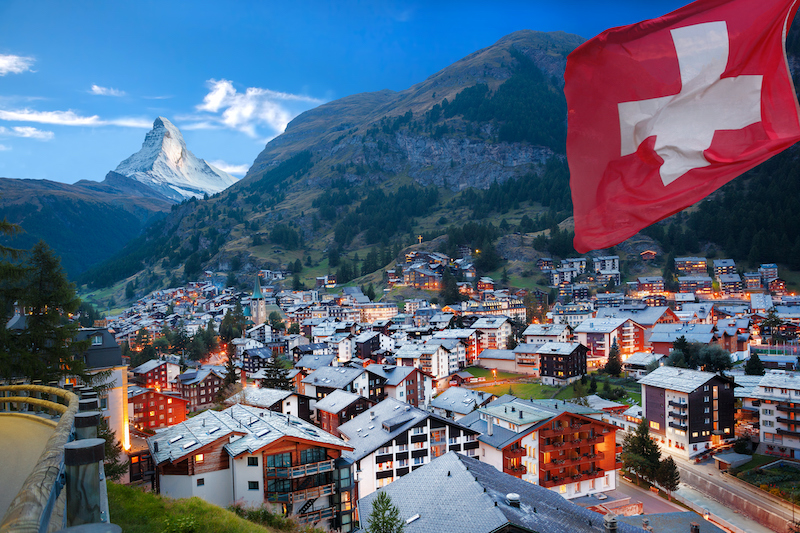
The most effective tool, studied in detail in political theory and successfully applied in practice, is the principle of creating checks and balances that control each other, thereby increasing the democratic nature and effectiveness of the political regime as a whole. Thus, in the bicameral parliament of our model, both chambers are elected, with one expressing the nationwide vector of the country’s development, determined as a result of the democratic articulation of the interests of all of society, and the second taking into account the interests of the regions. This creates the necessary balance of political forces — neither the hegemony of the central government nor the egoistic-separatist dictates of a region can form within a political mechanism operating in this way, as they bind each other through the mutual right to articulate political interests. Power is not concentrated in the hands of the parliament, the head of state, or the executive branch in a way that could be used to suppress democracy. This model is not only based on the experience of the most developed countries, such as Switzerland, but also contains opportunities for development and expansion.
It is possible that this model can be established as early as the broad coalition’s program (if social democrats succeed in becoming the dominant force within it), in which case the political reform will be declared open for discussion and immediate adoption; otherwise, its introduction will require holding a referendum regarding amendments to the Constitution. However, the model of parliamentary democracy that the broad coalition will promote is a step forward in any case. In addition, an objective of primary importance is also the transformation of the party environment — the establishment of new progressive laws that develop internal democracy within parties, as well as facilitate their participation in the country’s political life. When these reforms are carried out, a system of checks and balances will emerge, guaranteeing the possibility of the participation of broad social masses in public administration, observing the requirements of democracy and the rotation of power. We explained why democracy is more effective than authoritarianism in this article, and why the rotation of power is necessary – here. An effective political system is a crucial step toward ensuring the country’s prosperity.
All these processes will take place simultaneously with the lustration of the nomenklatura. We described its necessity and main stages in this material. We want to emphasize that lustration (provided that the loss of political power by the nomenklatura occurs peacefully and does not encounter violent resistance on their part) is not a repressive measure, and it consists only of removal from political power. There is no doubt that in a highly developed society, the rule “Children are not responsible for their parents” applies. Representatives of the post-Soviet nomenklatura will not only not be repressed, as was the case under the communists regarding their political opponents, but will also have the opportunity to start a new life in a prosperous and developing state, from which everyone will benefit.
Legality
There is little point in passed laws if they are not enforced. To ensure that the law is upheld and provides equal rights, we need to implement a complex of measures to increase the level of the rule of law. This is a primary goal after reforming the political system. We wrote about why this is so important and what specifically we will do for this in this article.
The task of social democrats is to make the judicial system truly independent of the executive and legislative branches of power; for example, in the context of Russia, it is extremely important to ensure the independence of judges from court chairmen. The judicial system must implement fair justice in public life, which every citizen — up to high-ranking officials and deputies — will respect. Only under such conditions do fair economic competition, effective anti-corruption efforts, punishment for attempts to dismantle democratic institutions, the possibility of constructive revision of laws, real accountability of authorities to citizens, and, as a consequence, the implementation of relevant reforms formed under the influence of judicial precedents and cases reflecting the progressive interests of the state and society become possible.
The complex of measures to increase the level of the rule of law also includes the repeal of controversial laws from the previous authoritarian government (especially those perceived by society as repressive) and the development of democratic legislation.
Administrative reform package
Increasing the level of democracy and the rule of law opens a path for us to effectively carry out a number of other important reforms. First of all, this is a package of anti-corruption measures, which we described in a separate material — it provides, for example, for the prohibition of state-provided benefits to officials (it is important to note: this refers not to wages, but to state dachas, state cars, tickets and hotels at public expense, etc.), increasing the transparency of the state mechanism, continuing the transition of bureaucratic procedures online, and so on.
Important goals at the moment include expanding this section with articles on how social democrats intend to transform law enforcement, the penitentiary, healthcare, and education systems, the army, and the basic principles of infrastructure design (in the latter matter, we will rely primarily on the work of modern urbanists and intercity infrastructure designers).
Cultural policy
The main body of reforms affecting culture is described in our article on de-conservatization. This is a broad complex of measures that includes the depoliticization of toponyms, the opening of archives, the dissolution of pro-government nomenklatura parties, the reorganization of security services, the release of political prisoners, the protection of LGBTQ+ rights, the replacement of the conscript army with a professional one, the creation and encouragement of the pluralistic development of constructive think tanks – analytical centers or “thought factories”, and so on.
The policy of de-conservatization is intended not simply to expand the level of freedoms and protection for citizens by improving their quality of life – it allows currently conservative countries like Russia to rid themselves of obsolete political, economic, and cultural values that hinder their development (the majority of such values were described by us here) and serve as a weapon against social democrats and other progressive political forces. Thus, the cultural policy of the social democrats will also be indirectly aimed at strengthening their political positions and popularity without resorting to the tactics of clumsy propaganda. This will allow social democrats to carry out reforms more easily and quickly and win elections more easily, while not creating obstacles for the development of other constructive and democratically inclined political movements. Undoubtedly, the national and religious policies of the social democrats will also influence the state of affairs in the country. With their help, we hope to defeat racism, nationalism, religious fundamentalism, and such a destructive phenomenon as “jingoism”, to achieve true freedom of conscience, and to place religious organizations at the service of society (and not the other way around).
Migration policy
The migration issue in the 21st century has turned into a tool for creating populist policies and for the rise to political power of non-constructive and anti-democratically inclined political forces. Migration problems are one of the main arguments of the populist struggle of the right and the radical right against political democracy and the genuine stability of society (here, the thesis of stable coexistence is replaced by a policy of discrimination and segregation in the name of an archaic purity and an ideal of “all that is good and kind” taken from their own perceptions of the past).
In the public rhetoric of the right and radicals, accusations regarding the lack of constructiveness of the social democrats’ position on the migration issue are often heard. These accusations are often contrived and false, and one must fight against them. The migration policy of the social democrats today consists of the following points:
- Prevention of illegal migration. A social democratic country must be hospitable to legal migration and refugees, expanding opportunities for legal migration for migrants who sympathize with the country and the principles upon which it is built. The latter must also base their norms of behavior on respect for the laws of the country and its culture;
- Assistance in employment. Encouragement of public works in the beginning, followed by differentiation in accordance with skills and competencies;
- Maximum possible assistance in integration – providing opportunities for language learning and the knowledge and acceptance of the country’s laws;
- Disrespect for the law and manifestations of national or religious fundamentalism (for example, aggressive criticism of the lifestyle of the country that the person chose themselves for migration) must lead to deportation.
Social democratic economy
In the article on the social democratic economy, we described its basic principles – the expansion of social state institutions, support for small and medium-sized businesses, progressive taxes on large capital, the strengthening of antitrust control, the creation of conditions for the development of forms of employee participation in the management and ownership of enterprises, and investment in manufacturing and innovative sectors.
Building a social democratic economy requires society’s readiness for it. Therefore, we view the increase in the level of democracy and the rule of law as priority tasks – without them, it will be impossible, for example, to collect a progressive tax (if non-compliance with the law in a country is not punished by fair justice, then citizens will strive to avoid taxes). And cultural policy prepares society for a social democratic economy even more, because it introduces citizens to the values that allow them to fight for the realization of the social democratic program. When such preparation is complete, the following tasks of the social democratic program can be implemented in the next stage:
- Introduction of a progressive taxation system. The main burden should fall on the 3% of citizens with the highest incomes;
- Expansion of social welfare state institutions;
- Economic development (we described the fundamental principles of the social democratic view on economic development in the article on how to achieve economic growth) — subsidizing manufacturing and innovative industries, temporary protection of new industries, and so on;
- Establishment of a multi-sectoral economic system that does not allow a single economic agent or a narrow circle of them to set unfair rules;
- Reforming labor legislation. Expansion of the shareholder model, increasing the influence of employees on corporate boards of directors;
- Combating monopolies;
- Equalization of regional budgets based on a model similar to the Swiss one.
Foreign policy
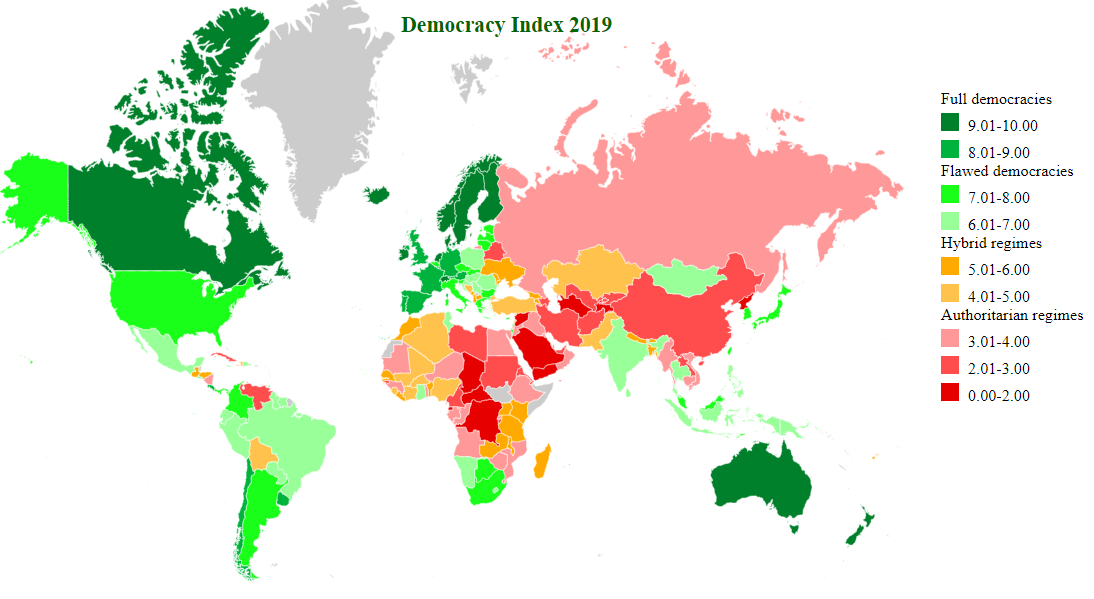
Ensuring an increase in the standard of living will also be facilitated by a peaceful foreign policy and cooperation with developed countries. Social democratic countries aim for cooperation with other democracies and strive to avoid political agreements with authoritarian regimes. Today’s foreign policy priority is a global victory over authoritarianism while maintaining conditions for peaceful coexistence and the competition of systems. The task of progressive forces is the complete victory of democracy by the end of the 21st century. An equivalent task is the strengthening and reform of international organizations, pushing through them decisions that allow for the effective resolution of international problems. In parallel with this, progressive social democrats must seek the disarmament of countries on a mutual basis.
Green policy
Social democrats of the 21st century consider it necessary to pay special attention to climate and environmental problems, including for the reasons we highlighted in the article on international organizations. These problems will be solved not only at the international but also at the local level. For Russia, this is one of the most pressing problems in political reality, the reasons for which are dirty production, a neglectful attitude toward land, water, and air (caused both by unfair rules of the economic game and by low culture), the lack of dynamic development of alternative forms of energy and goods production, and low government appropriations and subsidies for research and development work to create a new technological paradigm.
Among the basic principles of the social democrats’ green policy, the following can be highlighted:
- Gradual transition of freight, public, and personal transport to clean energy;
- Allocation of appropriations and subsidies to private business, scientific and academic institutions, and municipal utilities to facilitate the development of environmentally friendly production programs;
- Integration of alternative energy (solar) into municipal systems — schools, supermarkets, and city halls;
- Legislative restrictions on harmful industries (up to the revocation of operating licenses) and the promotion of environmentally friendly industry.

The state of the future
Development does not end with building a modern welfare state. The fact that, as we mentioned at the beginning, modern productive forces do not yet allow, for instance, for the establishment of a 3-day work week, a retirement age of 40, or providing every citizen with next-generation smart homes, does not mean that this level will never be achievable. After the country achieves leadership in key indicators of the standard of living, it is possible to draw up a plan to stimulate and develop the economy in such a way as to make a painless transition to a 4-day work week possible first. We emphasize here particularly that the social democratic economic system does not correspond to the ideas of a planned economy — indicative planning in a mixed economy has no more in common with it than planning purchases when going to a store.
In this transition, the development of Fourth Industrial Revolution technologies will help us (we wrote a separate piece on this topic). Rapid economic growth with the simultaneous replacement of human labor by robotic labor is possible under a small number of ideologies, mainly of a liberal or social democratic stripe. However, replacing humans with robots will most likely be accompanied by an increase in unemployment, which under right-wing liberals will lead to even greater social stratification and the relative impoverishment of citizens. Under social democrats, the rise in unemployment will be smoothed out by expanding unemployment benefits (and possibly a universal basic income); furthermore, at a certain stage of rising unemployment, the reduction of the work week, the lowering of the retirement age, and other measures will be enshrined in legislation, which will encourage employers to hire new workers. Social democrats should also move toward new urban planning principles that correspond to the concept of the city of the future, which will radically improve the convenience of people’s daily lives.
Conclusion
The Progressive Course is a logically verified and consistent system of key principles of progressive social democracy in the 21st century. It is based on the practice of the 20th-century social democratic movement, with a critical reflection on the historical experience of social democrats in Europe, and is relevant for opposition movements in authoritarian states as well; it is aimed at having a favorable impact on young democracies that are in the stage of democratic transition. The Progressive Course also helps to form a holistic system of views, which, in turn, serves the task of forming a social democratic identity in politics and uniting a new generation of social democrats around the “base core” of this system of views. The Course is a political representation — the “signboard” of our positive agenda.
Its implementation will not occur through political practices characteristic of authoritarian leftists: supporters of left-wing dictatorship, totalitarianism, and Stalinism. Since social democrats recognize the importance and effectiveness of democracy, as well as the bankruptcy of authoritarianism as a tool for achieving progressive goals, the implementation of the Progressive Course will require a constant struggle against right-wing movements within the framework of democratic institutions — ideological, electoral, and so on. To this end, every supporter of the Course must constantly strengthen the social democratic party and friendly organizations. We also disclose the provisions of the Progressive Course in more detail in our material with a draft program for a social democratic organization.
We express our gratitude to Viktor Antonov and Evgeny Ivanov for their help in writing the Progressive Course.